This Area's Housing
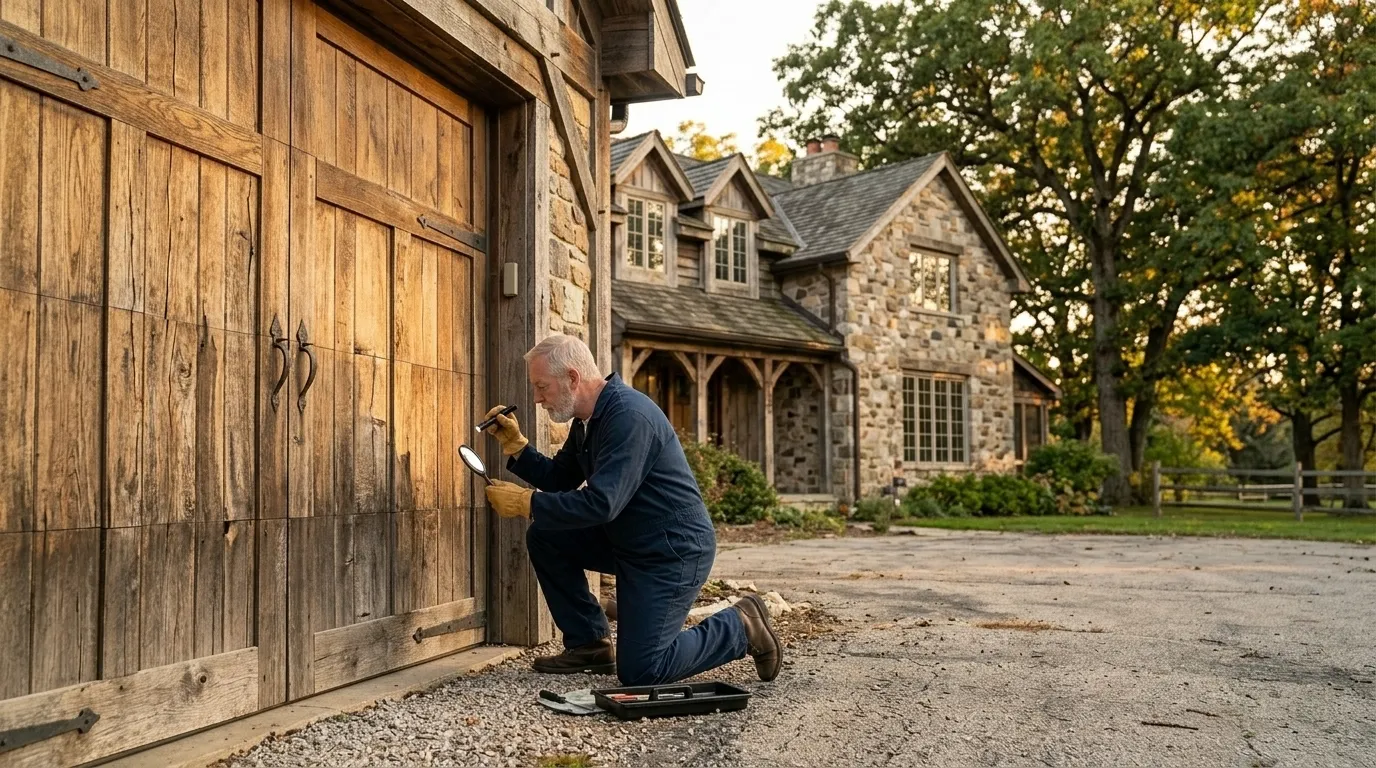
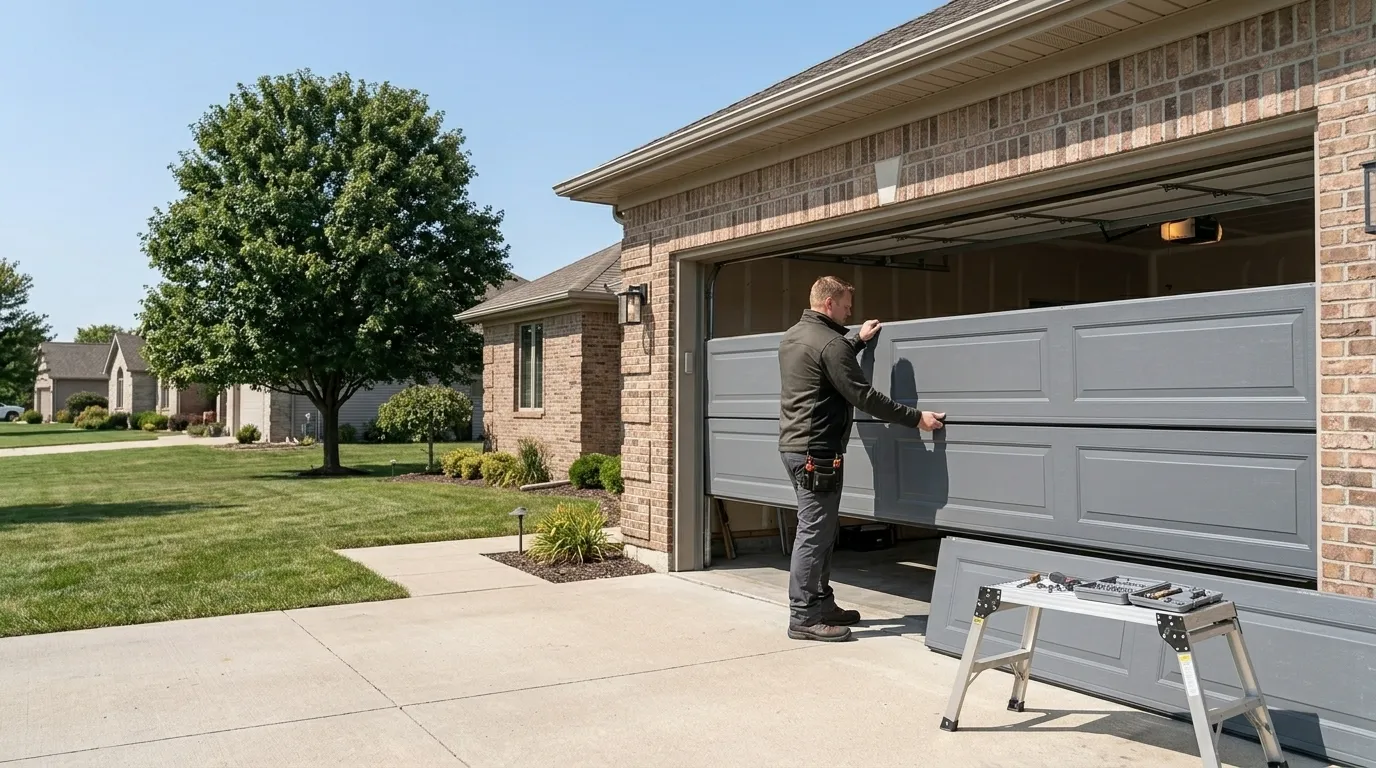
Whitehall's median build year sits at 1961, which puts it noticeably earlier than the broader service area's 1977 median. That gap matters more than it sounds. A house built in 1961 was framed for a garage door that looked and worked nothing like what's sold today - narrower jambs in some cases, single-panel doors on some of the older builds, and door openings sized to hardware nobody stocks new anymore. With 8,166 households in Whitehall, a good chunk of them are still running some version of what went in decades ago, either the original door or a straightforward one-for-one swap from the 80s or 90s. That's a different job than working in a subdivision built in the 2000s, and it shows up the moment you open the panel and look at the springs.
How That Shows Up in the Door
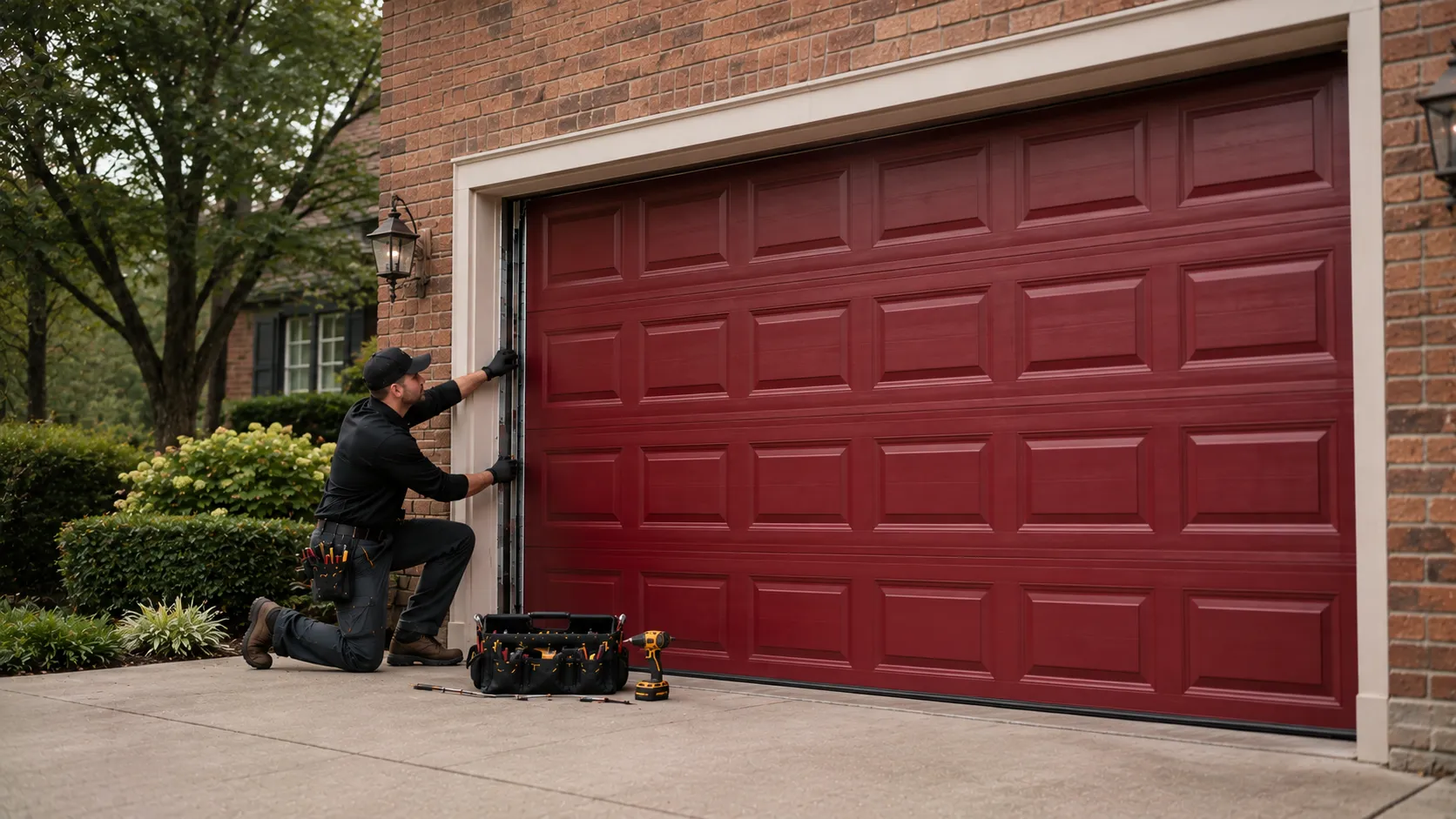
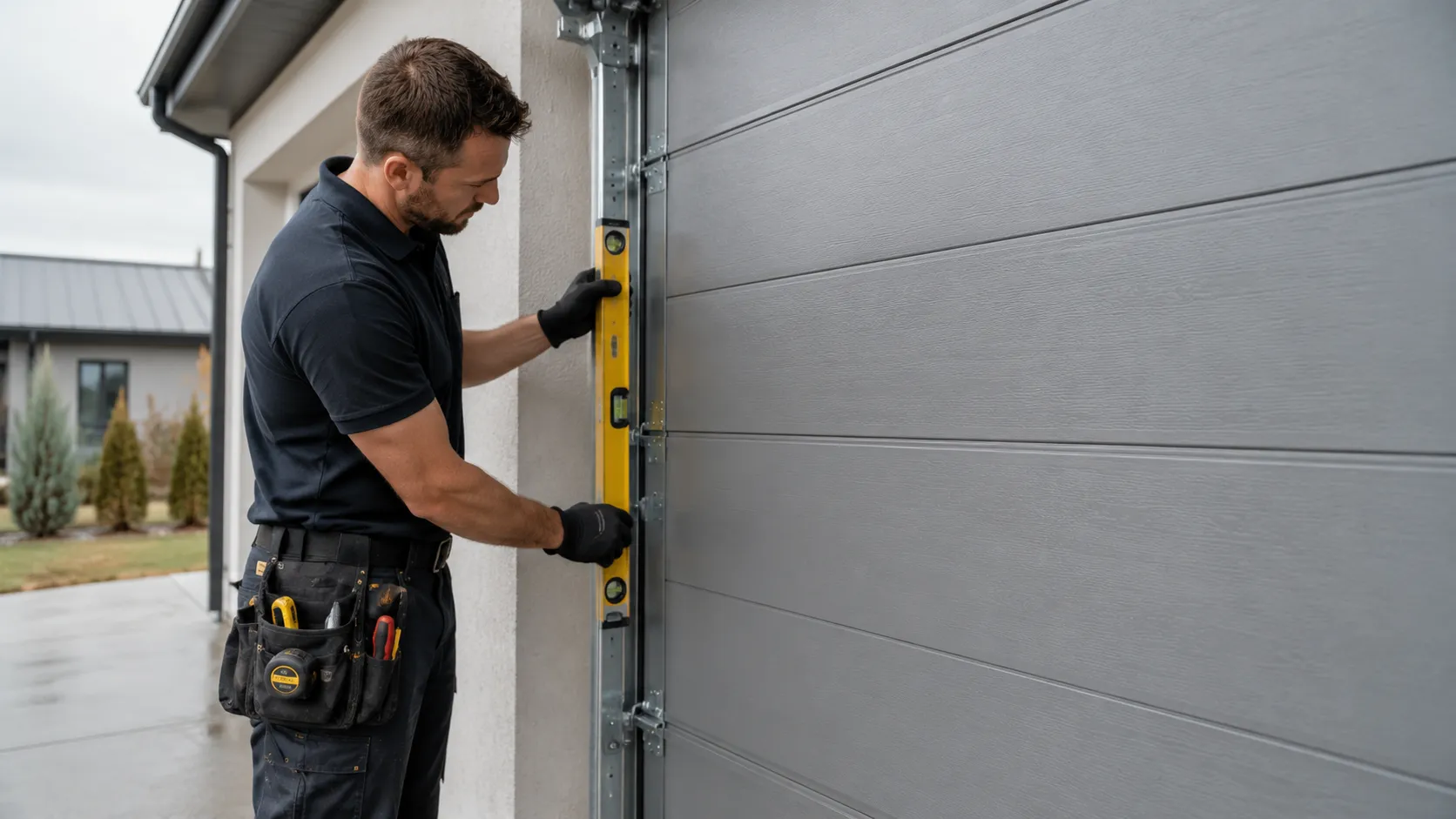
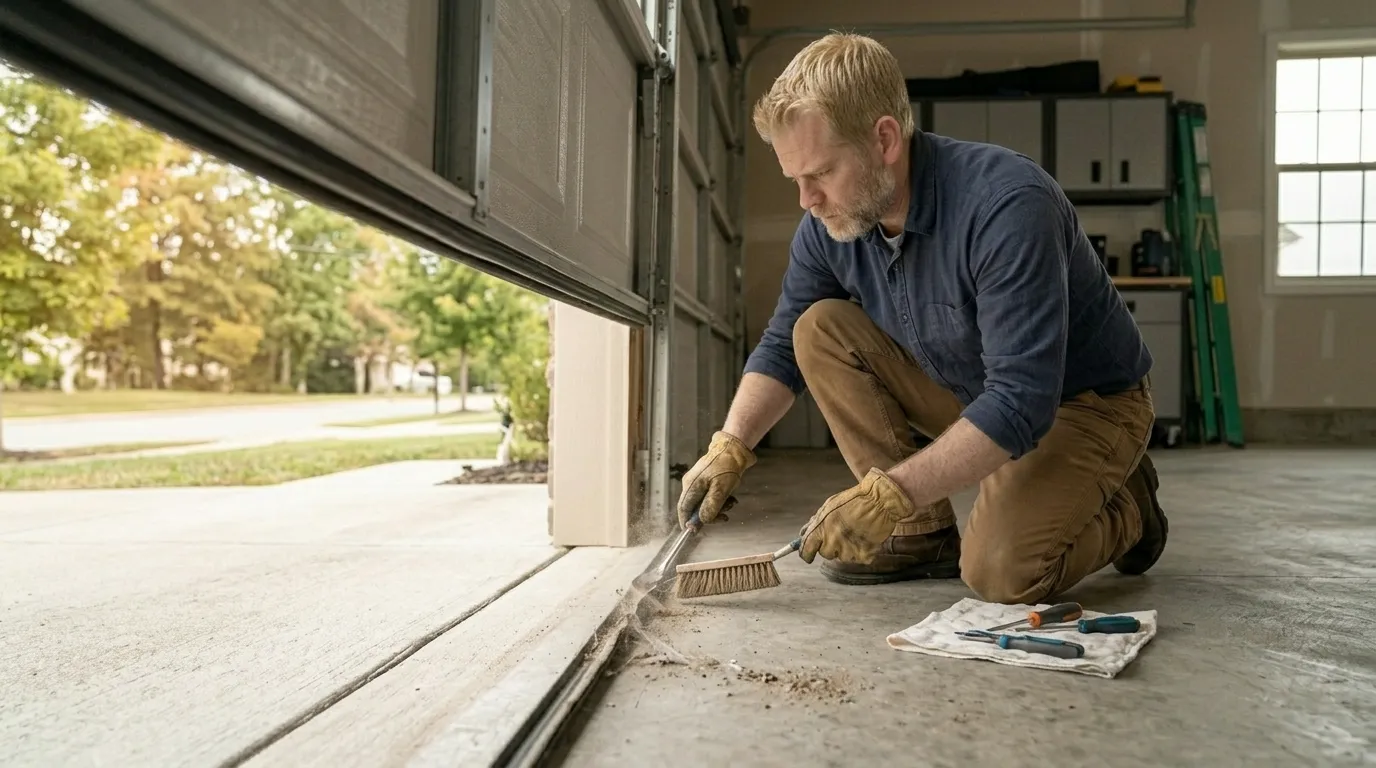
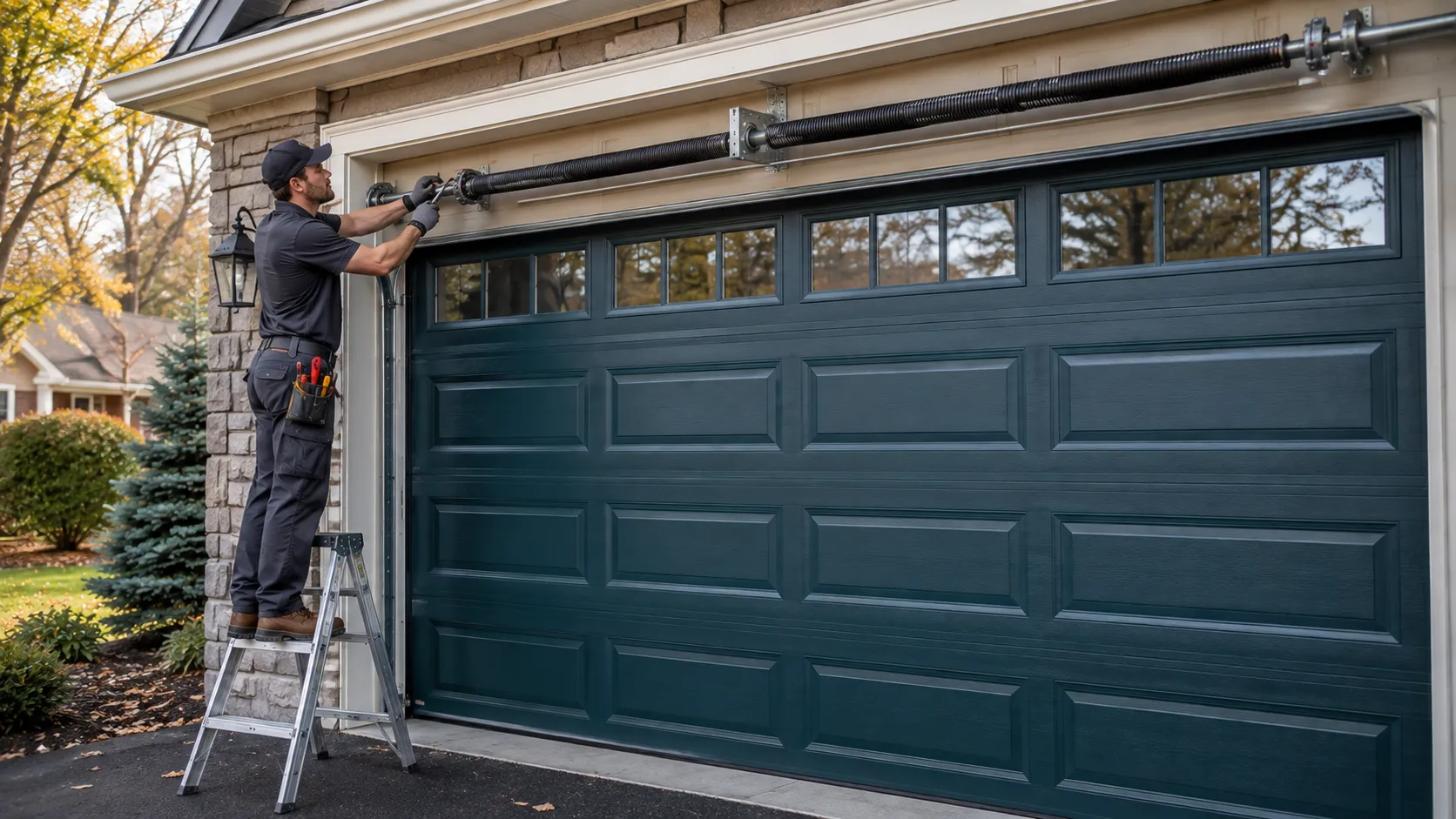
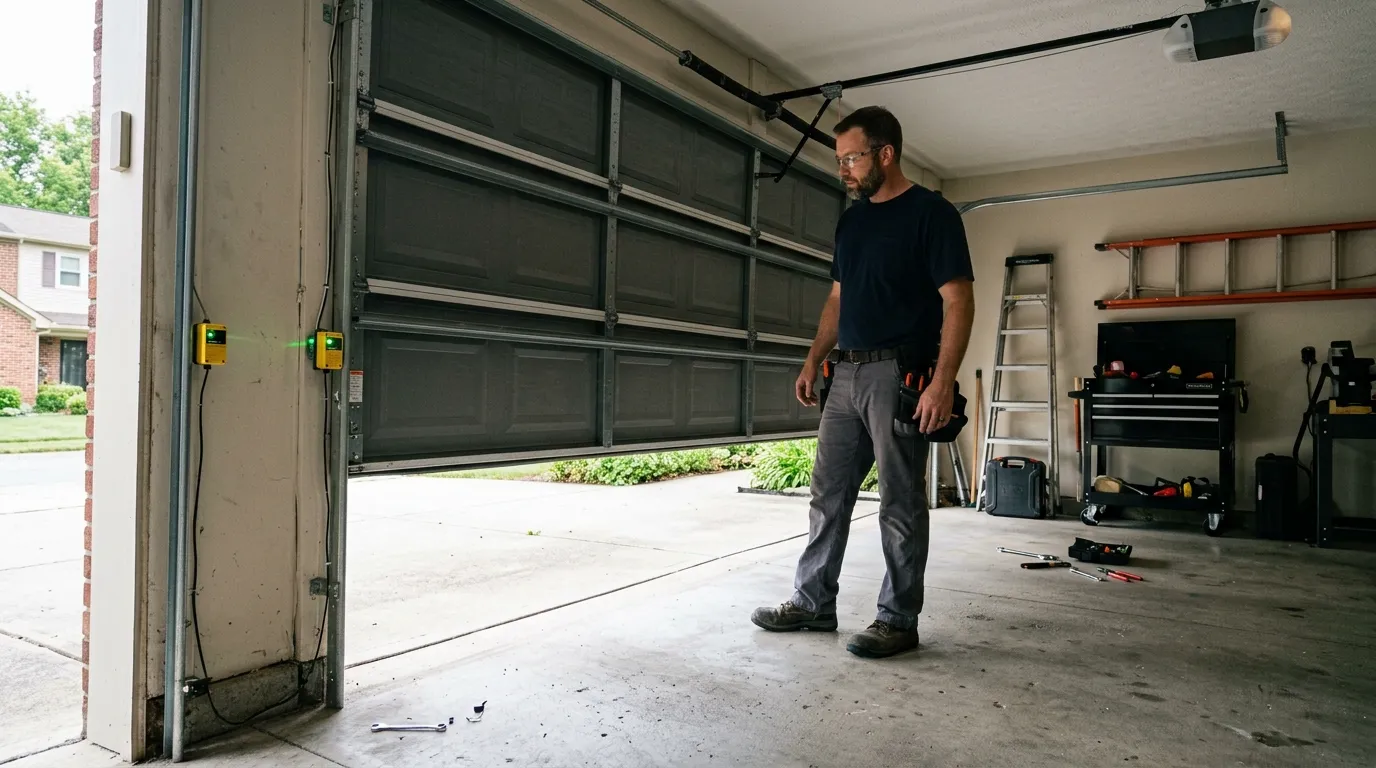
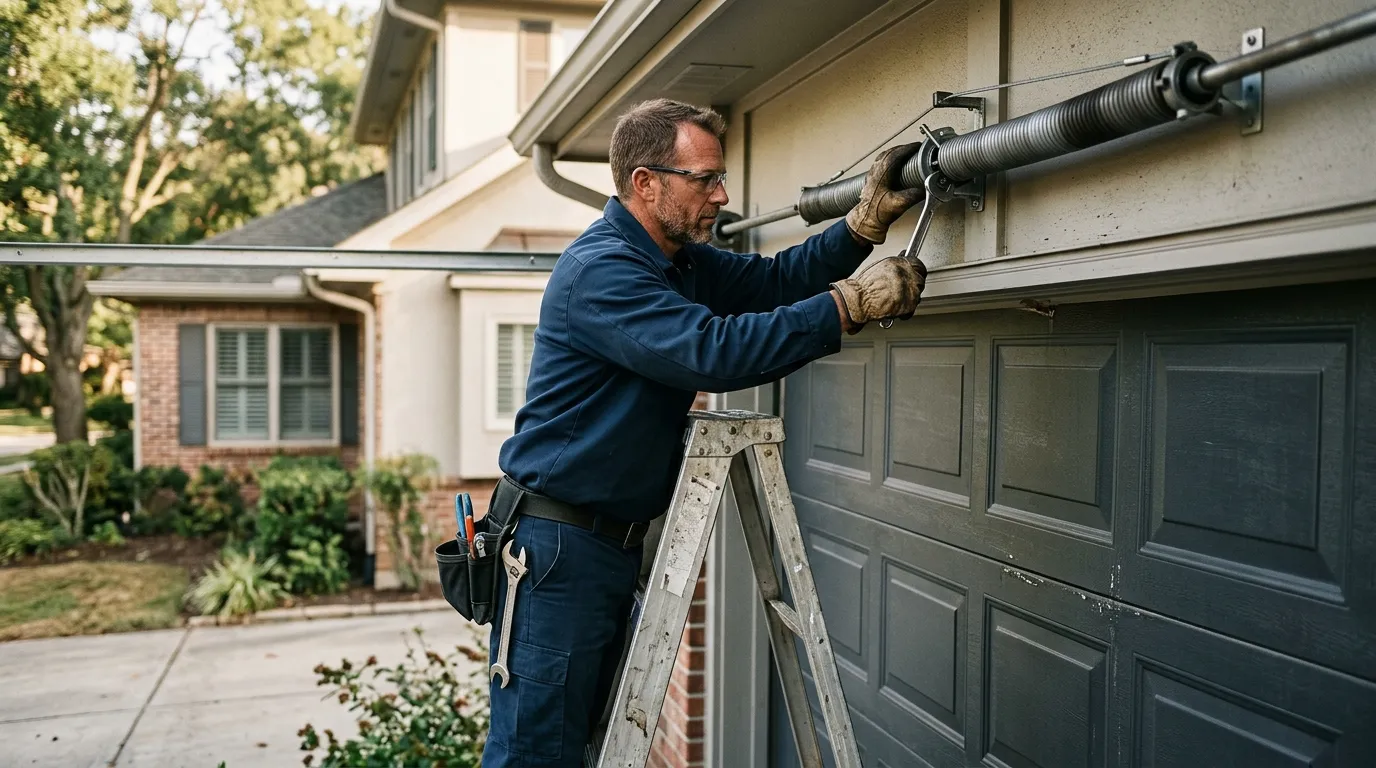
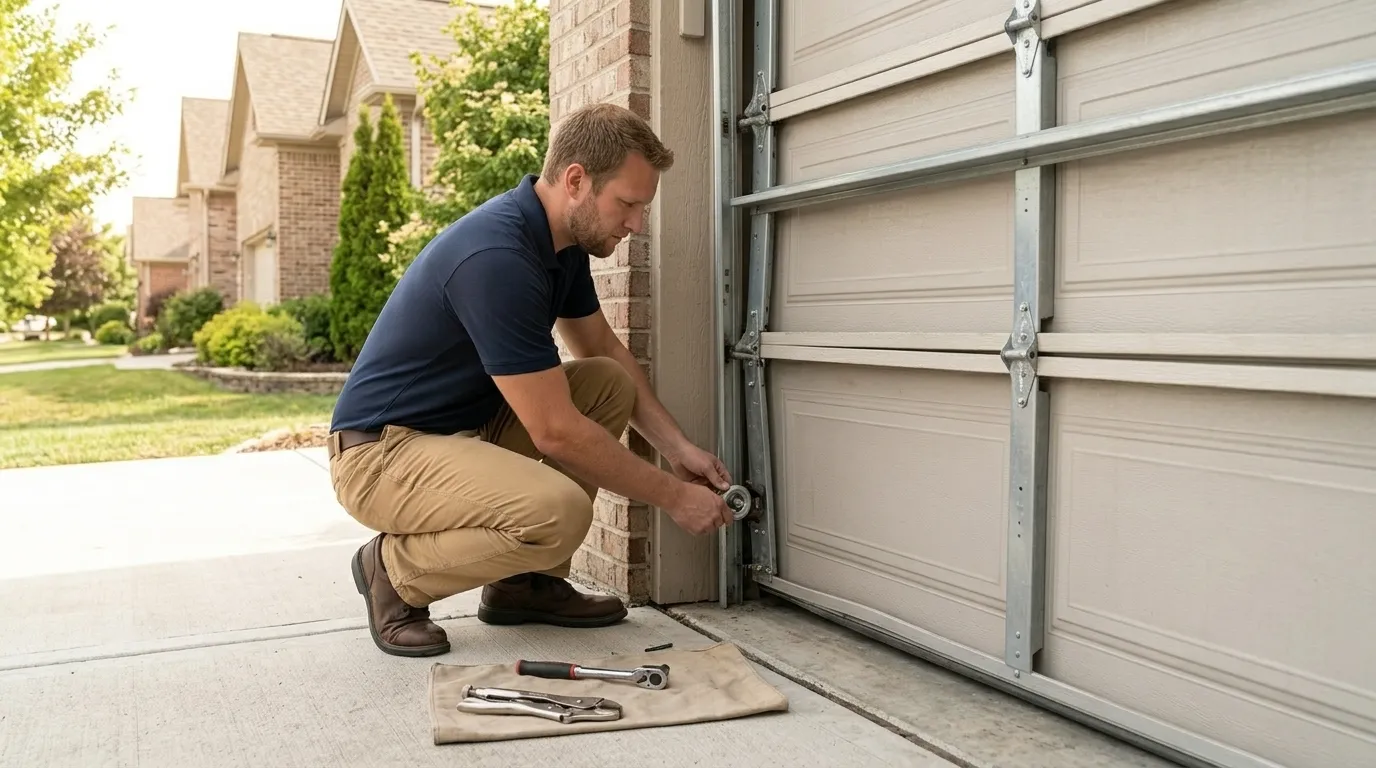
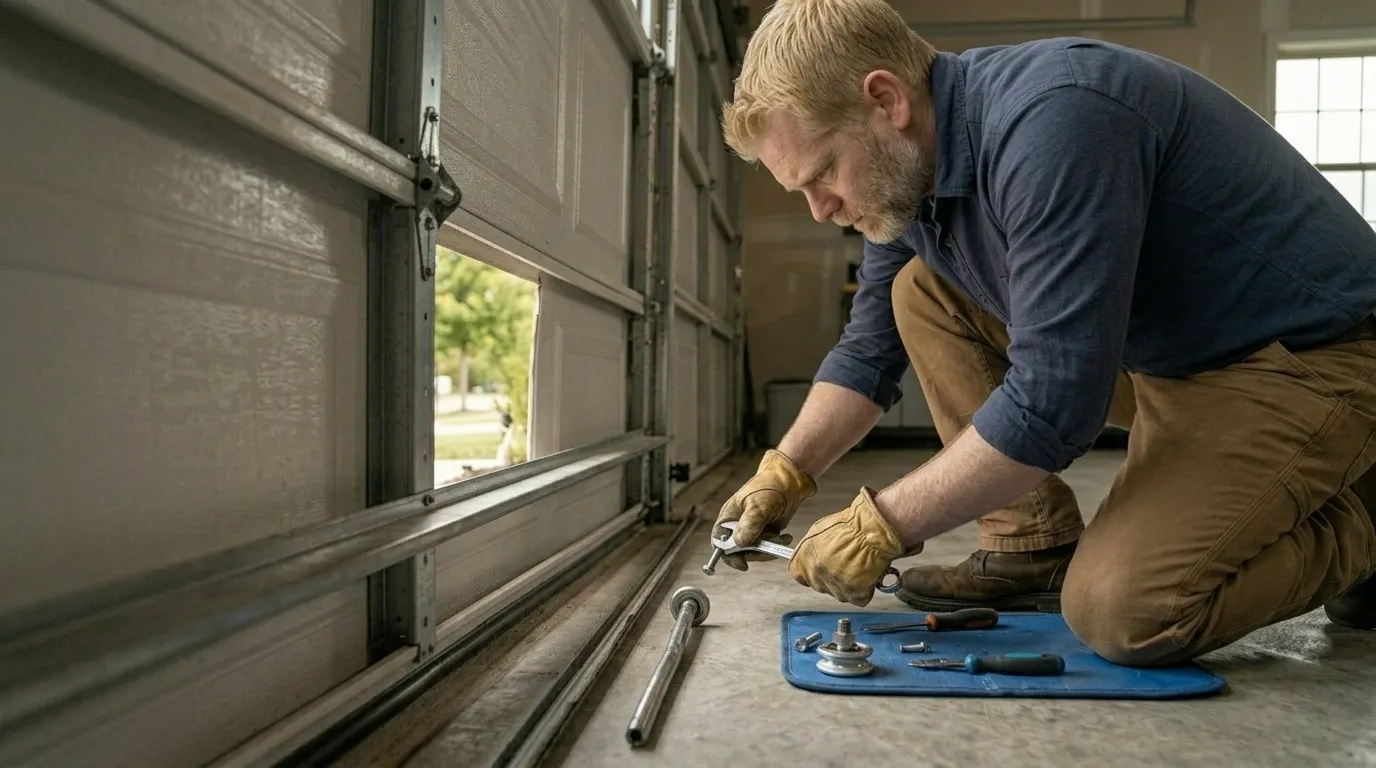
Older openings mean older track and spring setups - a lot of side-mounted torsion or, on the earliest houses, extension springs strung along the horizontal track instead of a torsion bar overhead. Rollers on doors this age are usually steel, not nylon, and they've had sixty-plus winters to work their way loose in the bracket. Cold-climate swings don't help - steel contracts, grease stiffens, and a door that opened fine in September starts binding or slamming by January. We see this pattern often enough in Whitehall specifically that it's the first thing we check: track alignment and spring type, before we even touch the opener.
The Drive Over
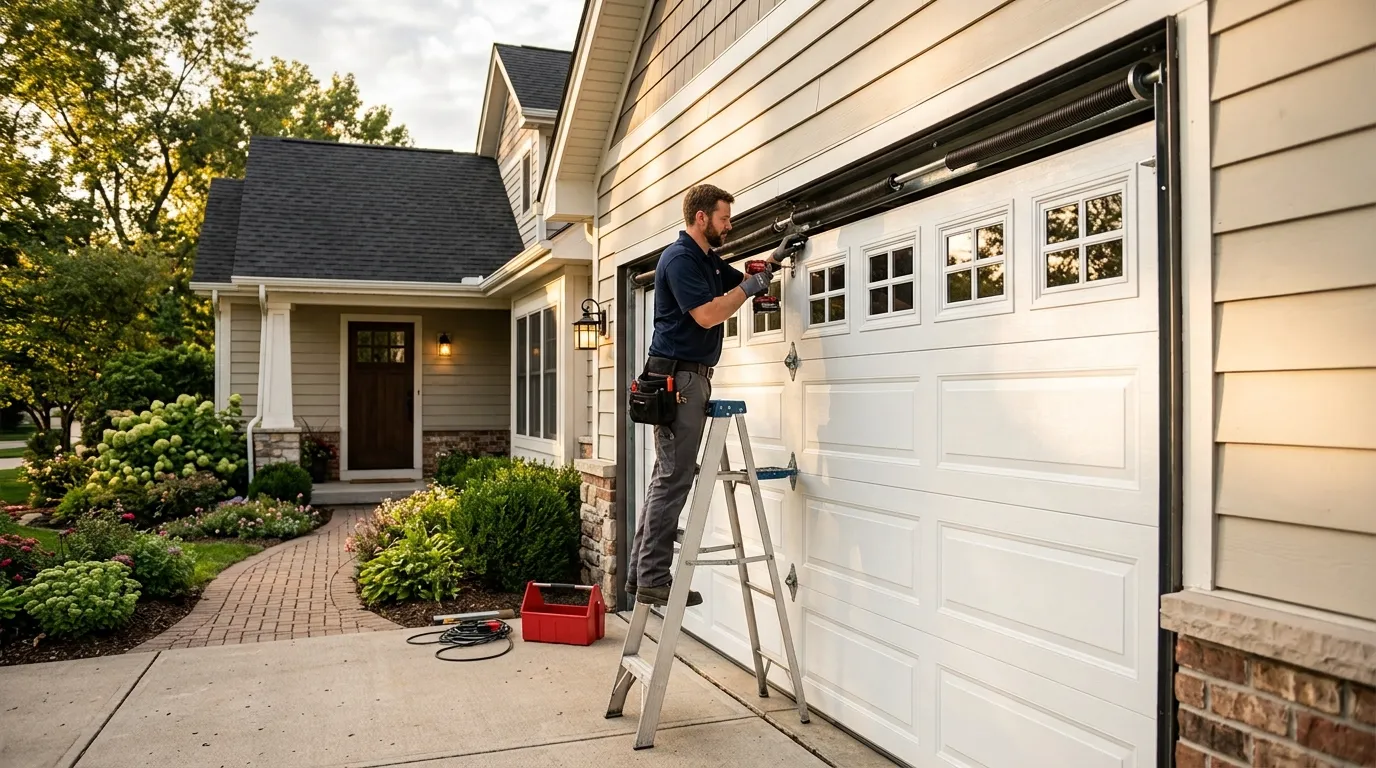
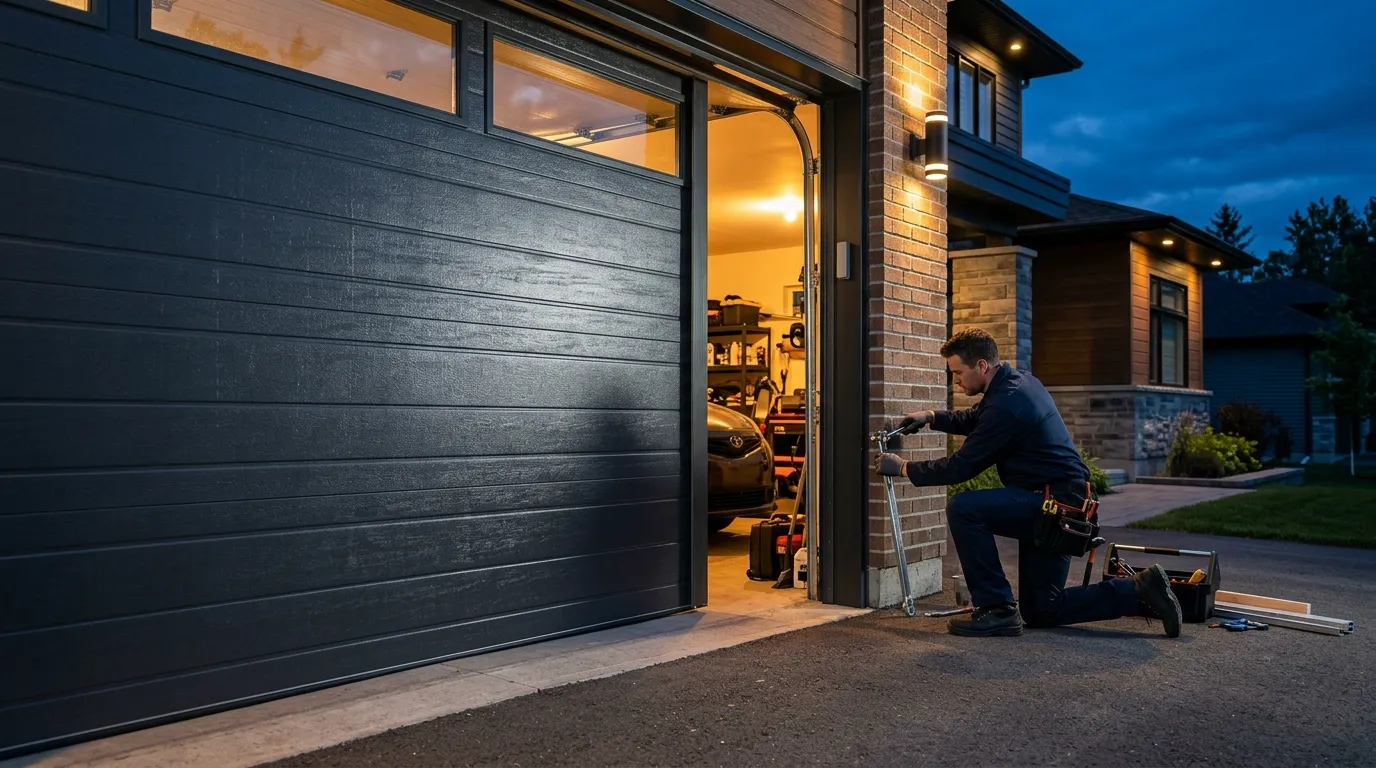
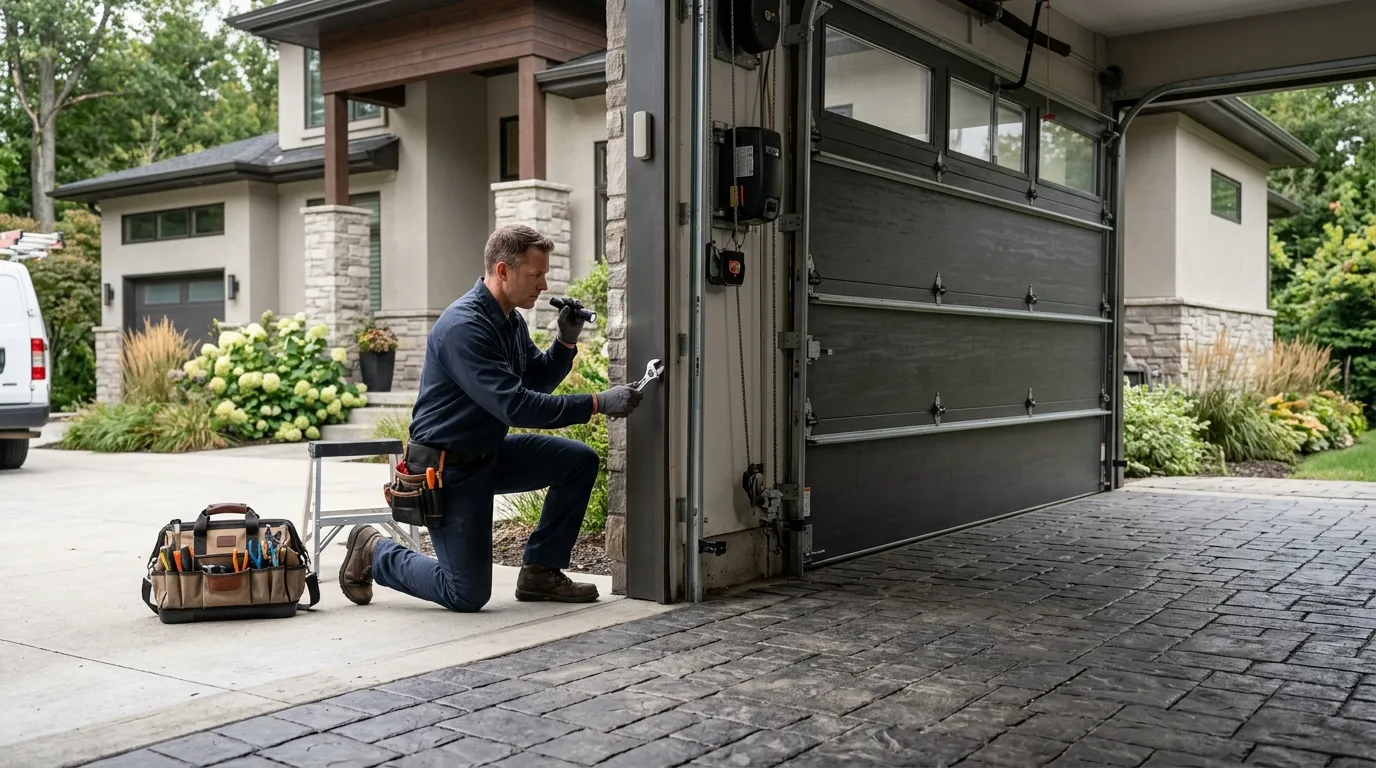
We run out of Reynoldsburg, about 5 miles from Whitehall, so there's no separate branch or drop-off point here - just a truck that comes to your driveway. That distance is short enough that it doesn't add real lag to scheduling, but it's worth knowing this isn't a satellite office, it's a service call from the Reynoldsburg shop. Across the wider area we work in, 50,960 of the roughly 95,004 households are owner-occupied houses, and Whitehall's older stock is a solid slice of that, which is why the truck comes this way regularly.