The Housing Here
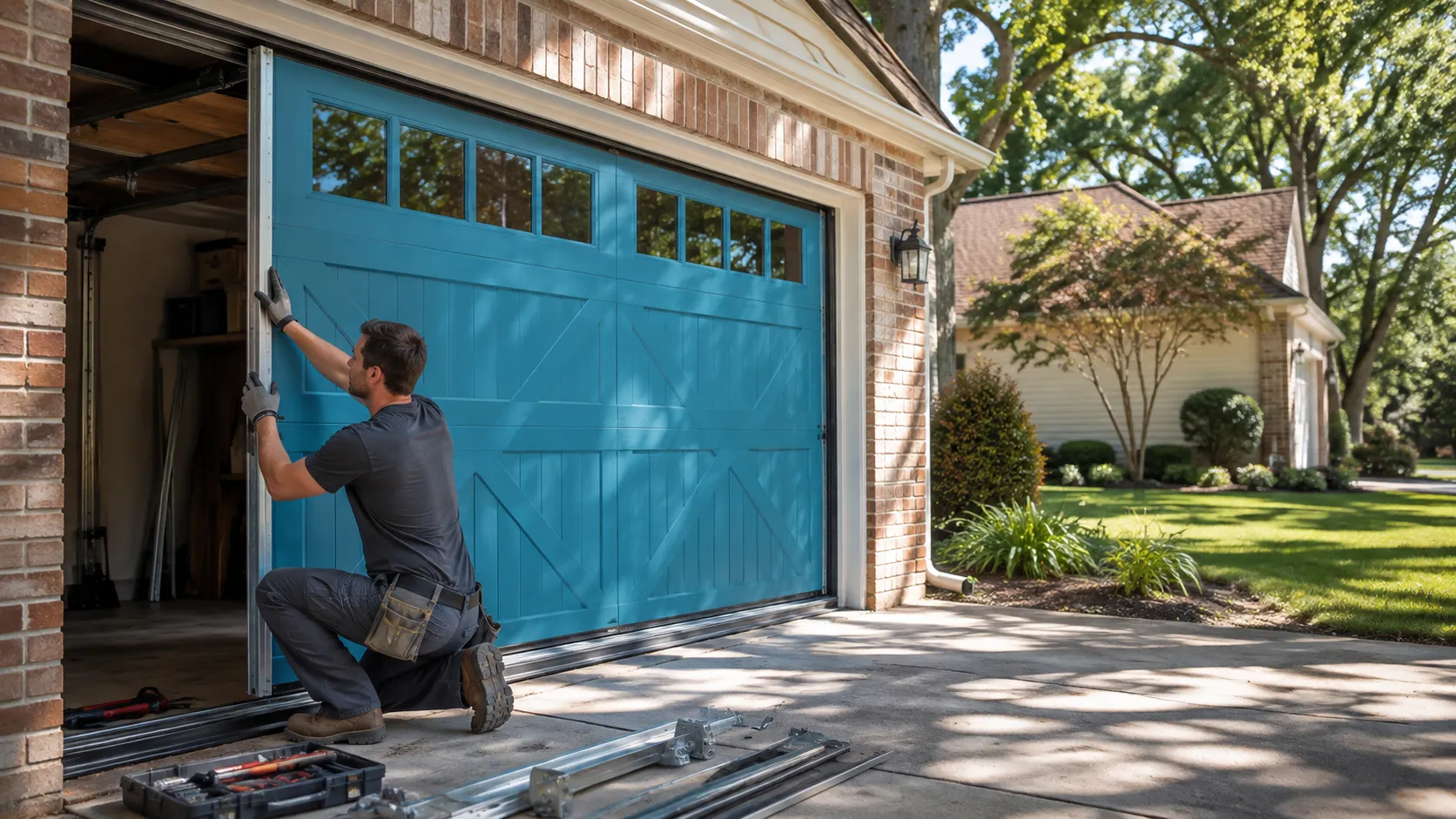
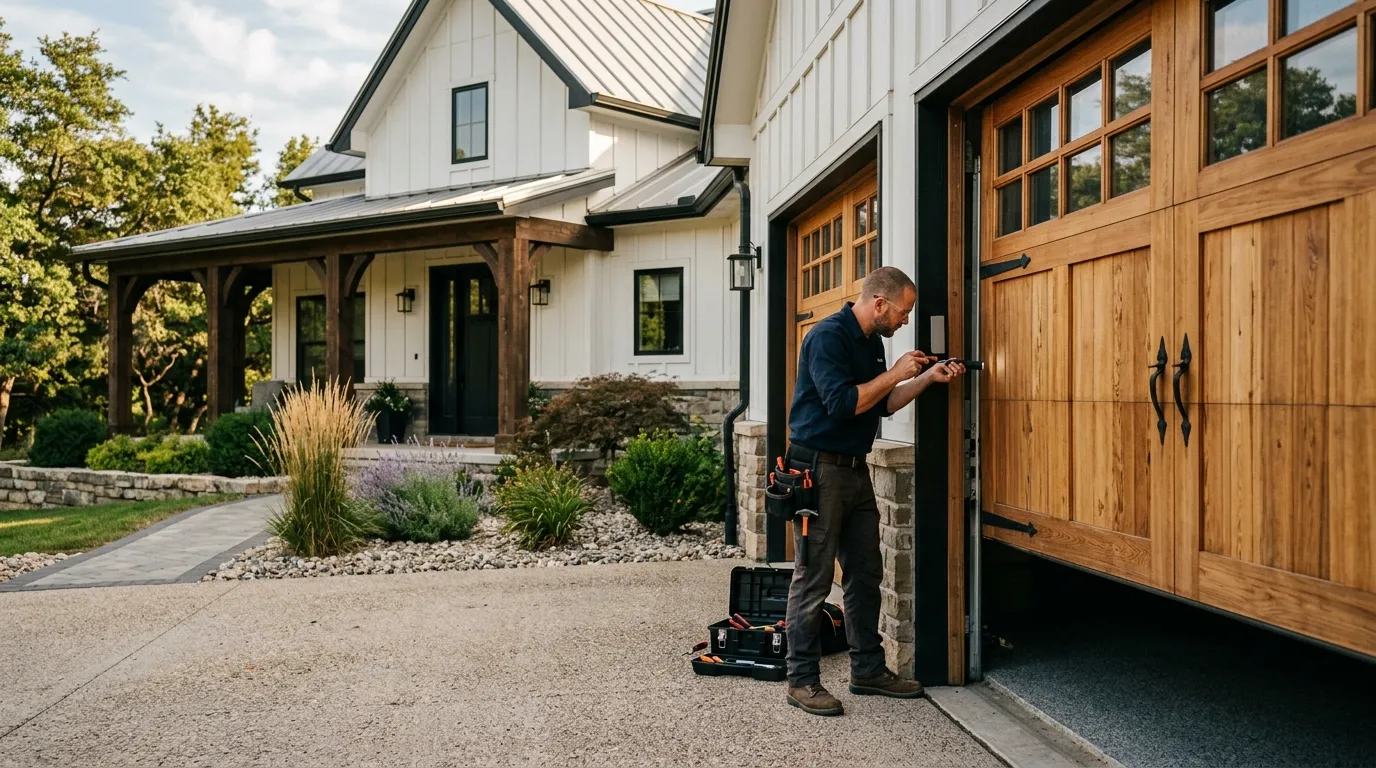
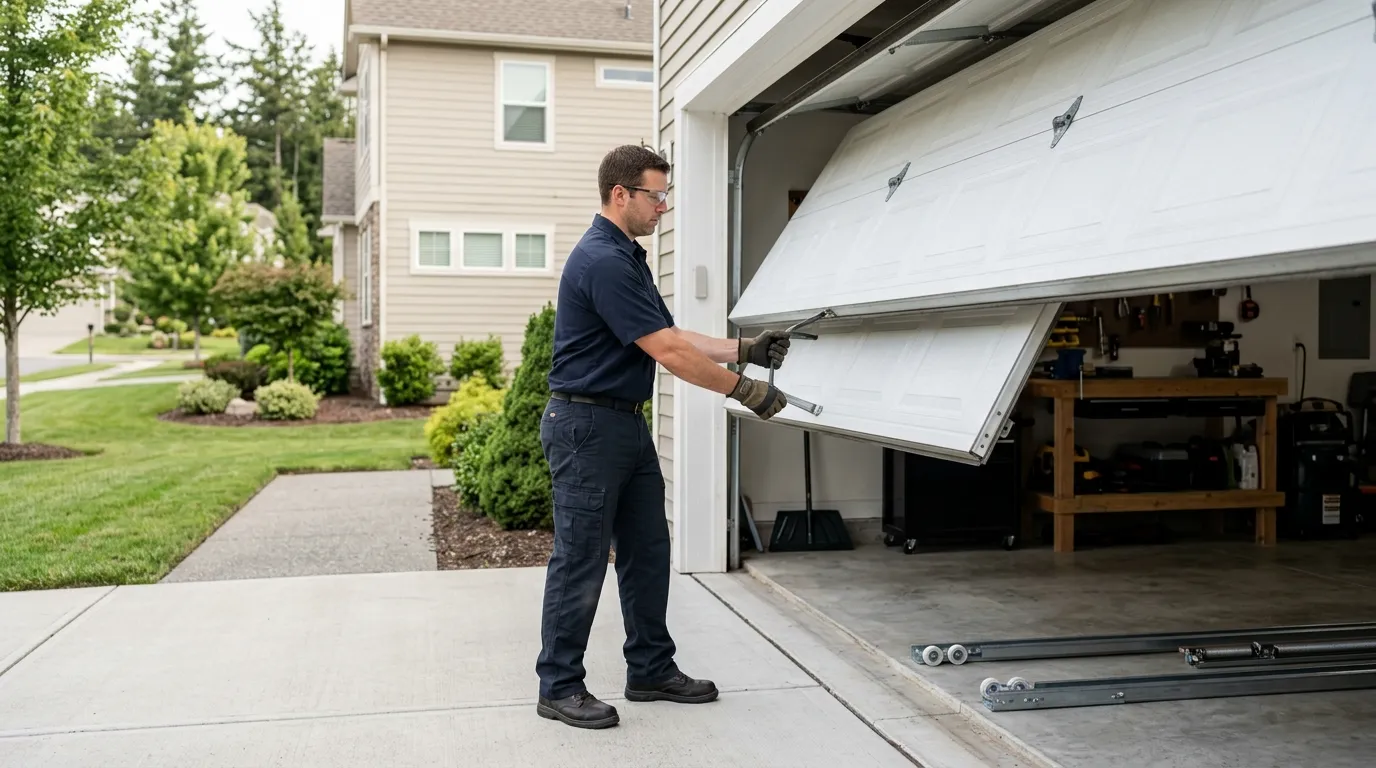
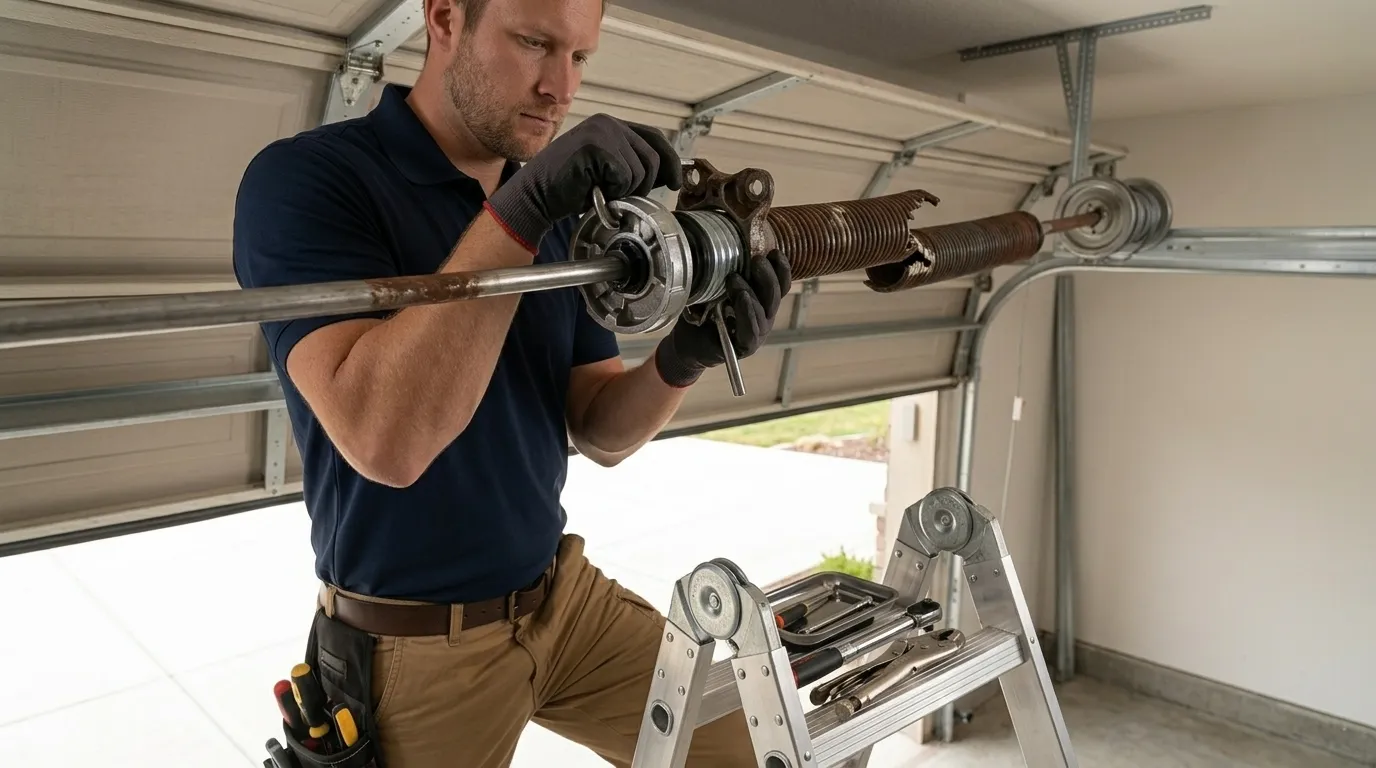
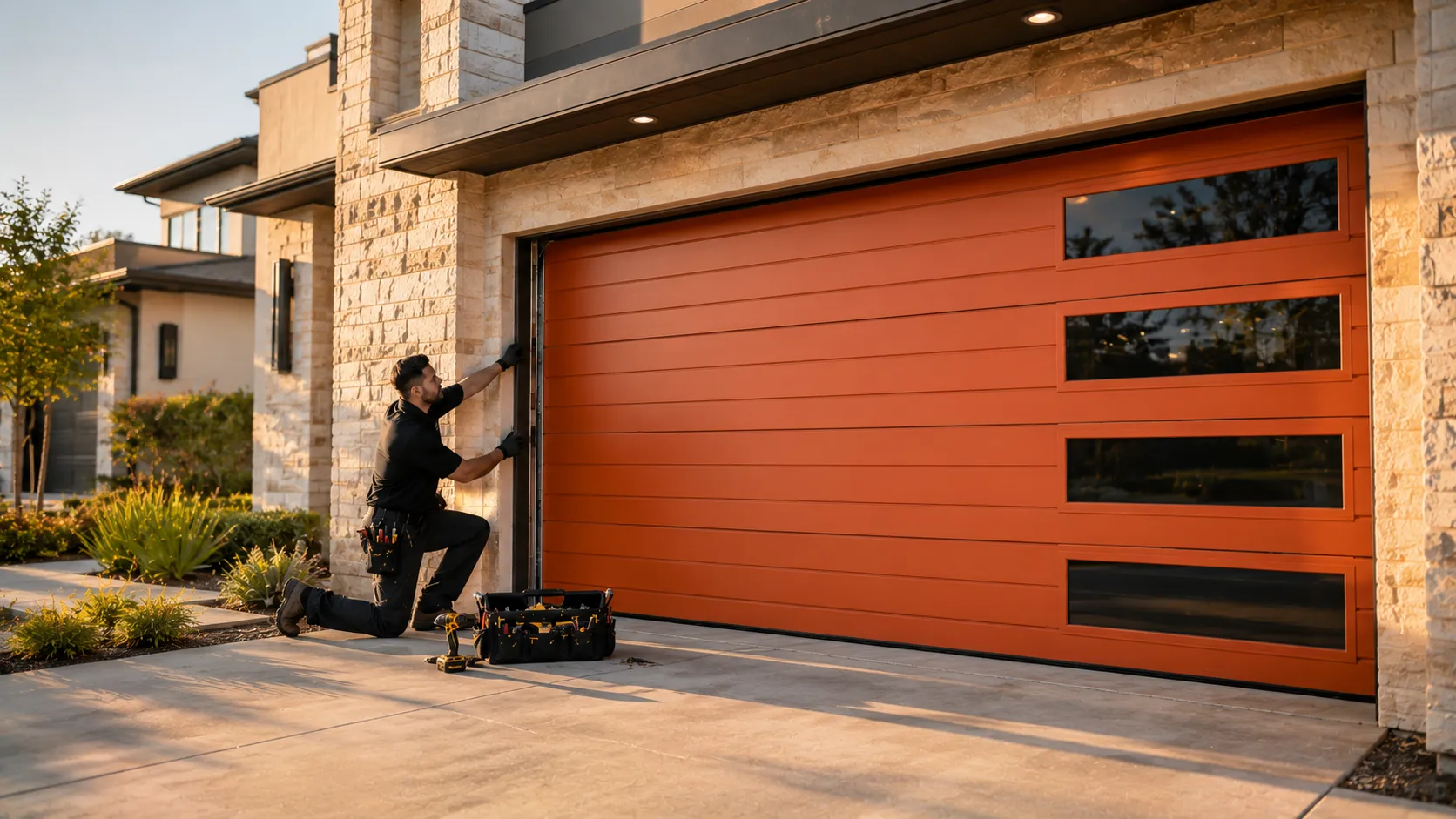
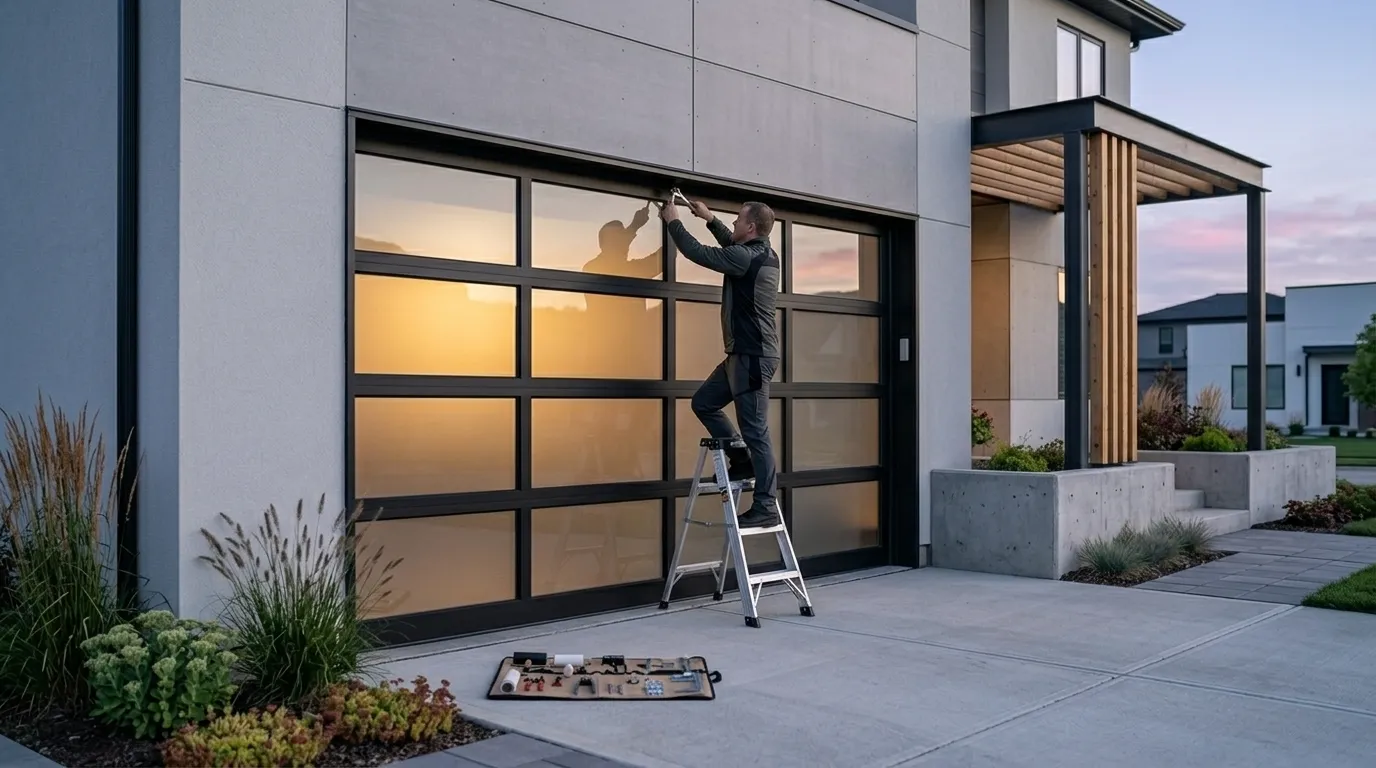
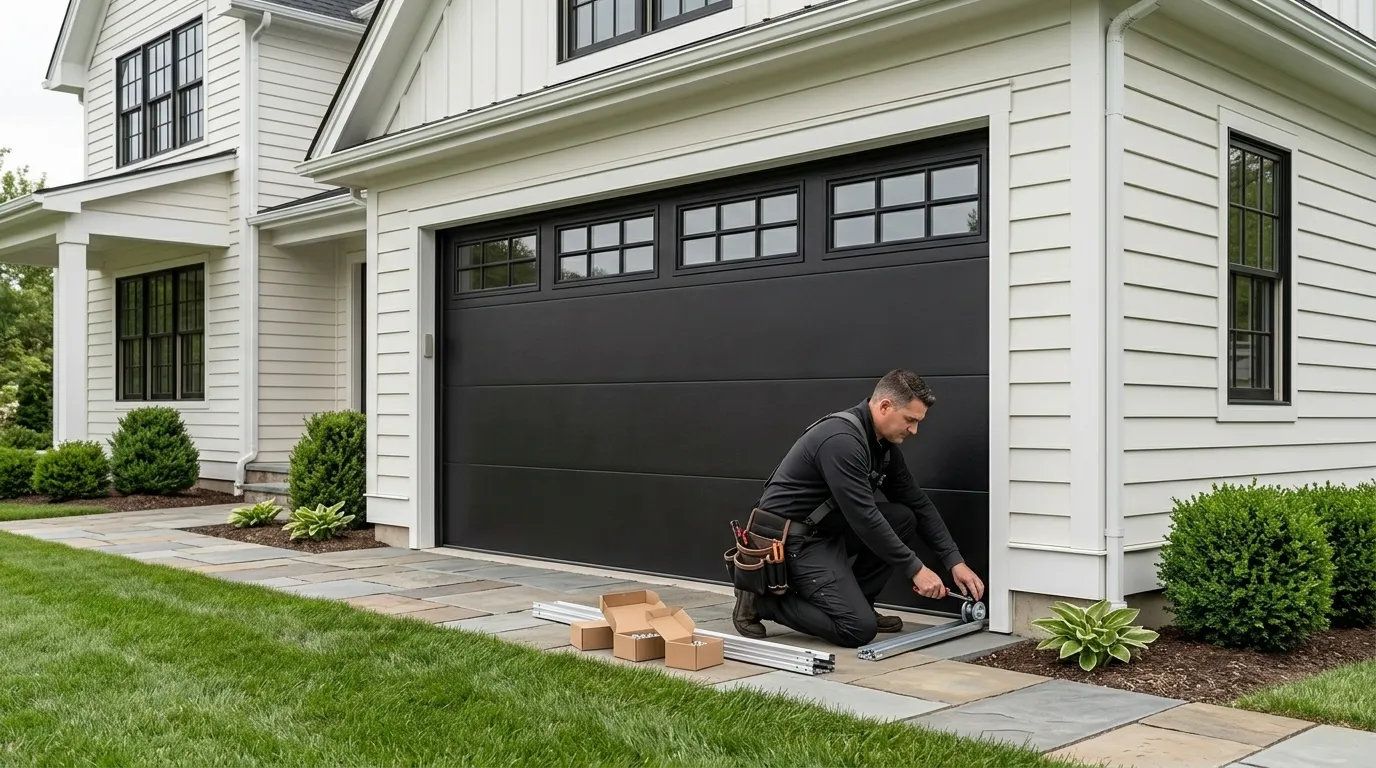
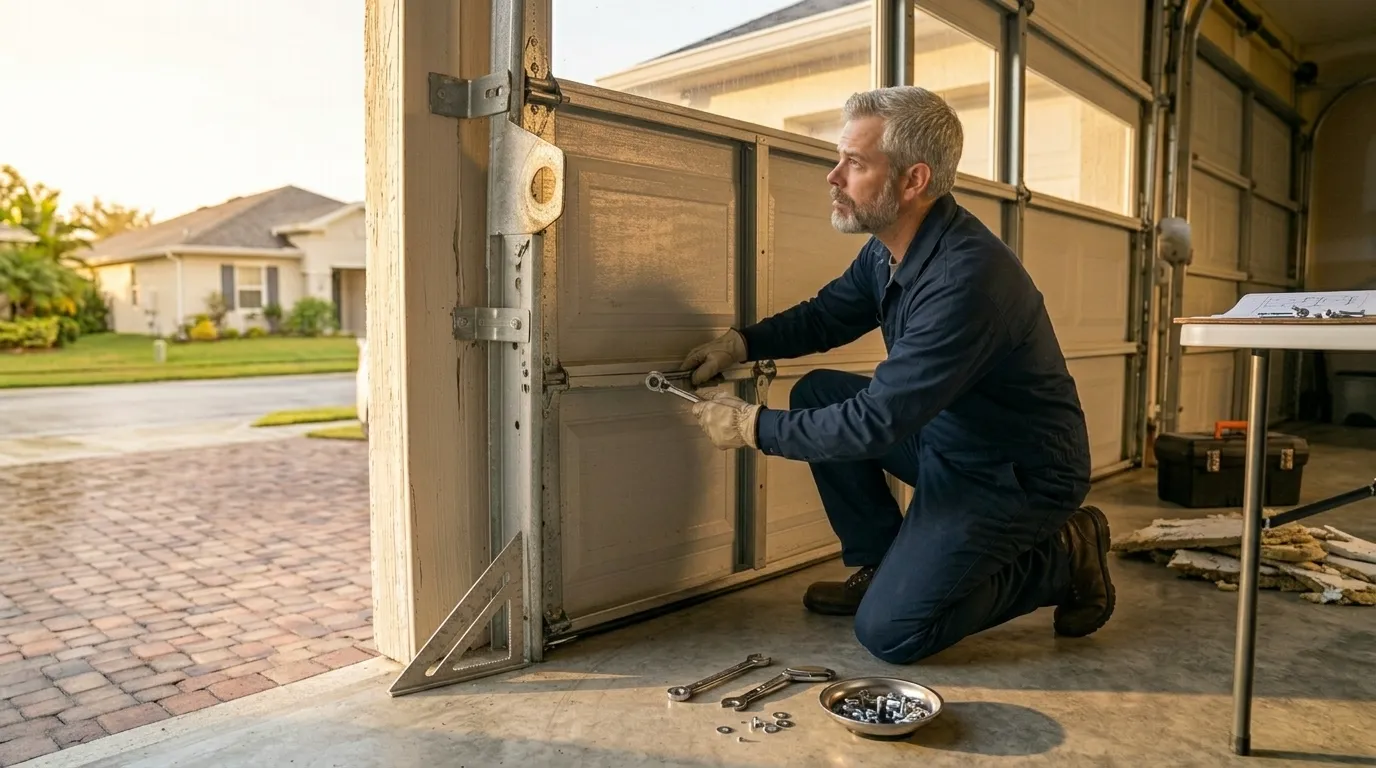
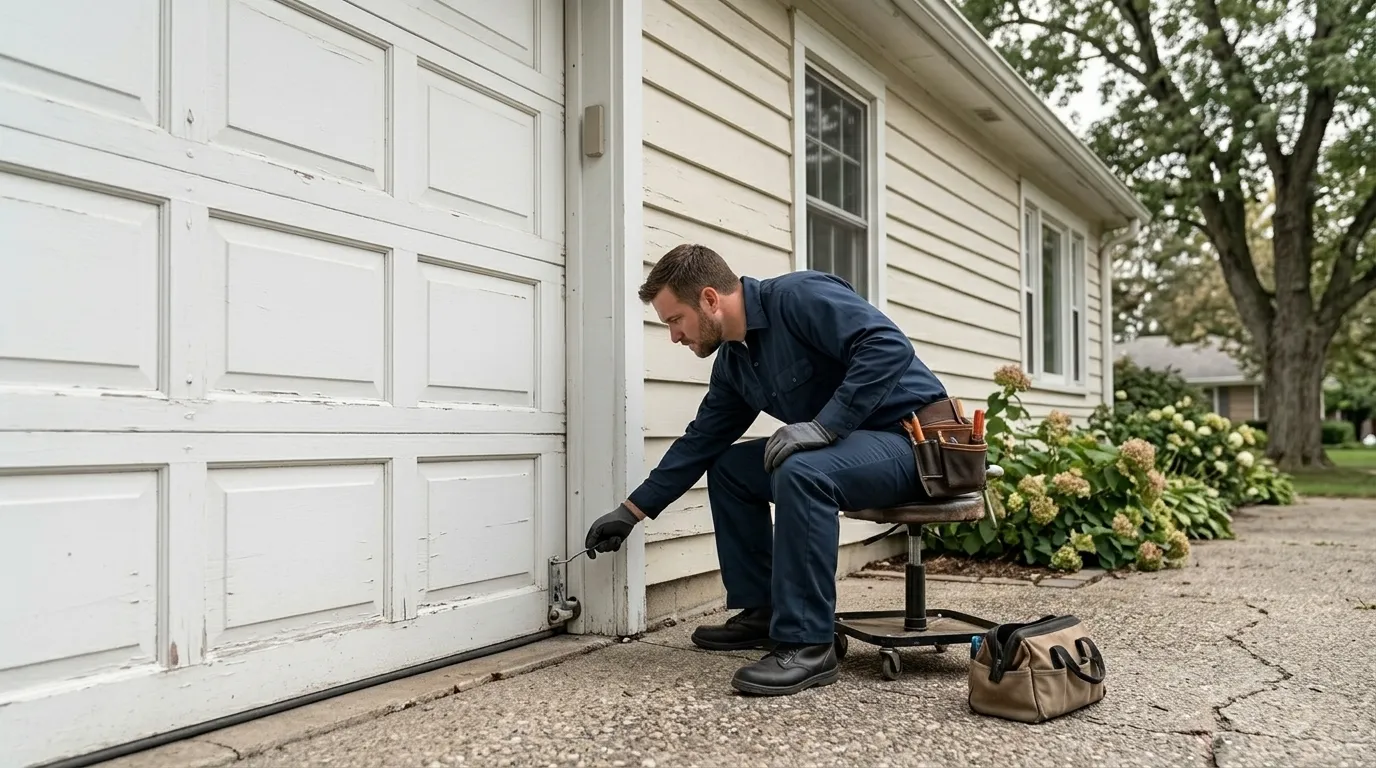
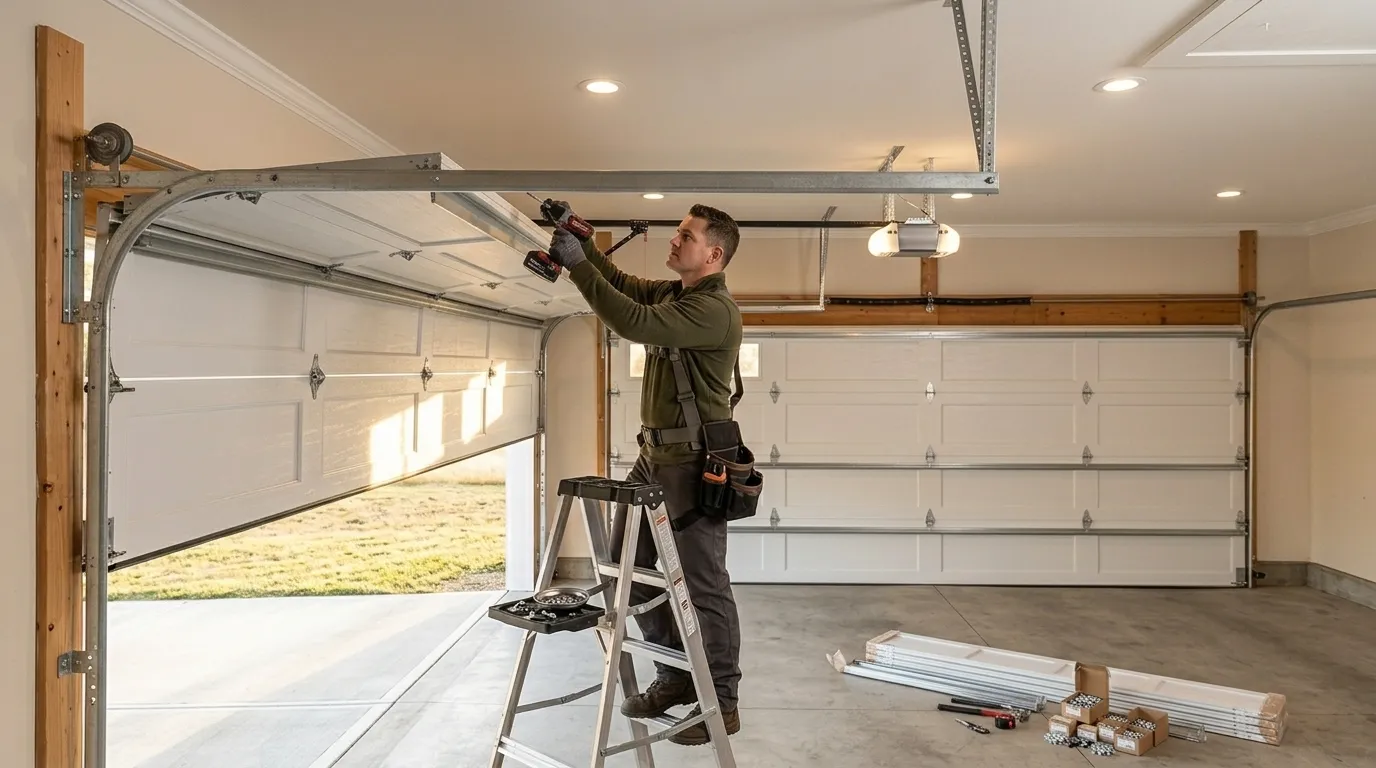
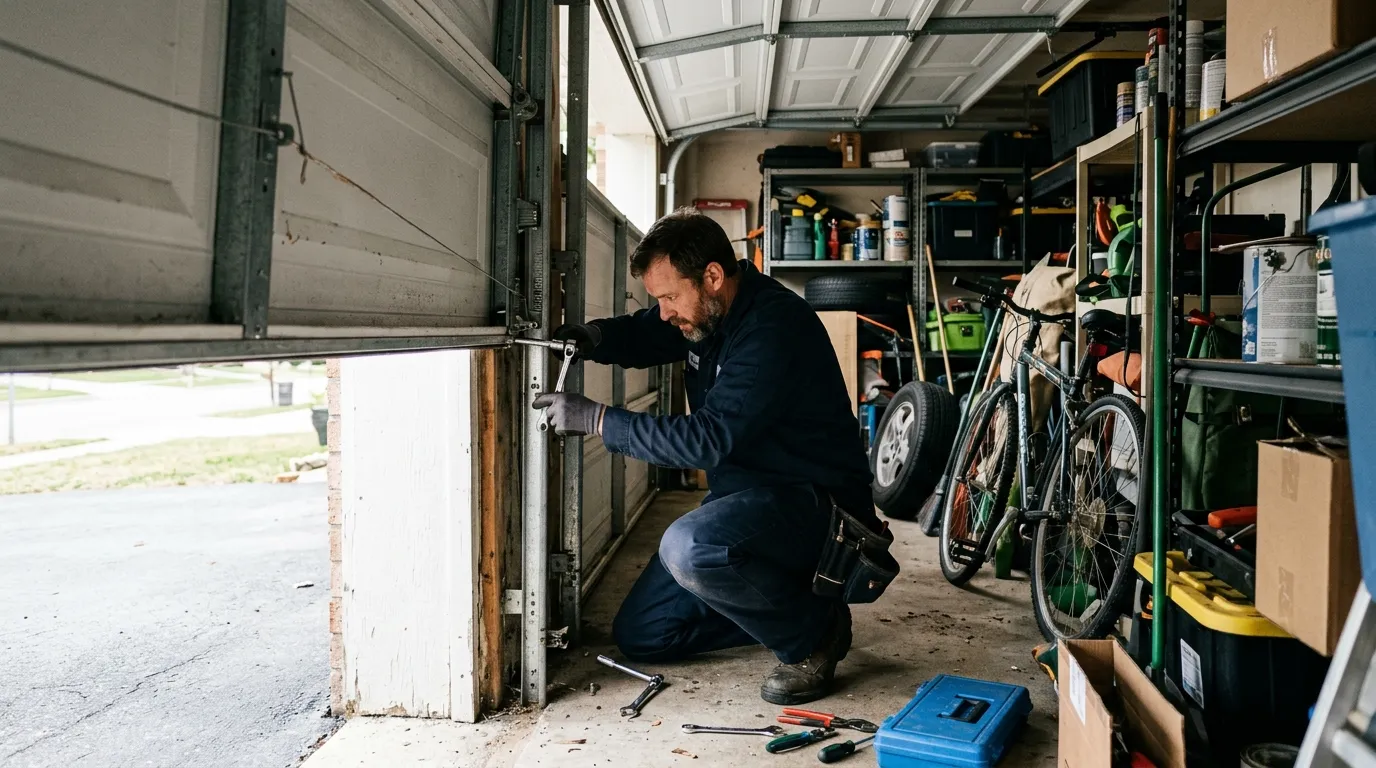
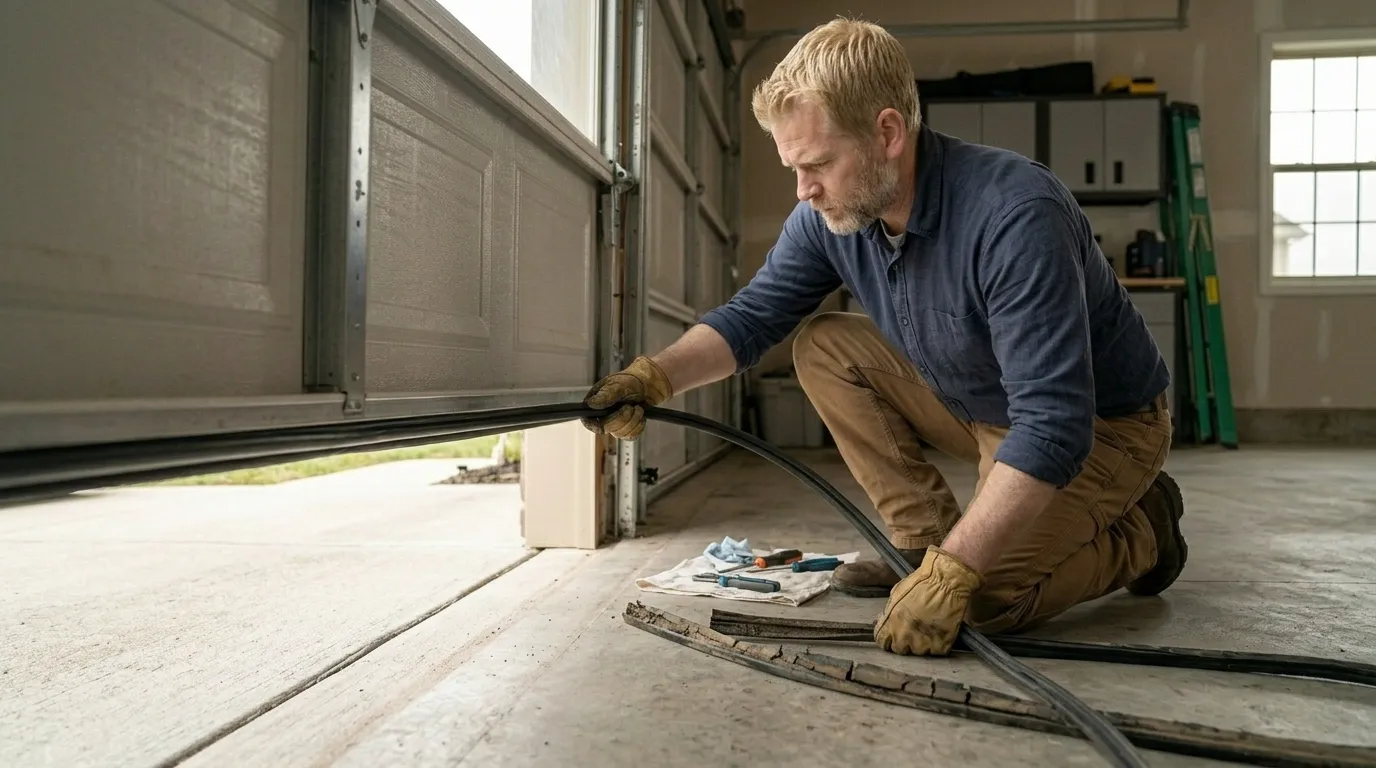
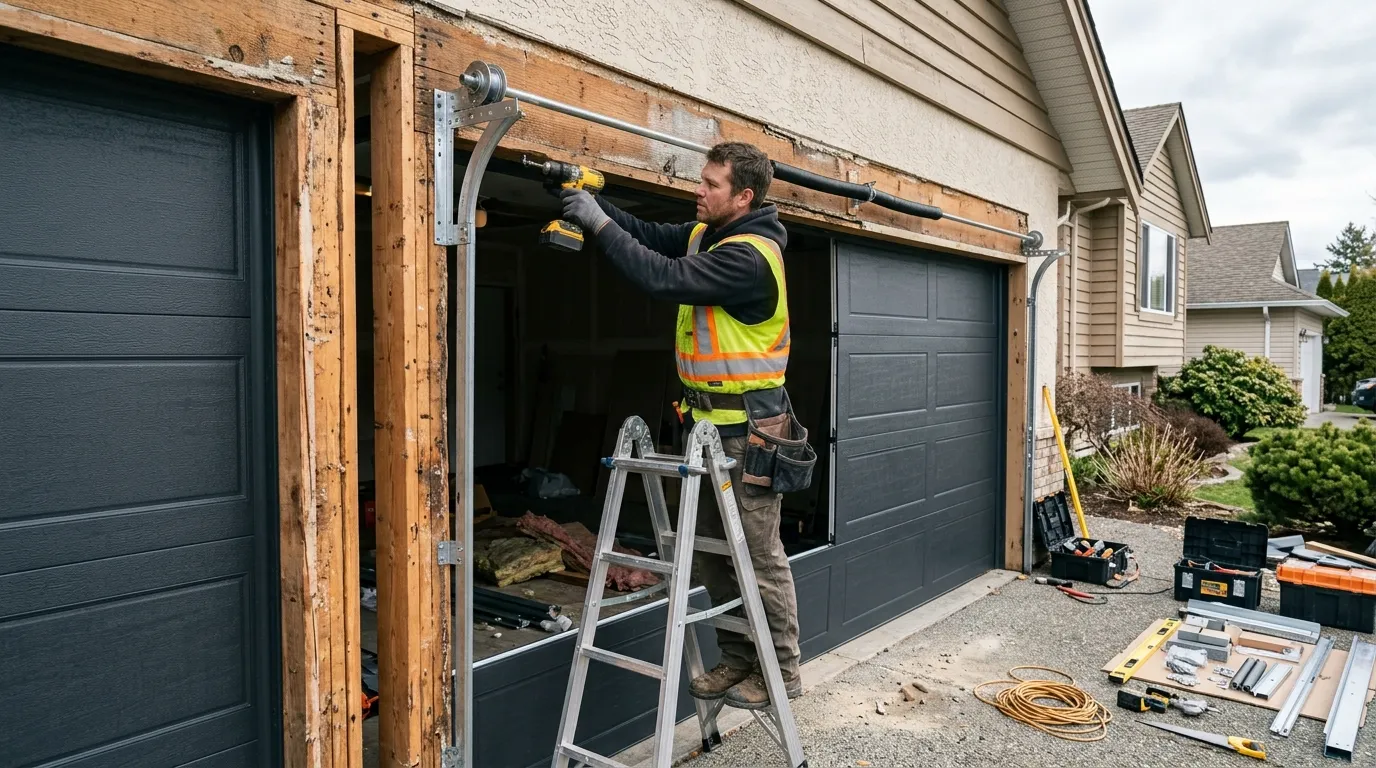
Laurel Canyon sits about 2 miles west of the center of Reynoldsburg, inside a service area where most housing went up between 1938 and 2006, with the typical build year landing around 1977. That puts a lot of the doors on these streets right in the middle of the 1960s-70s wave that shaped most of the 30 named areas we cover. If your house is from that stretch, you're likely still running a torsion spring setup that was standard for the era - two-inch shaft, older-style end bearing plates, and in some cases a single spring where a double door really wants two. We see this pattern often enough in this part of Reynoldsburg that it's not a guess, it's what the build years tell you. Openers get swapped out more than doors do, so don't be surprised if the door itself is original but the opener is a decade newer. The one thing we won't do is force a modern opener onto rail hardware that's too worn to hold it straight - if the track and hinges are shot, replacing just the opener is a short-term fix that costs you a second call.
Straight Answers
Winters here fall in the severe end of the cold climate band, and that matters more for garage doors than people expect. Steel panels contract in hard cold, and a spring that was already tired from 40-plus years of cycles is the one that snaps on the coldest morning of the year, not the mildest. Given the median build year of 1977 for houses in this service area, a lot of Laurel Canyon garages are due for a spring changeout whether or not they've broken yet. On income - the service area median household income is $94,040, which is enough that we'll tell you straight when a repair isn't worth it. A door with a rusted-through bottom panel and a cracked track on a 1970s frame is usually cheaper to replace outright than to patch twice. We'd rather say that up front than sell you a Band-Aid.