When to Get Help
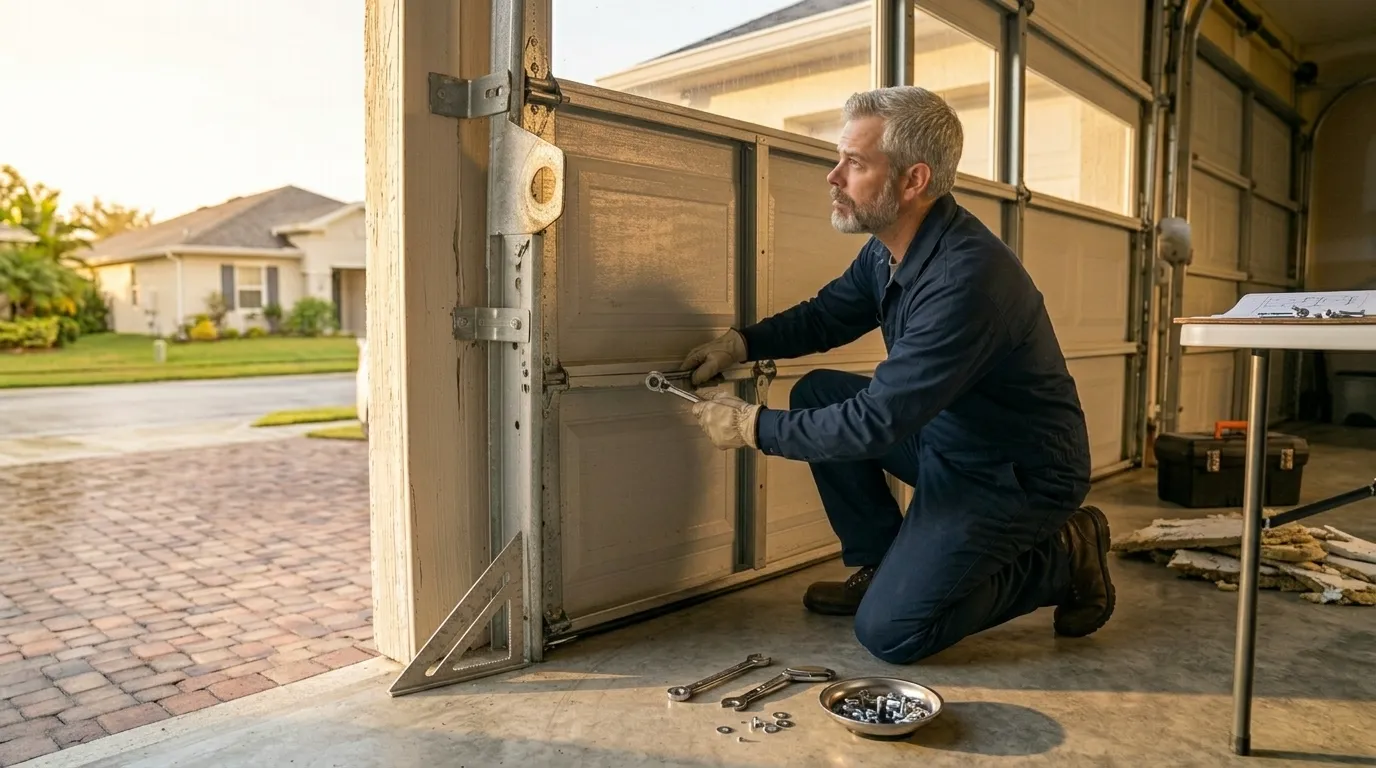
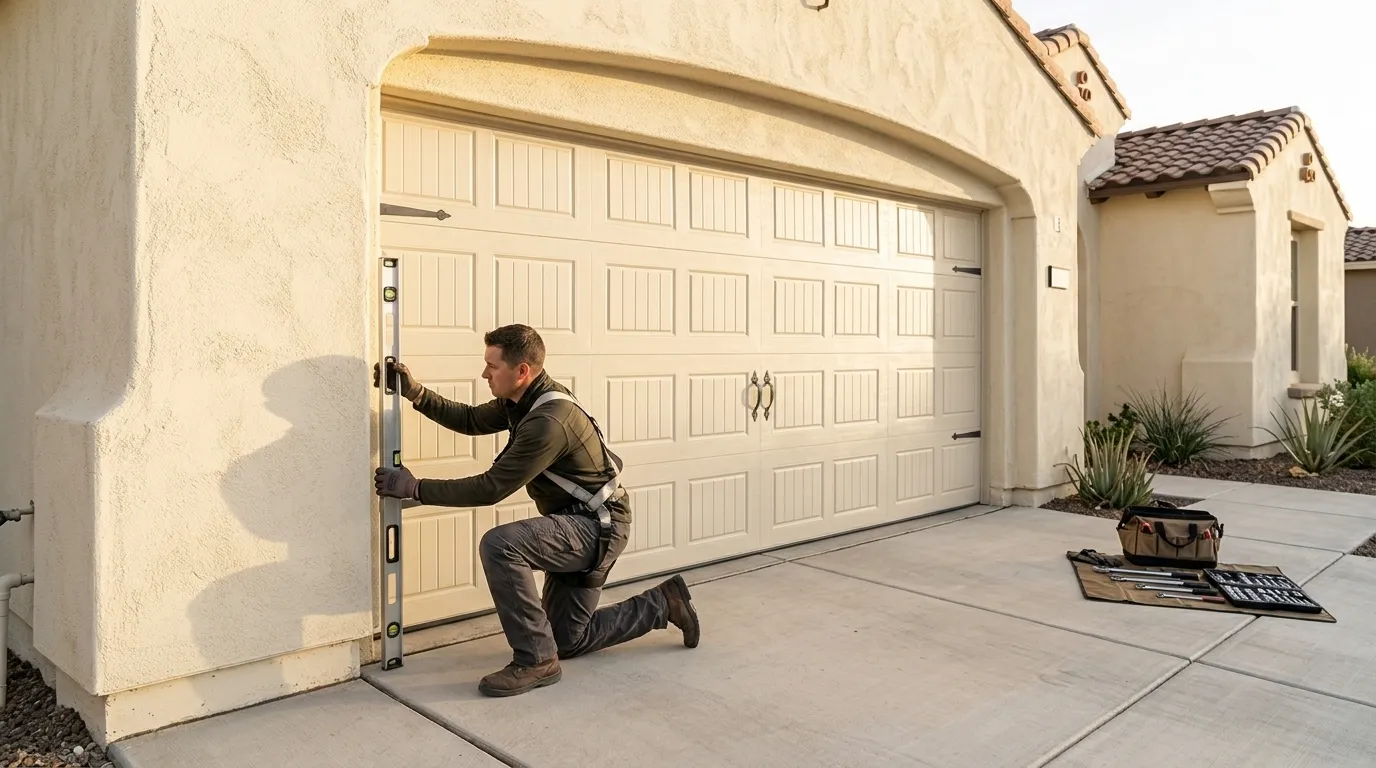
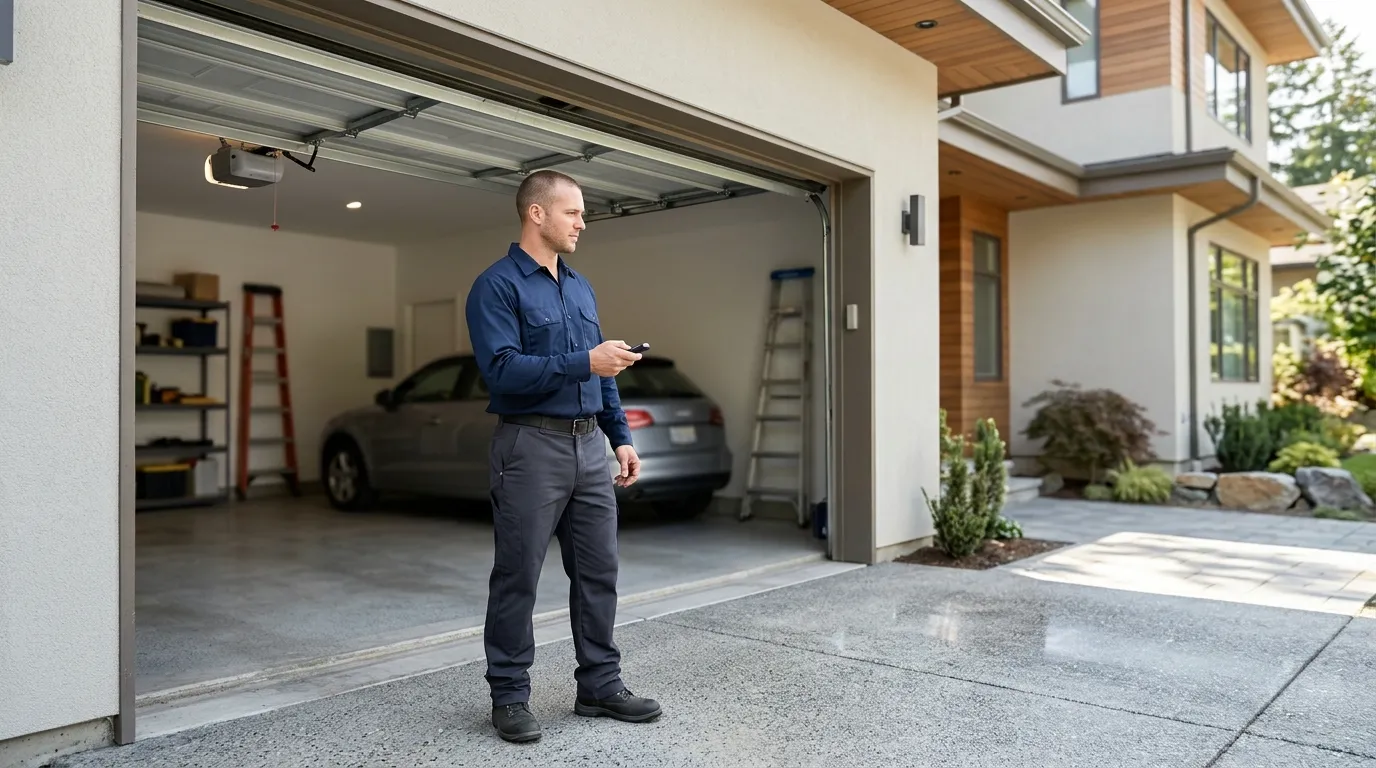
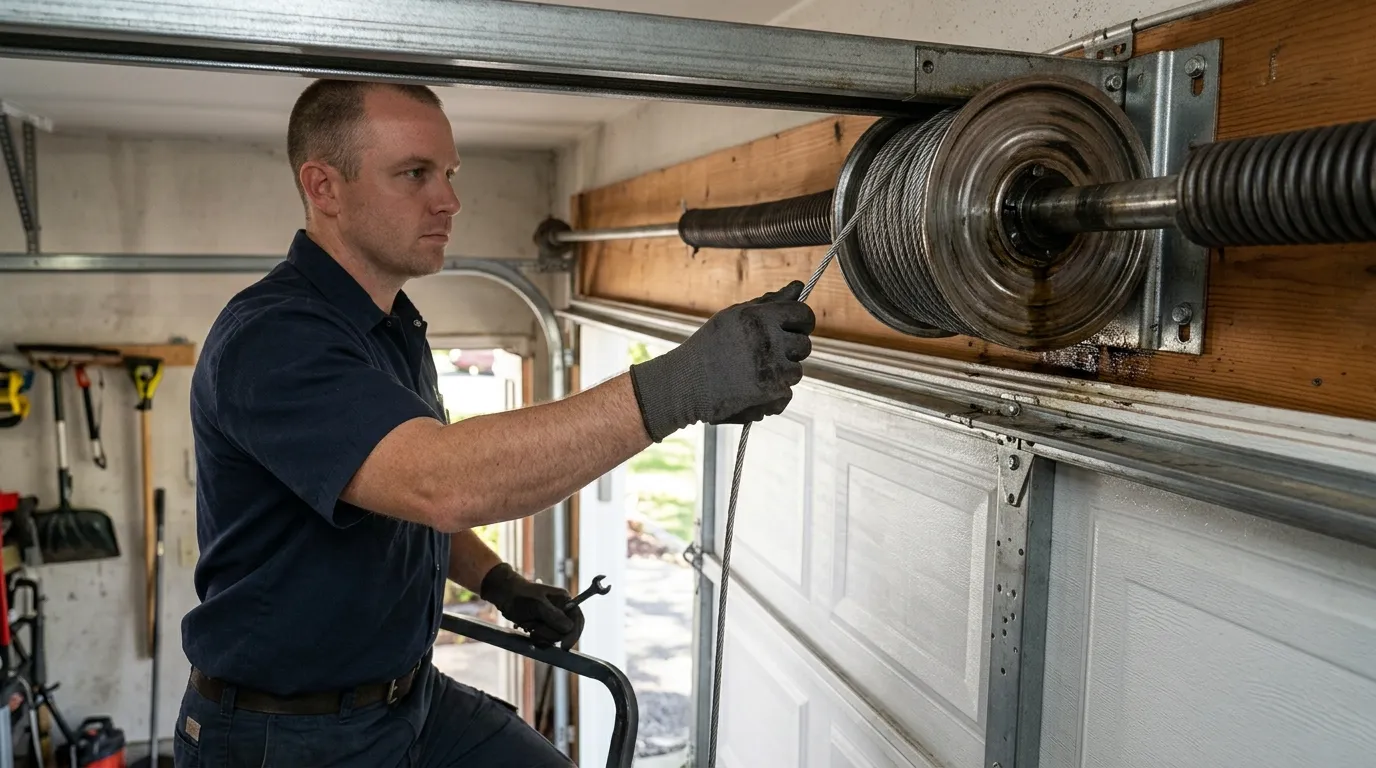
If your door is slow to close, sags on one side, or the opener strains and reverses partway through the cycle, that's worth a call before it strands you. Reynoldsburg's housing stock runs from 1938 up through 2006, with the median build year sitting at 1977 - which means a lot of doors on the road right now are pushing forty-plus years old with original hardware. A door that age isn't automatically a lost cause. Torsion springs, rollers, and even openers can usually be swapped without touching the door itself, as long as the panels and track are still square and the frame hasn't racked. Where it stops being worth fixing is when the door itself has bowed, delaminated, or rusted through at the bottom panel - repeat visits on a shell that's failing structurally just delay a replacement you're going to pay for anyway. If you're not sure which category you're in, get someone to look at the door in person before you spend money on parts for it.
The Situation
Across the neighborhoods here - from the older sections near East Columbus and East Broad out through Far East and Eastland - most of what's on the ground is 1960s and 70s construction, per the local housing data covering the 30 named areas around Reynoldsburg. That means single-layer steel doors, older extension or torsion spring setups sized for lighter panels, and openers that in a lot of cases have already been replaced once or twice since the house was built. The door itself, though, often outlasts multiple openers if it was never damaged - steel doors from that era were plain but not flimsy. Worth fixing usually means: the track is straight, the panels aren't dented past the point of sealing properly, and the springs are the right size for the door's weight. Worth replacing usually means the door is original from a build in the 1960s-70s range, has no insulation, and is starting to cost you more in energy loss and repeat spring failures than a new door would cost outright.
What Changes With the Season
The swing from summer humidity to hard winter cold is what ages garage door hardware here faster than the door panel itself. Track alignment that was fine in August can bind by January once the slab shifts slightly with frost and the cold stiffens the grease in the rollers. On houses built in the 1938-2006 range that make up most of Reynoldsburg's stock, that seasonal cycle has been repeating for decades, which is why springs on original hardware tend to fail in clusters during the first hard cold rather than gradually. If your door has never had the springs or rollers touched since the house was built, the honest move is to get it serviced before winter rather than after it fails - that's the cheaper visit. We don't recommend rebuilding a door that's already rusted or bowed at the bottom panel; past that point, the labor to keep patching it costs more over a year or two than replacing it once.