24/7 Emergency Service Open 7 days · 7am–8pm Serving Reynoldsburg, OH & nearby
(614) 392-8161
Reynoldsburg, OH

What Cold Weather Does to Garage Door Seals in Reynoldsburg

Reynoldsburg homes built 1938-2006 face cold-climate draughts through worn garage door seals. Learn when weather seal wear turns into a bigger repair job.

What Cold Weather Does to Garage Door Seals in Reynoldsburg

When to Get Help

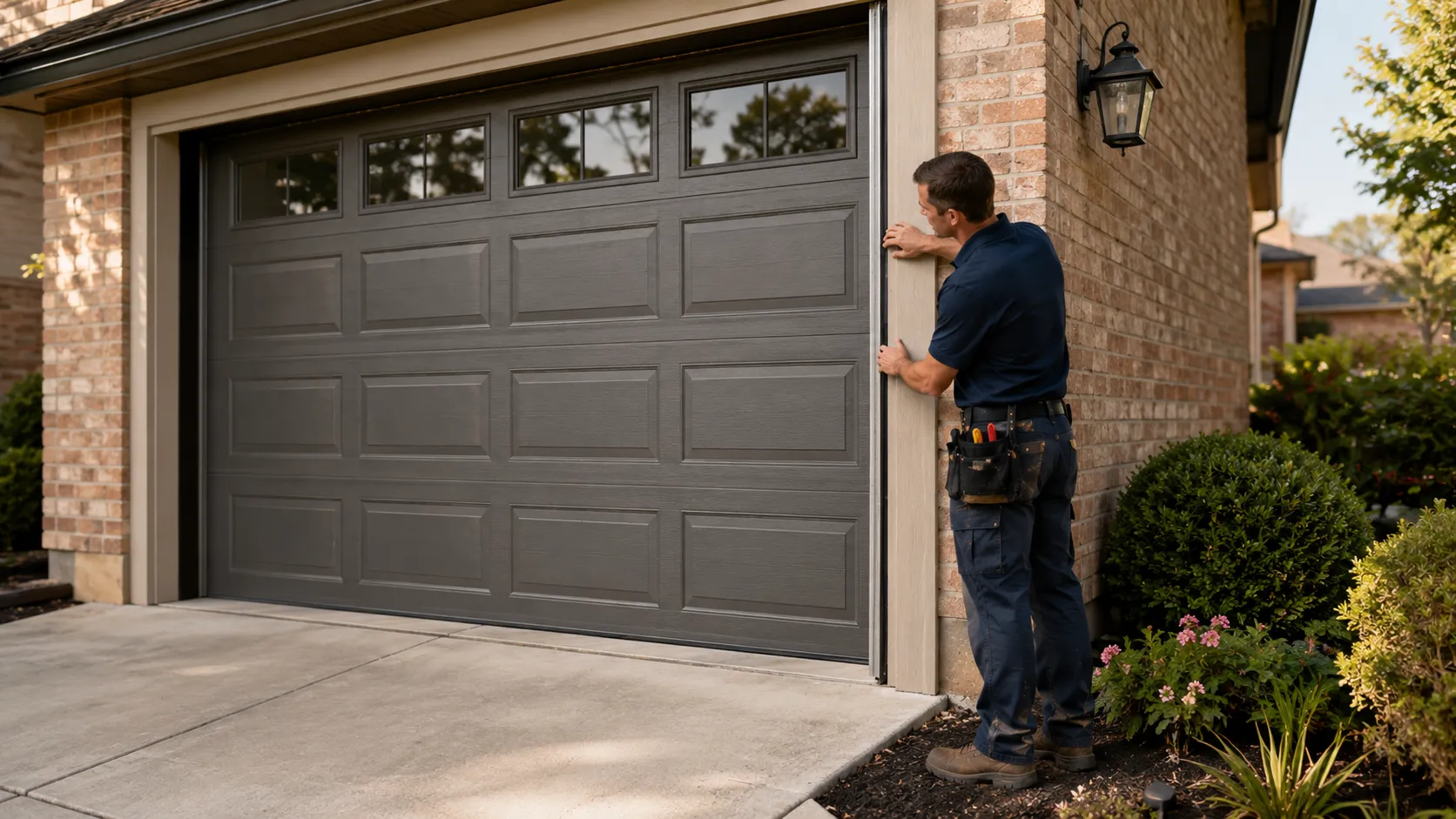
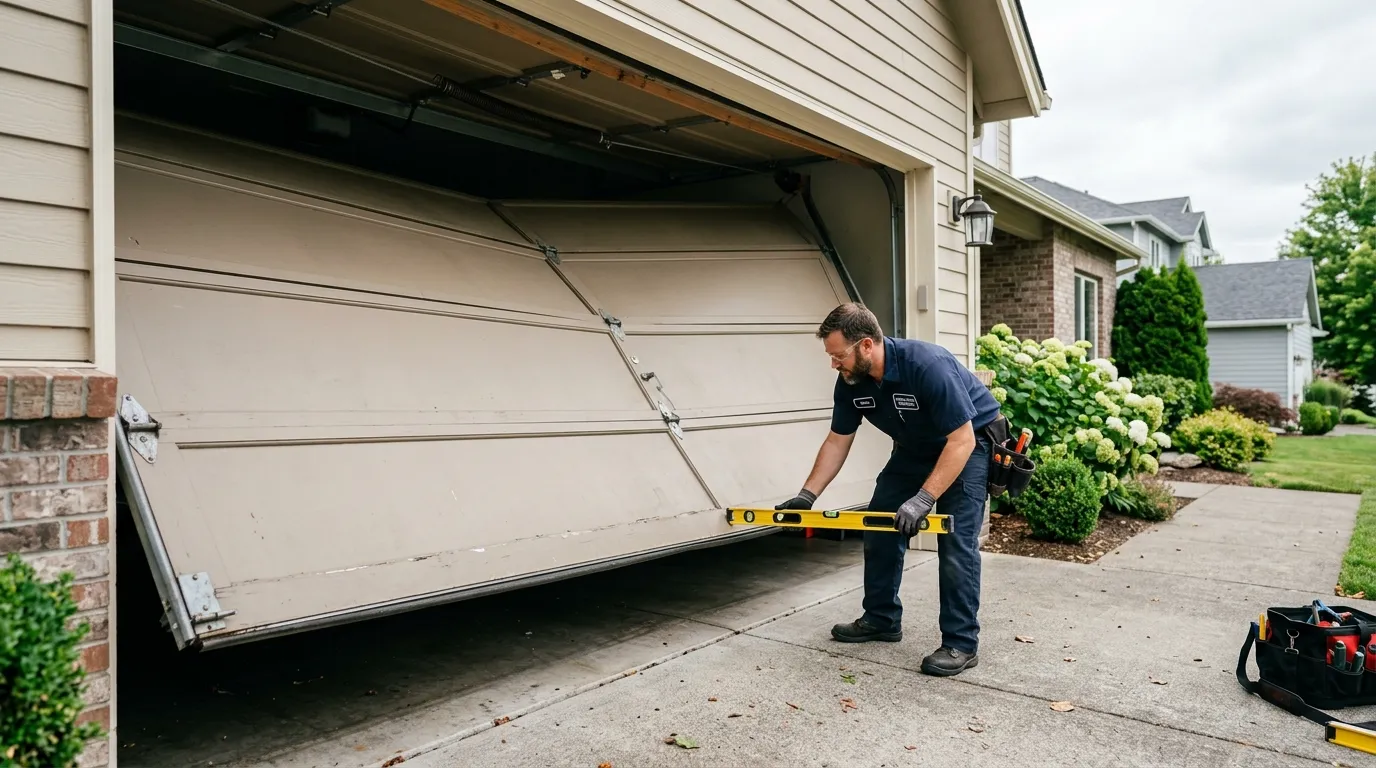
If you're standing in the garage and you can see daylight under the door, or feel a steady draught along the bottom edge, that's not a cosmetic problem - it's a seal that's already failed. Most houses on this side of town went up between 1938 and 2006, with the median around 1977, which means the original steel jamb seals and vinyl-bulb weatherstripping most owners have are decades past their expected life. Call for a look if you notice ice forming on the inside of the door panel, if the bottom seal has flattened or cracked into segments, or if the opener strains harder in January than it did in October. A seal job is cheap compared to what happens when moisture gets behind drywall or into stored boxes for a whole winter. One honest limit here: if the track or the panel itself has warped from years of that draught pulling cold air across it, a new seal won't fix that - at that point you're looking at panel or door replacement, not a $40 strip of rubber. We'll tell you which one you actually need before we quote anything.

The Situation

Reynoldsburg's housing stock isn't uniform, but it clusters hard around one era. Across the roughly 30 named areas in this service territory - places like Elmbrook Village, Laurel Canyon, East Broad, Summit Station, and Greenbriar Farm - most garages went up during the 1960s and 70s building wave, with the overall span running 1938 to 2006. That matters for seals specifically: a door built in 1968 was fitted with a jamb seal profile that manufacturers stopped stocking replacement parts for years ago, so a lot of owners end up with a seal that technically fits but was never designed for the door track it's sitting in. Newer builds nearer 2000 or later usually have PVC-bulb seals that hold up better, but they're the minority here. When we're out on a call in one of the older pockets, the seal style tells us almost exactly what decade the garage was built before we even ask. That consistency is useful - it means the fix is usually predictable, not a guessing game.

What the Weather Here Does to It

Reynoldsburg sits in a cold climate band the federal data marks as severe, and that's the whole reason weather seals and draughts are a bigger deal here than in a mild-winter town. The freeze-thaw cycle that runs through a Reynoldsburg winter - cold snap, brief thaw, refreeze - is exactly what splits vinyl bulb seals and pulls the corner staples out of the wood jamb strip. Once that seal has a gap, cold air pours across the floor of the garage, which is the draught you feel standing at the workbench. It also does something less obvious: torsion springs contract in cold air and bind slightly on the shaft, so a garage that's already losing its seal is also asking the opener to fight a stiffer spring on the coldest mornings. That combination is why late-winter service calls here run heavier on 'the door feels heavy and there's a gap at the bottom' than on any single dramatic failure.

What Changes With the Season

Through spring and summer, the seals on an older Reynoldsburg garage door are doing less obvious work - you might not notice a small gap until the first real cold front. That's the window to check them: a five-minute look at the bottom astragal and both side jambs before the temperature drops is worth more than any repair after the fact. Once the severe cold season sets in, expect stiffer spring tension, slower opener response, and any existing seal gap to widen as the vinyl hardens and shrinks. Owners in the older 1960s-70s pockets should plan on replacing bottom seals roughly on a cycle rather than waiting for a visible crack, since the material fails from the inside out in this kind of freeze-thaw pattern. We don't push seal replacement as a yearly service - most seals here run several winters before they need it - but once you've felt one cold draught along the floor, it won't fix itself with warmer weather in April.
How it works

From “it’s stuck” to “it’s fixed”

Tell us what’s wrong - Reynoldsburg garage door service

Tell us what’s wrong

Describe the symptom - won’t open, loud bang, opener runs but the door won’t move.

On-site diagnosis - Reynoldsburg garage door service

On-site diagnosis

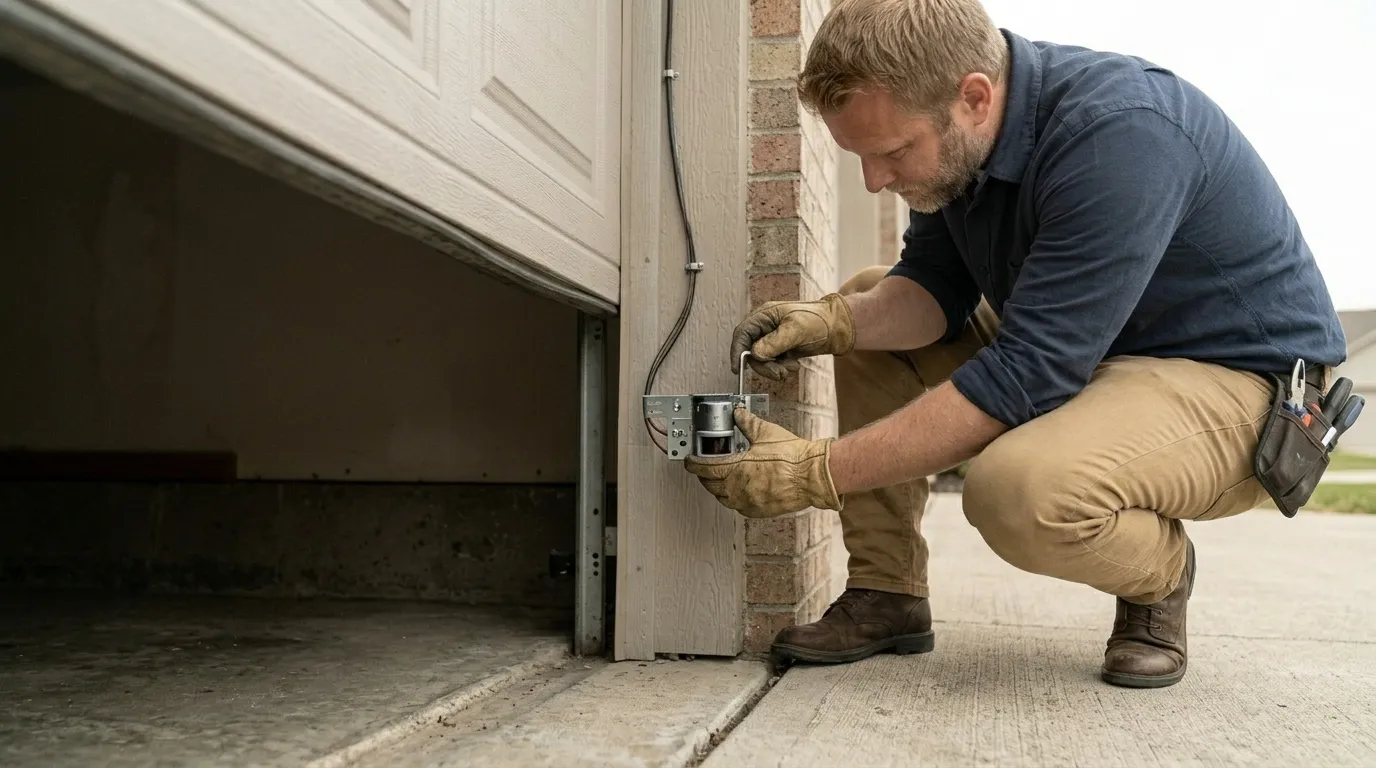
A technician tests the door under power and by hand and finds what actually failed.

Clear, up-front plan - Reynoldsburg garage door service

Clear, up-front plan

You get the fix that’s needed and what drives the cost - before any work starts.

Repaired & tested - Reynoldsburg garage door service

Repaired & tested

The repair is done, the door is set true and tested, and the work area left clean.

Serving Reynoldsburg, OH - tell us what your door’s doing and we’ll take it from there.

How we work

What to expect

Diagnosis firstEvery visit starts by finding what actually failed - not a pre-written parts list.
The right part for the doorSprings and openers matched to the door’s weight and age, so the fix holds up.
Straight answersWhen a repair makes more sense than a replacement - or the reverse - you hear it plainly.
Clean, careful workTension released safely, hardware set true, the door tested under power before we leave.
Questions

Frequently asked

Straight answers about garage door repair in Reynoldsburg. Still unsure? Ask us directly.

How do I know if it's the seal or the door itself letting in cold air?

Run your hand along the bottom edge and both side jambs while the door is closed. A worn seal gives a thin, even draught along the whole edge. If the cold air is coming from one corner or a warped section of panel, that's a structural issue, not a seal, and needs a different fix.

Why do garage seals fail faster in Reynoldsburg than somewhere warmer?

This area sits in a climate band rated severe for cold, and the repeated freeze-thaw swings through winter crack and shrink vinyl bulb seals faster than a steady-cold or mild climate would. Older seal material, common on the 1960s-70s housing stock here, has less flex left to survive that cycling.

My door is from the 1970s - can I still get a matching seal?

Usually yes for the bottom astragal, since that's a universal track width in most cases. Original side-jamb seal profiles from that era are less standard, so we sometimes need to adapt a current seal to the old jamb strip rather than find an exact match.

Ready to get your garage door sorted?

Tell us what it’s doing and where you are in Reynoldsburg - we’ll take it from there.

Request a QuoteCall