24/7 Emergency Service Open 7 days · 7am–8pm Serving Reynoldsburg, OH & nearby
(614) 392-8161
Reynoldsburg, OH

What That Noise Is Actually Telling You

What squeals, bangs, and grinds actually mean on Reynoldsburg's older doors - tied to this area's 1960s-70s housing stock and cold winters.

What That Noise Is Actually Telling You

When to Get Help

Not every sound is a problem. A little roller chatter on a dry morning is normal wear talking. What isn't normal: a hard bang when the door reaches the top, a grinding that changes pitch as the door moves, or a loud pop followed by the door refusing to open at all. That pop is almost always a torsion spring letting go, and on the housing stock common here - a lot of it dating to the 1960s and 70s, per the median build year of 1977 - that spring has usually been carrying the same tension for decades with no service in between.

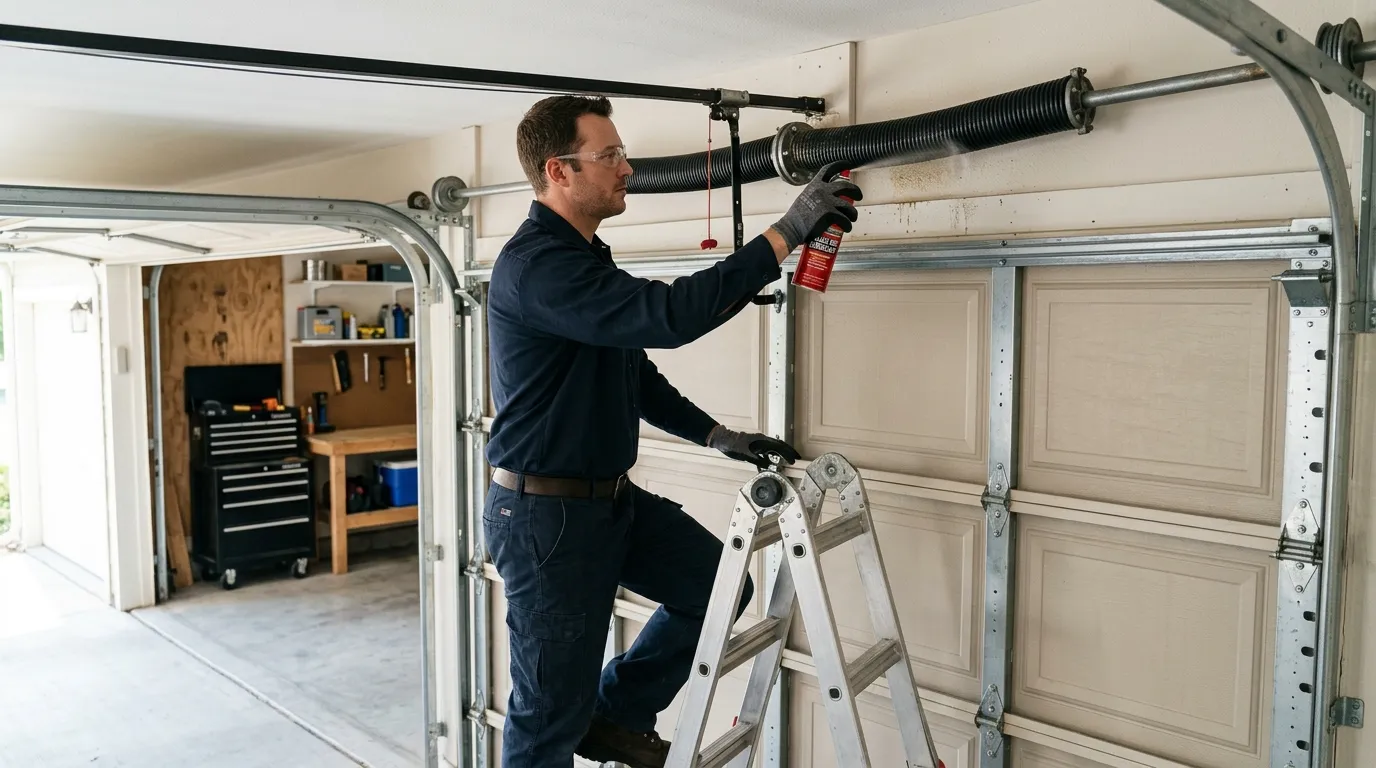
If the noise comes with the door dropping unevenly, or one side dragging, stop using it. That's a cable or a bent track, and running the opener against either one turns a $200 job into a $600 one. If it's just a squeak at the rollers and the door still opens level, that's a lubrication job, not an emergency. We won't tell you to book a truck for something a can of the right lubricant fixes - we'd rather you save the call for the noise that's actually telling you something is about to fail.

The Situation

Reynoldsburg's housing runs from 1938 up through 2006, but the bulk of it - the ranches and split-levels that fill out this side of Columbus and the nearby areas like Blacklick Estates, Whitehall, and Gahanna - went up in that 1960s-70s wave, with the median landing at 1977. That matters for noise because a lot of these garages still have the original torsion hardware, or a replacement door hung on the original track and jamb from that era.

Hardware from a 1970s build wasn't engineered with today's heavier insulated steel panels in mind. When a homeowner upgrades the door but keeps the old track and springs - a common and reasonable cost-saving move - the mismatch shows up as noise: the spring straining to lift more weight than it was wound for, or the track flexing where it used to just guide a lighter panel. If your door is loud and your house is from that build era, the hardware age is usually the first thing worth checking, not the opener.

What the Weather Here Does to It

This area sits in a cold climate band with severe winter swings, and steel doesn't shrug that off quietly. Cold tightens steel tracks and stiffens the grease packed into rollers and bearings, so the same door that ran smooth in October starts groaning in January - not because anything broke, but because everything got a little tighter and a little slower.

Torsion springs lose measurable tension as temperatures drop, which is why a door that closed level in fall can start dropping crooked in a cold snap, with a grinding scrape on one side as it fights an uneven pull. If your garage isn't heated - and most aren't - the spring and the slab both move independently as the ground and the steel react to cold at different rates. That's the source of a lot of the banging and popping we hear about starting in December: it's not a new problem, it's an old one getting louder under stress it wasn't built to handle.

What Changes With the Season

The freeze-thaw cycle here doesn't hit once - it repeats all winter, and each cycle works on the same joints and fasteners. A track bracket that's slightly loose in October gets worked looser by February, and the noise usually shows up as a rattle that gets worse over a few cold weeks before it becomes a real failure.

Spring brings the opposite problem: everything that contracted in the cold expands again, and a door that was quiet all winter can suddenly develop a new squeal as parts settle back to their warm-weather clearances. This is the best window to actually listen - a spring noise that wasn't there in January usually means something shifted or wore down over the cold months, not that it's brand new.

We don't recommend chasing every seasonal squeak with a service call. Most of it is normal expansion and contraction on hardware built for a milder era than the winters it's now running through. Save the call for noise that's getting worse week over week, not noise that shows up once and goes away.
How it works

From “it’s stuck” to “it’s fixed”

Tell us what’s wrong - Reynoldsburg garage door service

Tell us what’s wrong

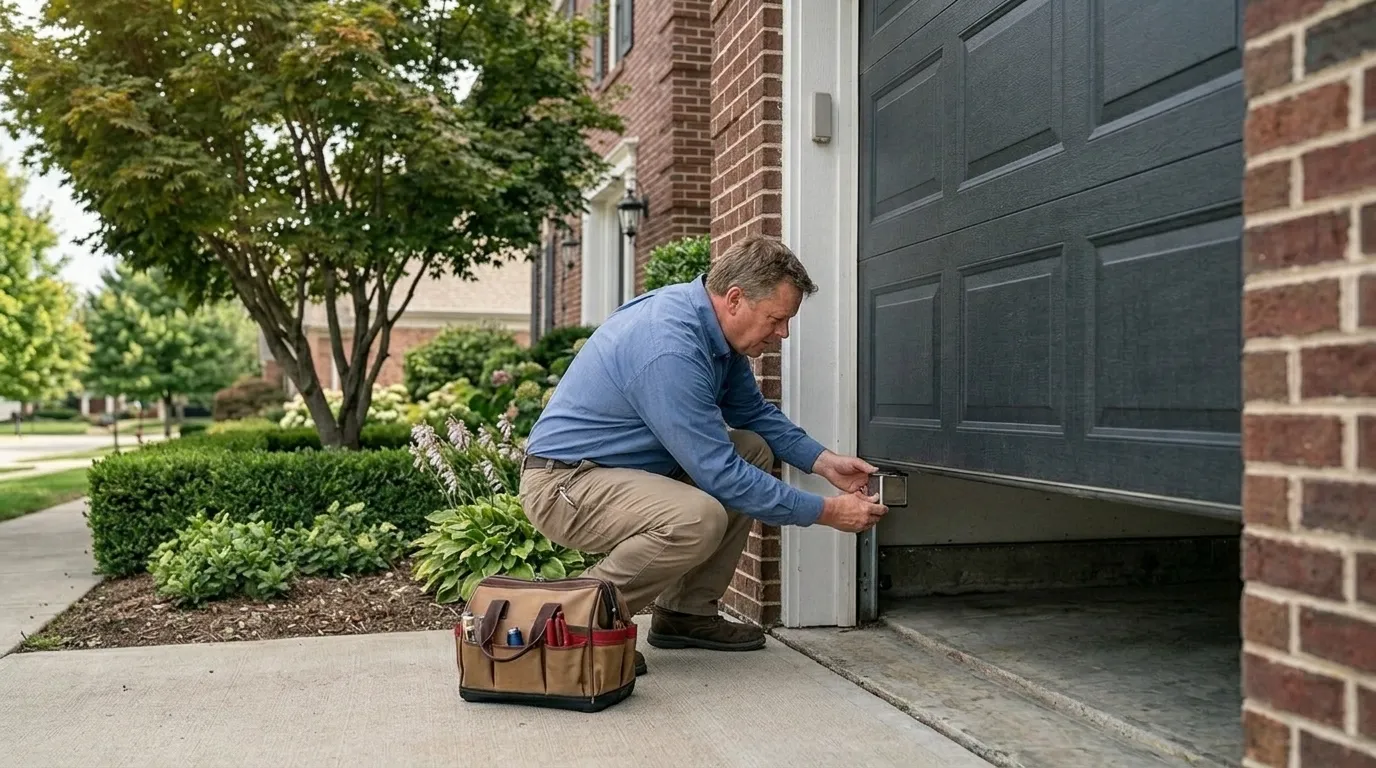
Describe the symptom - won’t open, loud bang, opener runs but the door won’t move.

On-site diagnosis - Reynoldsburg garage door service

On-site diagnosis

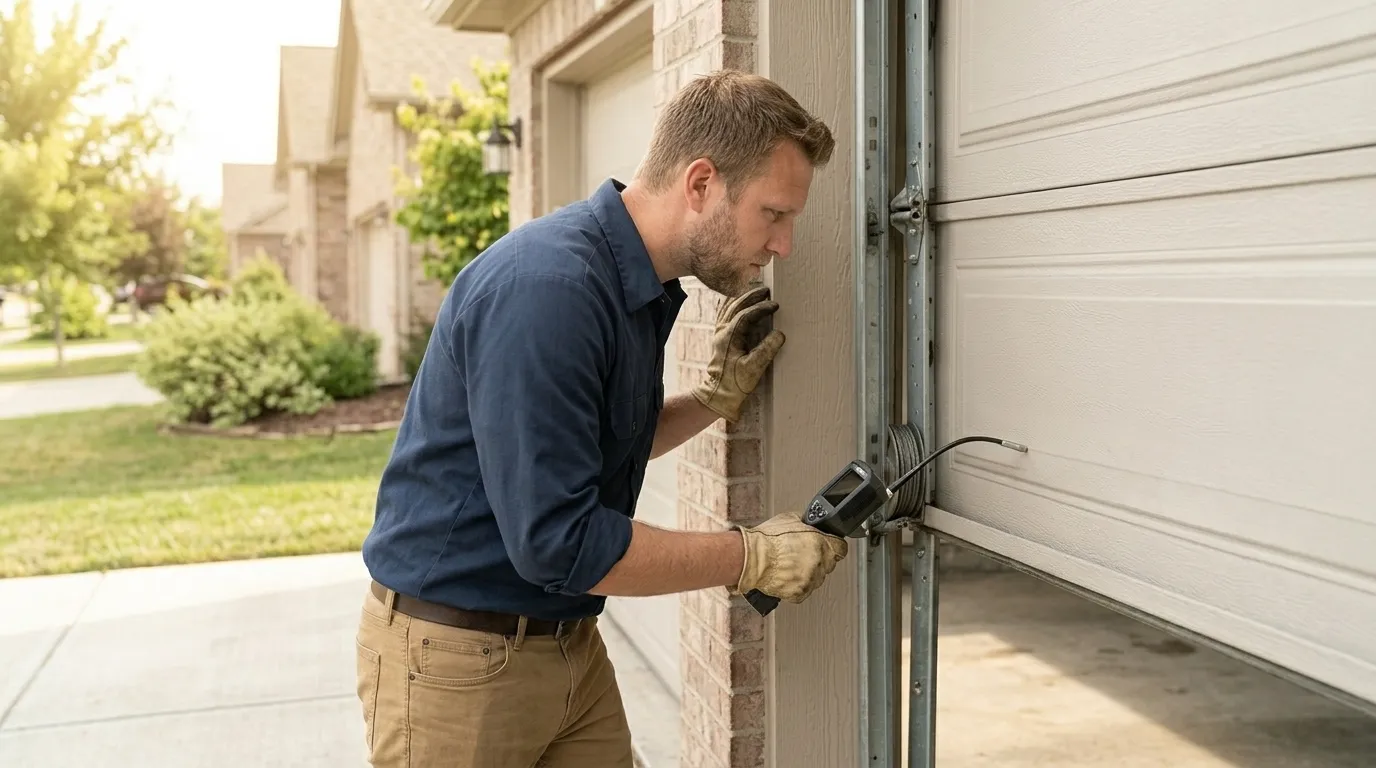
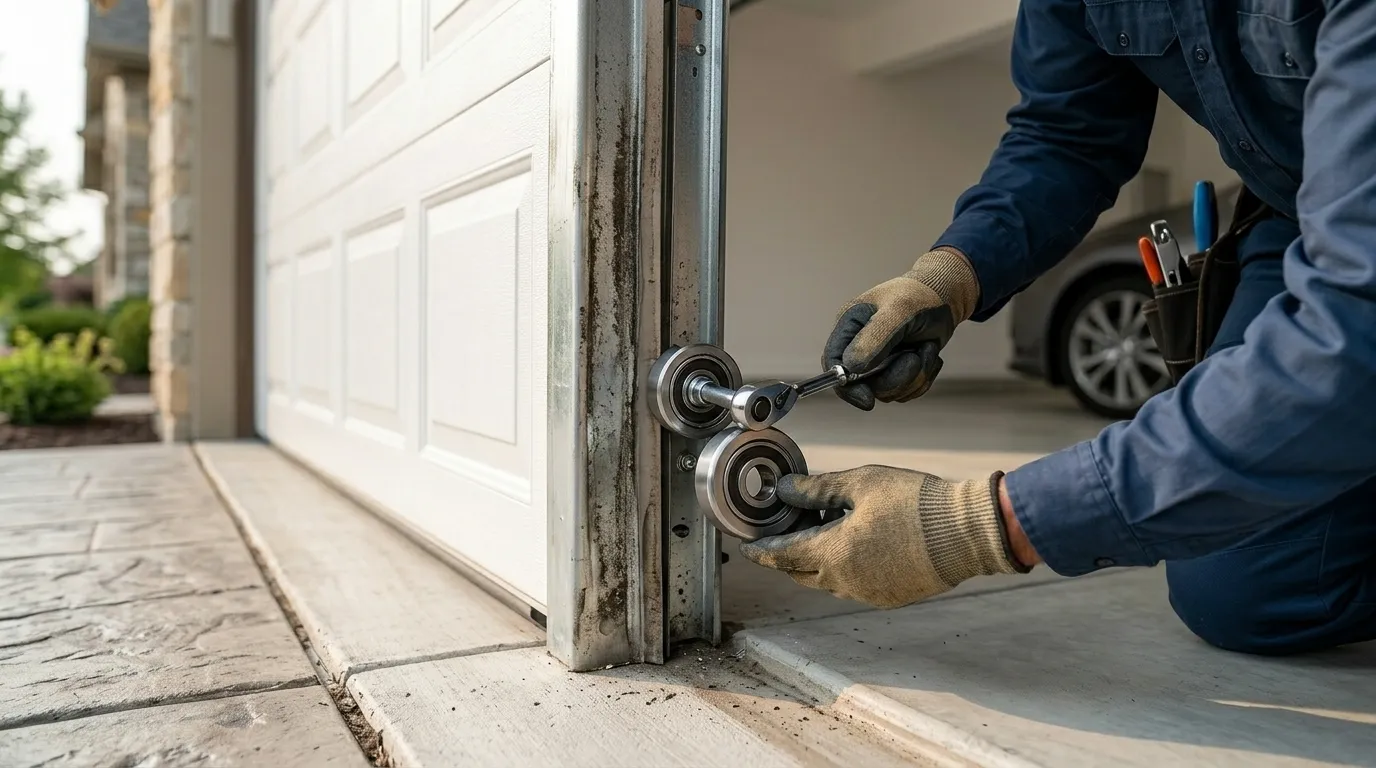
A technician tests the door under power and by hand and finds what actually failed.

Clear, up-front plan - Reynoldsburg garage door service

Clear, up-front plan

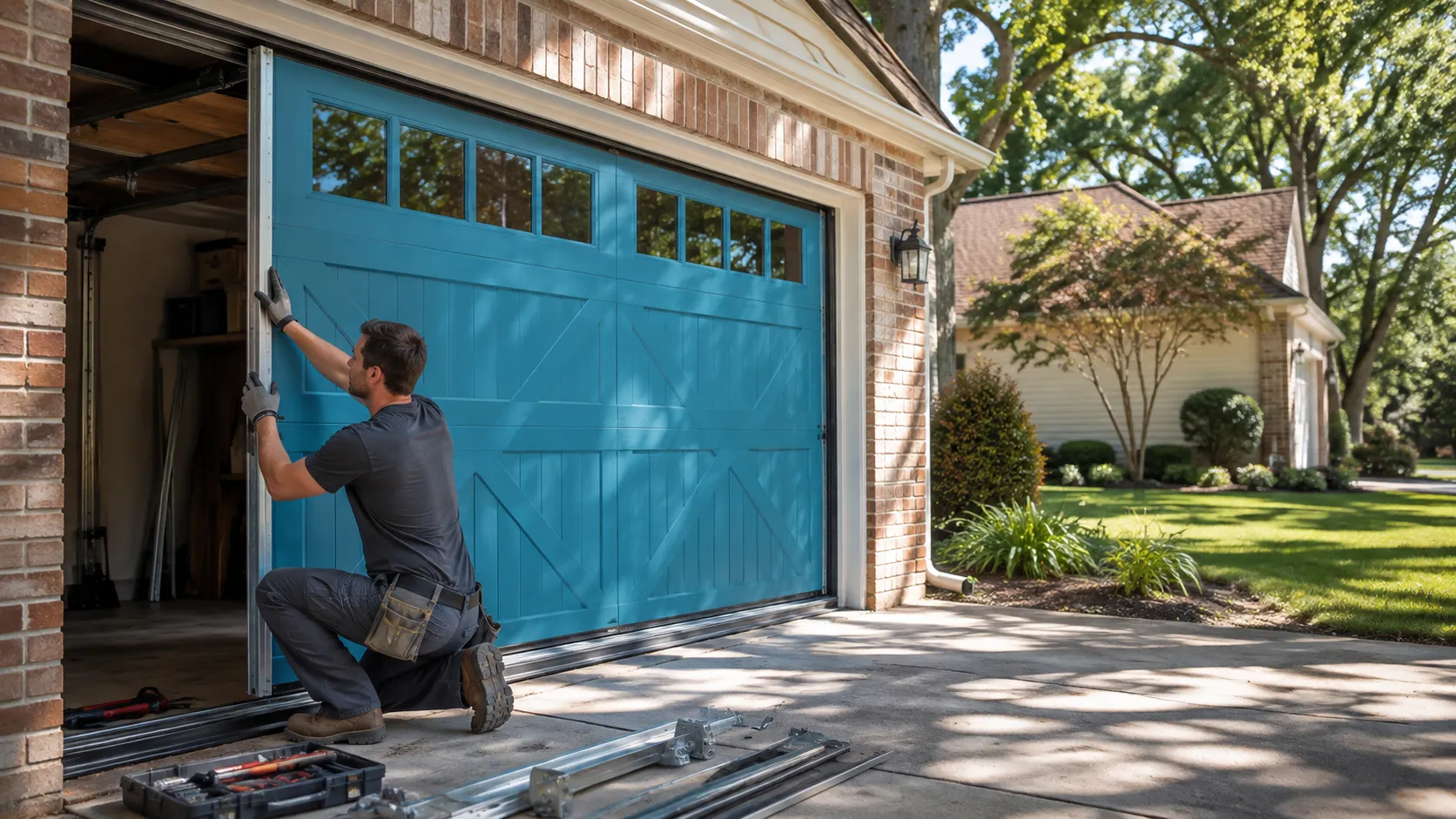
You get the fix that’s needed and what drives the cost - before any work starts.

Repaired & tested - Reynoldsburg garage door service

Repaired & tested

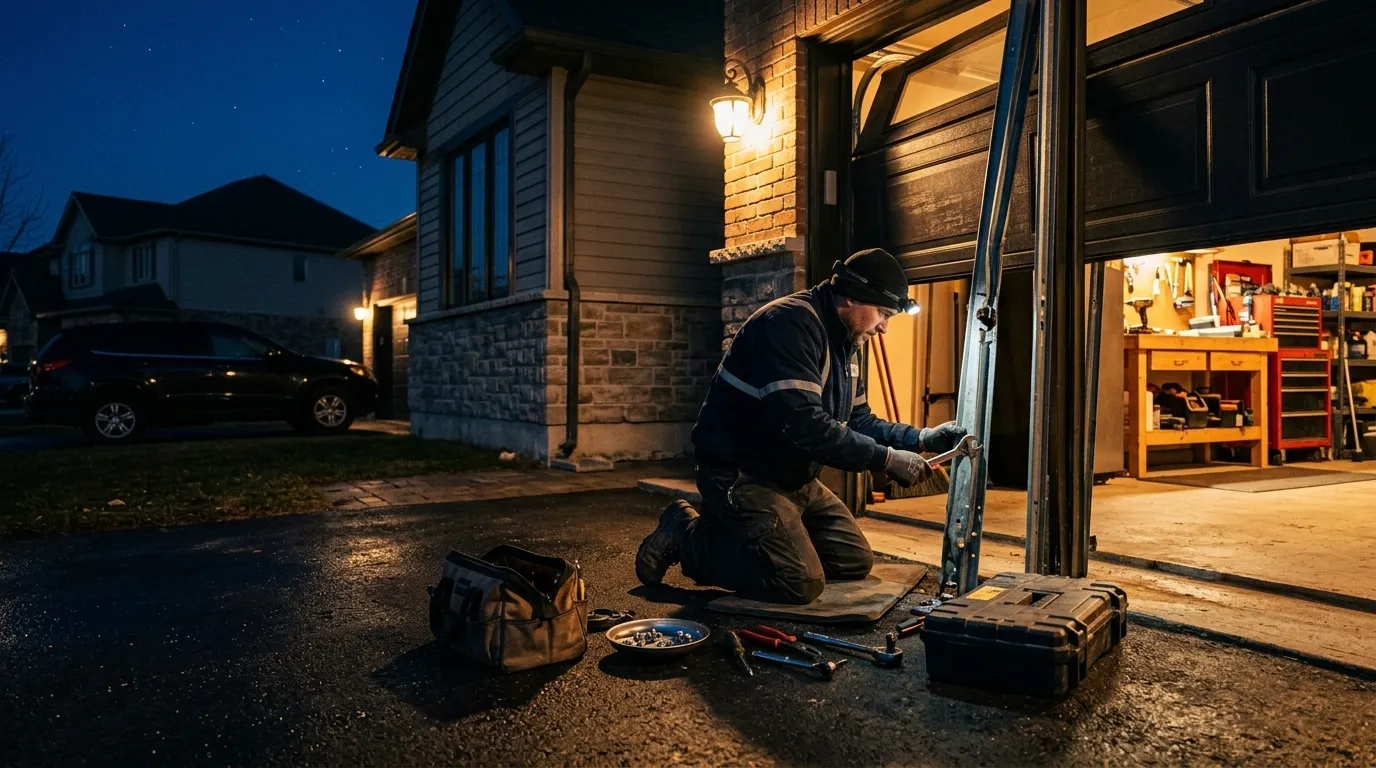
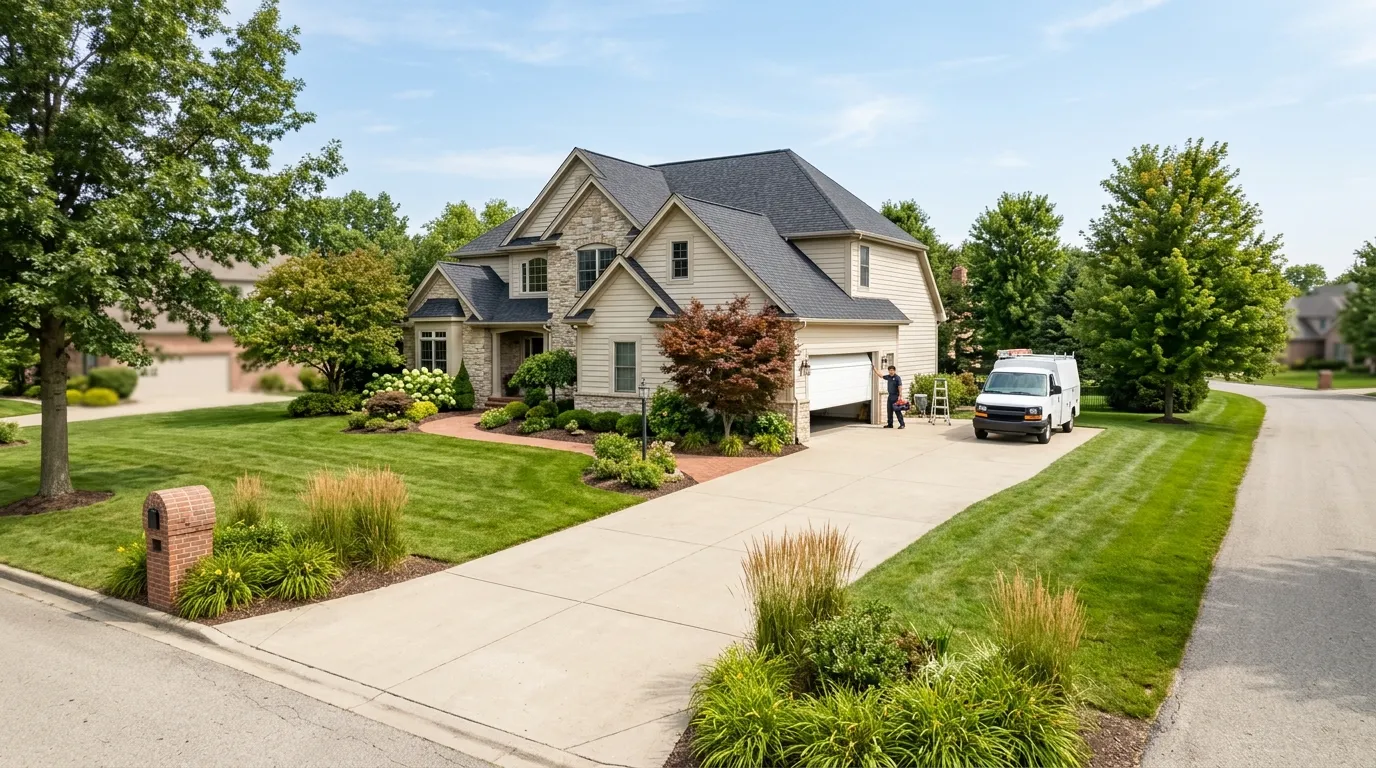
The repair is done, the door is set true and tested, and the work area left clean.

Serving Reynoldsburg, OH - tell us what your door’s doing and we’ll take it from there.

How we work

What to expect

Diagnosis firstEvery visit starts by finding what actually failed - not a pre-written parts list.
The right part for the doorSprings and openers matched to the door’s weight and age, so the fix holds up.
Straight answersWhen a repair makes more sense than a replacement - or the reverse - you hear it plainly.
Clean, careful workTension released safely, hardware set true, the door tested under power before we leave.
Questions

Frequently asked

Straight answers about garage door repair in Reynoldsburg. Still unsure? Ask us directly.

My door bangs loudly right when it hits the top - is that urgent?

Usually, yes. A hard bang at full open is often a spring at the end of its life or a cable about to slip off its drum. On older torsion hardware common in this area's 1960s-70s housing stock, that bang is the spring telling you it's close to failing outright. Stop running the door and get it looked at before it drops.

Why does my door get so much louder in winter?

Cold stiffens grease in the rollers and bearings and tightens steel track, so friction goes up across the board. Torsion springs also lose tension as temperatures drop, which can throw the door slightly off level and cause a grinding scrape on one side. It's a cold-weather symptom on hardware that was already working near its limit.

Is a rattling noise from the track something I should worry about?

A light rattle from a loose bracket is common and usually just needs a tightening, especially after a hard freeze-thaw winter that works fasteners loose. If the rattle is paired with the door catching or jerking as it moves, that's past cosmetic and worth a real inspection before a track bracket lets go.

Ready to get your garage door sorted?

Tell us what it’s doing and where you are in Reynoldsburg - we’ll take it from there.

Request a QuoteCall