The Housing Here
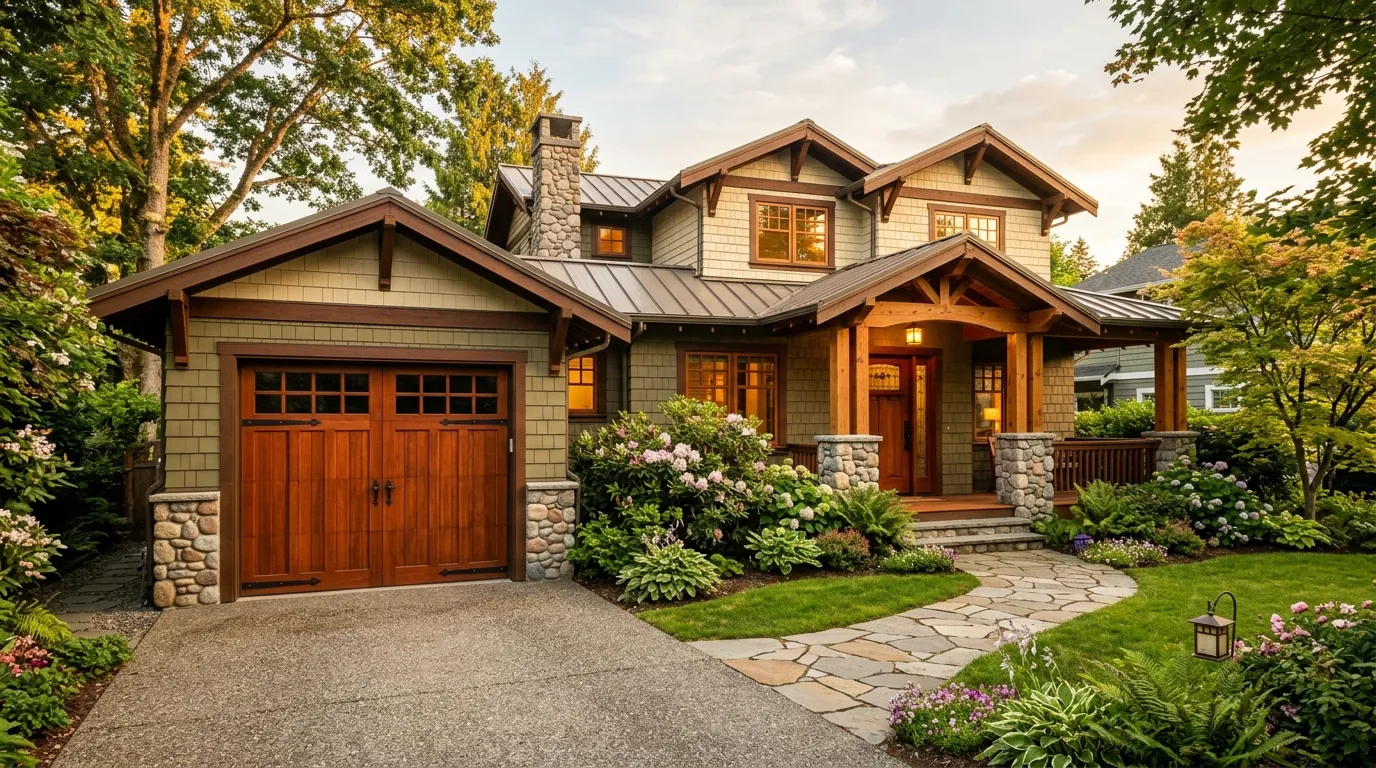
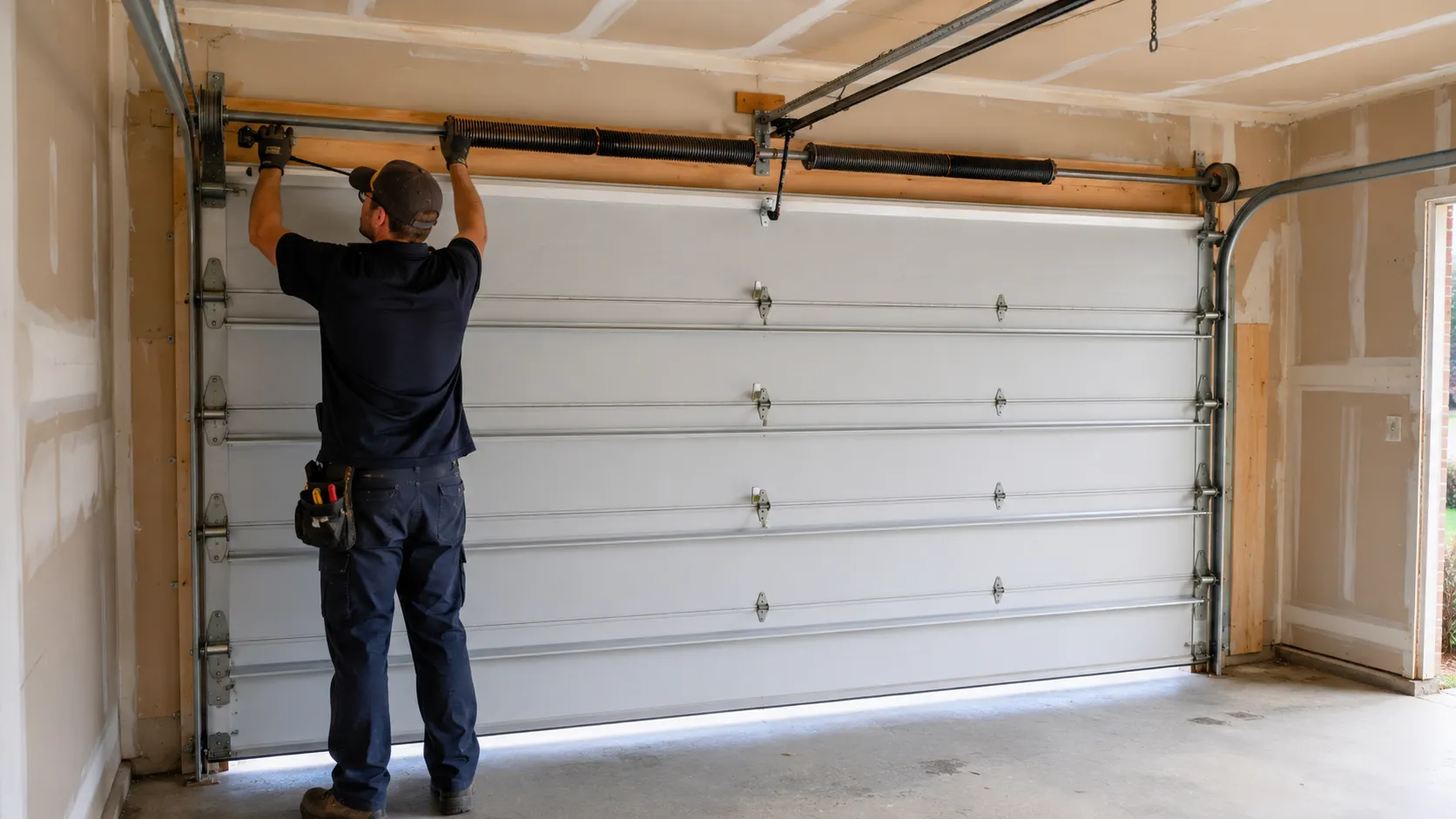
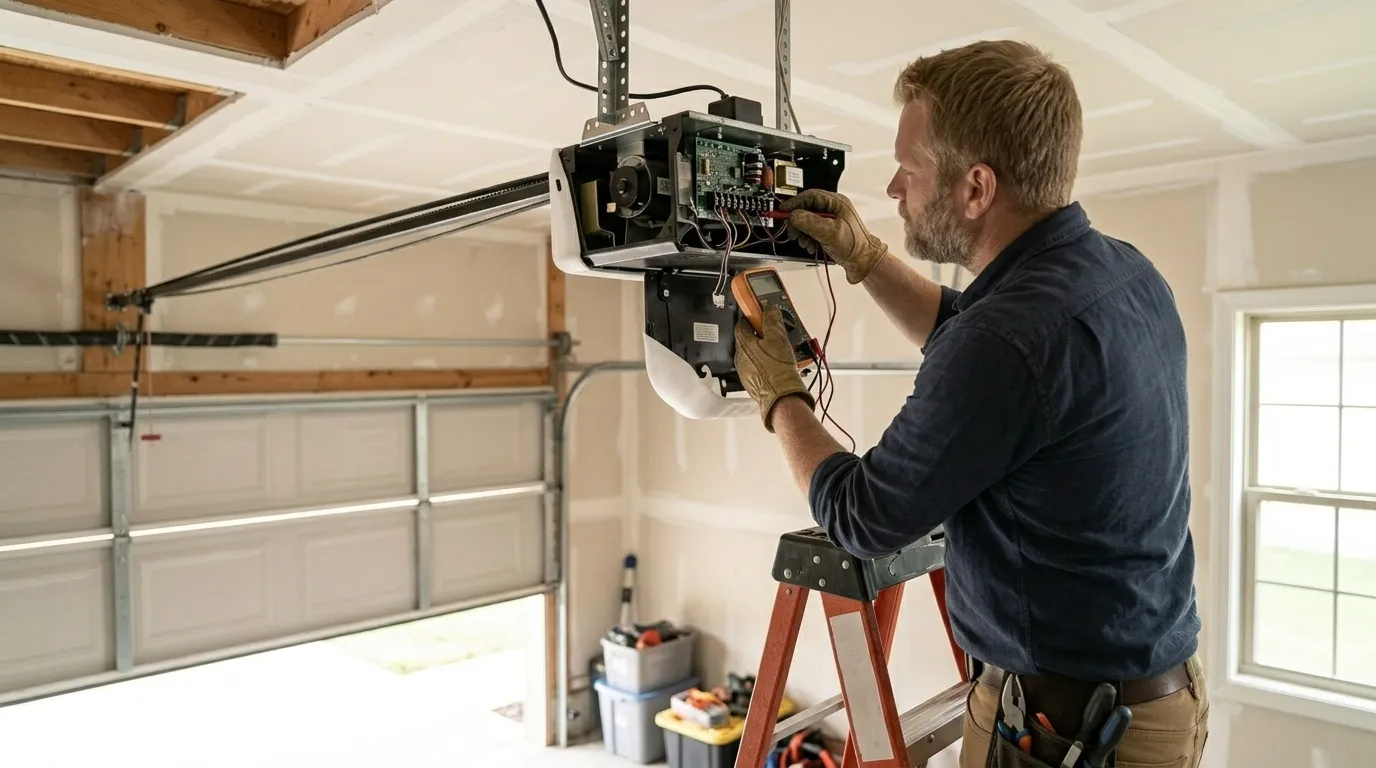
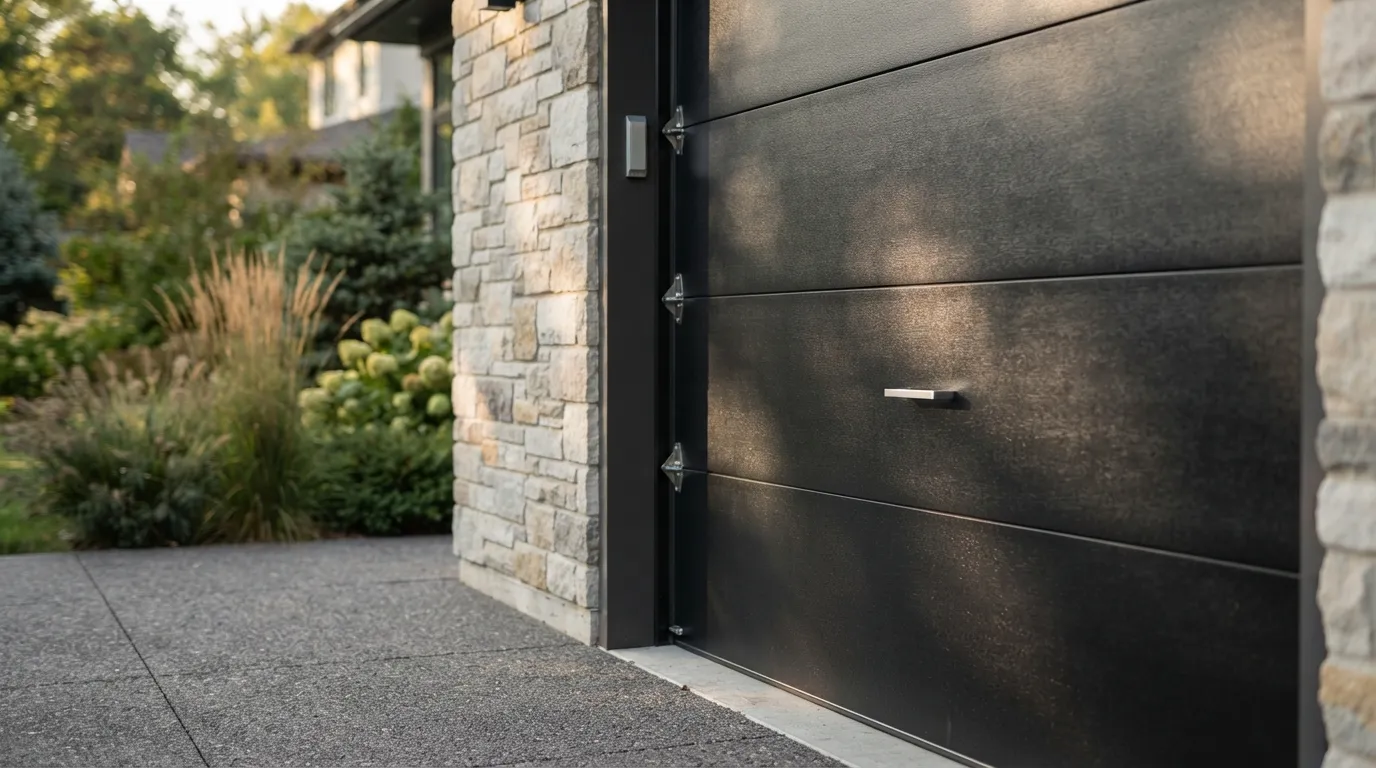
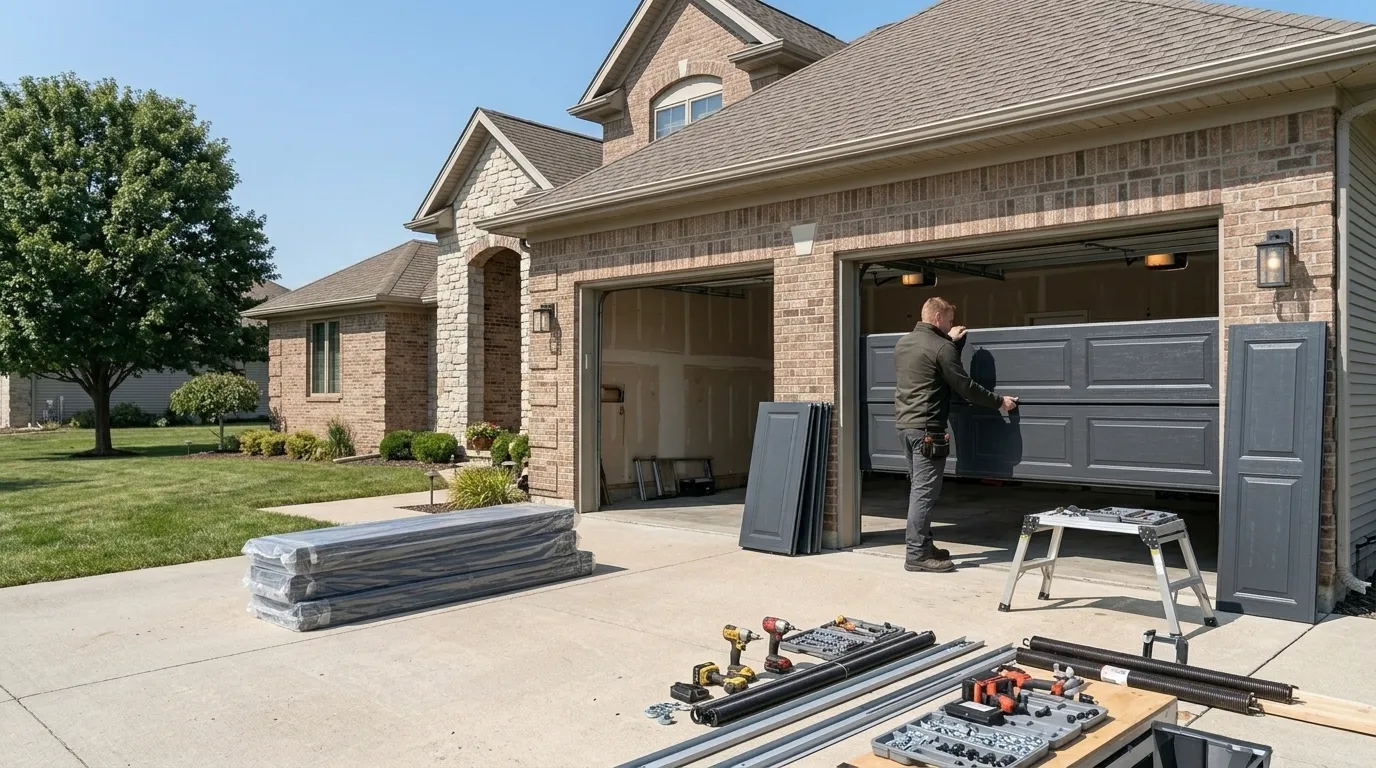
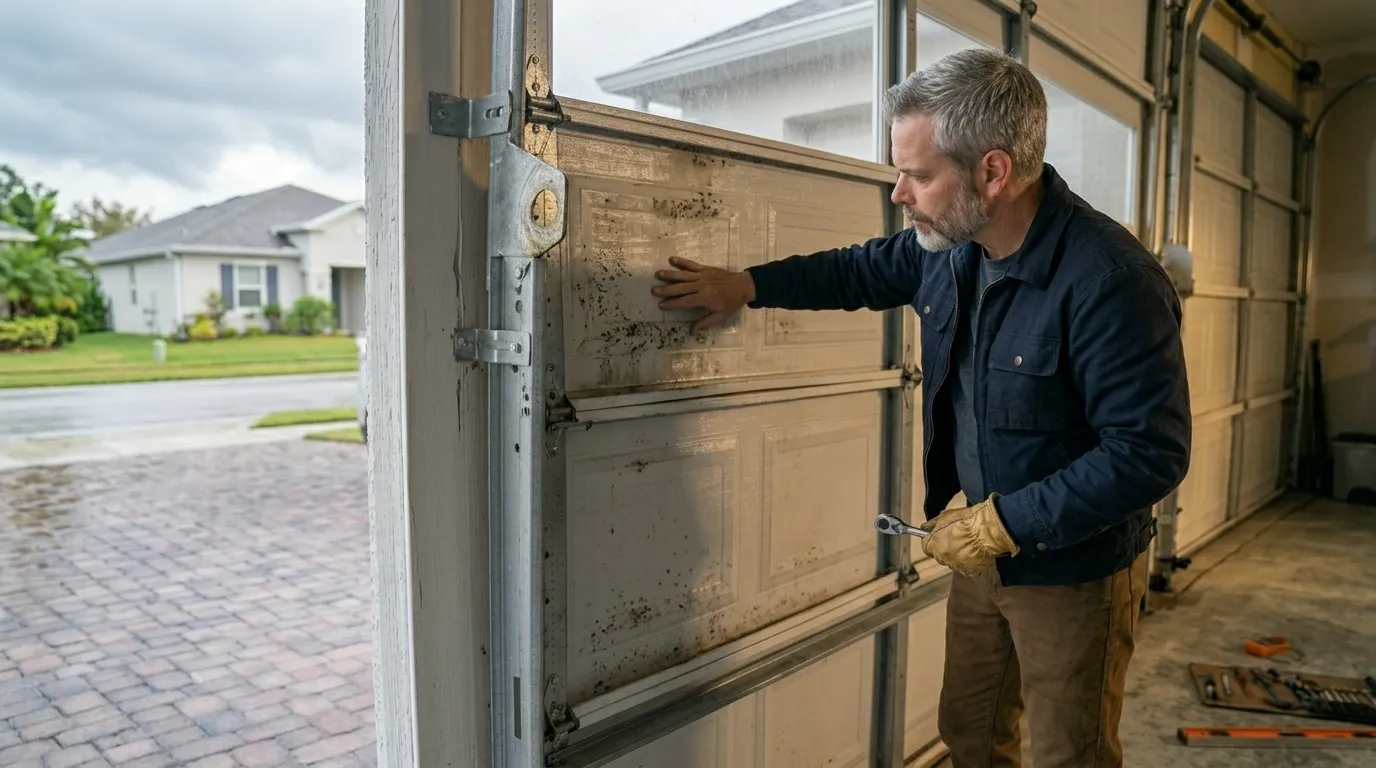
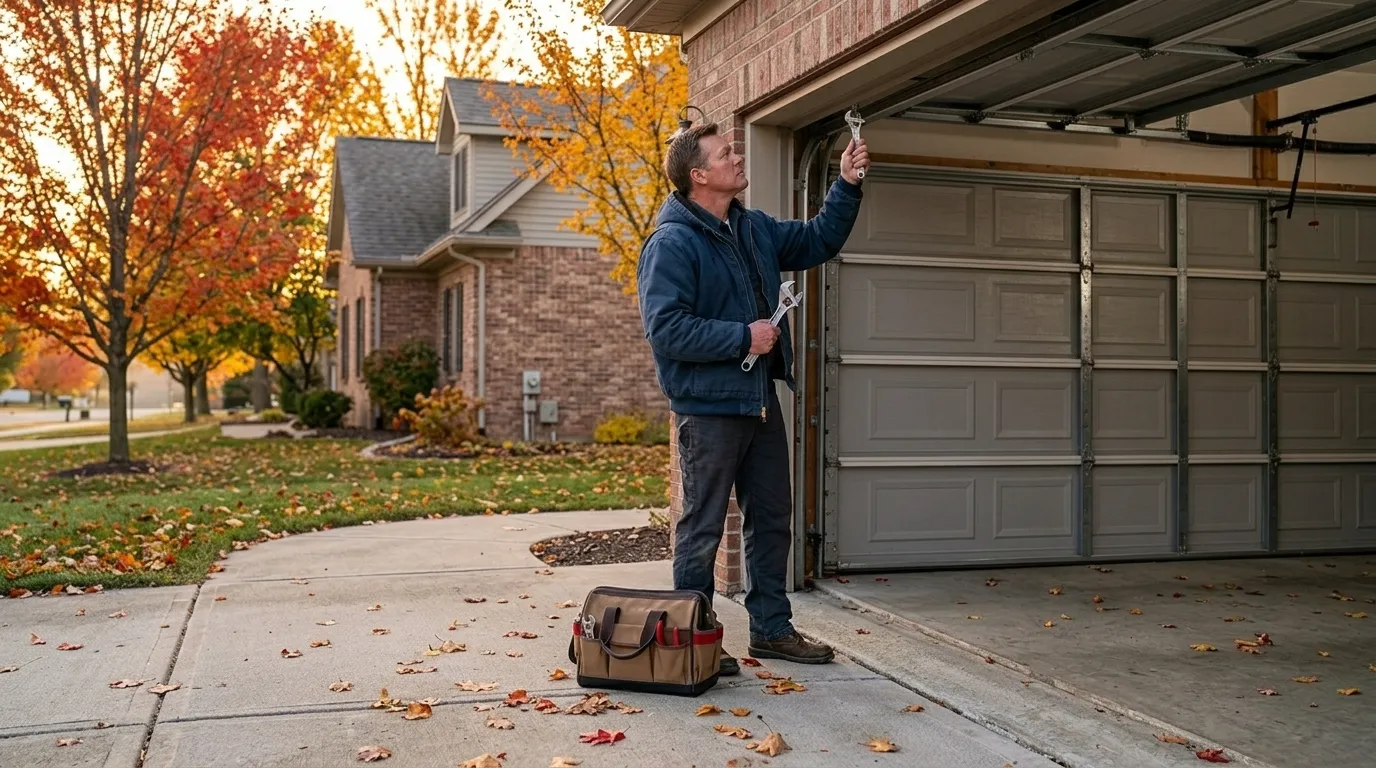
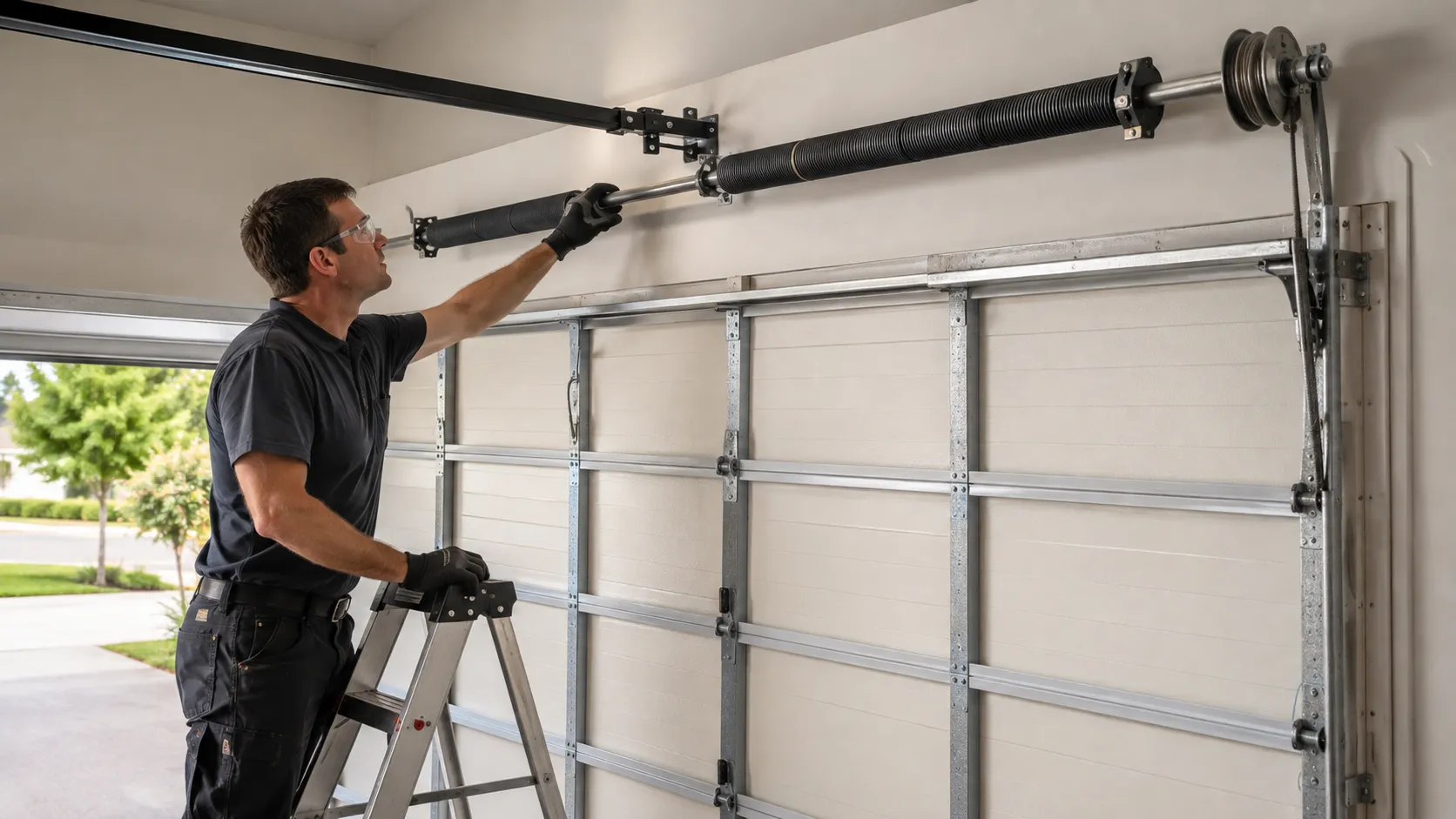
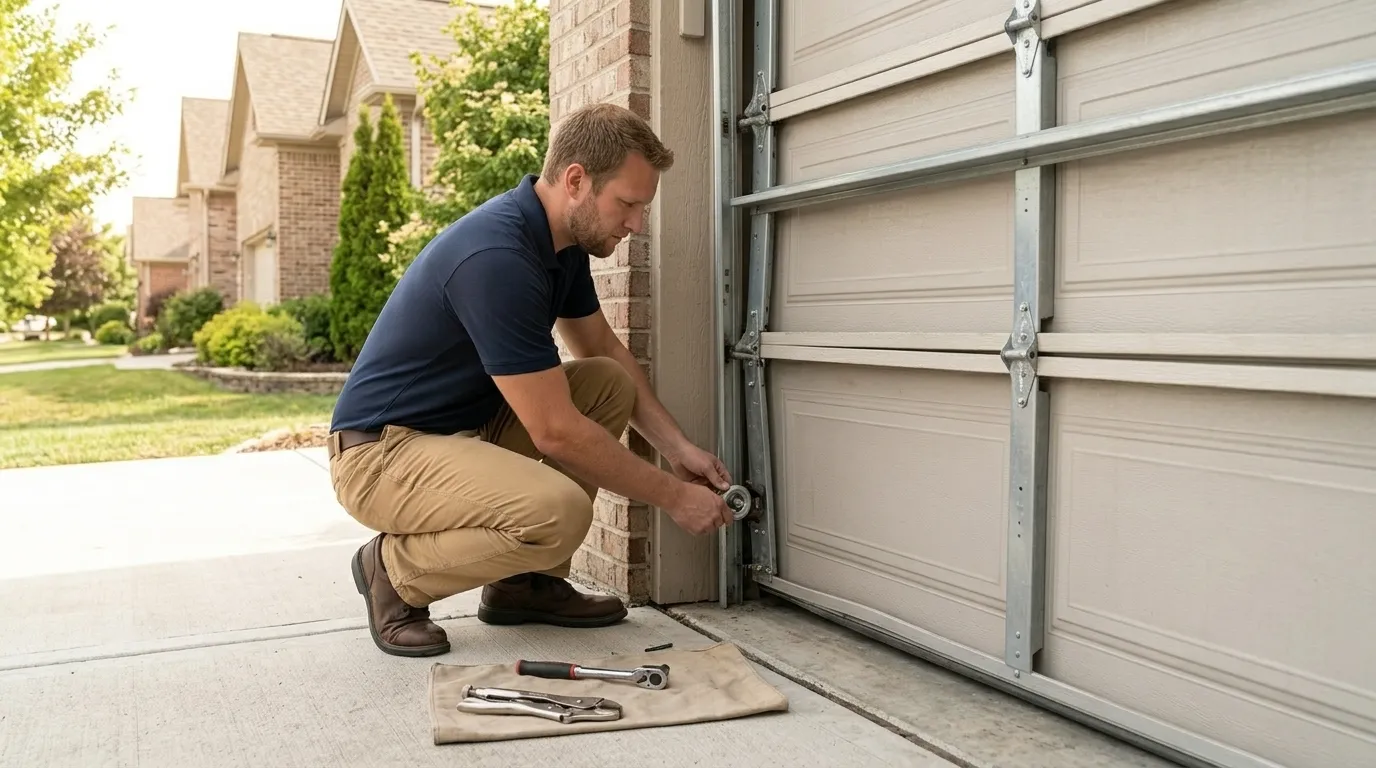
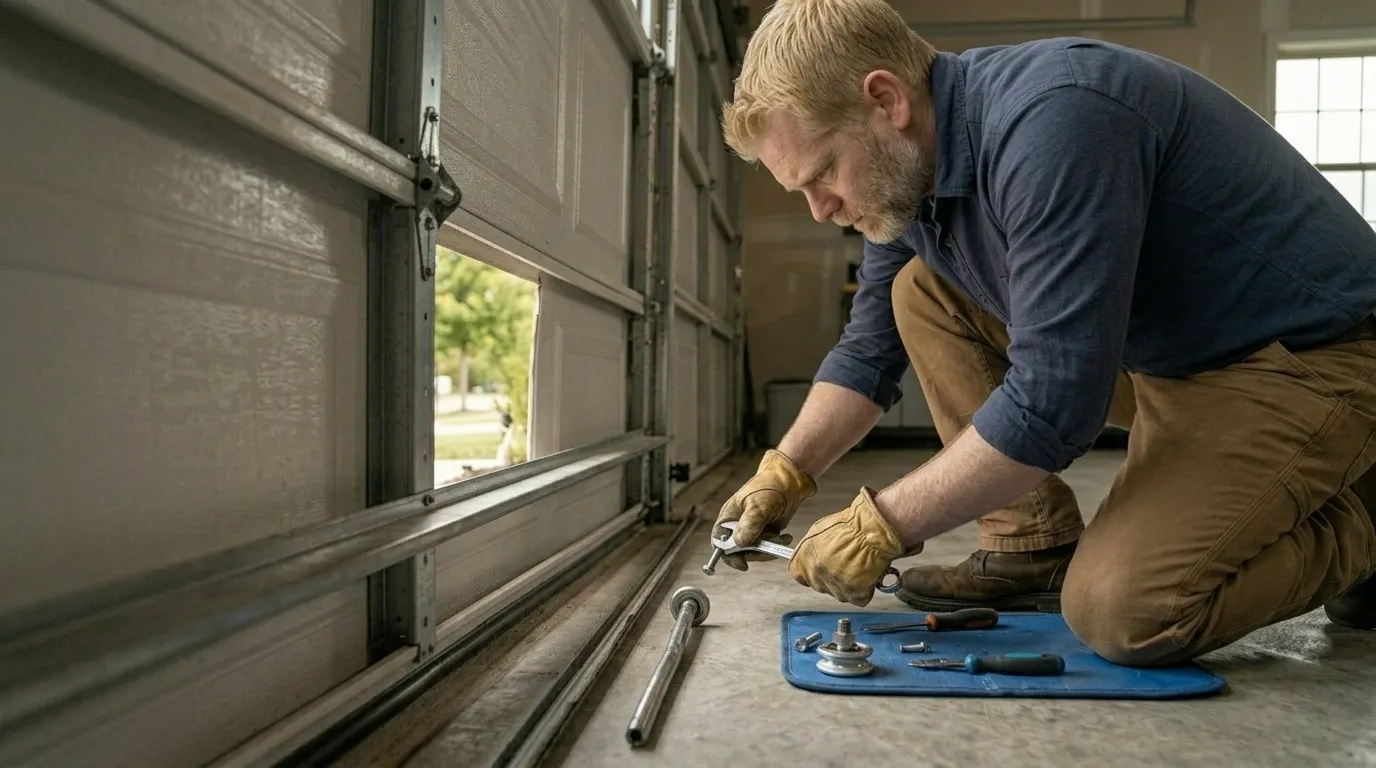
East Columbus sits about 3 miles WNW of the Reynoldsburg center, one of thirty named pockets that make up the wider service area. Housing across that area went up mostly between 1938 and 2006, with the median build year landing at 1977, and East Columbus falls inside the broader stretch of 1960s-70s construction that dominates the map. That era matters for garage doors: a lot of these houses still carry their original steel sectional doors, and the torsion springs and end bearing plates on them are getting old enough that a snapped spring shouldn't surprise anyone. Openers in homes this age have often been swapped once already, sometimes twice, which means the bracket and rail mounted to the header aren't always original either - worth checking before a repair call turns into a mismatch between old track and new hardware. We don't guess at what's behind a ceiling panel; if the door's original to the house, we treat every fastener as suspect until we've had eyes on it. Cold-climate winters put extra strain on old rollers and worn cable, so a door that's limped along fine for years can seize up hard on the first real freeze. That's the pattern we see most in this stretch, and it's the one we plan repairs around.
Straight Answers
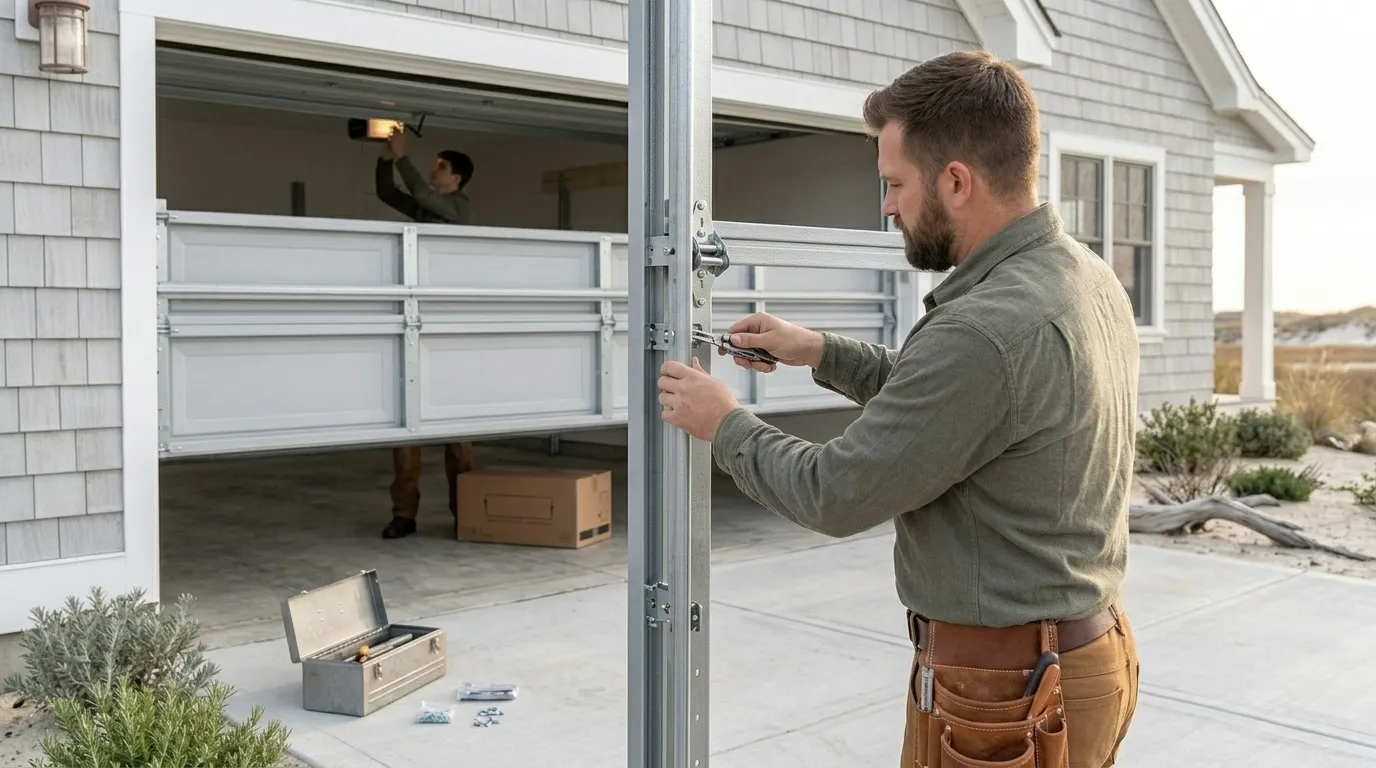
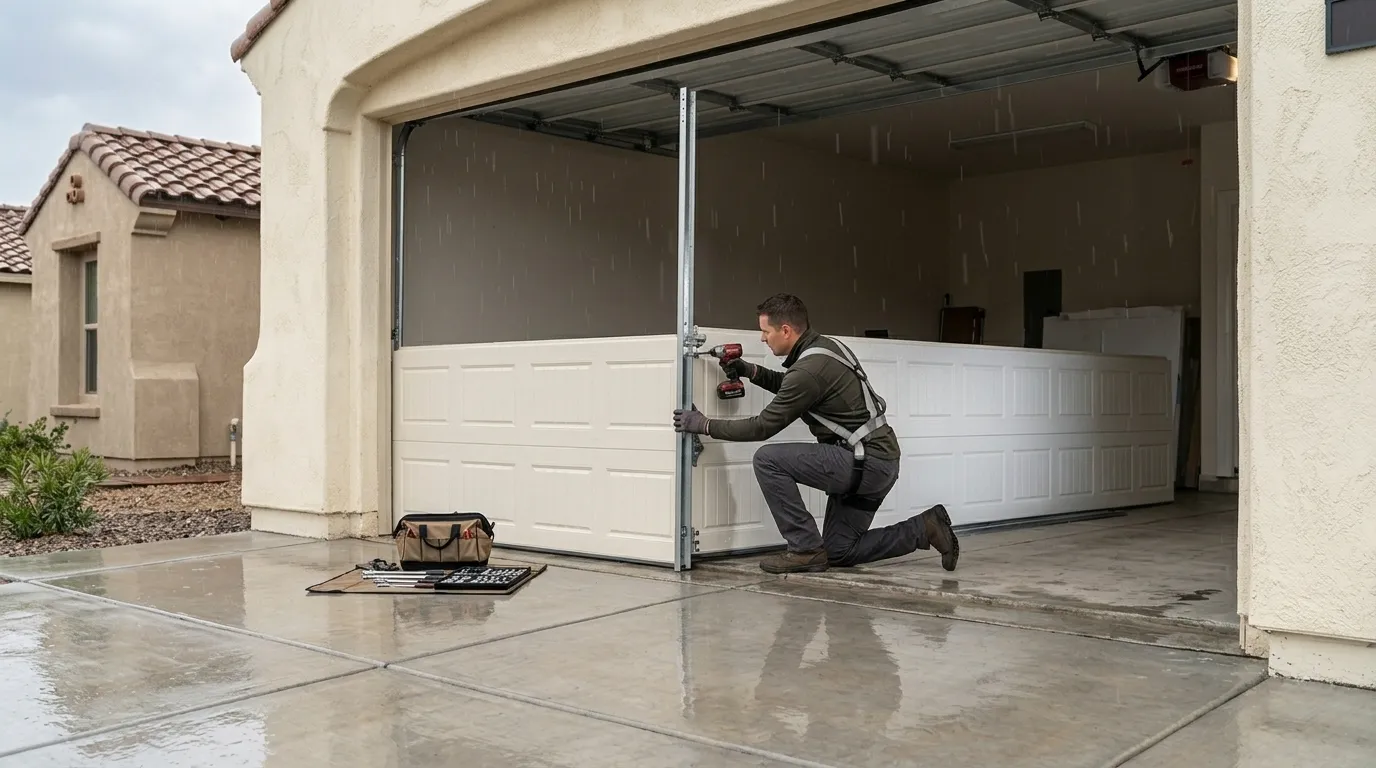
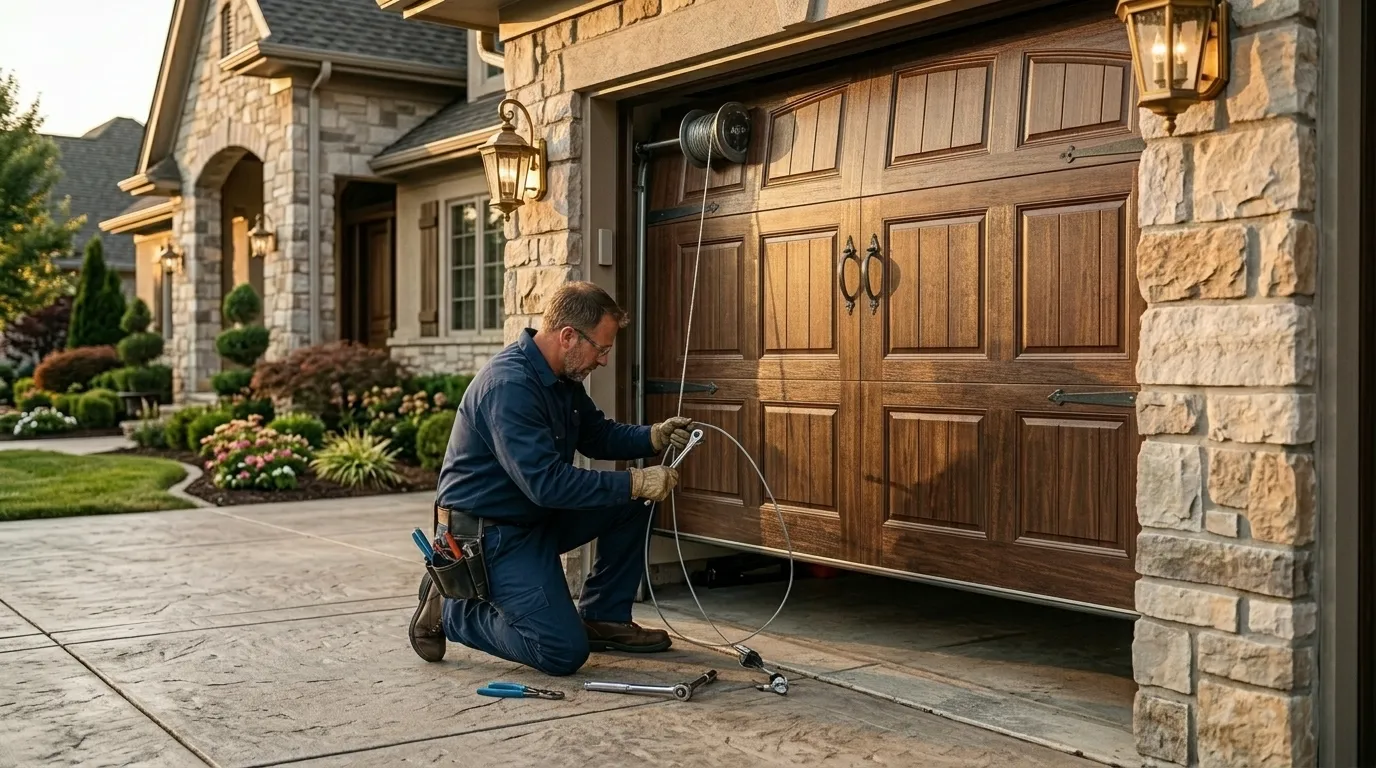
We work on steel sectional doors, torsion and extension springs, openers, tracks, rollers, and cable - the stuff that actually fails on houses built in the 1960s-70s wave. We don't do custom carriage-house builds or specialty wood doors; if that's what's on your house, we'll tell you straight instead of quoting a job we're not set up for. Winters here fall in the severe-cold band, and that means springs under tension in an unheated garage take more stress cycles than they would somewhere milder - it's a real factor in why torsion springs on older East Columbus doors go without much warning. Median household income across the service area runs $94,040, with roughly 51,000 owner-occupied houses among 95,004 households total - most of what we see is people who own the house and want the door fixed right once, not patched. If a spring's original to a house built decades back, replacement almost always beats trying to match obsolete hardware, and we'll say so rather than stretch a repair past where it makes sense. One limit worth naming: we don't stock every gauge of vintage track, so a house with a genuinely unusual setup may mean a short wait on parts.