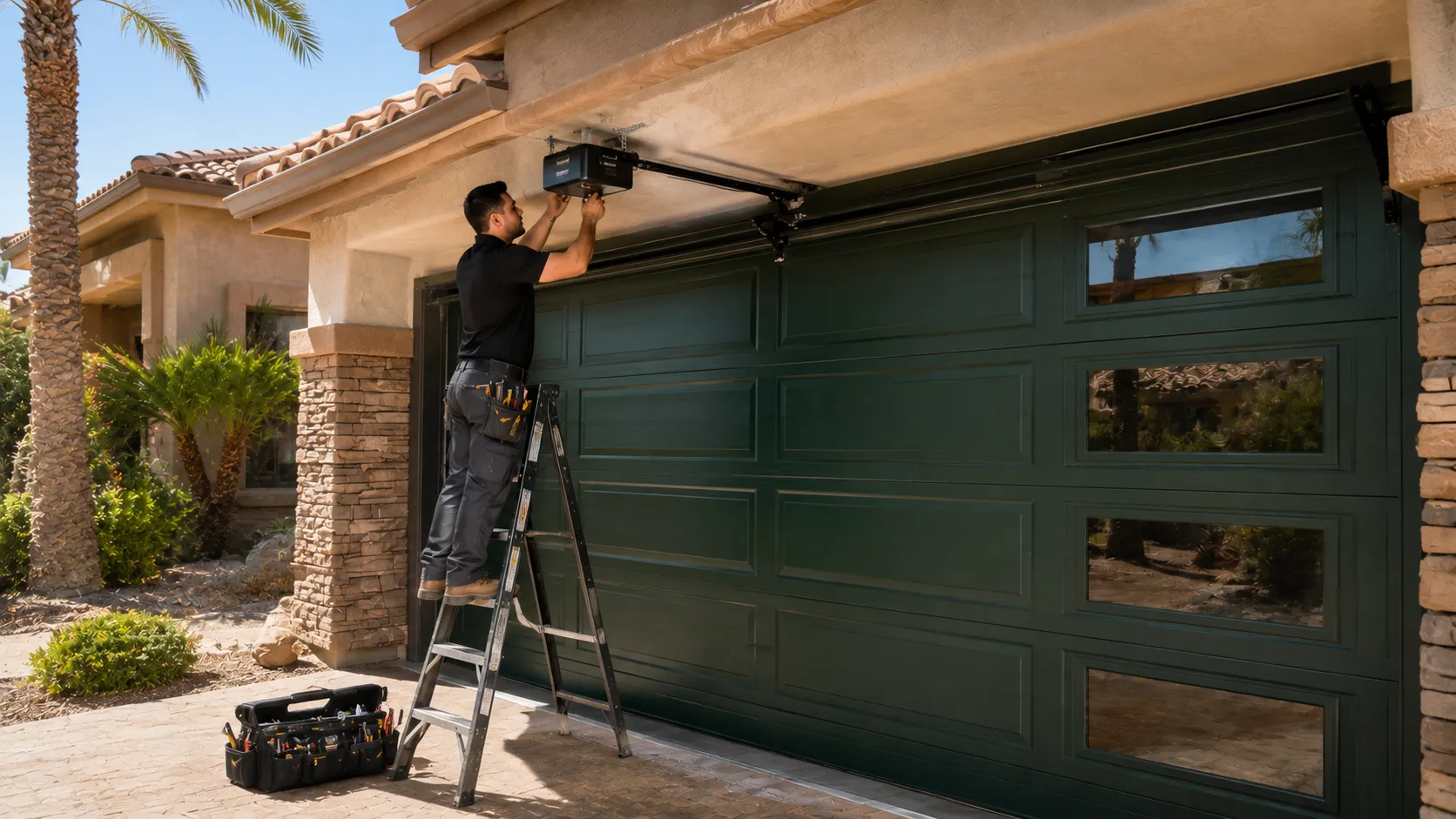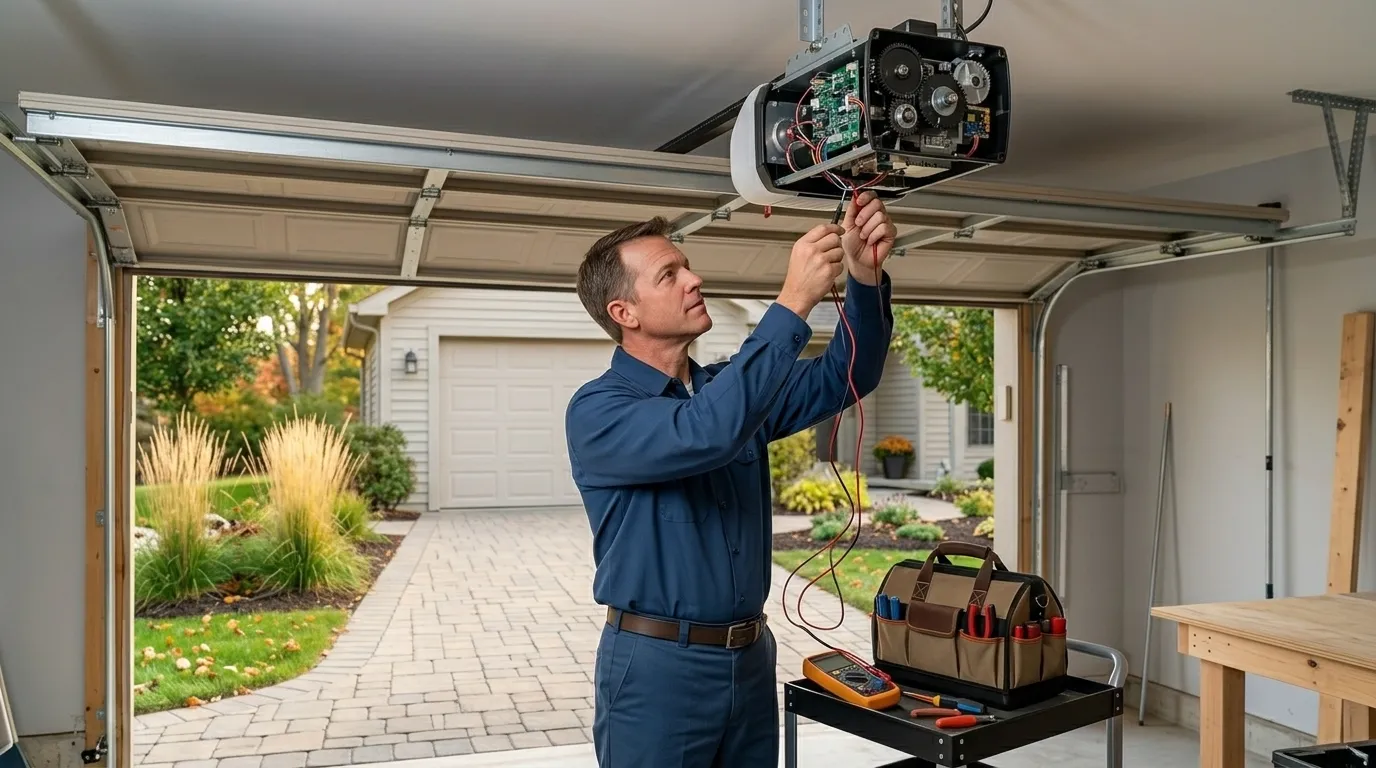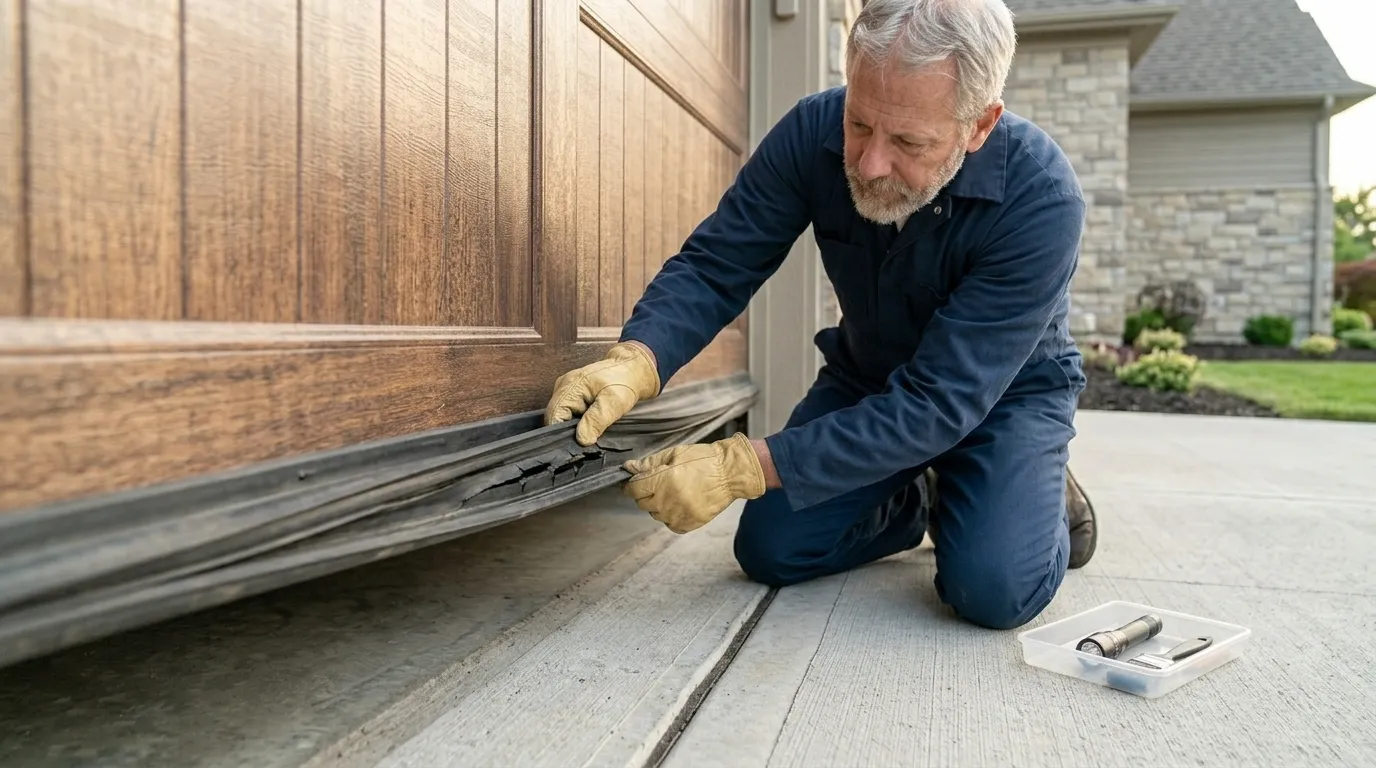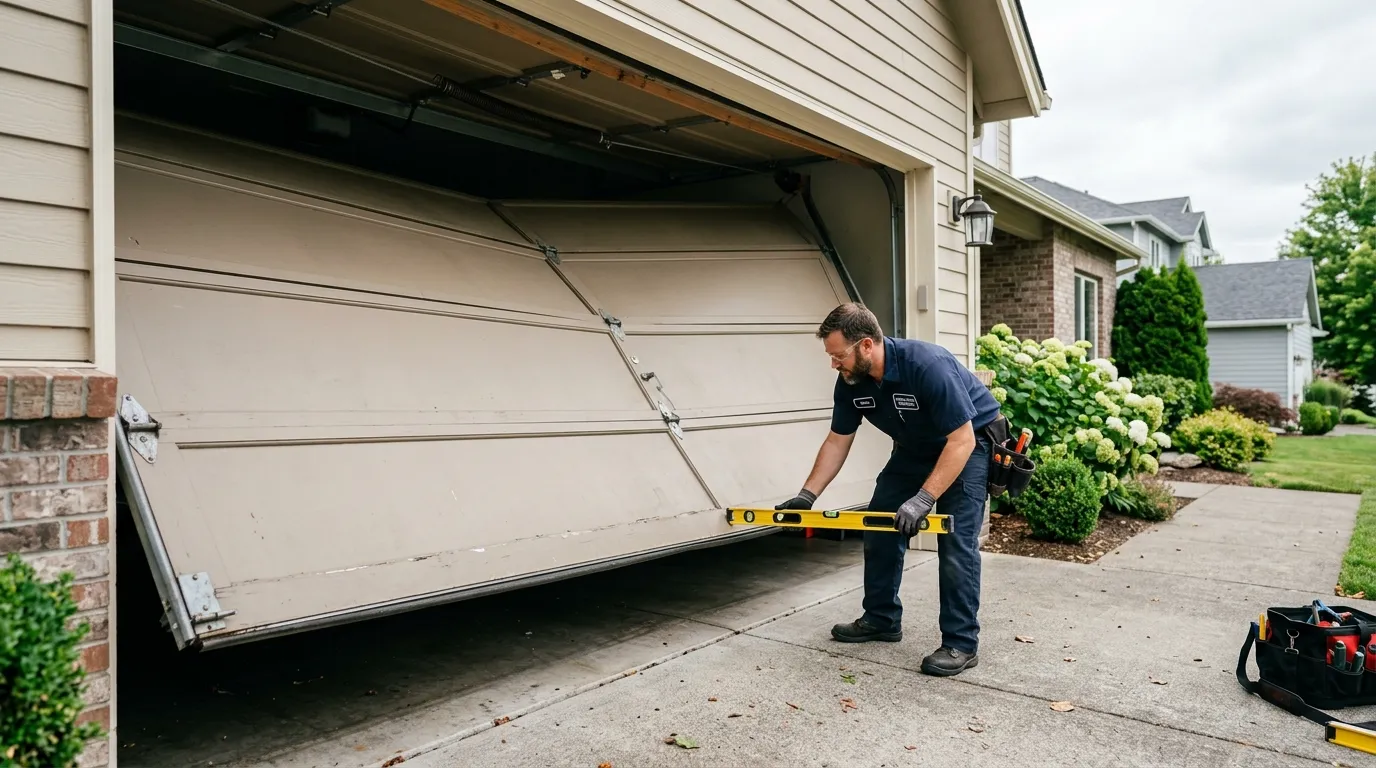
The Housing Here
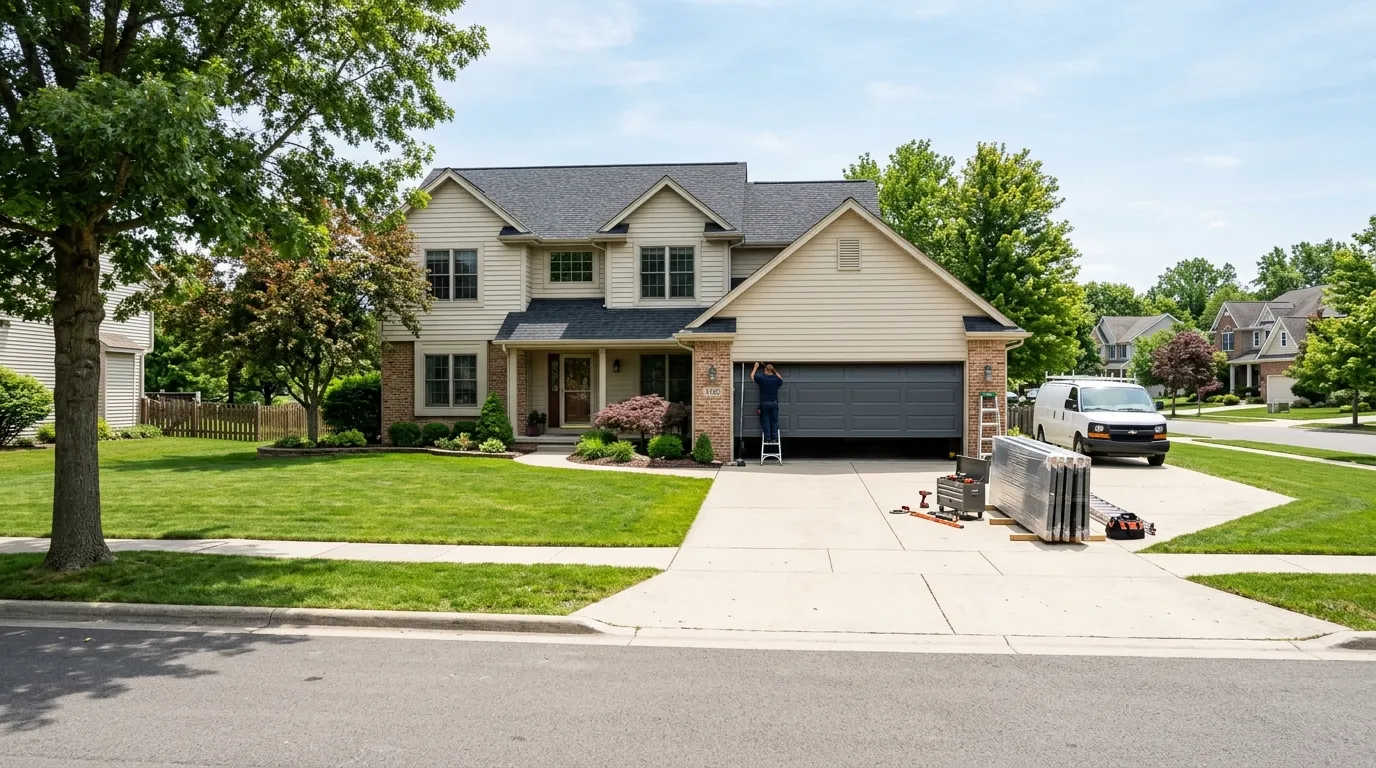
Greenbriar Farm sits about four miles west-northwest of Reynoldsburg's center, inside the same building window as the rest of the service area - homes here were put up somewhere between 1938 and 2006, with the typical house across that stretch dating to around 1977. That puts most of what's on the ground in Greenbriar Farm squarely in the 1960s-and-70s wave that makes up most of the local stock. We don't have street names or landmark data for this pocket specifically, so we won't pretend to know which block has which door - but the build era tells you plenty on its own.
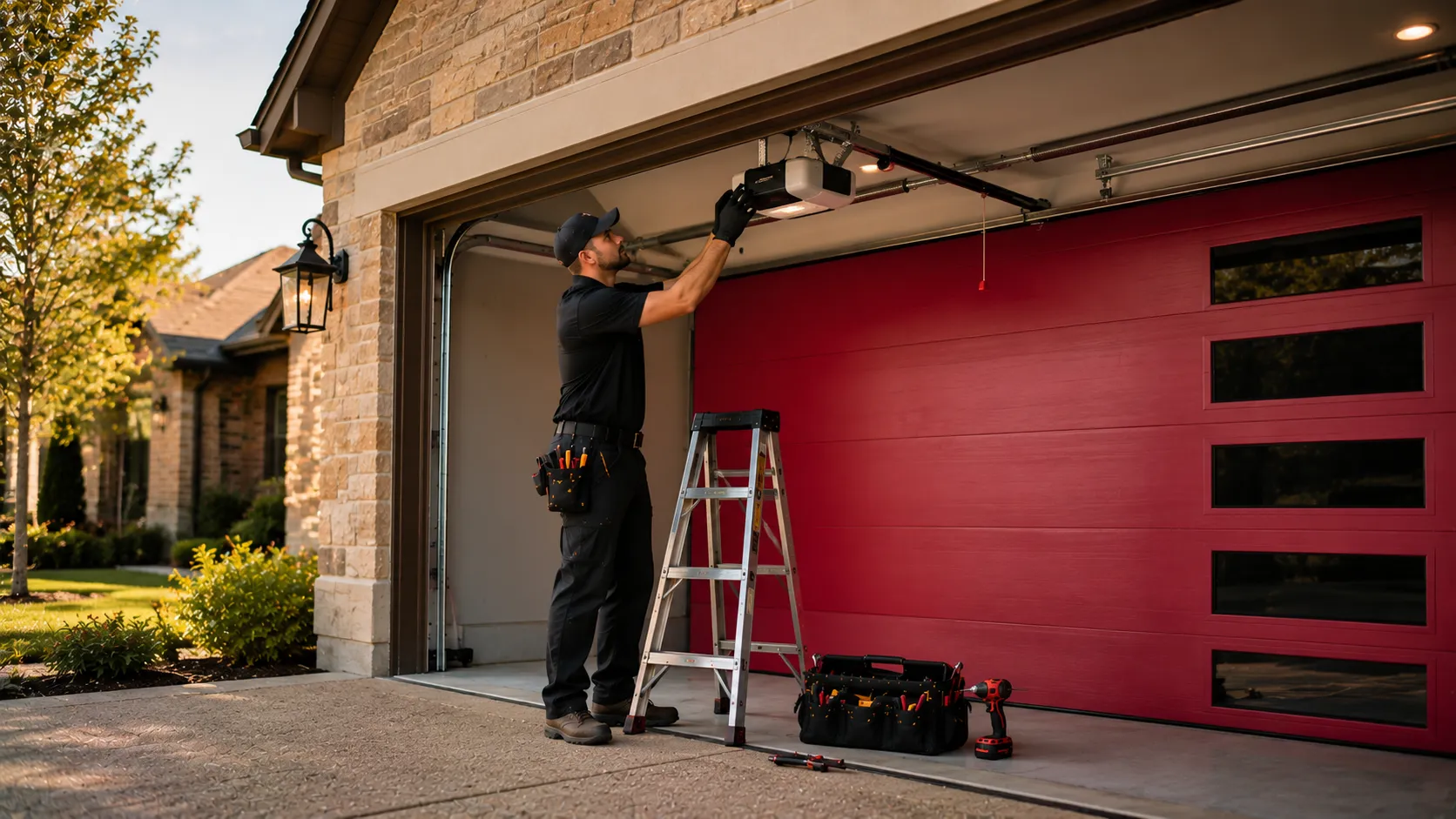
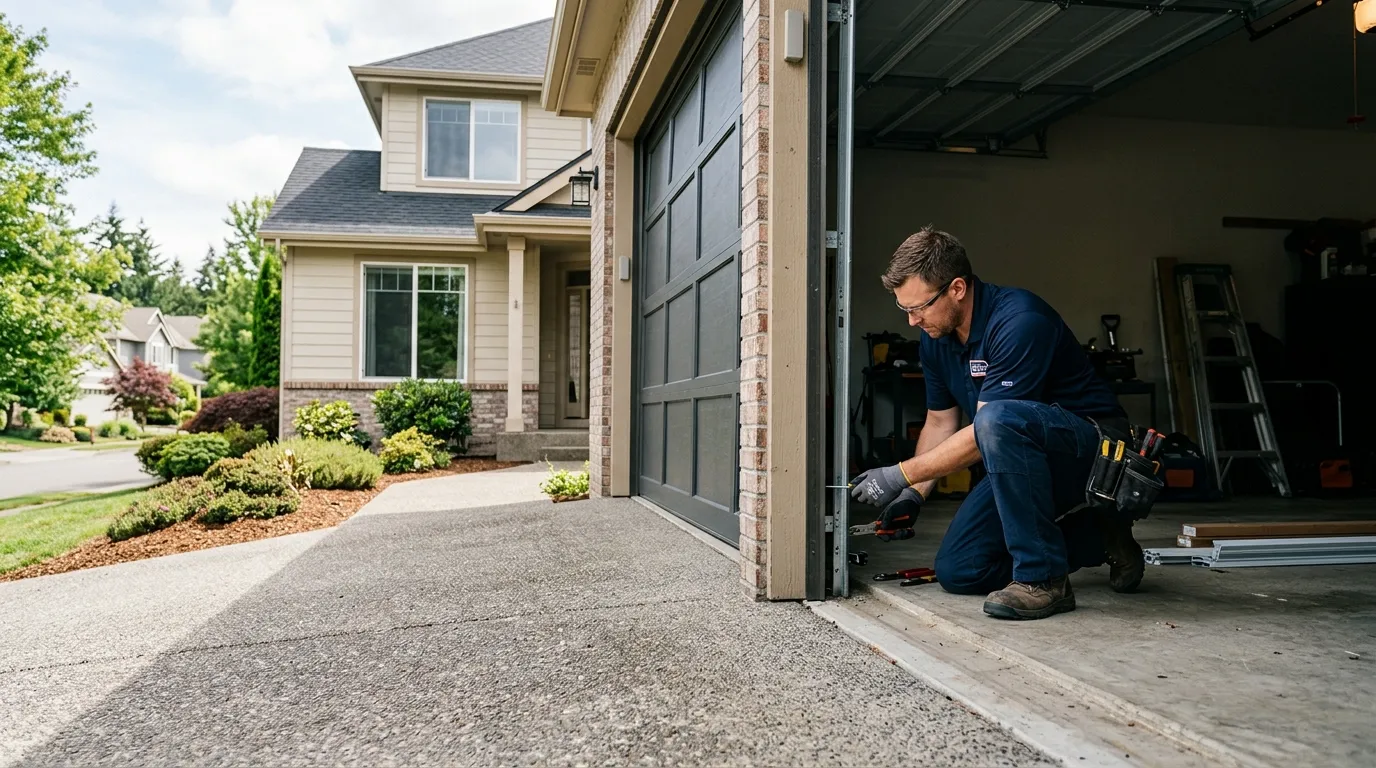
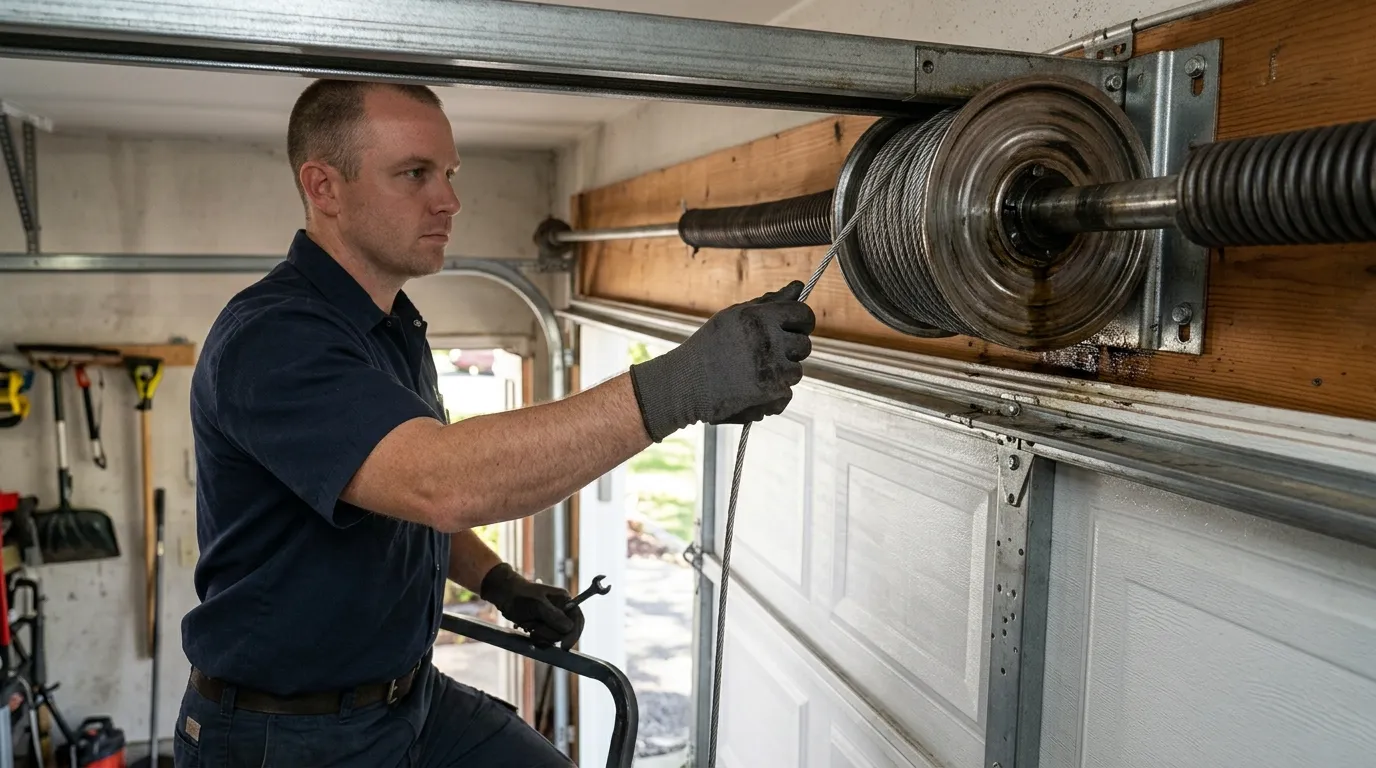
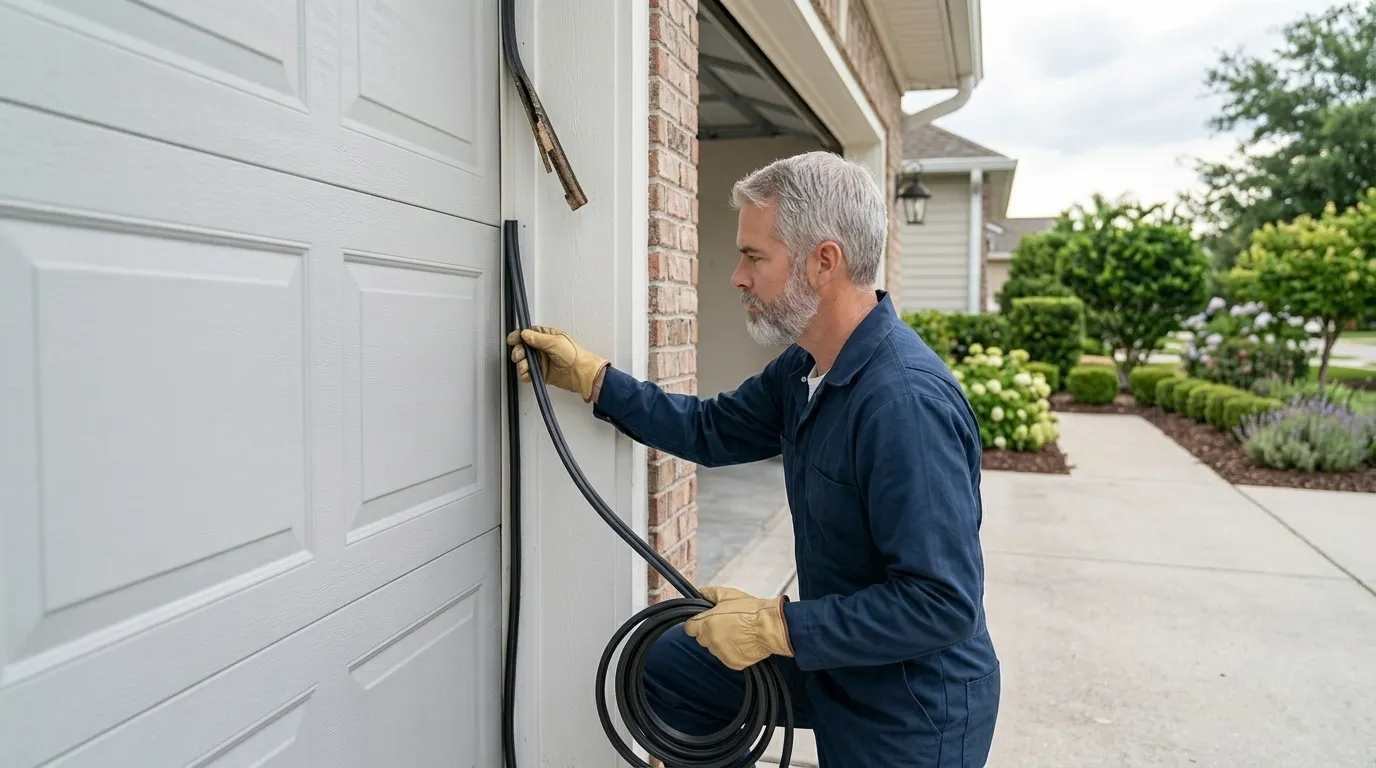
A house from that window almost always came with a steel sectional door on extension or torsion springs sized for a lighter panel than what gets installed today, and openers that have usually been swapped out once or twice already. Winters here fall in a cold, severe climate band, and a door built for a 1970s garage wasn't sized with today's insulation standards or today's spring cycle counts in mind. That combination - older hardware, harder winters - is why springs and rollers on this side of town tend to fail a little earlier than a newer build would.
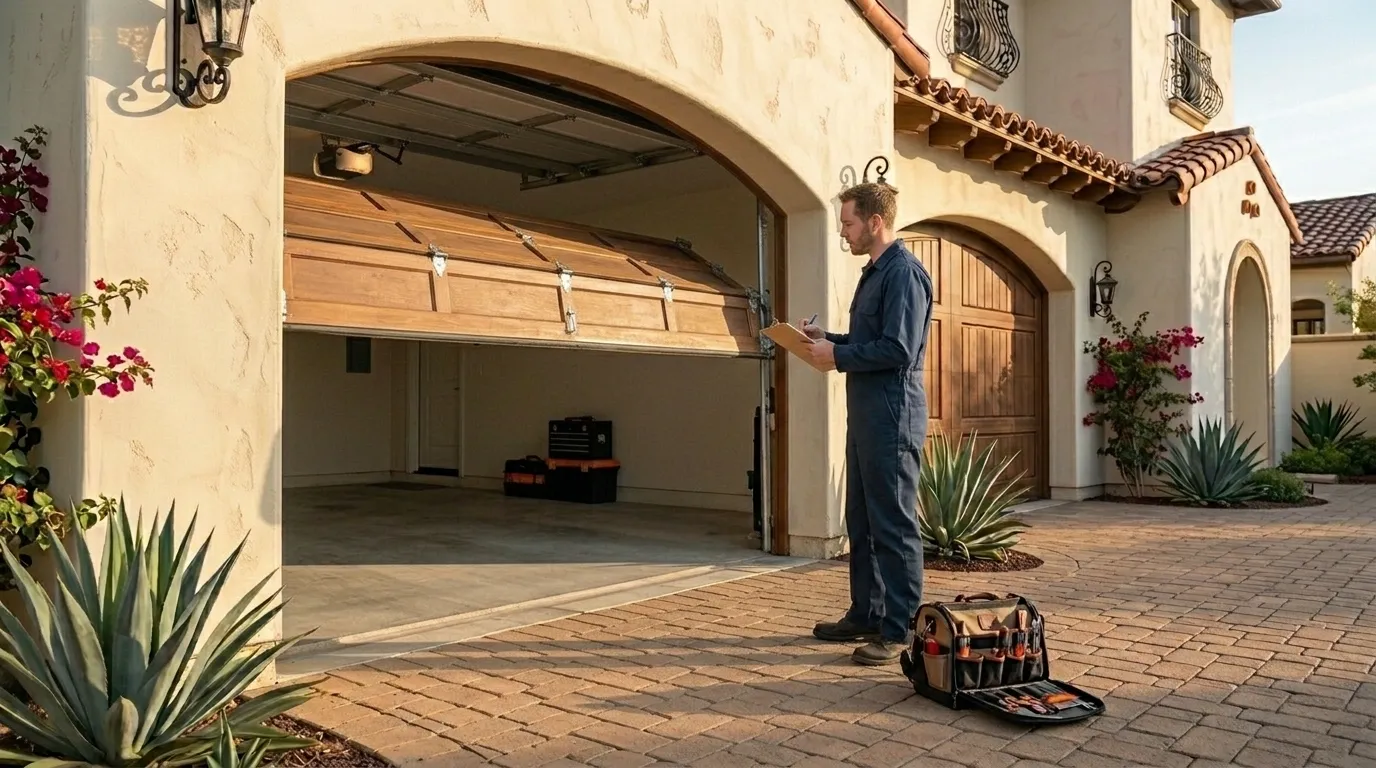
We won't tell you your exact door model without seeing it. What we can tell you is what era-appropriate parts usually look like, and that's most of the job on a first call.
Straight Answers
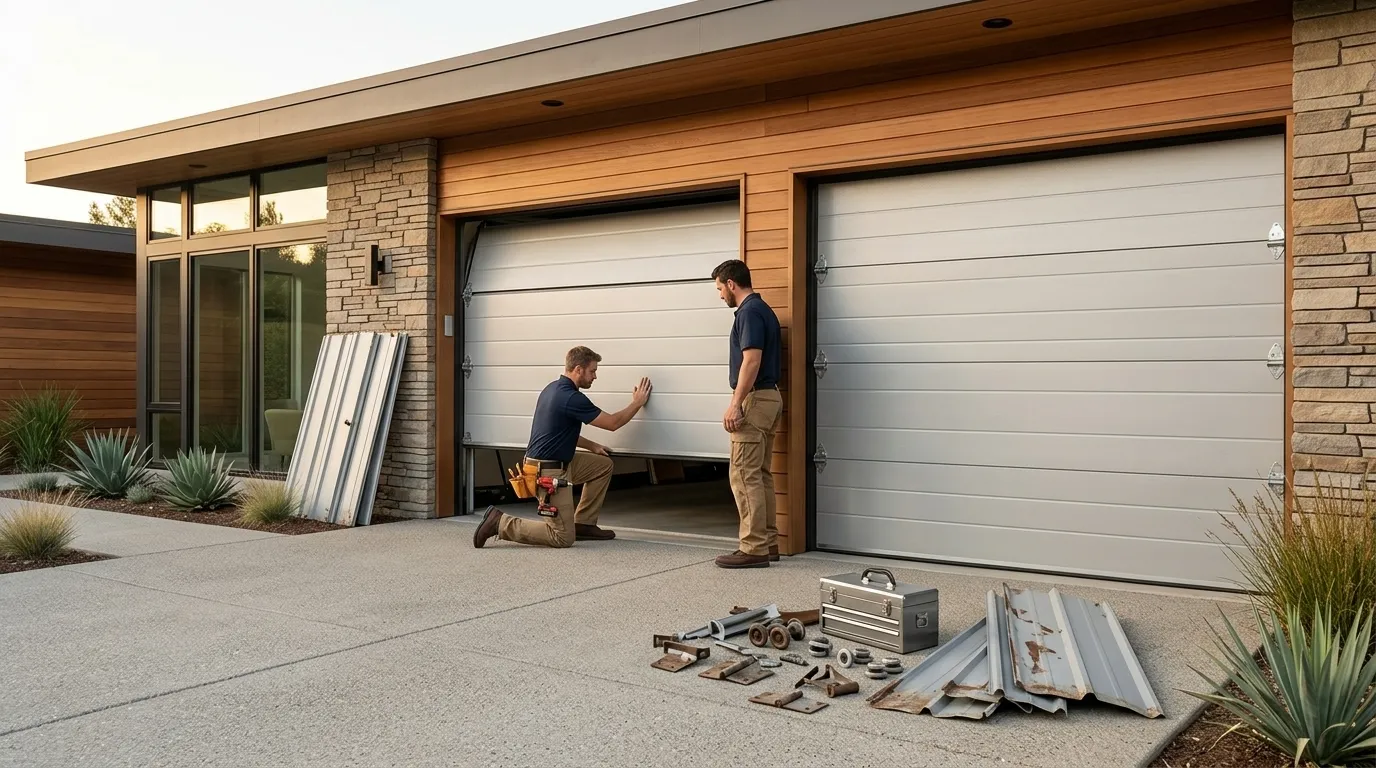
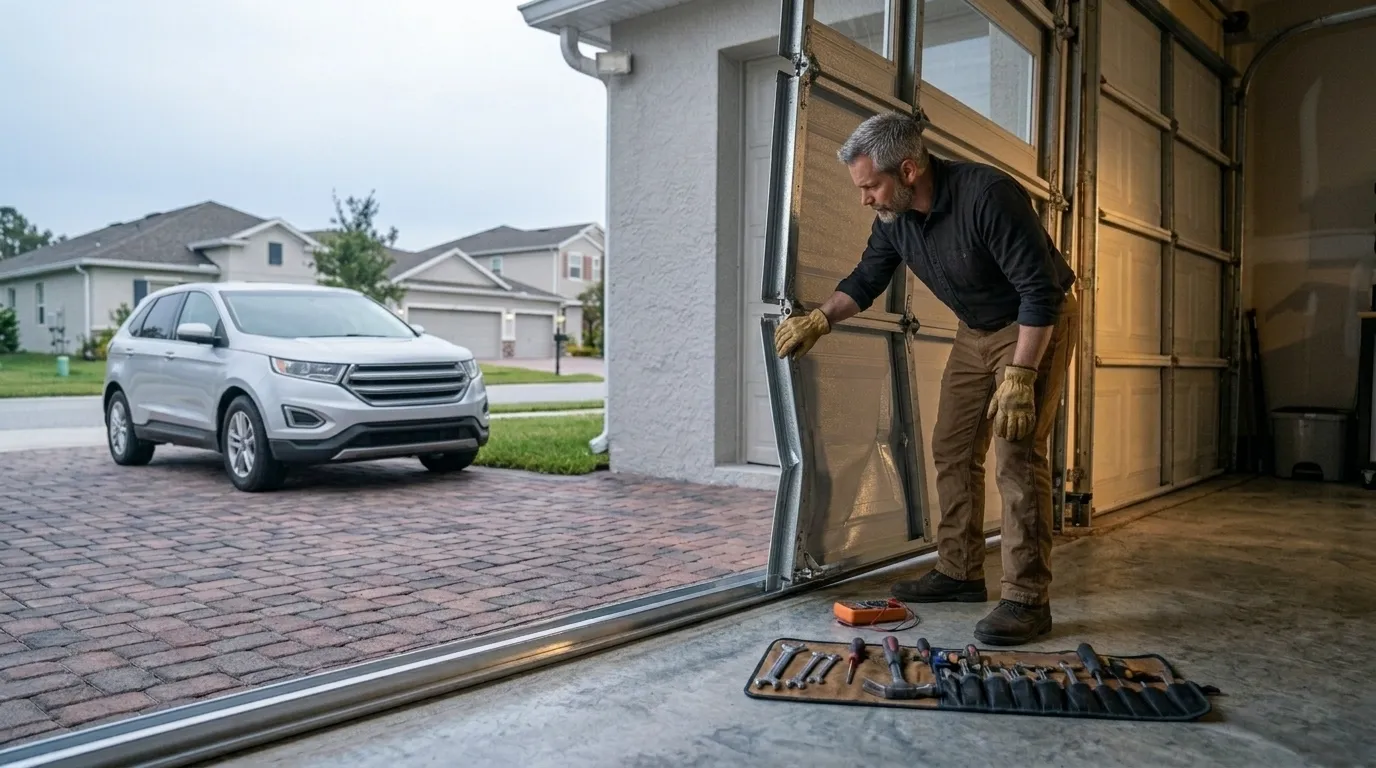
If your door is original or close to it, the spring on it is decades past its rated cycle count, full stop - that's not a scare tactic, it's what a 1970s-era torsion spring looks like after forty-plus winters in a cold climate. Replacing the spring is usually the right call over replacing the whole door, unless the panels themselves are rusted through or the track is bent beyond a simple realignment.
We're honest about one limit: if a part on an older door is truly obsolete - some of the oddball spring sizes and drum combinations from that era aren't stocked anywhere nearby - the wait on a special order can run longer than we'd like. In those cases we'll tell you straight that a new door is the faster and often cheaper path, rather than have you sit without a working garage for two weeks waiting on a part nobody carries anymore.
Across the wider service area, median household income runs $94,040 with roughly 95,004 households and 50,960 owner-occupied houses. That's a homeowner base that tends to fix a broken spring rather than let it sit, which is the kind of call we're built for - not a sales pitch, just what the work actually looks like out here.