24/7 Emergency Service Open 7 days · 7am–8pm Serving Reynoldsburg, OH & nearby
(614) 392-8161
Reynoldsburg, OH

What to Know Before You Buy a New Garage Door in Reynoldsburg

A local look at when to replace vs. repair a garage door in Reynoldsburg, based on the area's 1960s-70s housing stock and its cold, severe climate band.

What to Know Before You Buy a New Garage Door in Reynoldsburg

When to Get Help

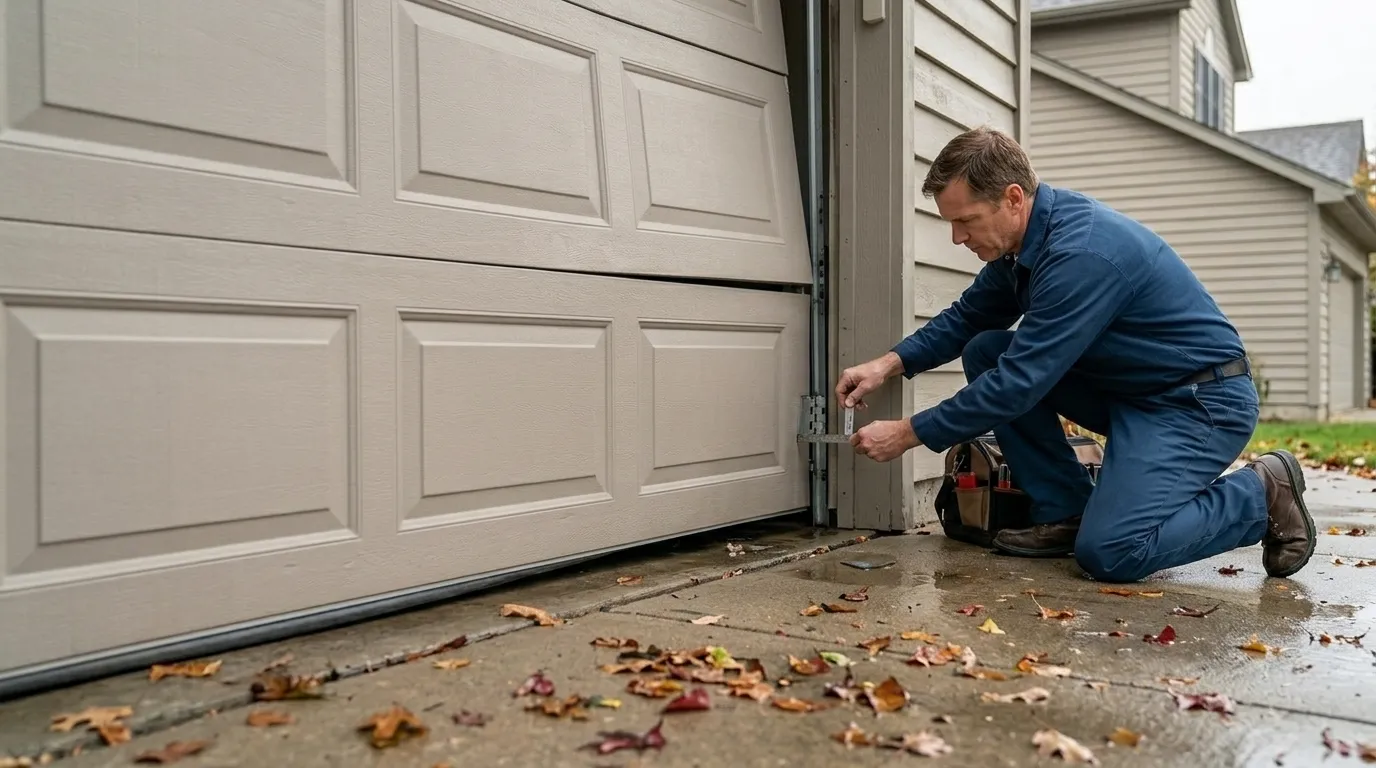
If your door is original to the house, you're likely dealing with hardware from a build era that runs 1938 to 2006, with the median landing around 1977. That matters because a door from that stretch was often built with a single steel skin and no vapor barrier, and the torsion spring sizing was never meant to carry today's heavier insulated sections if someone swapped panels along the way. A door that groans, drops unevenly, or needs a shove partway through the cycle isn't asking for a tune-up - it's telling you the spring or the cable is at the end of its rated cycles. We'll say plainly: if the track is bent or the bottom panel is rusted through at the base, patching it is a short-term fix, not a real answer. Get a second look before you spend money on parts for a door that's already past the point where repair makes sense. A quick call saves you from paying twice - once for the patch, again for the door six months later.

The Situation

Reynoldsburg and the pocket of named areas around it - Whitehall, Blacklick Estates, Gahanna, Canal Winchester, and two dozen more within a 20-mile ring - share a housing stock that's mostly 1960s and 70s construction. That's the era of steel sectional doors on side-mounted torsion springs, installed before insulation requirements tightened and before openers had rolling-code security built in. With 50,960 owner-occupied houses across the service area and a median household income of $94,040, most replacement jobs we see land in the mid-range: insulated steel, factory-primed, upgraded to a belt-drive opener rather than the cheapest chain-drive option. That's not a sales pitch, it's just where the numbers point for this housing stock and this income bracket. What it means for you: if you're comparing quotes, ask specifically what gauge of steel and what R-value insulation you're getting, because a door priced to match the neighborhood's expectations should have both. Homes closer in, like Elmbrook Village and Laurel Canyon just a couple miles out, run the same building era and the same door problems - original hardware nearing the end of its life at roughly the same time.

What the Weather Here Does to It

This area sits in a climate band federal data marks as cold and severe, and that shows up in specific parts, not the door as a whole. Torsion springs lose tension faster through repeated freeze-thaw cycles than they would in a milder climate, because the steel contracts and expands with every swing through freezing. Nylon rollers get brittle in sustained cold and start cracking at the edges - you'll hear it before you see it, a rougher rattle on the way up. Weatherstripping at the bottom panel hardens and stops sealing once temperatures drop and stay down, which is why a door that sealed fine in October lets a draft through by January. None of this is unique to any one house; it's a function of what a cold, severe climate band does to steel and rubber over years of cycling. If your door is original to a home built in the 1960s-70s range that's common here, the springs and rollers have likely been through more of these cycles than the door was rated for, even if nothing looks obviously broken yet.

What Changes With the Season

Cold makes lubricant thicken and metal contract, so late fall through winter is when marginal springs finally give out - the door that's been a little slow all year suddenly won't lift at all. That's not bad luck, it's the cold band this area sits in doing what it does to aging hardware. Spring brings the opposite problem: as the ground and slab warm and thaw unevenly, tracks that were plumb in January can go slightly out of alignment, which shows up as a door that binds on one side. If your house dates to the median build year around here, 1977, the slab has had decades to settle and the track brackets have had decades to work loose a little at a time. We don't recommend waiting for the loud failure. A five-minute look at spring tension and track alignment before the cold sets in costs a lot less than an emergency call once it's already stuck halfway up in January. That's true whether you're keeping the door you have or planning to replace it this year.
How it works

From “it’s stuck” to “it’s fixed”

Tell us what’s wrong - Reynoldsburg garage door service

Tell us what’s wrong

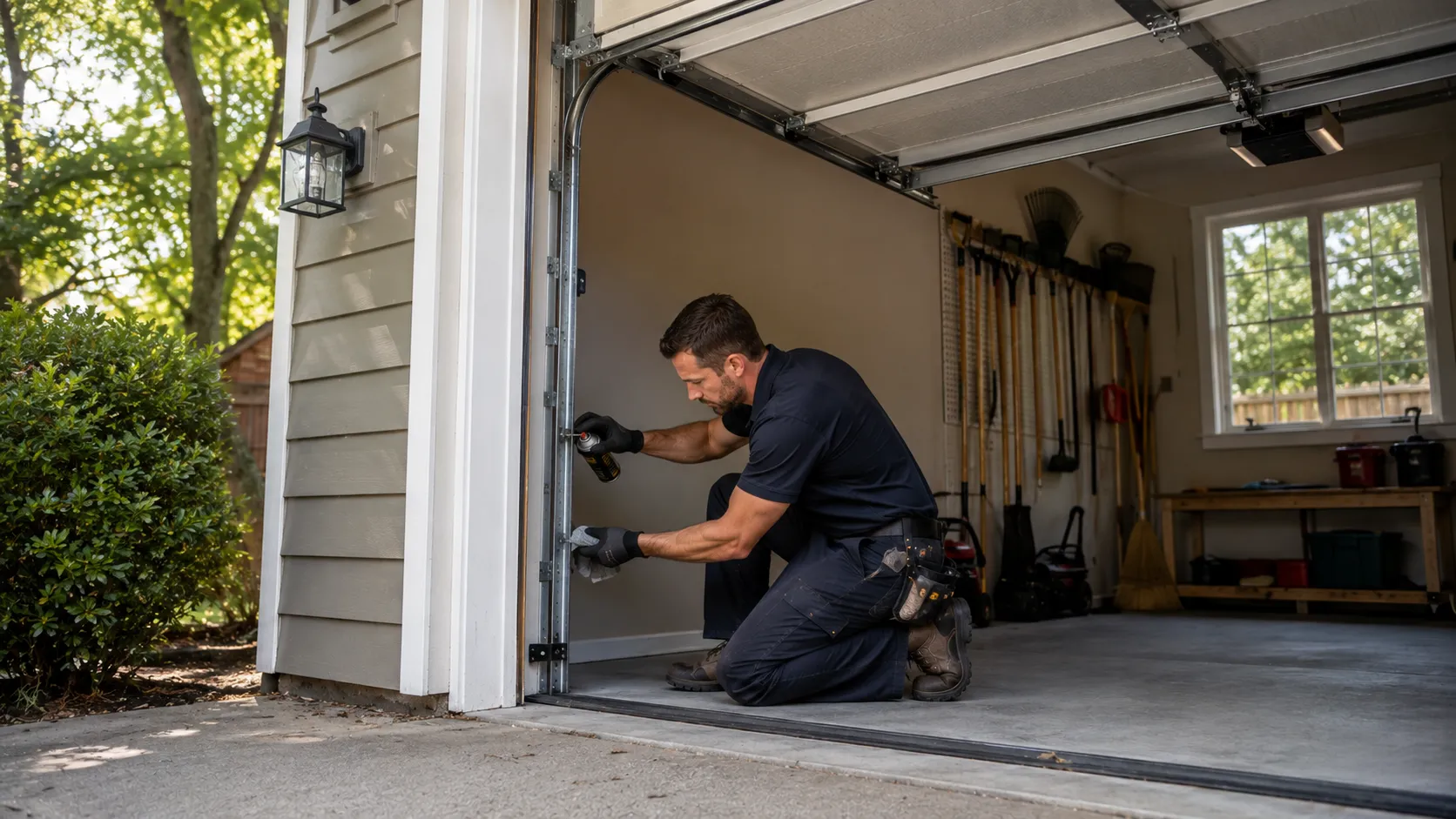
Describe the symptom - won’t open, loud bang, opener runs but the door won’t move.

On-site diagnosis - Reynoldsburg garage door service

On-site diagnosis

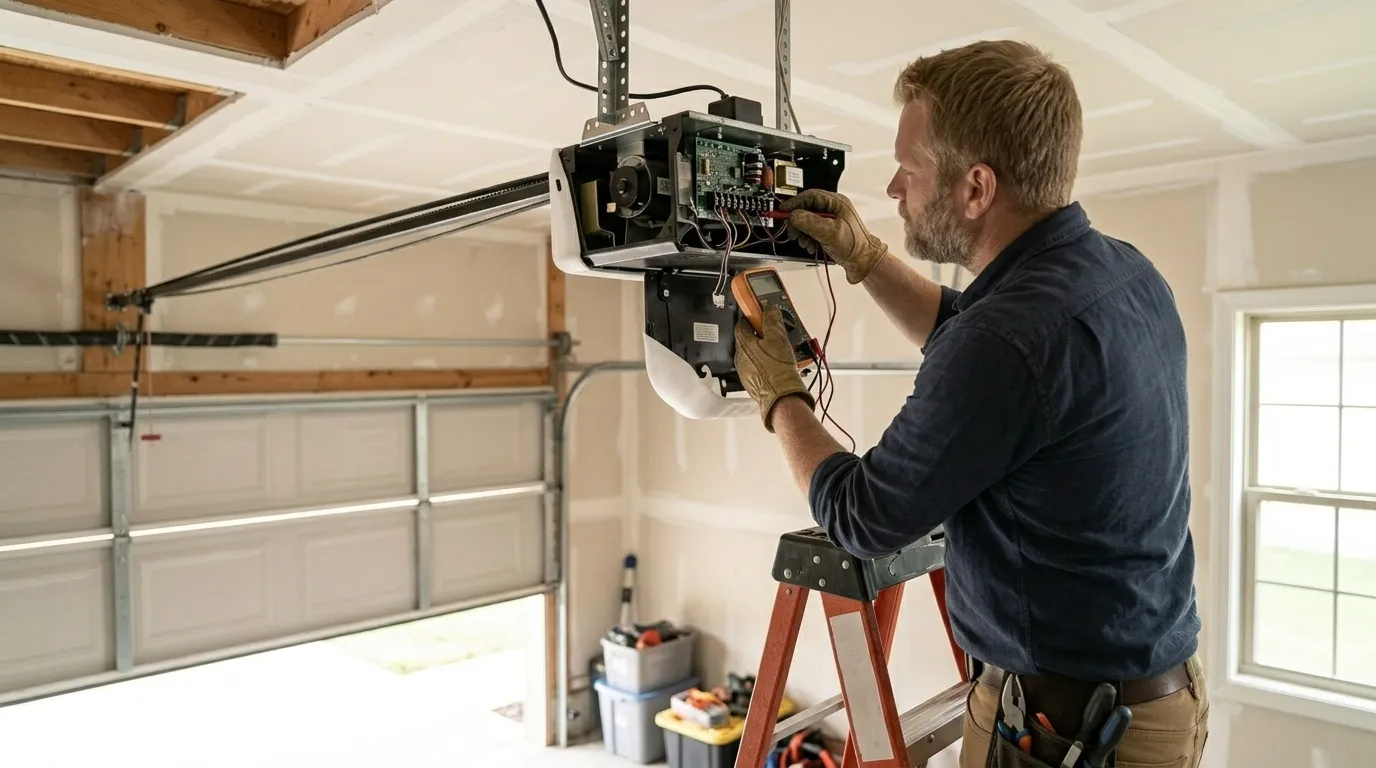
A technician tests the door under power and by hand and finds what actually failed.

Clear, up-front plan - Reynoldsburg garage door service

Clear, up-front plan

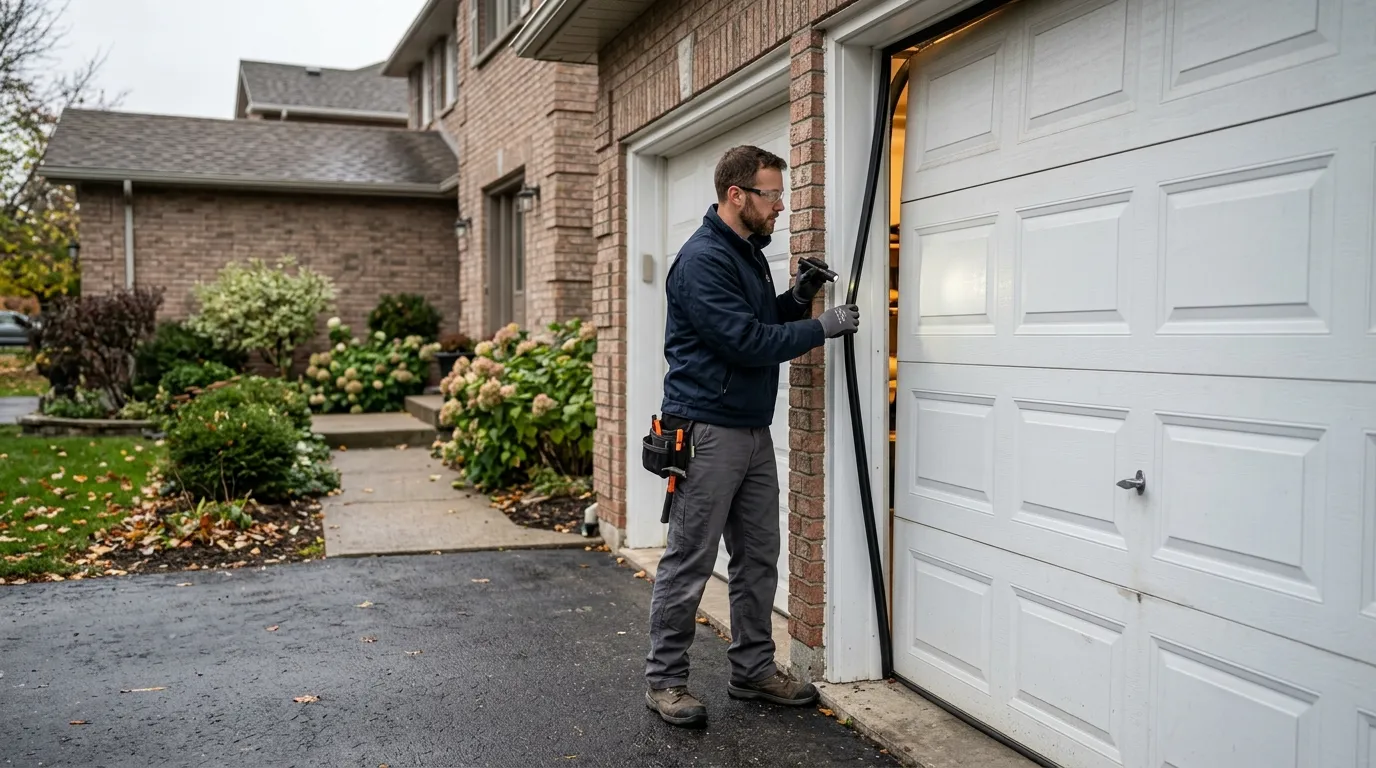
You get the fix that’s needed and what drives the cost - before any work starts.

Repaired & tested - Reynoldsburg garage door service

Repaired & tested

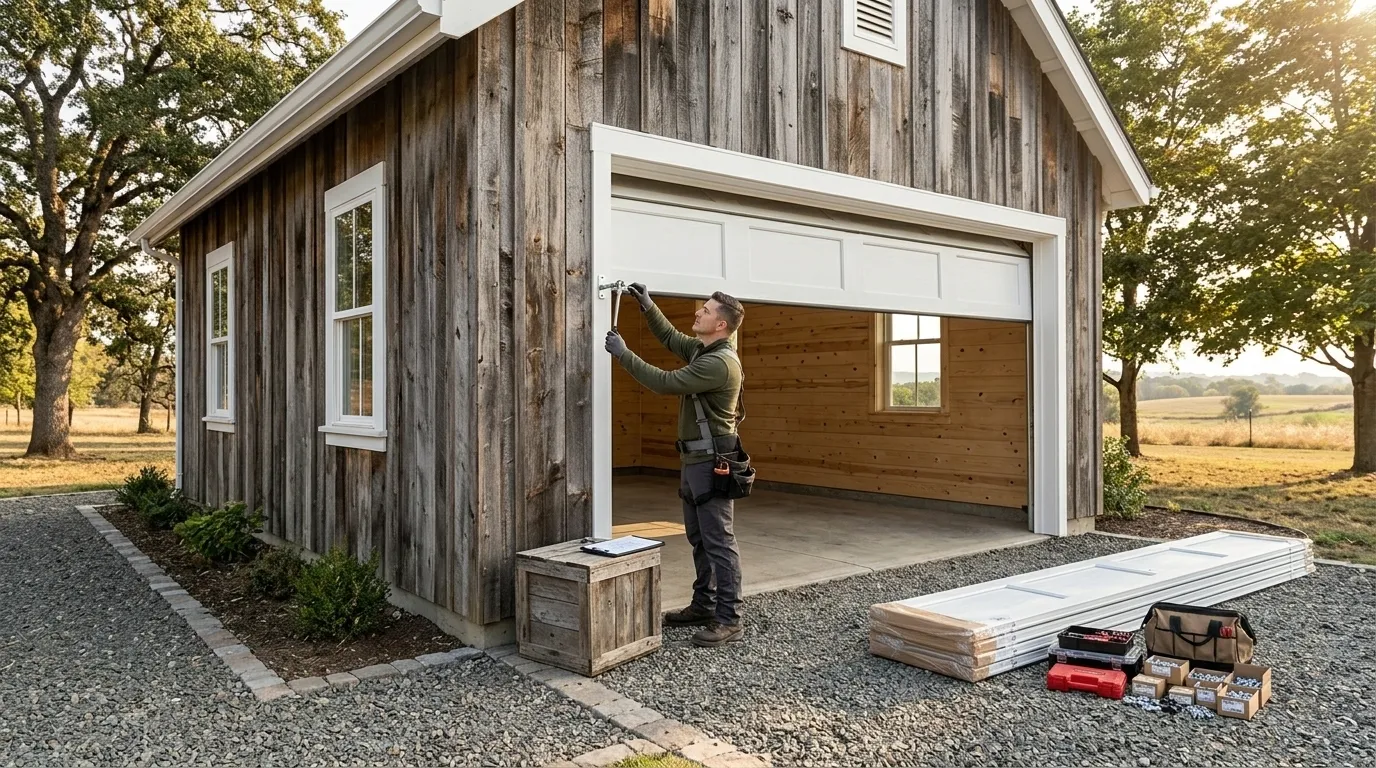
The repair is done, the door is set true and tested, and the work area left clean.

Serving Reynoldsburg, OH - tell us what your door’s doing and we’ll take it from there.

How we work

What to expect

Diagnosis firstEvery visit starts by finding what actually failed - not a pre-written parts list.
The right part for the doorSprings and openers matched to the door’s weight and age, so the fix holds up.
Straight answersWhen a repair makes more sense than a replacement - or the reverse - you hear it plainly.
Clean, careful workTension released safely, hardware set true, the door tested under power before we leave.
Questions

Frequently asked

Straight answers about garage door repair in Reynoldsburg. Still unsure? Ask us directly.

Is it worth repairing an original door from a 1960s or 70s Reynoldsburg house, or should I just replace it?

Depends what's failing. A spring or roller swap on an otherwise sound steel door is usually worth doing. But if the panels are rusted at the base or the track is bent from age, you're pouring money into a door that's already near the end of its service life - replacement ends up cheaper over a few years.

Why does my garage door feel worse in winter?

This area's climate band is classed cold and severe, and that stress lands hardest on torsion springs and nylon rollers. Cold steel contracts, cold nylon gets brittle, and both wear out faster through repeated freeze-thaw swings than they would somewhere milder.

What kind of replacement door fits my neighborhood?

Most homes here date to the 1960s-70s building era, and household incomes across the service area sit around $94,040 median. Jobs we see most often land on insulated steel doors with a belt-drive opener - not the cheapest option, but matched to the housing stock and what owners here typically want.

Do you serve areas outside Reynoldsburg itself?

We work across the surrounding service area, including nearby pockets like Whitehall, Blacklick Estates, and Gahanna, which share the same building era and the same climate exposure as Reynoldsburg.

Ready to get your garage door sorted?

Tell us what it’s doing and where you are in Reynoldsburg - we’ll take it from there.

Request a QuoteCall