This Area's Housing
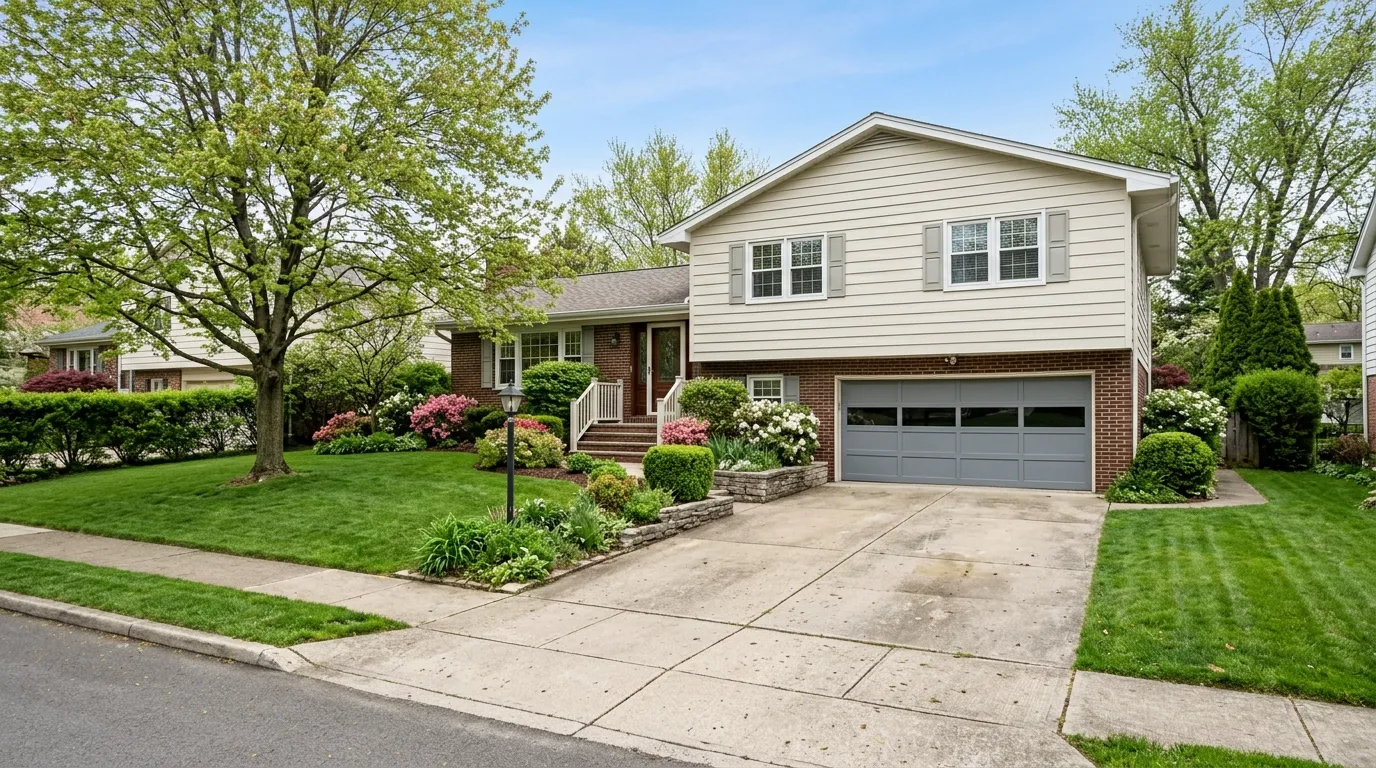
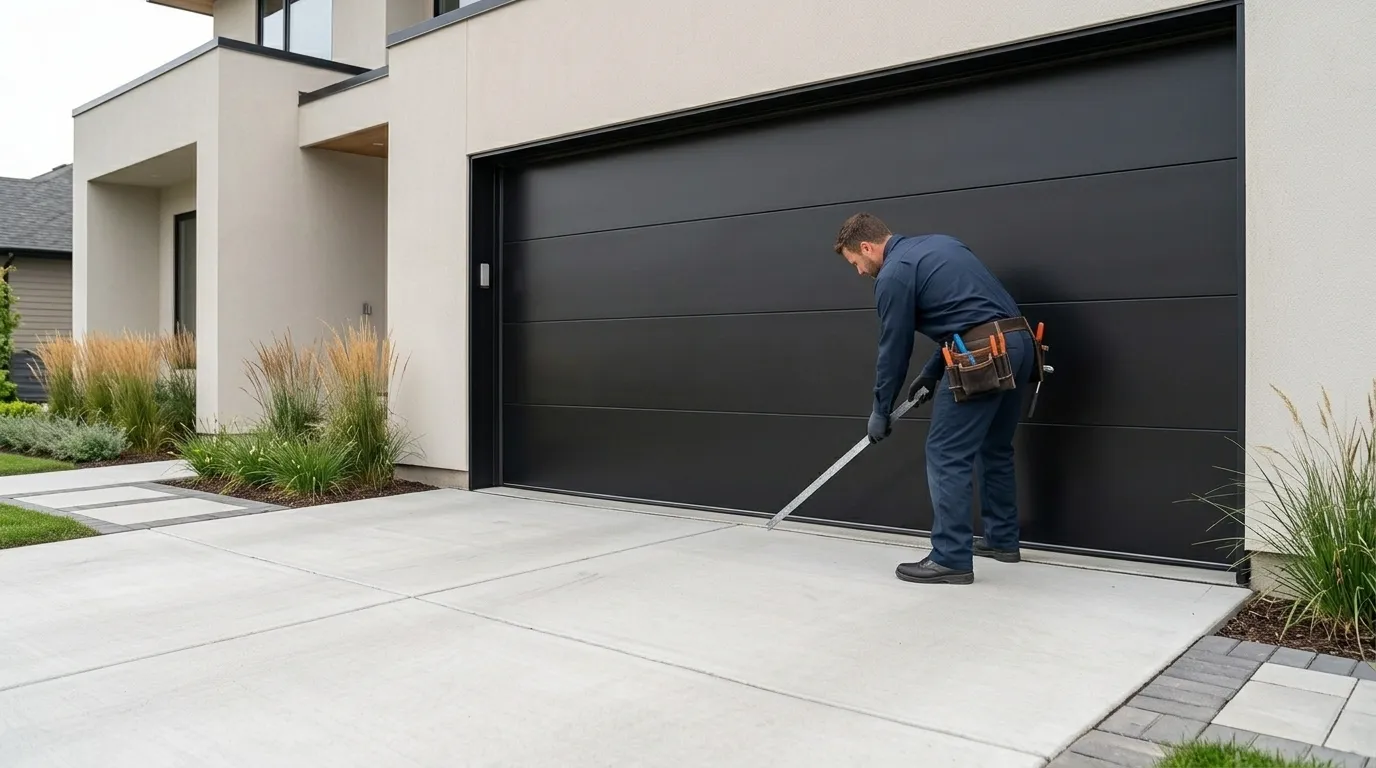
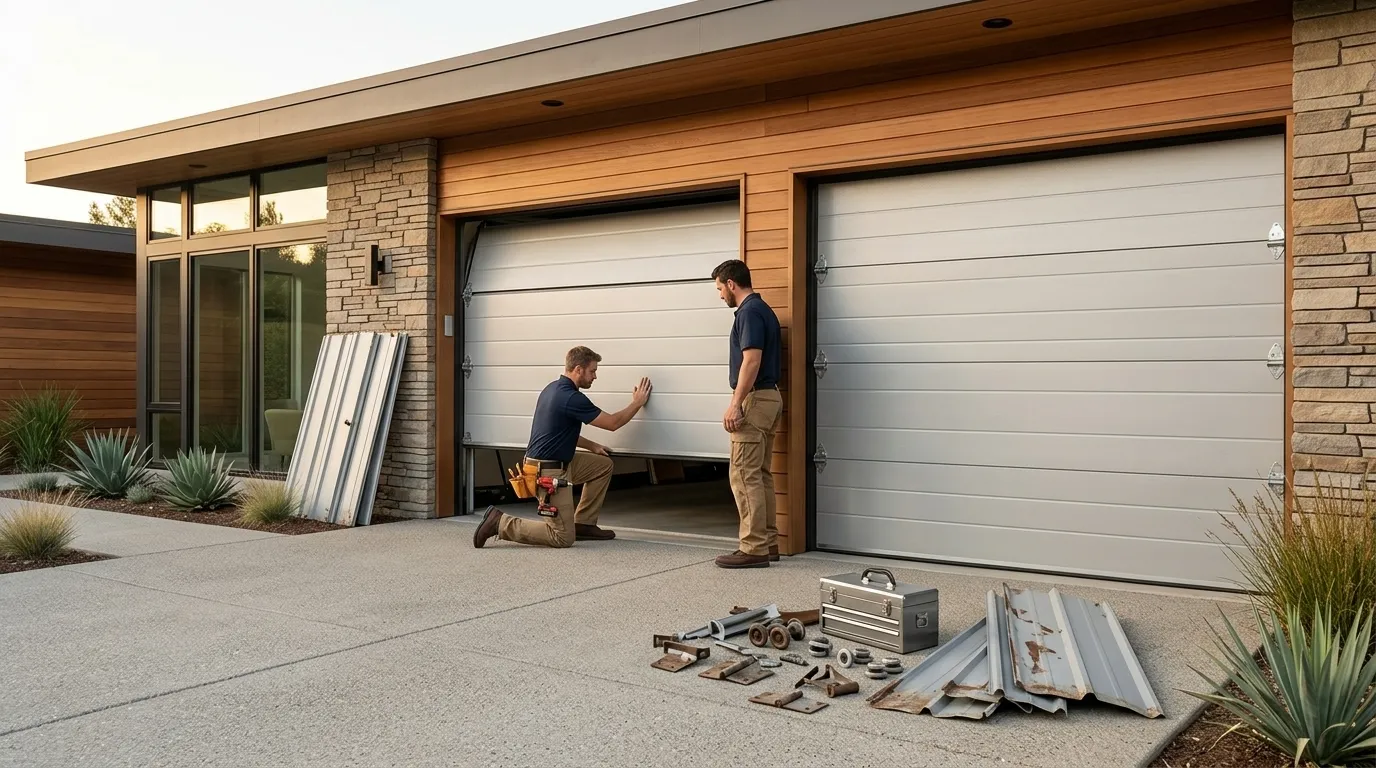
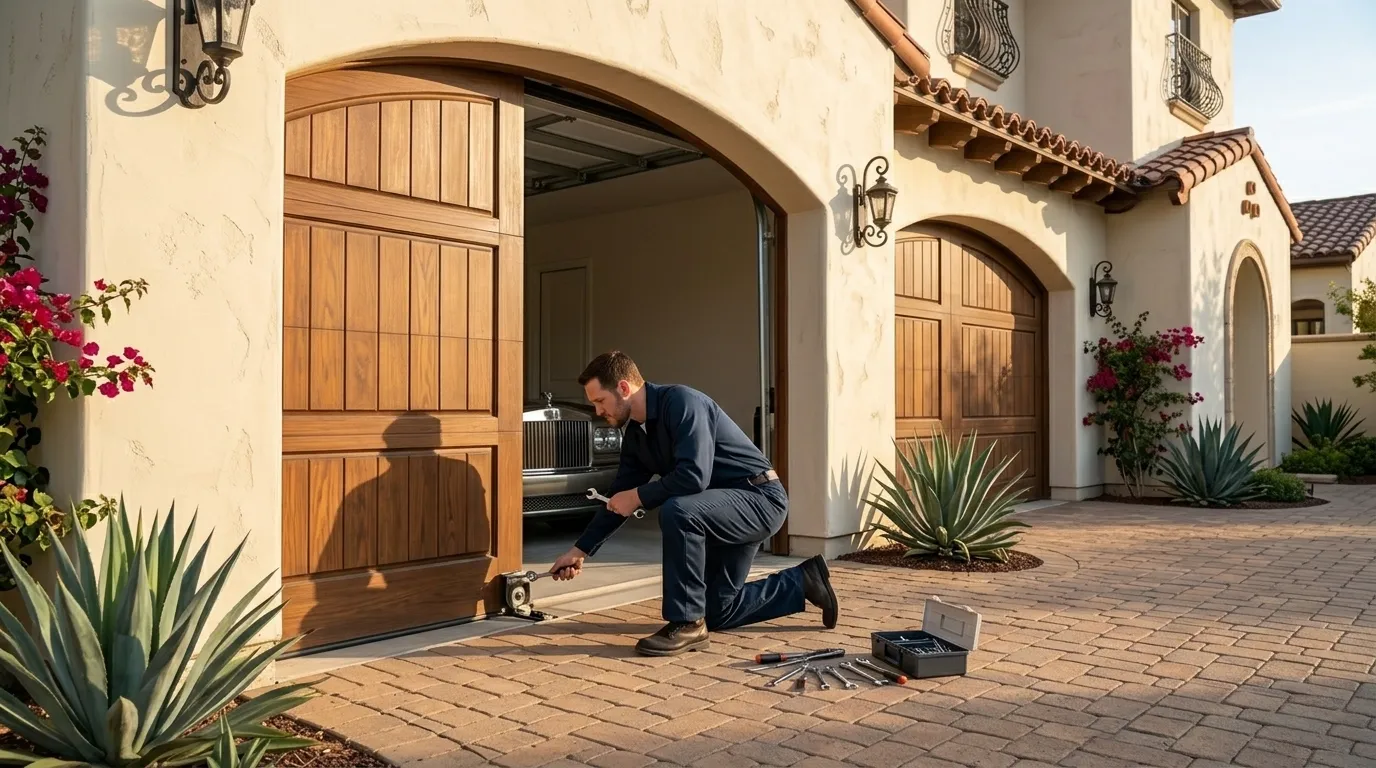
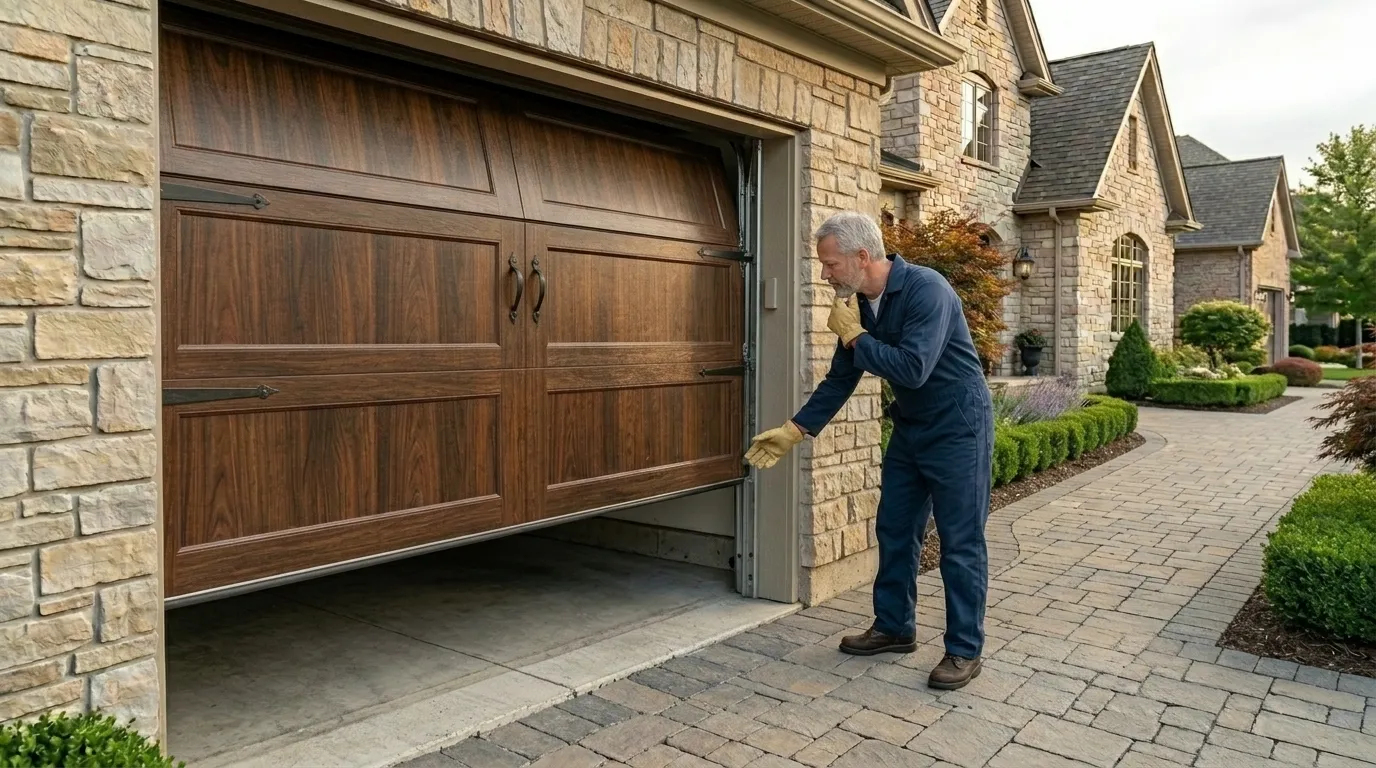
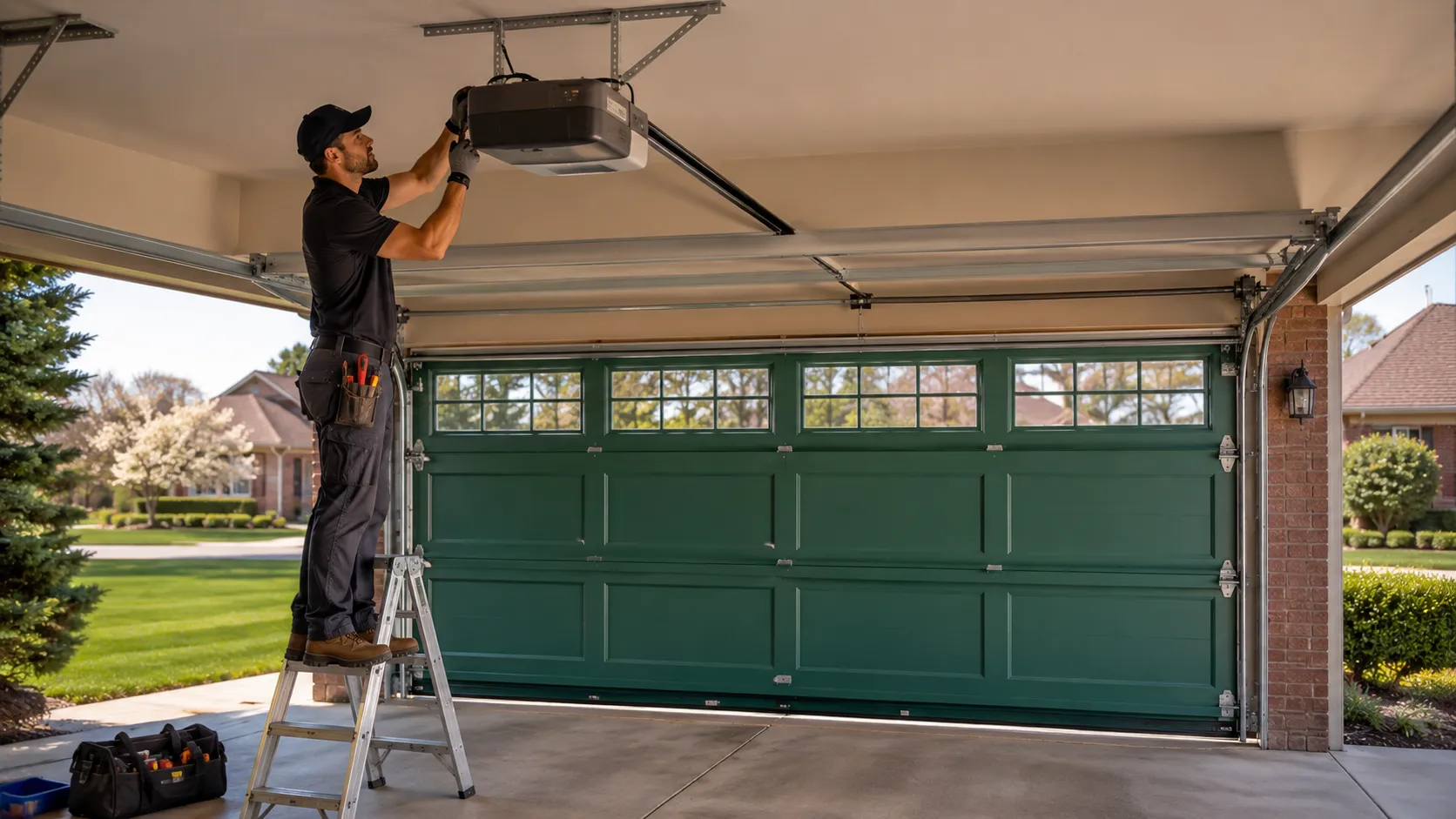
New Albany skews younger than most of the territory we cover. The typical house here went up around 2005, decades after the 1938-2006 spread you see across the wider service area, where most stock actually dates to the 1960s and 70s. That gap matters. A garage built in 2005 came with a steel insulated door, a chain or belt-drive opener with photo-eye sensors, and torsion springs sized for a heavier, better-sealed panel. Median household income here runs $232,524, well above the area-wide $94,040, and it shows in the doors themselves - more custom carriage-style panels, more windows, more houses where the garage door is a visible design feature rather than just a box for the car. With about 3,495 households in New Albany, this is a smaller, newer pocket inside a much older regional housing stock, and the failures we see reflect that.
How That Shows Up in the Door
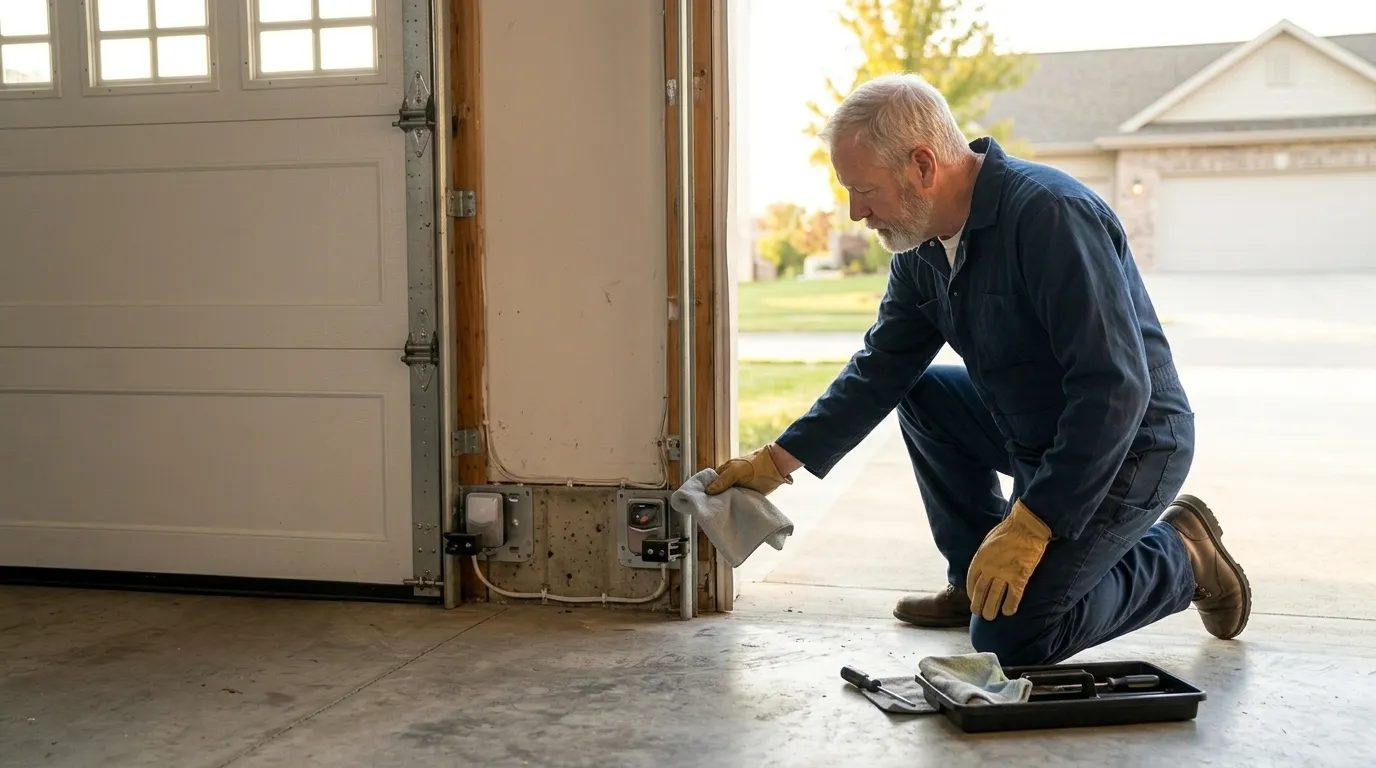
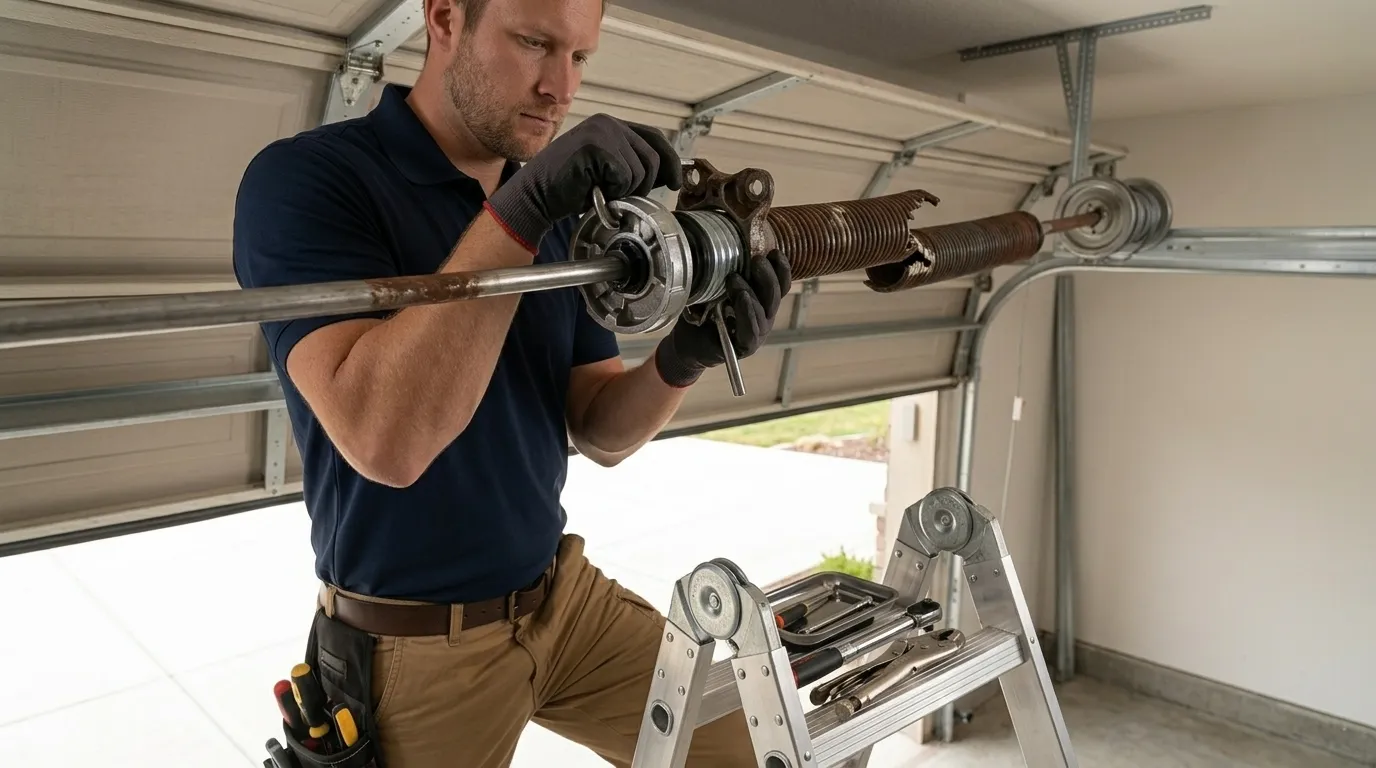
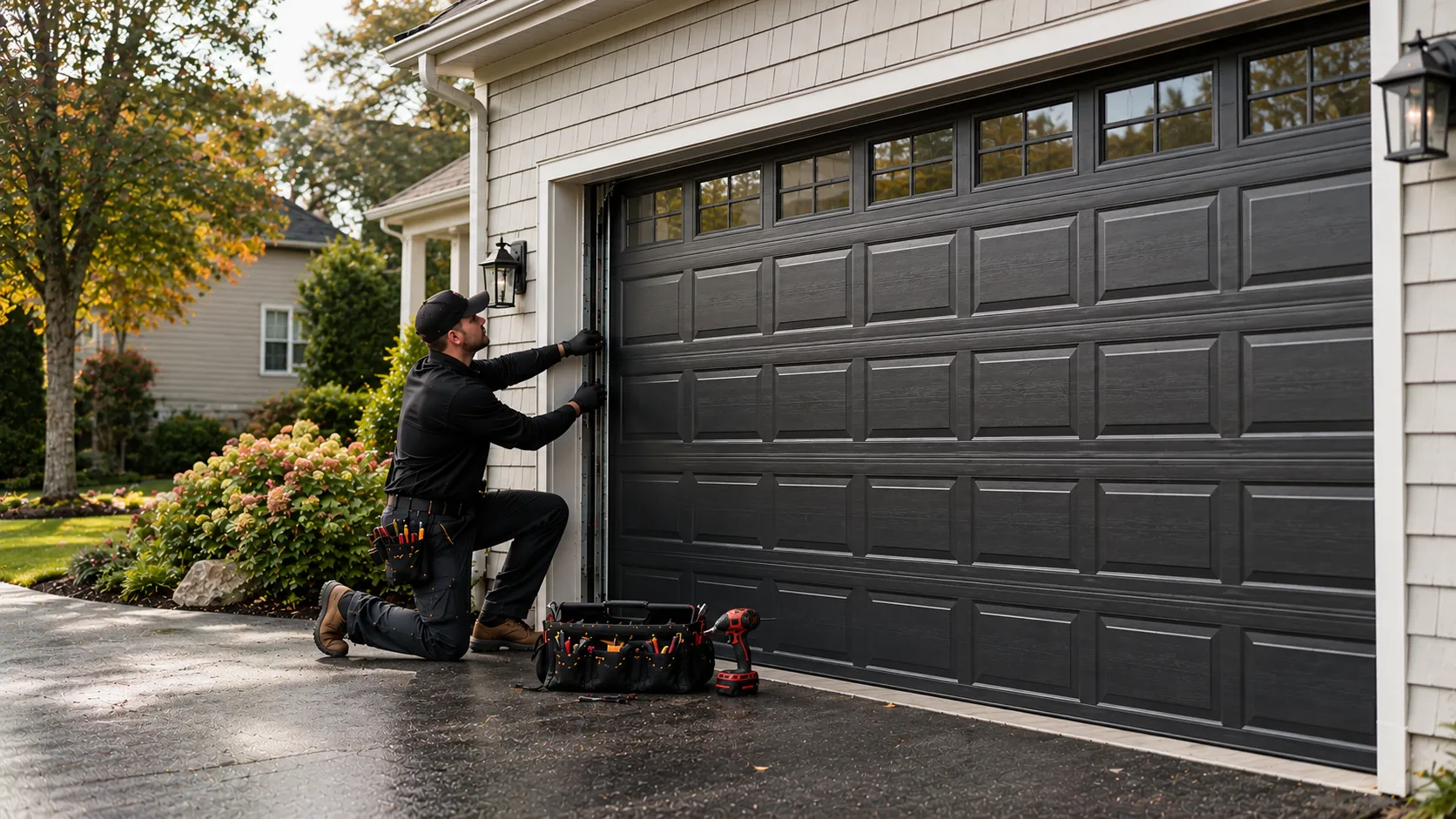
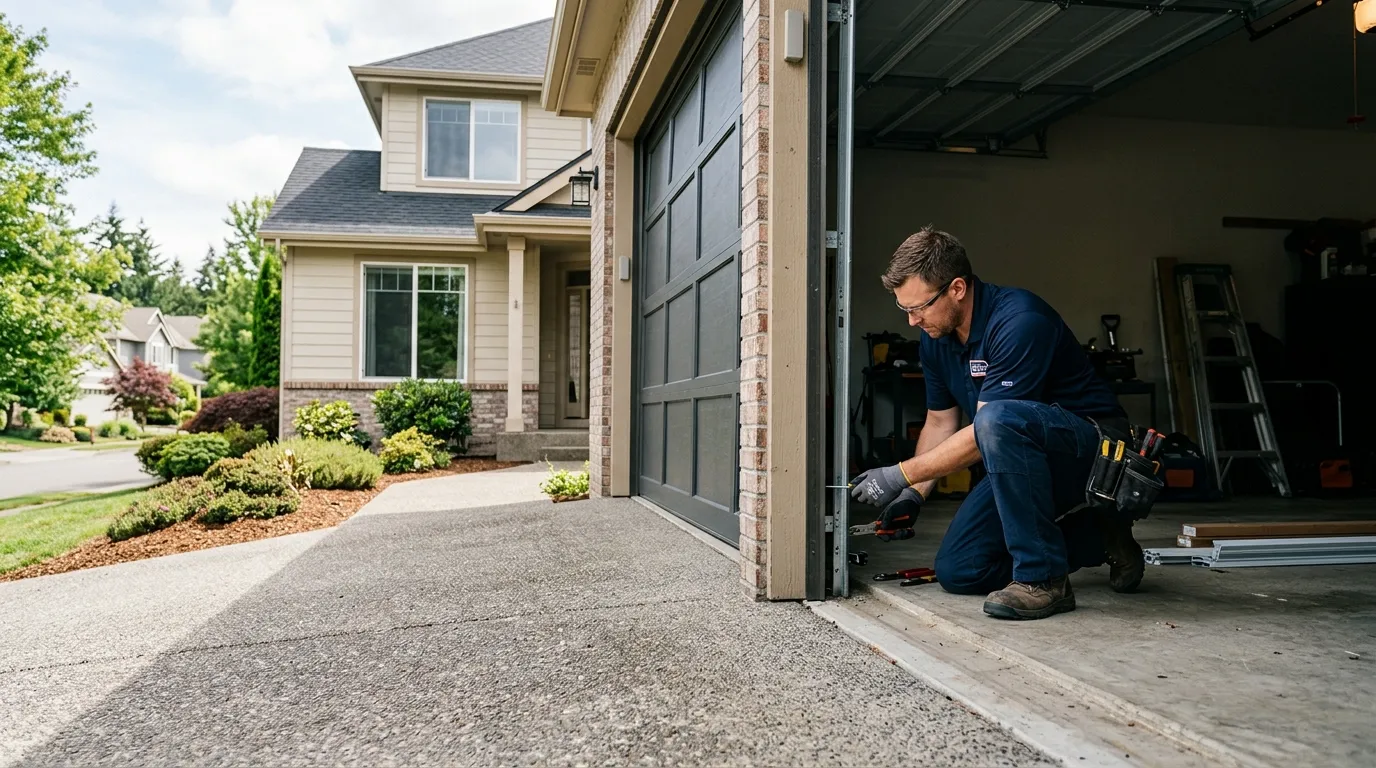
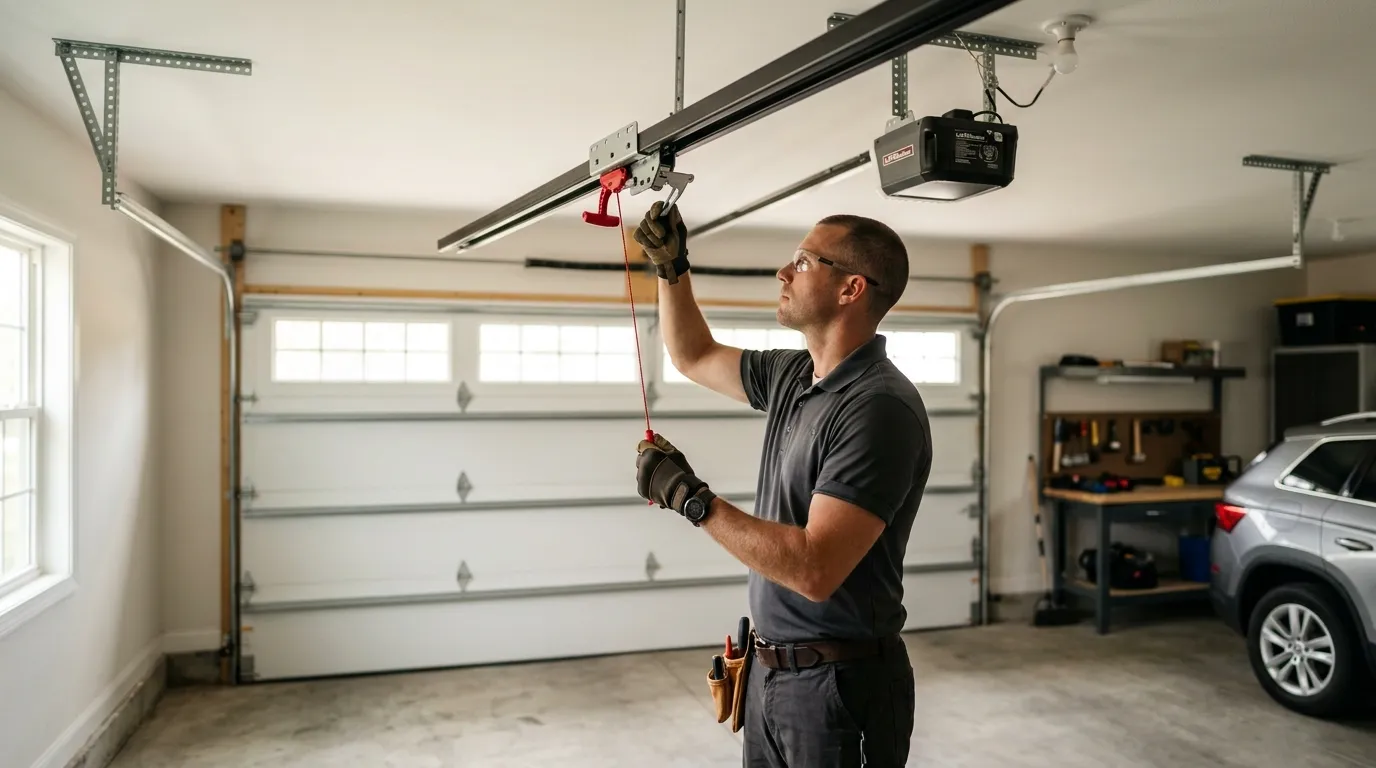
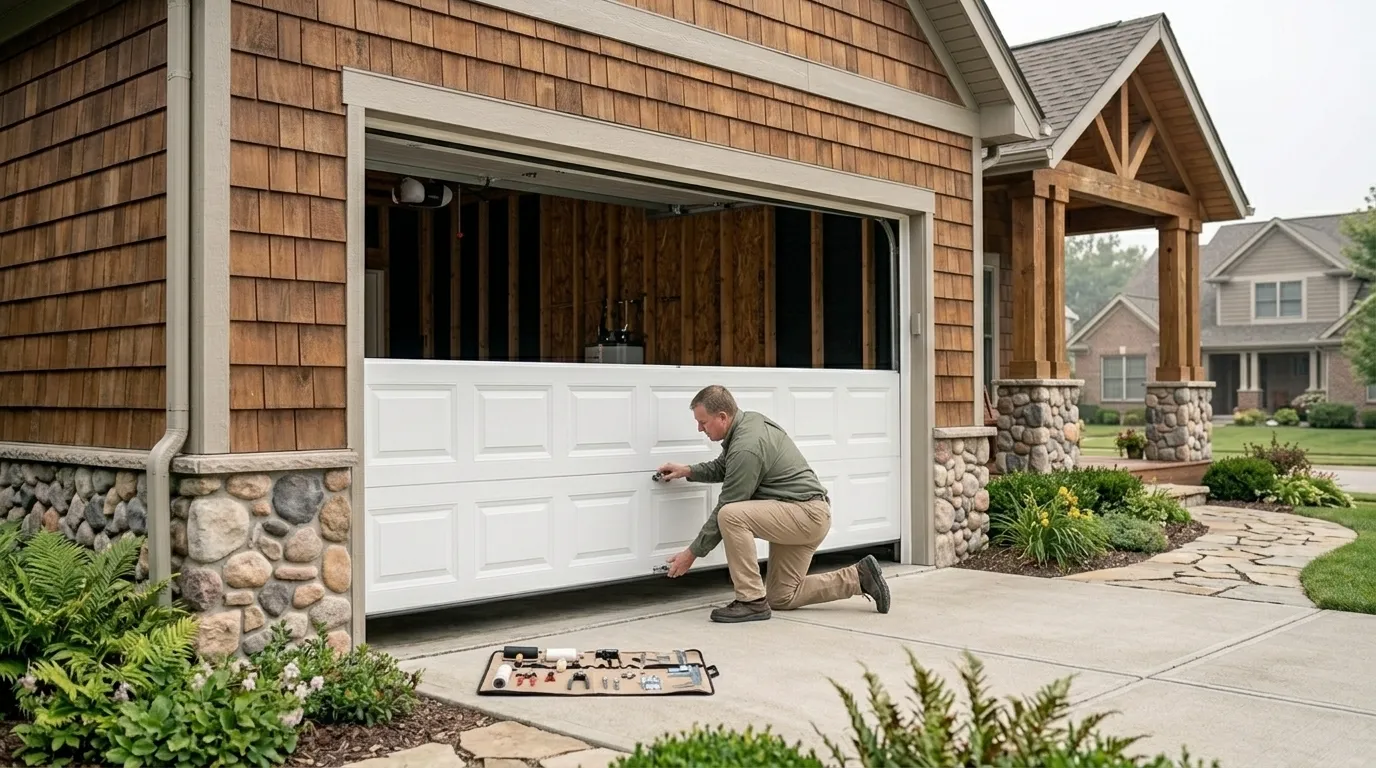
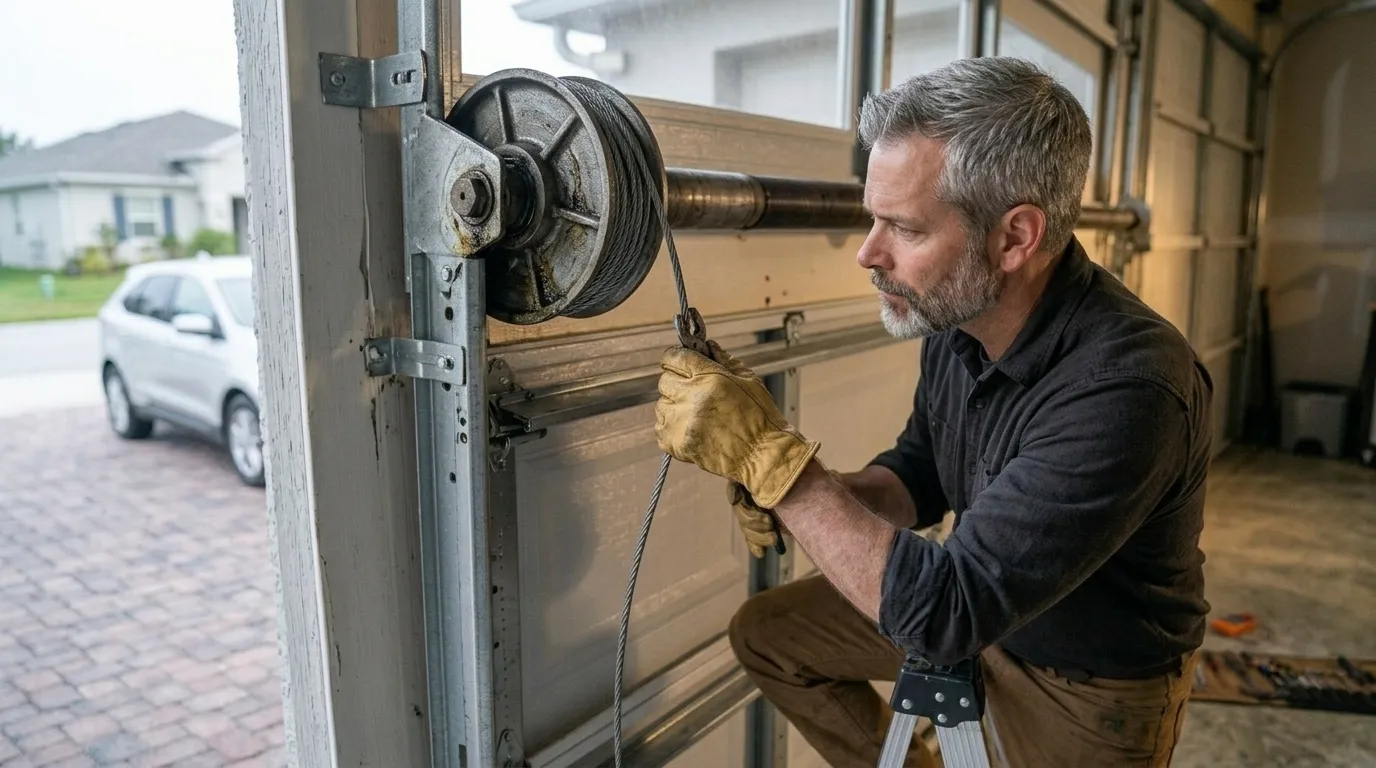
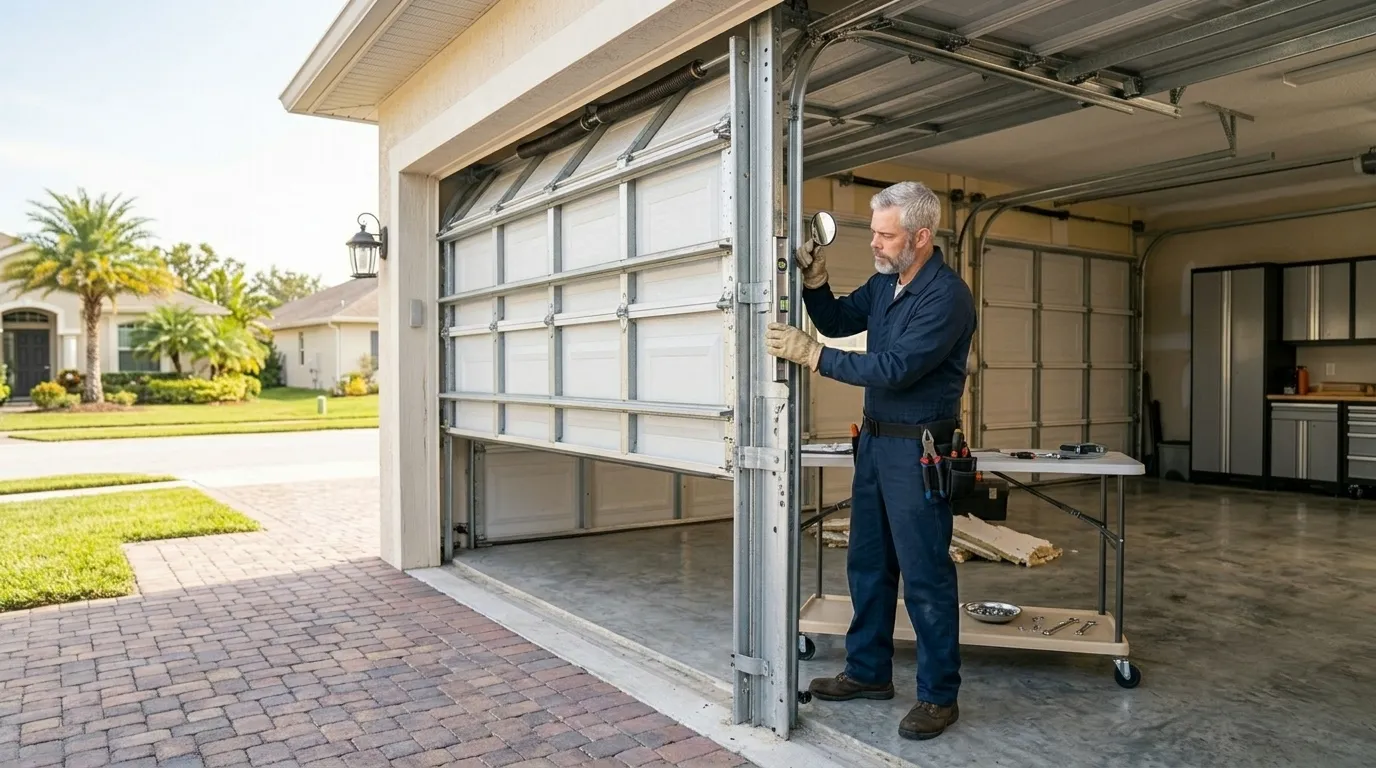
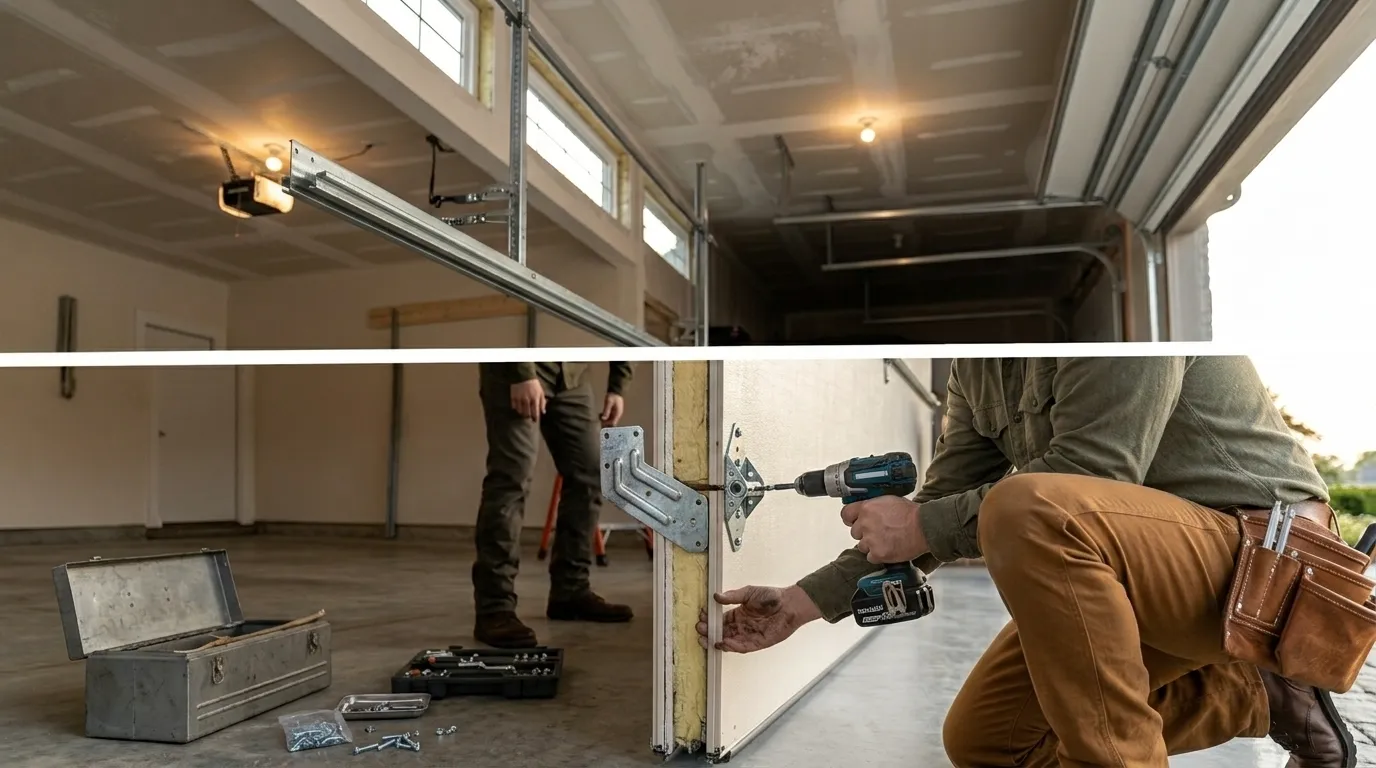
Newer construction means newer failure points, not fewer of them. On a 2005-era door, we're rarely dealing with the seized, decades-old hardware you find on a 1965 house - we're dealing with circuit boards, wall consoles, and safety sensors that have simply worn out after fifteen-plus years of daily cycling. Springs on these doors were often sized close to the edge for the insulated panel weight, so a spring that's cycled its full lifespan can snap without much warning. Cold-climate swings still matter here - this is a COLD severe climate band, and a steel door with foam-core insulation still contracts and stresses its seals and hinges every winter, same as older stock. What's different is that on a newer door, a bent track or misaligned sensor is more often the actual problem than a worn-out mechanical spring.
The Drive Over
We run out of Reynoldsburg, and New Albany sits about 9 miles from there - not a same-day-instant hop, but a manageable run and one we make regularly for this part of the territory. We don't keep a depot or a crew stationed in New Albany itself; the truck comes from Reynoldsburg for every call. That's worth knowing if timing matters to you: we're not sitting around the corner, we're driving in. What we can tell you is that the distance is short enough that it doesn't change how we price or schedule work here compared with closer-in areas.