This Area's Housing
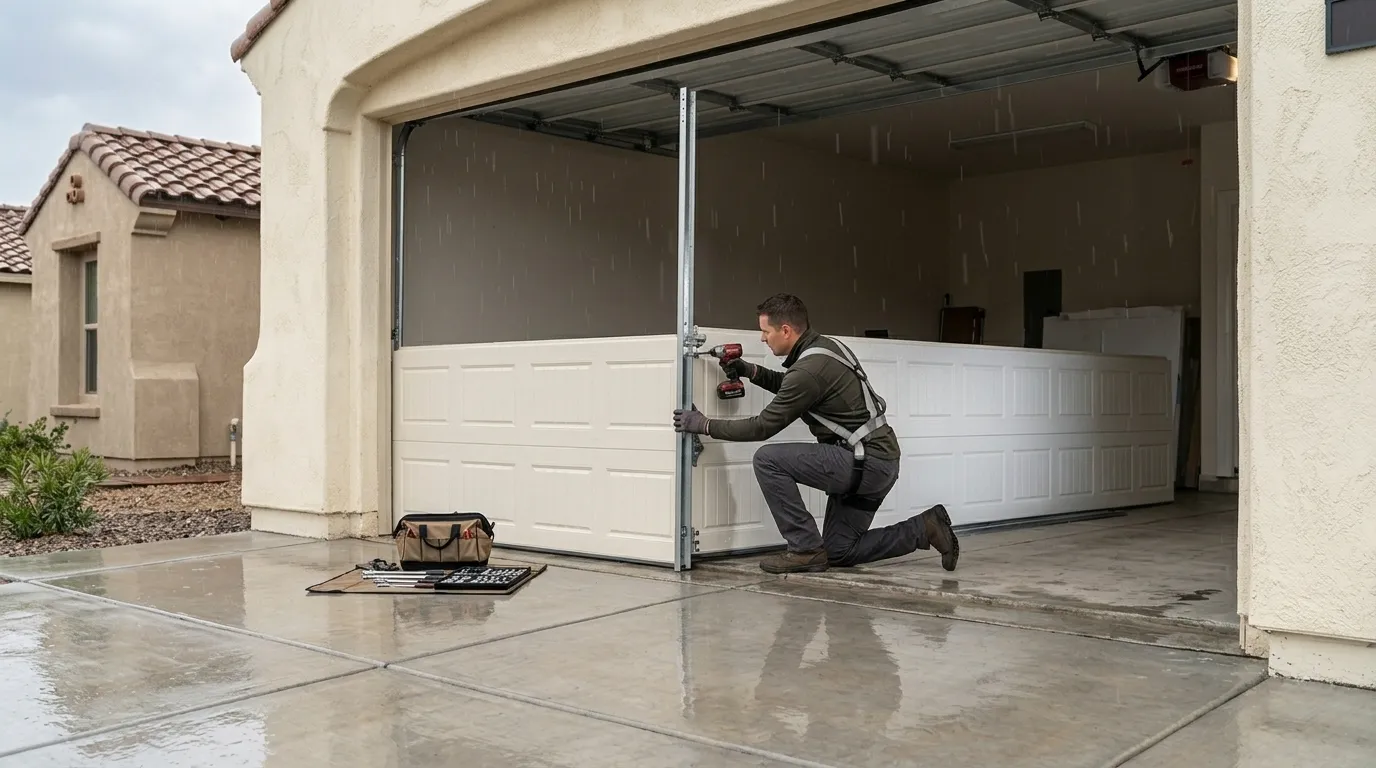
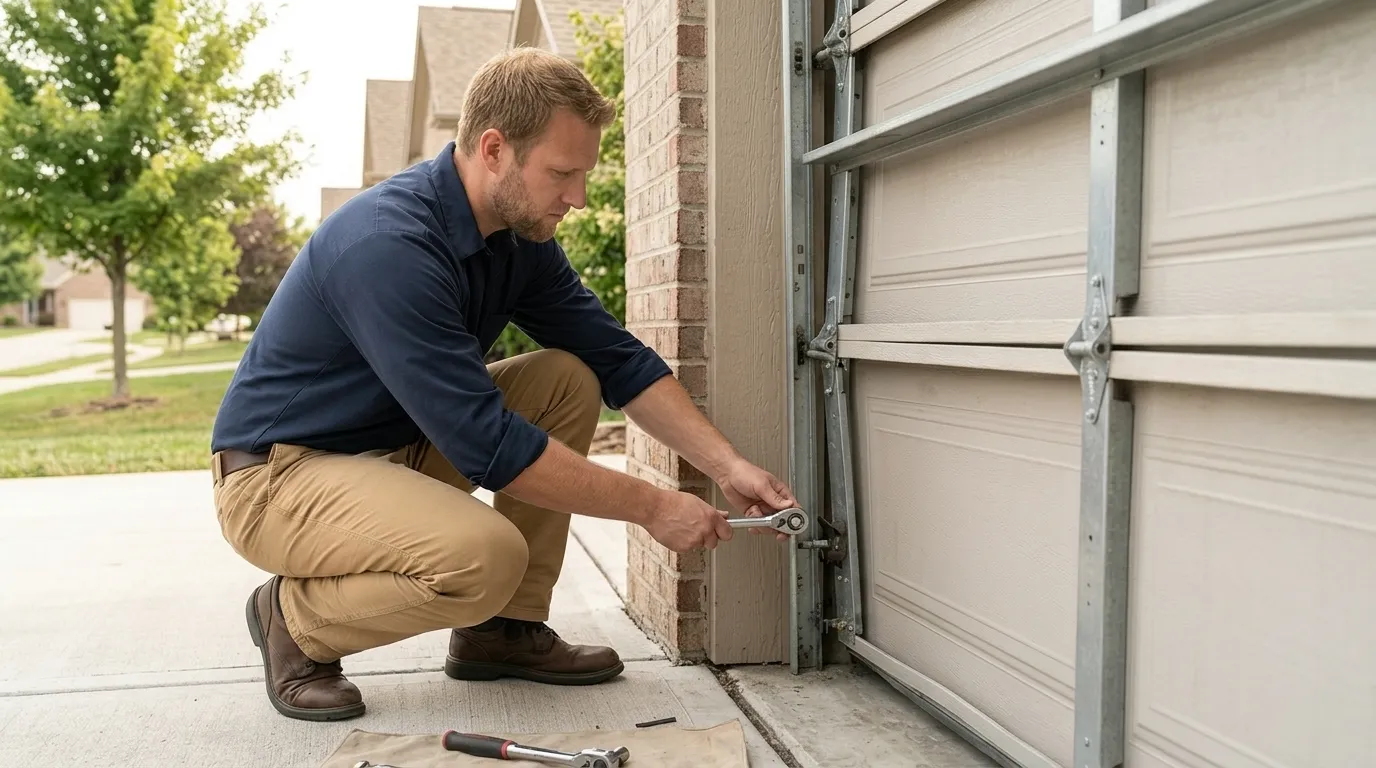
Lithopolis doesn't match the rest of the territory we cover, and that's worth saying plainly. Median year built here is 2004, roughly a quarter century newer than the 1977 median across the wider service area, where most stock dates from 1938 to 2006 and clusters in the 1960s and 70s across the thirty-some communities we reach. Lithopolis is small, around 760 households, and it's also better off than the region as a whole. Median household income here runs $109,219, well above the $94,040 median for the broader service area. That combination - newer construction, higher income, smaller household count - means the doors going up on garages here aren't the same doors we're pulling parts for in the older neighborhoods closer to Reynoldsburg. Builders in the early 2000s were putting in factory-insulated steel doors with sectional panels and torsion springs as standard, not the older extension-spring, one-piece setups you find on 1960s-era garages. If you own one of the rarer older homes in the area, your door may look more like what we see elsewhere in the region, but the typical Lithopolis garage is a younger system with different weak points.
How That Shows Up in the Door
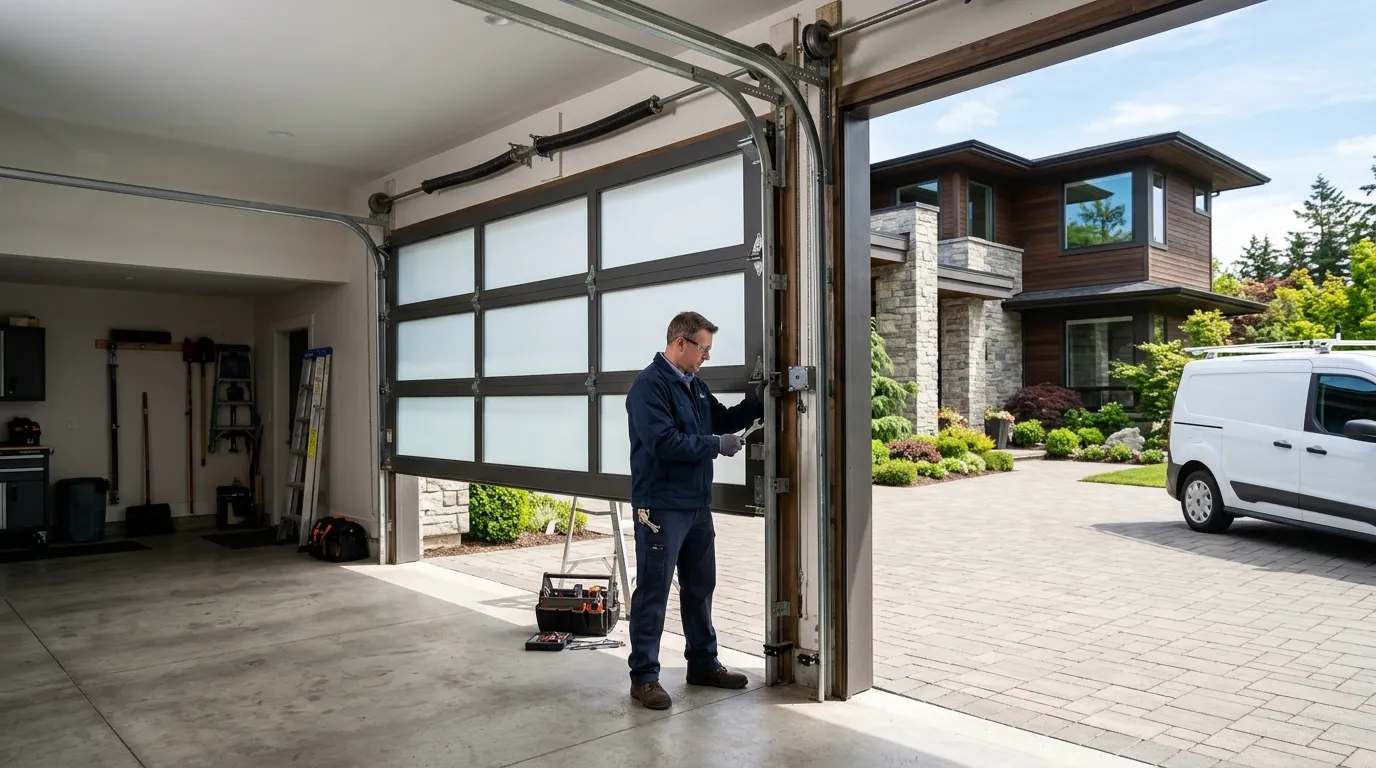
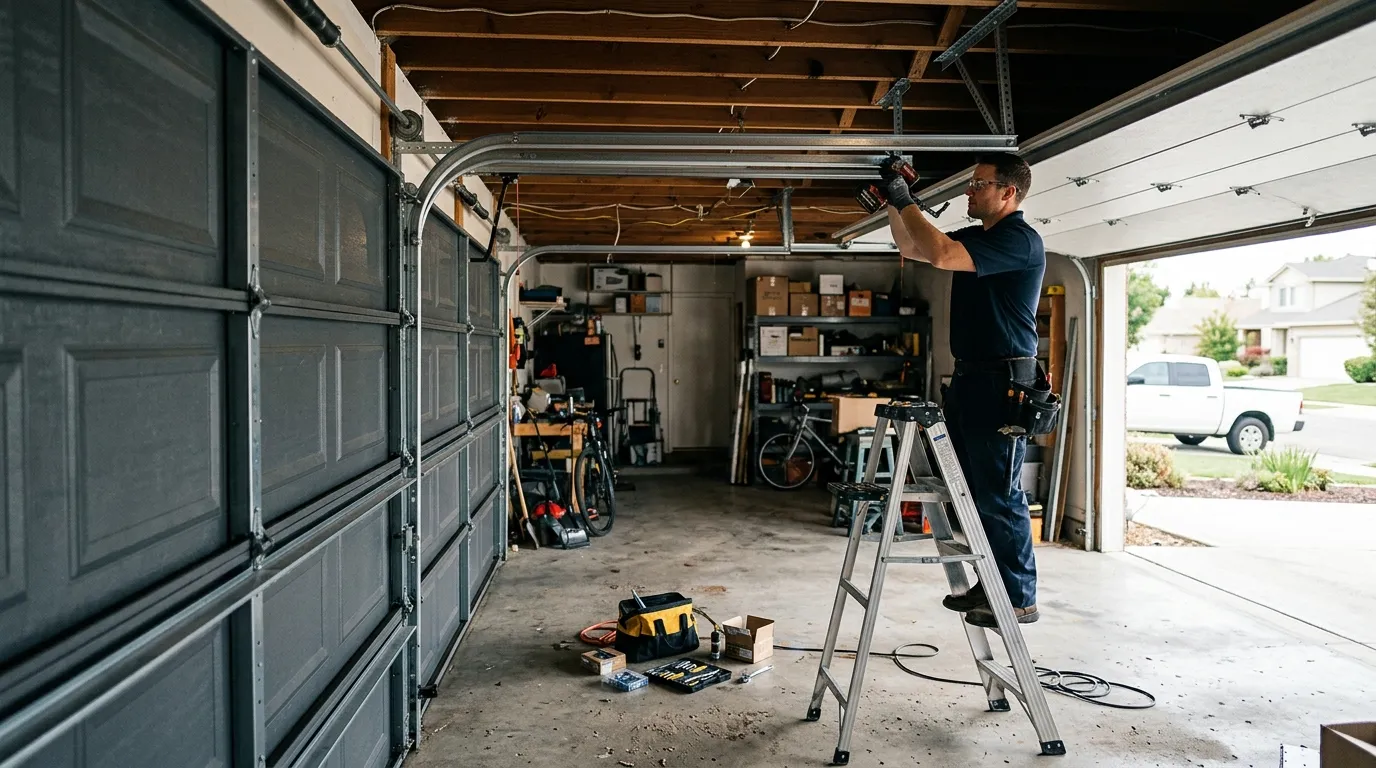
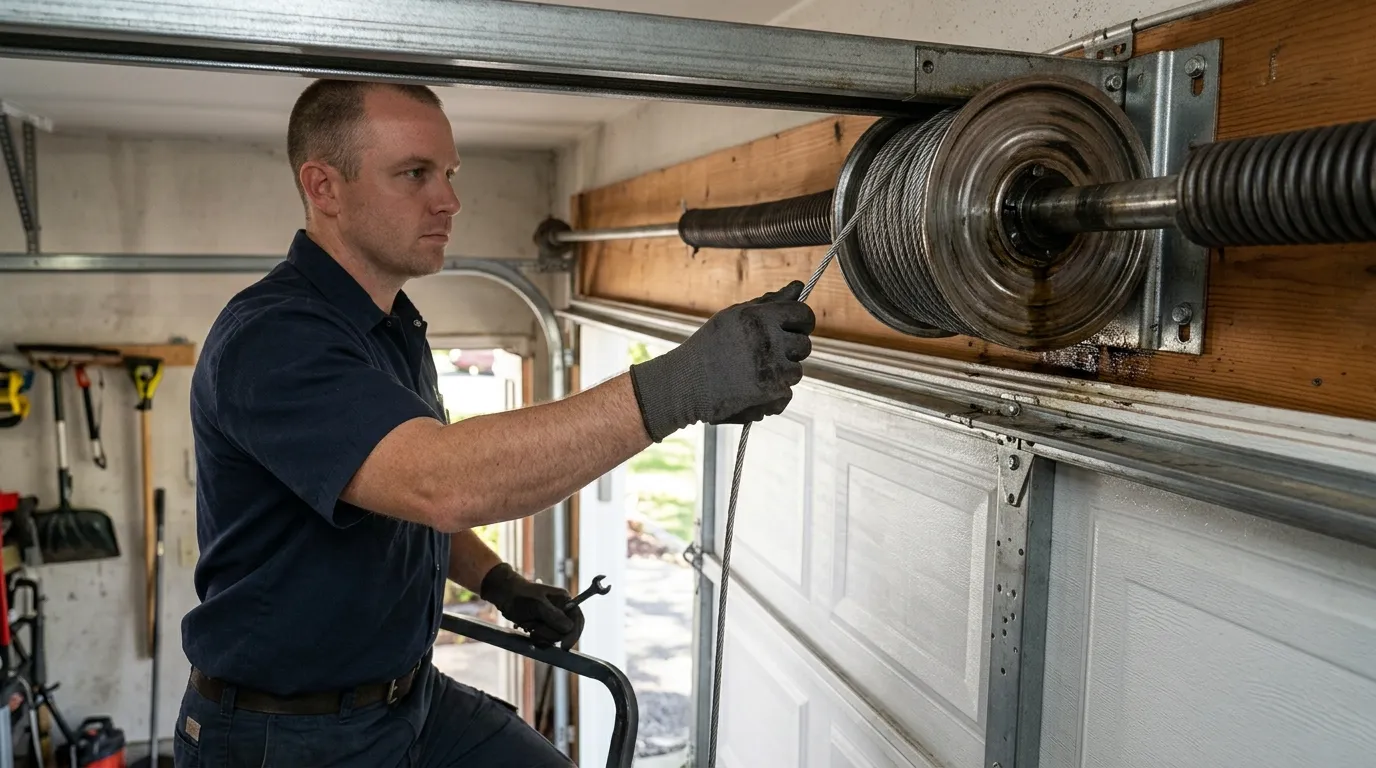
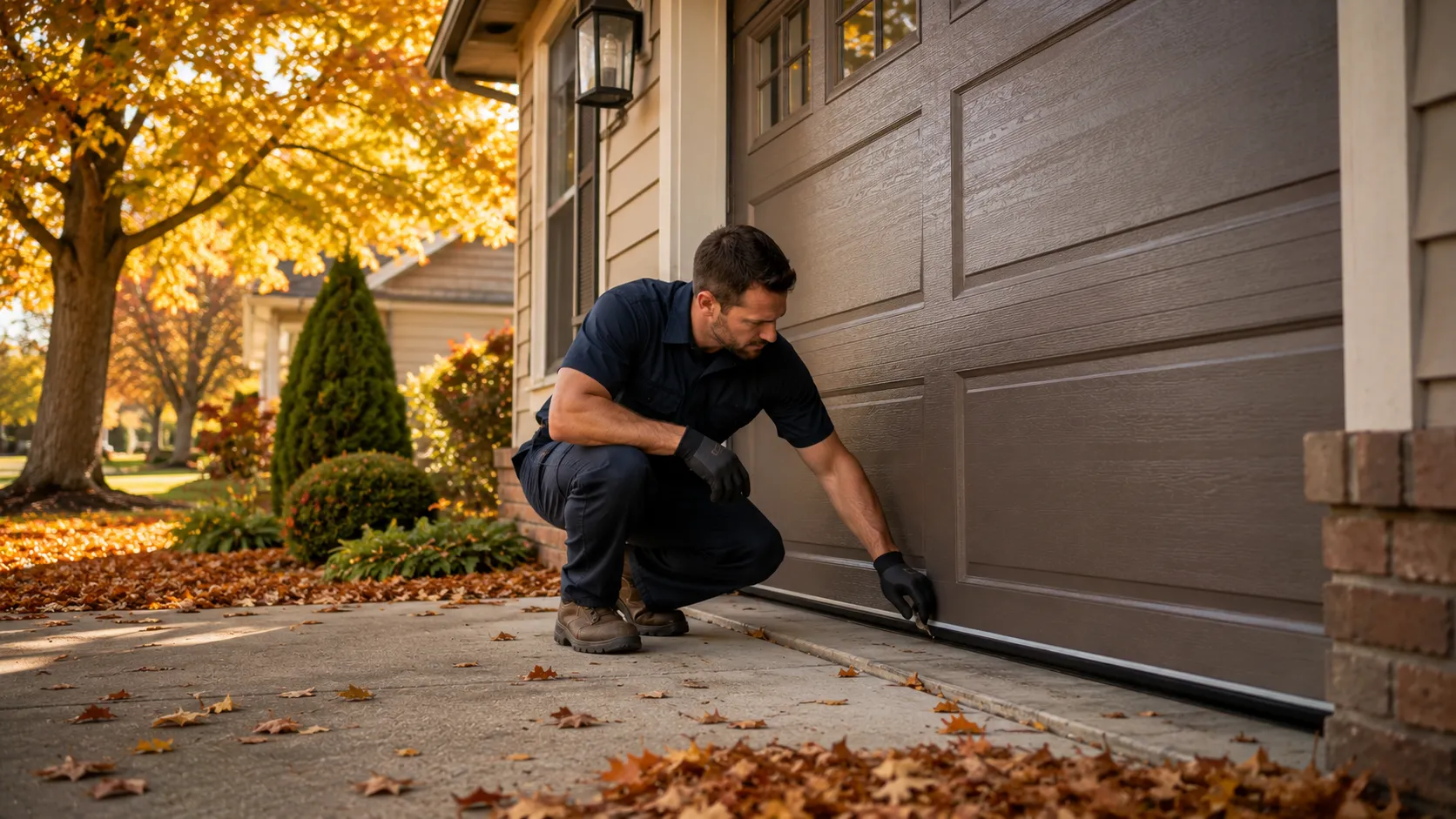
Because most houses here went up after 2000, the failures we see are less about tired one-piece doors and more about modern opener electronics and spring wear. Torsion springs on a 2004-era door are still doing their job under regular cycling and winter cold, and this is a severe cold climate band, so the spring steel goes through more expansion and contraction stress each season than a milder region would put on it. That shortens spring life even on newer hardware. Openers from this construction era are typically chain or belt drive with circuit boards and photo-eye safety sensors, and those sensors are the first thing cold-weather condensation and years of dust tend to knock out of alignment. Weatherstripping and bottom seals on doors this age are usually original vinyl, which gets stiff and cracks in hard winters, letting cold air in around the threshold. None of this means the door is failing structurally the way a decades-old panel might; it means the failure points have moved from the door itself to the opener system and the seals around it.
The Drive Over
We drive out 10 miles from Reynoldsburg to reach Lithopolis. We don't keep a depot or a crew stationed here, so every job means loading the truck and making that trip, same as we would for any of the other communities we cover farther out from the shop. It's a manageable distance, and it's one we make regularly, but we're not going to claim a local presence we don't have or promise a response time we can't guarantee. What we can say is that the trip doesn't change what shows up in the truck - springs, opener parts, seal stock, the same inventory we'd bring to a job closer to home. If you're scheduling a repair or a new door here, know that you're getting a crew coming from Reynoldsburg, not a next-door shop, and plan the visit with that in mind.