This Area's Housing
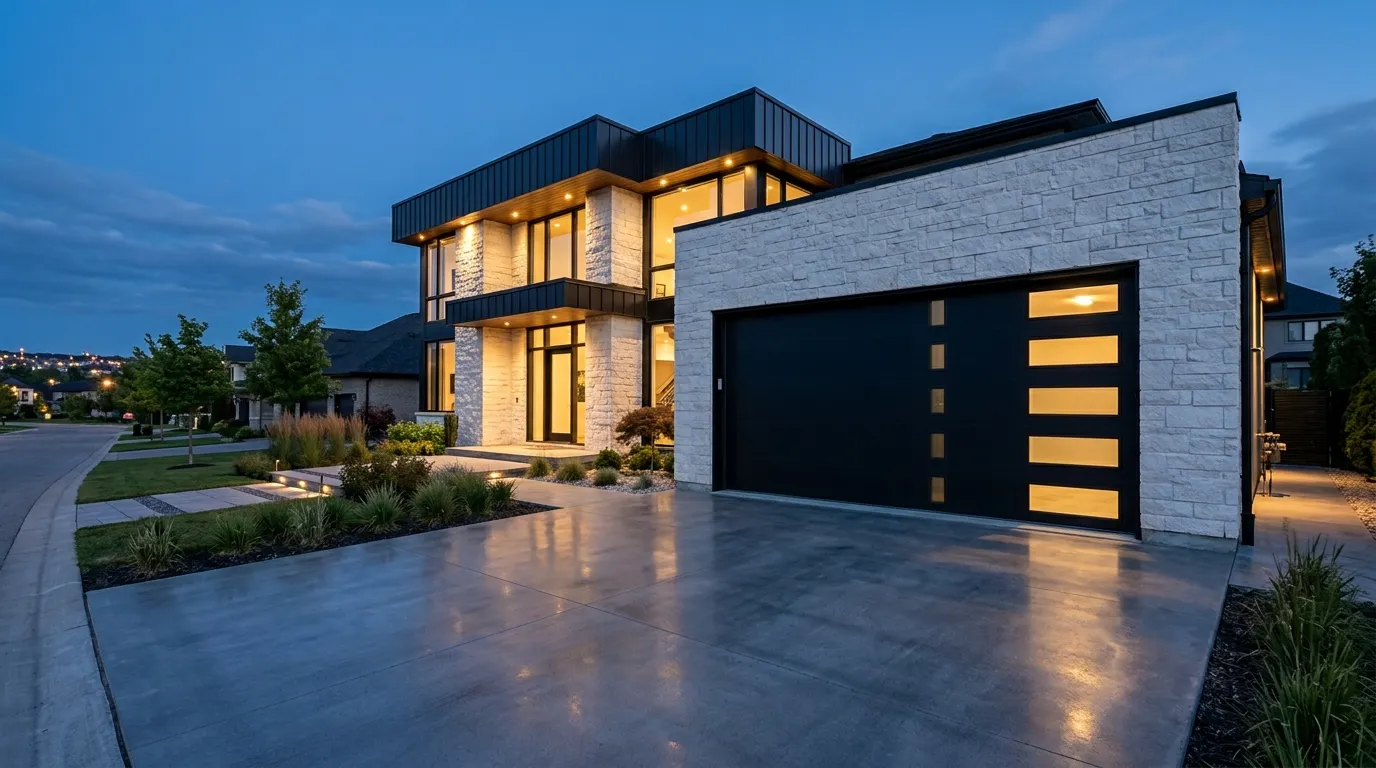
Commercial Point looks different on a housing chart than most of the territory we cover. The wider service area centers on a median build year of 1977, with stock running back to 1938. Commercial Point isn't part of that older wave - its homes cluster around a 2006 median build year, which puts most of the neighborhood in builder-grade construction from the early 2000s housing boom rather than the mid-century tract building you see closer to Reynoldsburg.
That gap matters because a door installed in 1975 and a door installed in 2004 are built to different standards, with different spring systems, different track gauges, and different opener mounting. Commercial Point is also one of the smaller pockets on our route, at roughly 890 households, and household income here runs a bit above the broader service area's $94,040 median, landing around $96,154. That tends to track with the newer subdivisions - more two-car and three-car garages, more sectional steel doors instead of older wood or one-piece panels.
We don't have census figures broken out finer than that for this specific pocket, so we're not going to guess at street names or subdivision counts. What we can say with confidence is that the housing age here sets it apart from most of what we service, and that changes what actually breaks.
How That Shows Up in the Door
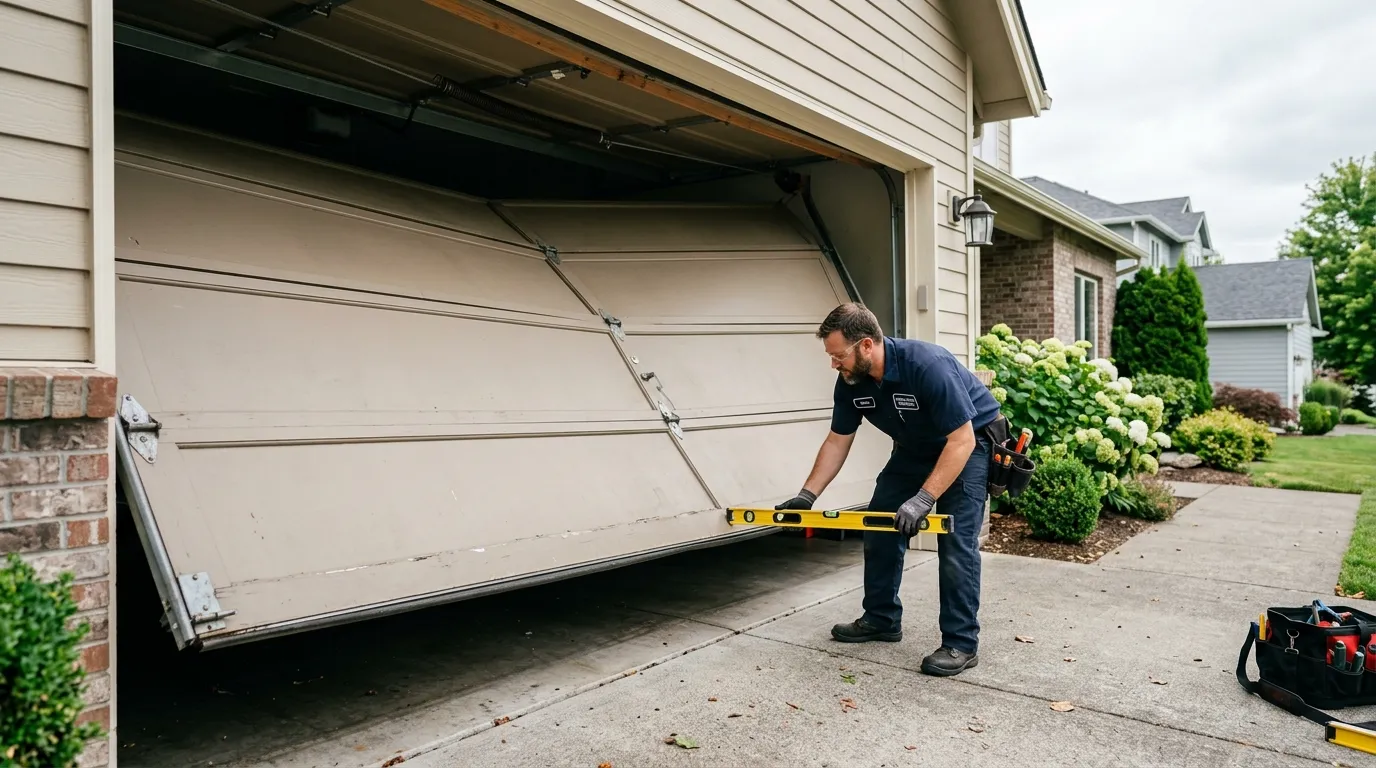
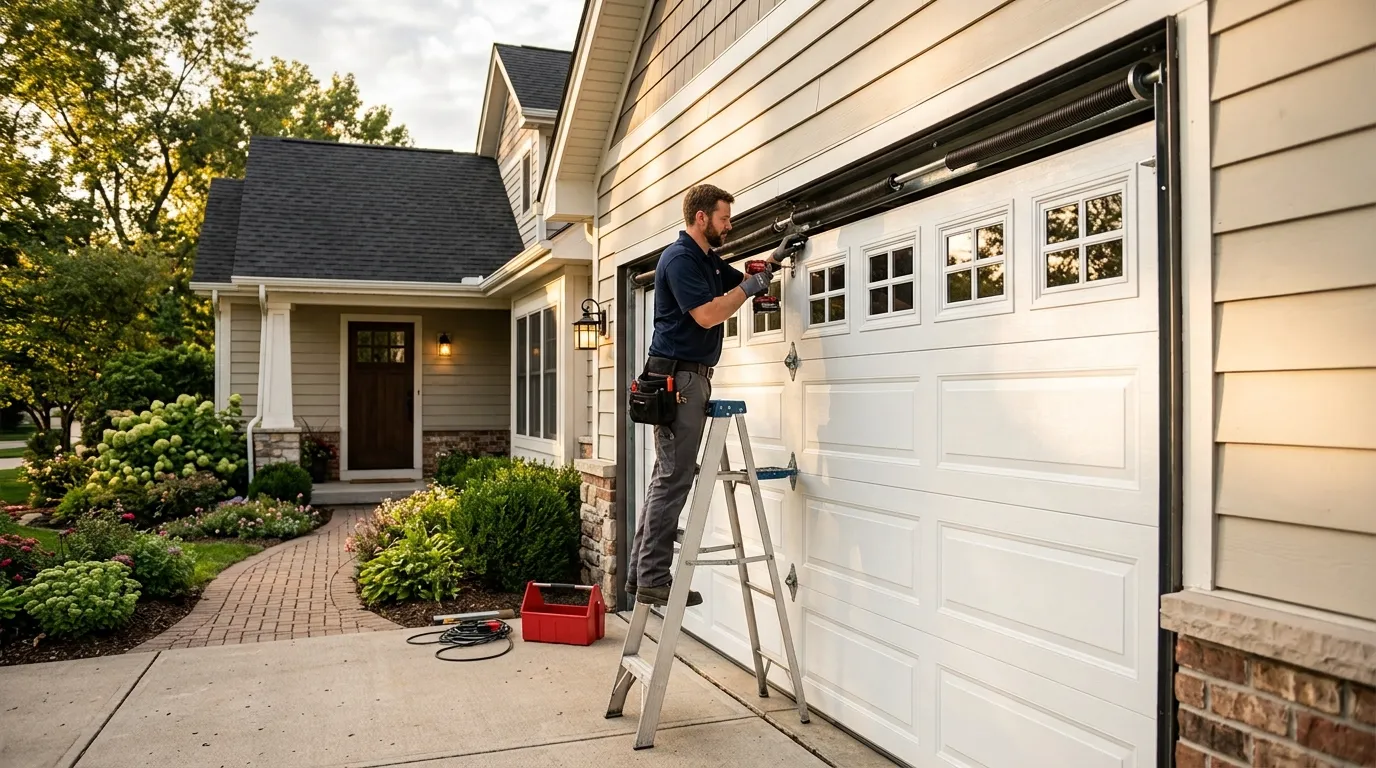
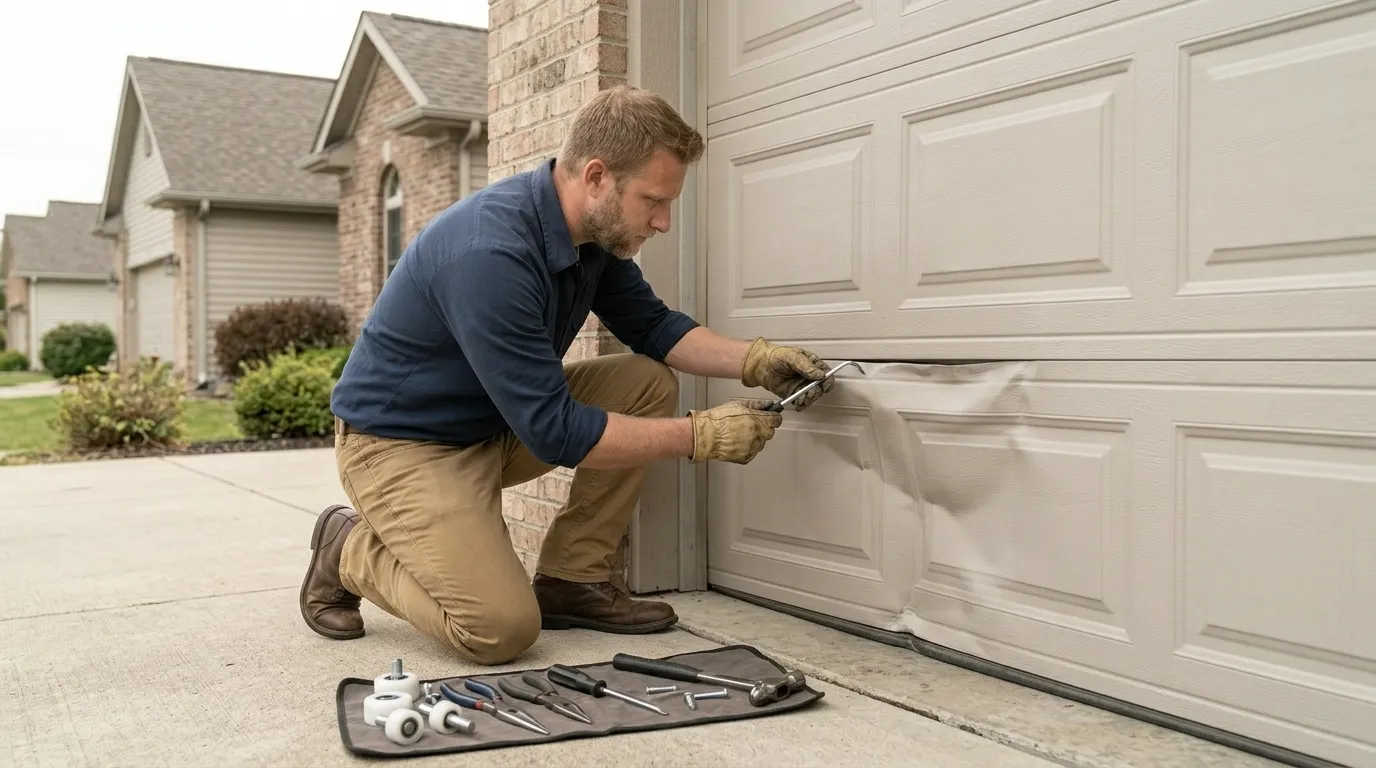
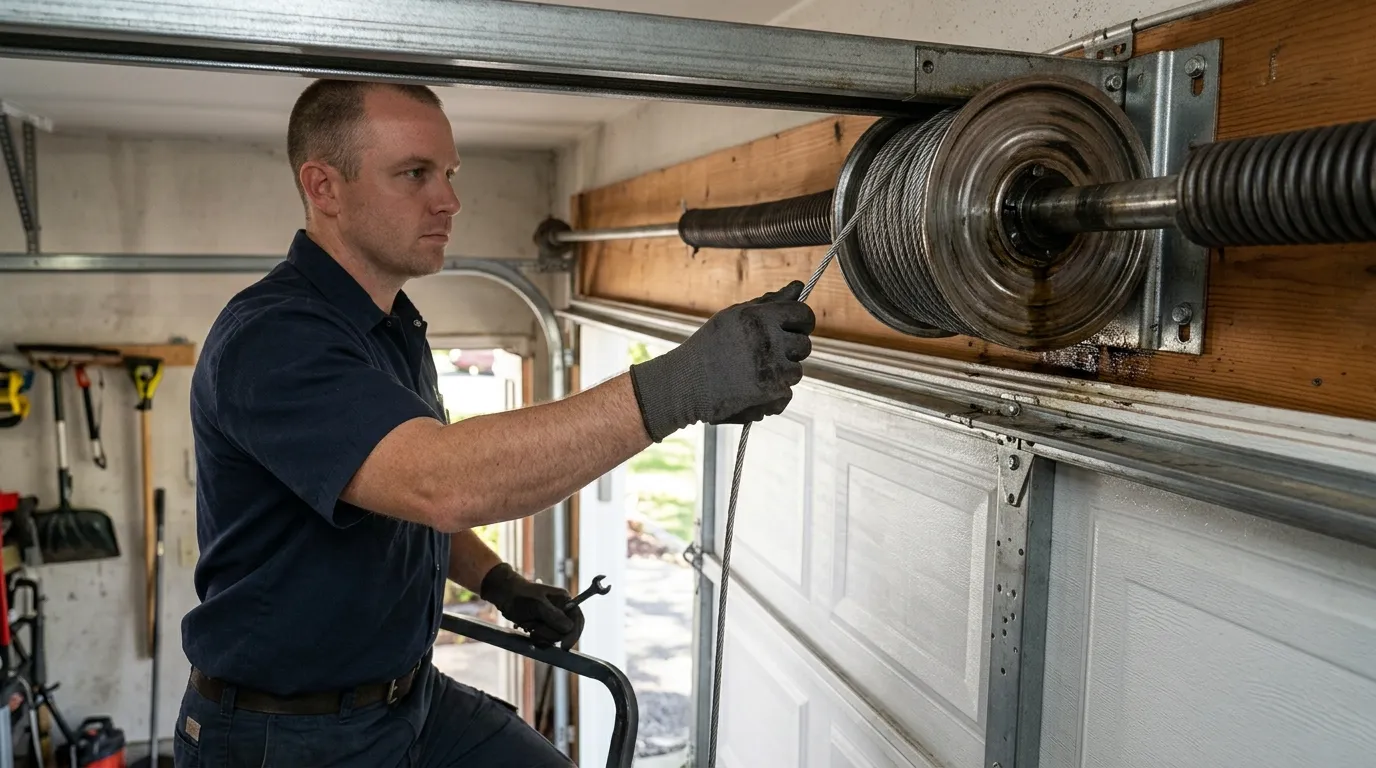
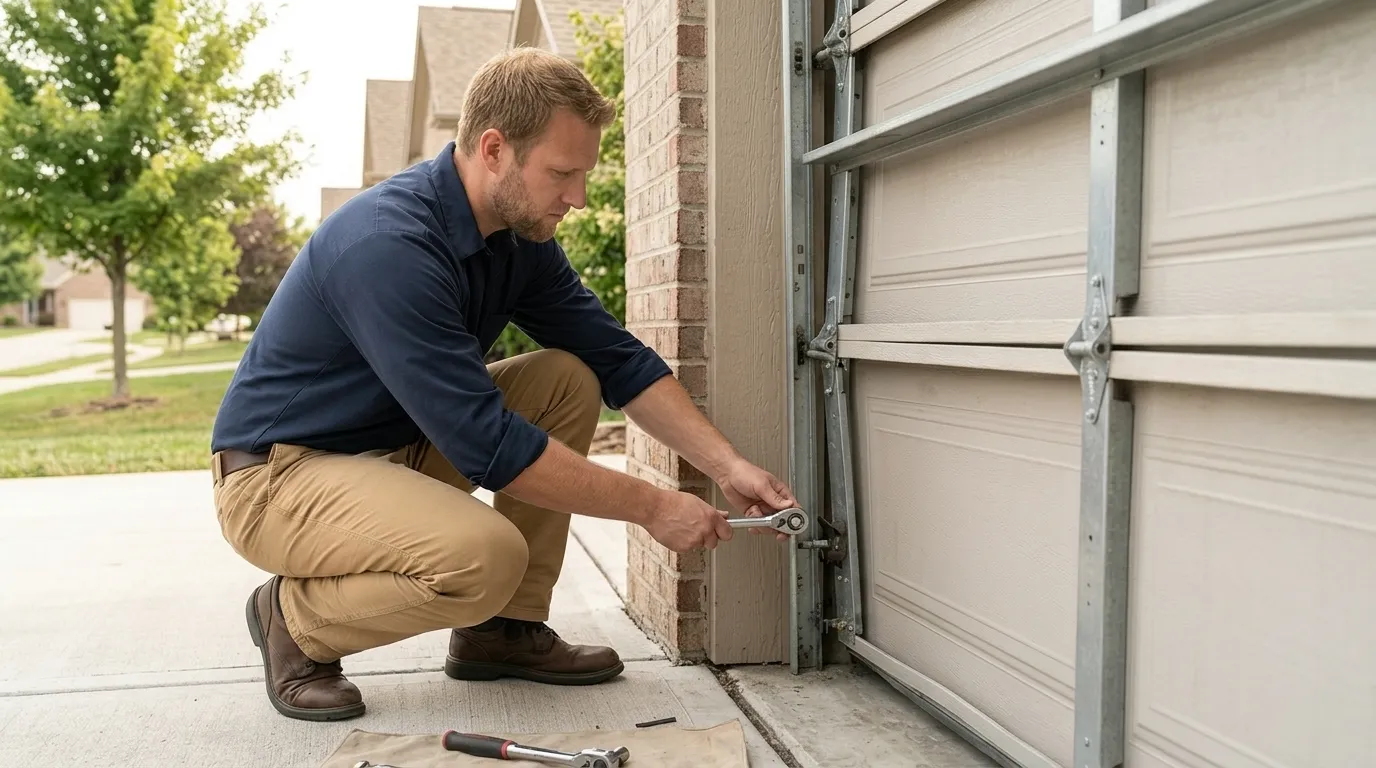
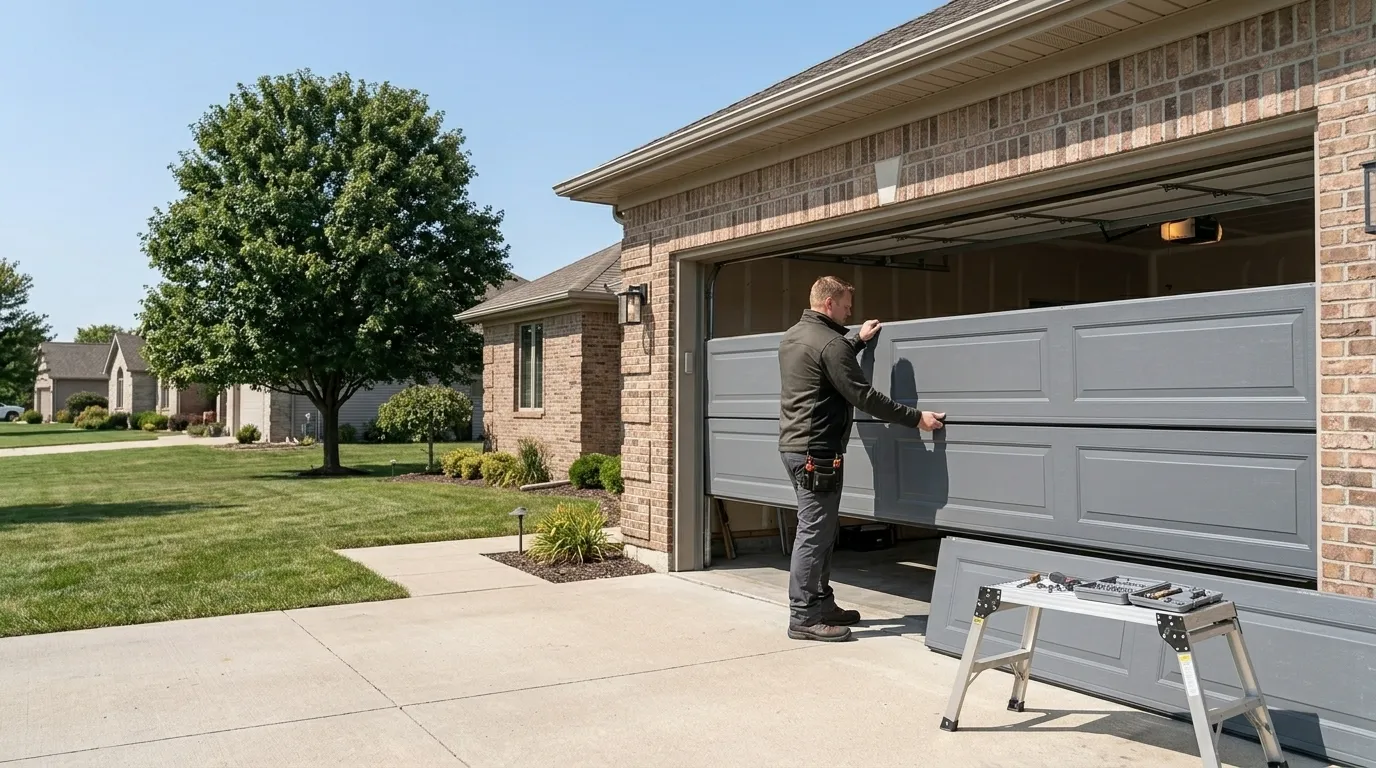
A 2006-era door is usually a factory-built steel sectional on a torsion spring mounted center-over-the-opening, with a chain or belt-drive opener from that same construction wave. The common failures are different from what we see on 1970s stock. You're less likely to find a side-mounted extension spring system here, and more likely to find a single torsion spring that's simply worn out from twenty years of cycling, or a nylon roller that's cracked and started binding in the track.
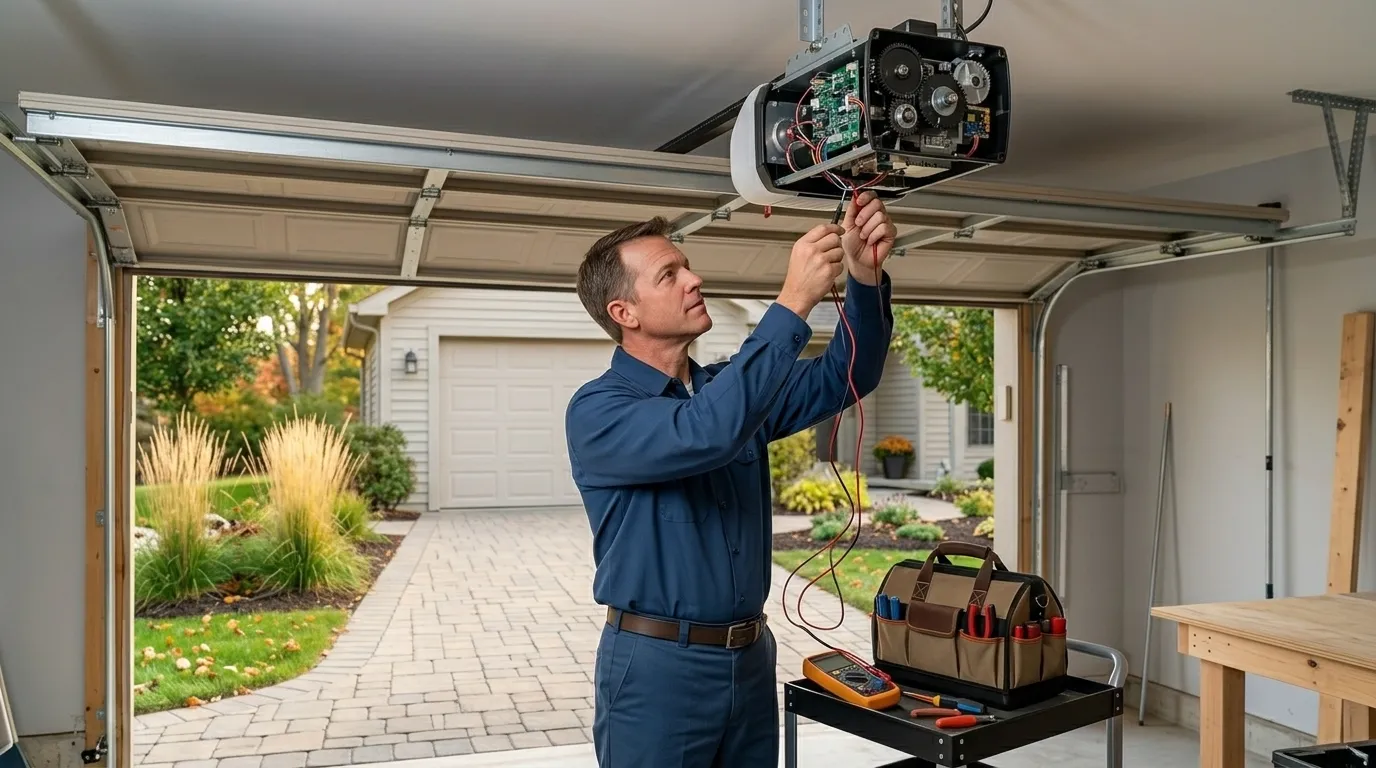
Opener logic boards from the mid-2000s are also starting to reach the end of their service life, and that generation didn't always have battery backup or rolling-code security built in the way current units do. Cold-weather stiffening is a real factor too - this area sits in a severe cold climate band, and lubricant that's fine in July can gum up and slow a track in January, especially on a door that hasn't been serviced since it was installed.
We don't stock parts for pre-1970s wood doors out here because there just aren't many in this part of the coverage area to justify carrying them on the truck. If a home in Commercial Point does have an older or custom door, we'll tell you honestly if a part needs to be special-ordered before we quote a timeline.
The Drive Over
Commercial Point sits about 17 miles from our Reynoldsburg base, which puts it toward the far end of our regular coverage rather than the middle of it. We don't have a depot or drop point in Commercial Point itself - every job here means a truck coming out from Reynoldsburg, so we're upfront that this isn't a same-hour, always-available stop the way closer areas can be.
What that means in practice: we schedule Commercial Point calls with the drive time built in, and we're straightforward if a same-day slot isn't open. It's a real trade-off of distance, not a reflection of how much the work matters to us. If your spring has already let go and the door won't move, tell us that up front - a door stuck shut is a different priority than a door that's just noisy, and we'll route the truck accordingly.