Can You Do This Yourself
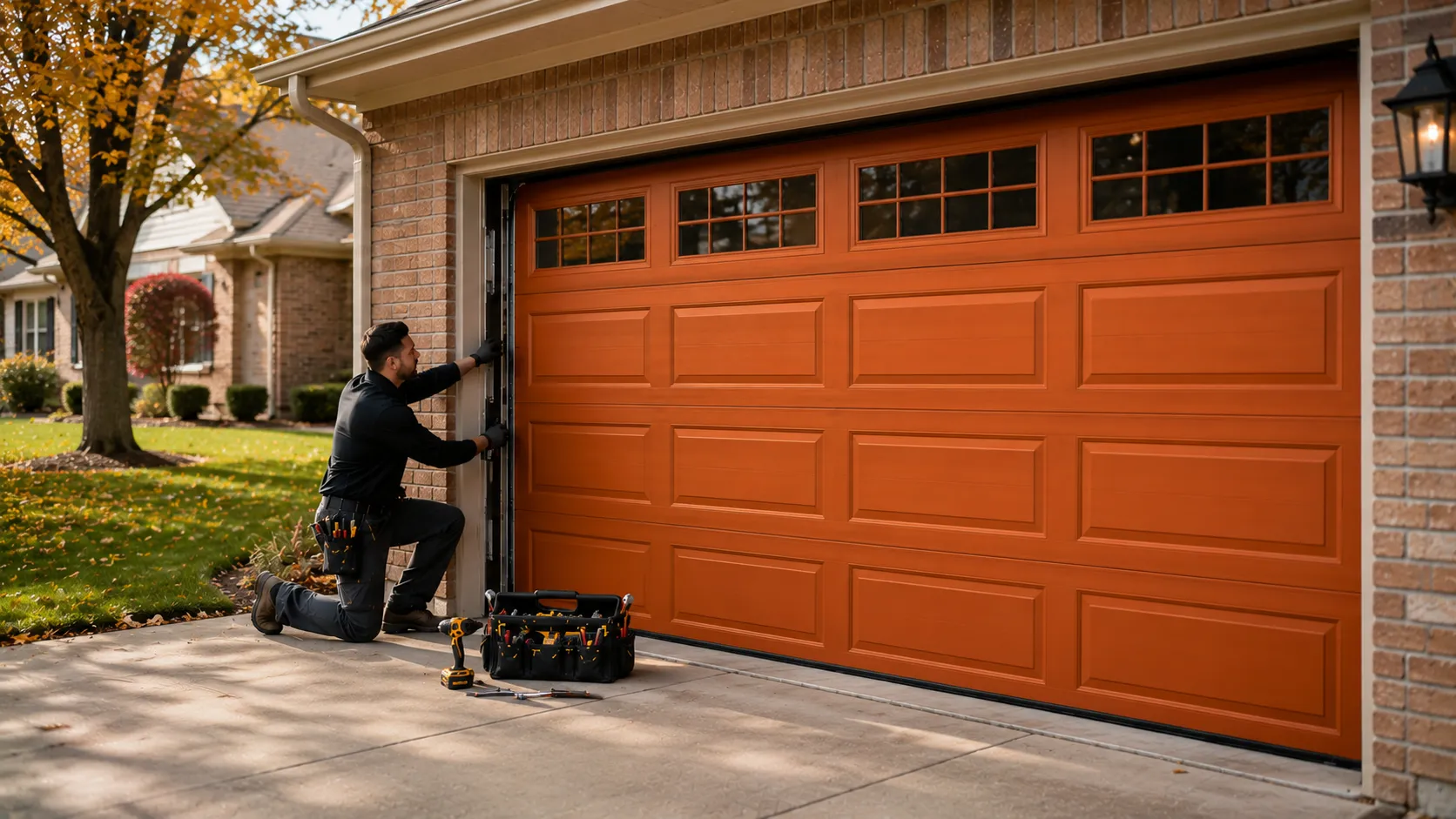
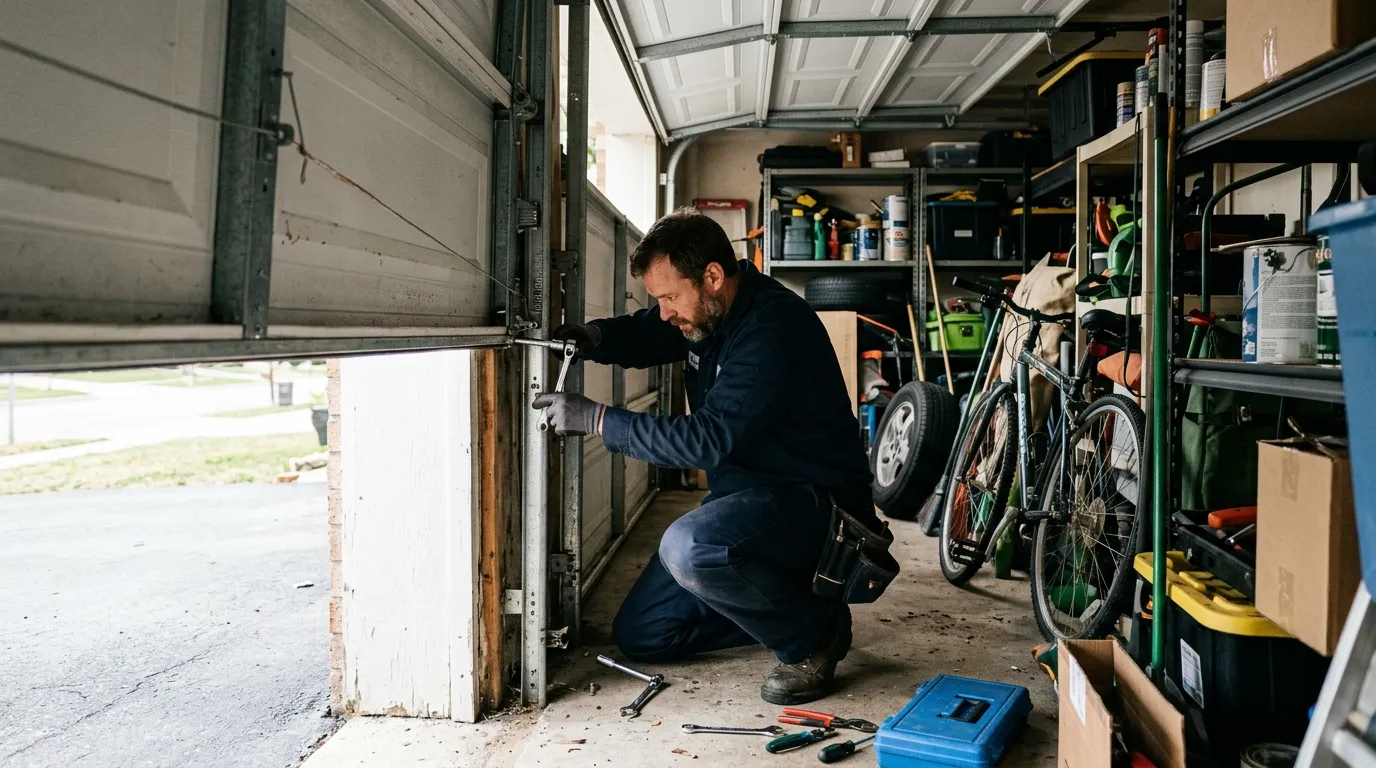
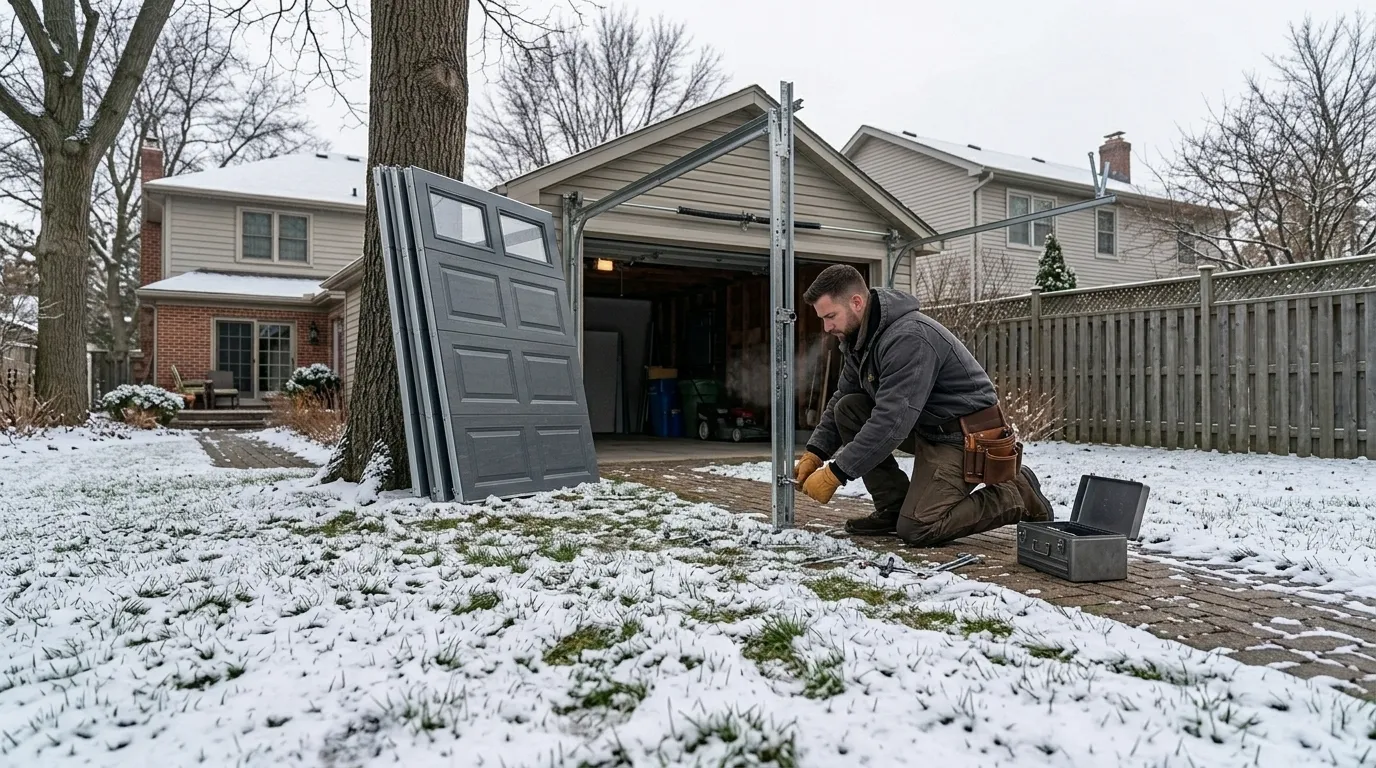
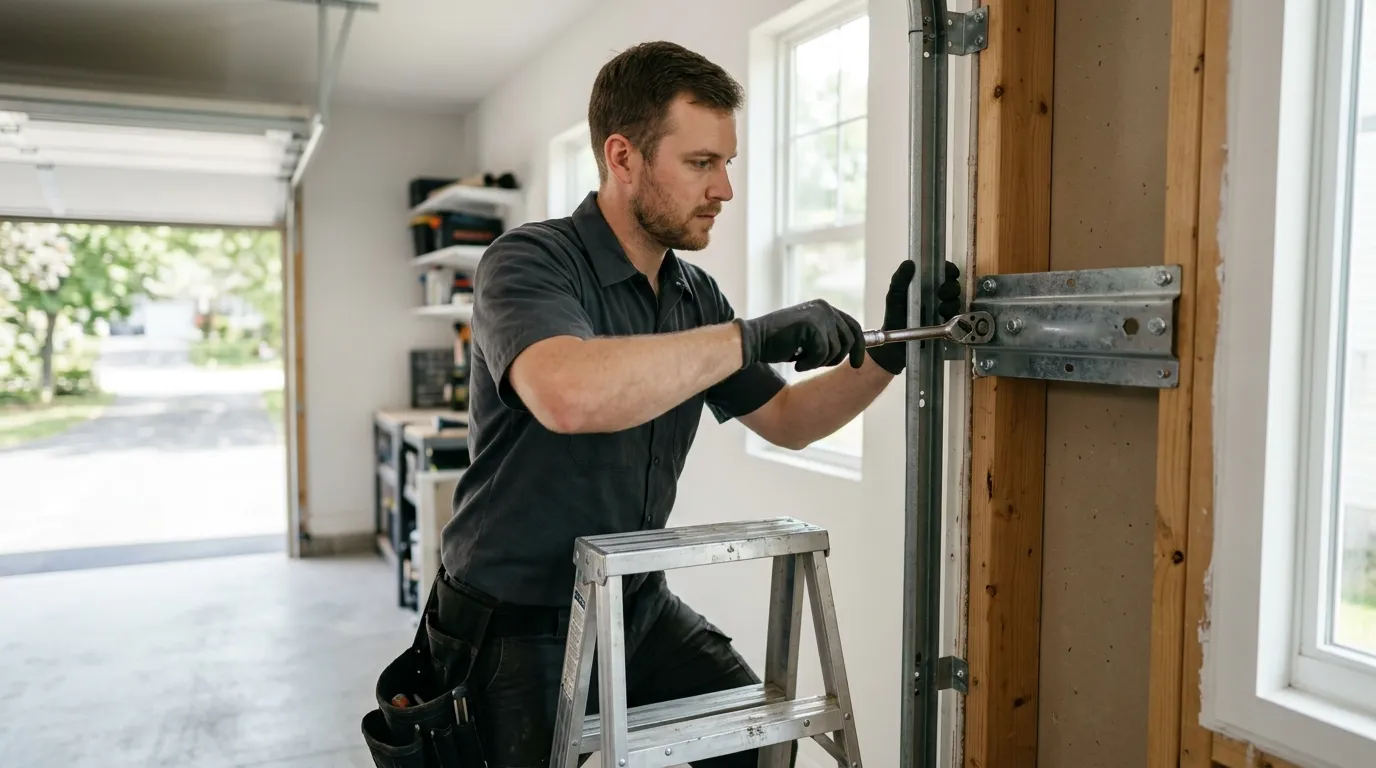
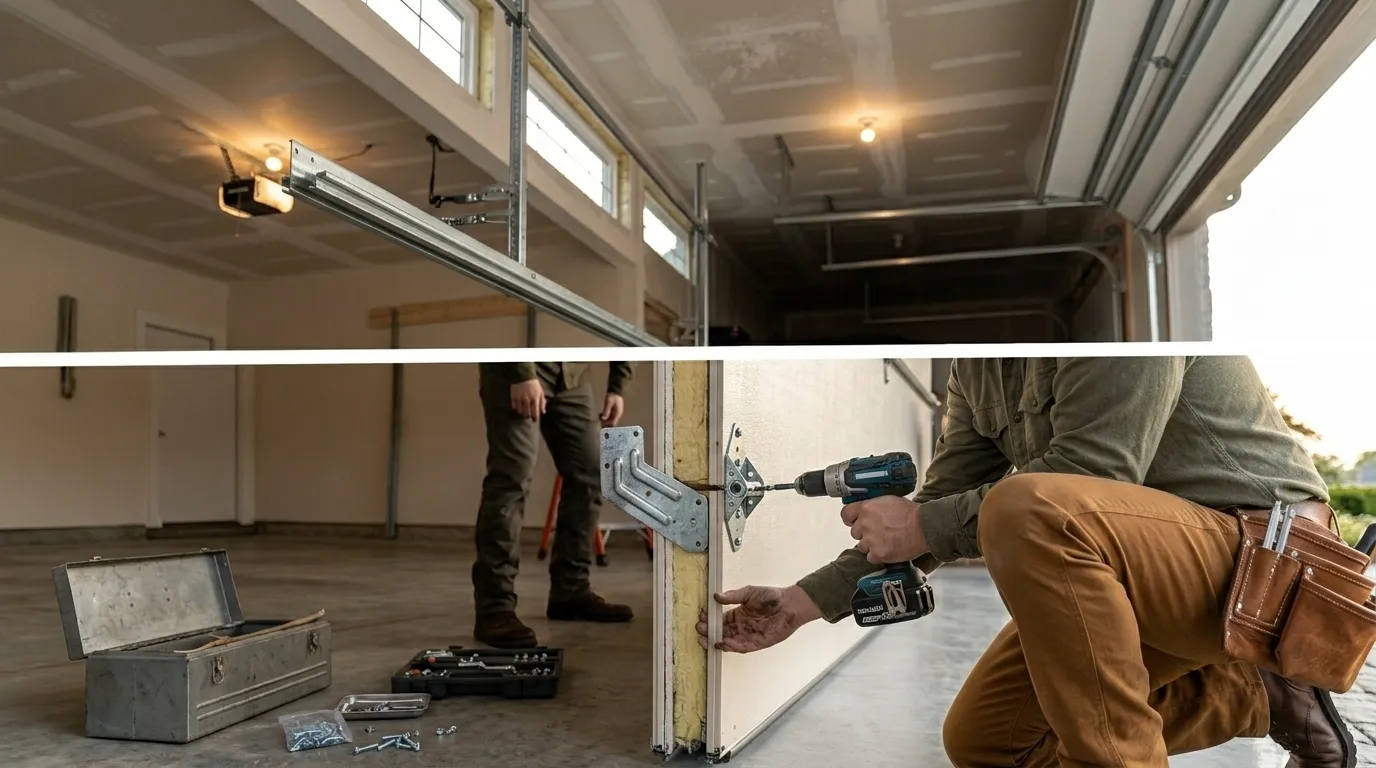
Whitehall sits five miles from our shop in Reynoldsburg, which is short enough that a lot of homeowners here ask why they shouldn't just buy a unit off a shelf and bolt it up themselves on a Saturday. The honest answer: the opener part usually isn't the hard part. What trips people up in a town where the median house went up around 1961 is the bracket and header framing behind the old opener. Those houses were built for chain-drive units half the horsepower of what's sold today, and the wood backing the rail mount has usually taken forty-plus winters of expansion and contraction. If that header isn't solid, a new opener will rack the rail within a year no matter how well you followed the manual. We're not going to tell you it can't be done - plenty of people manage it - but if you pull the old unit down and find split or spongy wood behind it, that's the point to call rather than push through. We'd rather talk you through what you're looking at over the phone than have you drive out a fastener into rot.
Parts We Carry
We keep openers and hardware on the truck that fit two different eras of Whitehall garage, because the housing stock here doesn't sort neatly into one decade. For the 1961-median houses with narrow single doors and shallow headers, we carry lower-lift-force chain and belt units with short rail sections built for tighter ceiling clearance. For anything updated to a wider door later, we carry the heavier-duty drives that can actually move a double panel without straining. We also carry cold-rated circuit boards and battery backup units, since this area sits in a severe cold climate band and a standard board can lag or fail on the coldest mornings of the year. What we don't stock on the truck is niche smart-home bridge hardware for older proprietary systems - if you've got one of those, tell us on the phone and we'll order the right part before we come out, rather than guess and make a second trip.
How Long You Are Without the Door
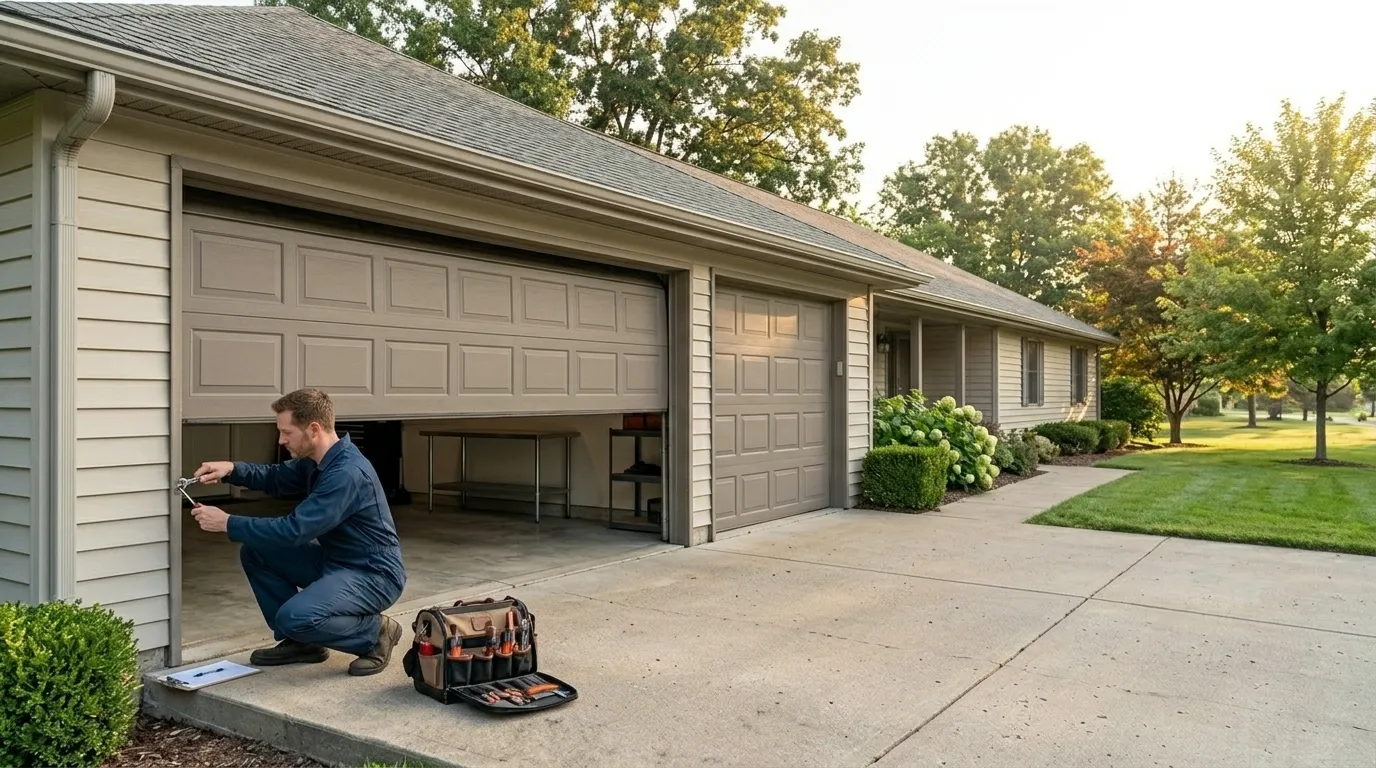
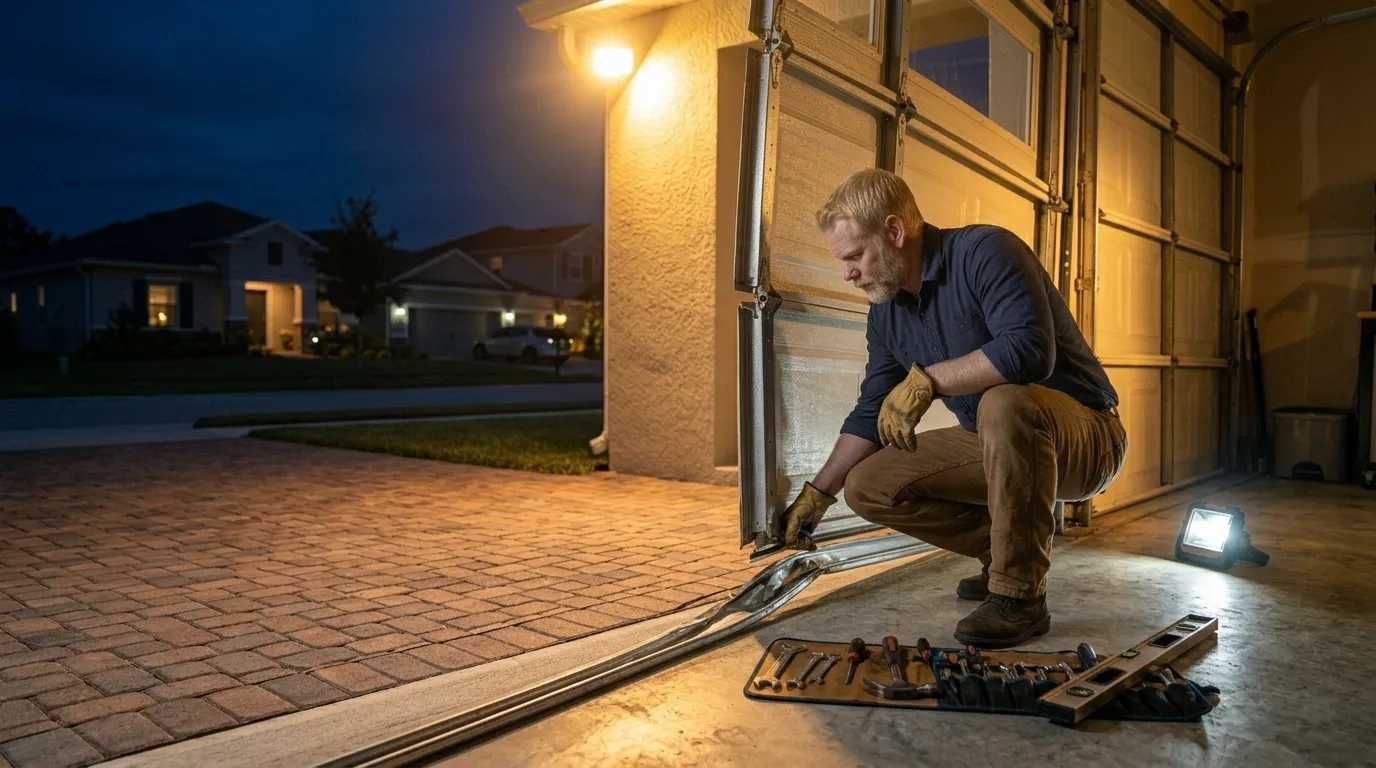
Because we're running the five miles out from Reynoldsburg rather than working from a shop in Whitehall itself, the door isn't moving on its own between the moment we arrive and the moment we leave - we're not leaving it half-installed to come back later for parts we didn't bring. A straight swap, where the header is sound and the wiring is standard, usually wraps in one visit. Where we find that older, softened header wood mentioned above, we'll reinforce it before mounting anything, which adds time on-site but still finishes the same day in most cases. What we won't do is promise a specific number of hours before we've actually opened up the housing and looked at what's back there - on a house from this era, that's the one variable that decides the job, and guessing at it before we see it doesn't do you any favors.
What the Fix Involves
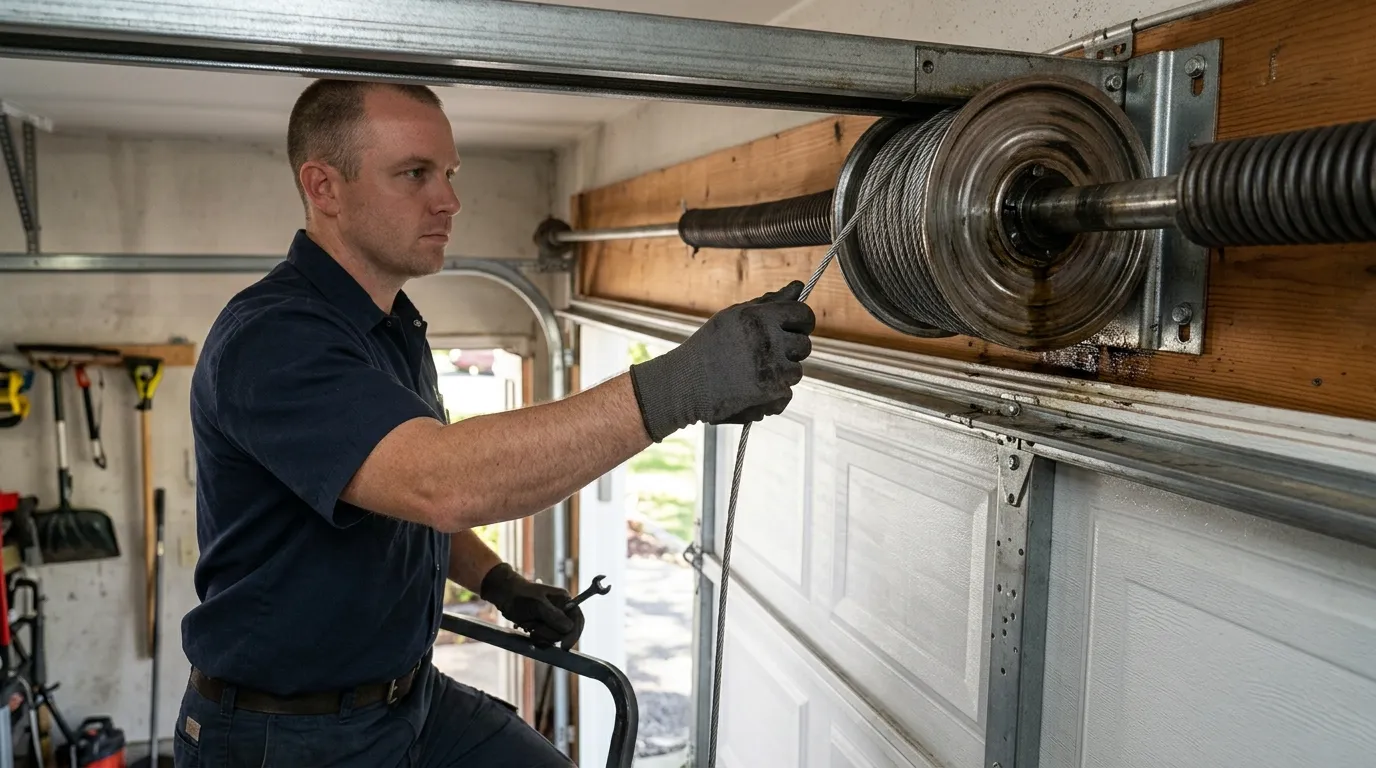
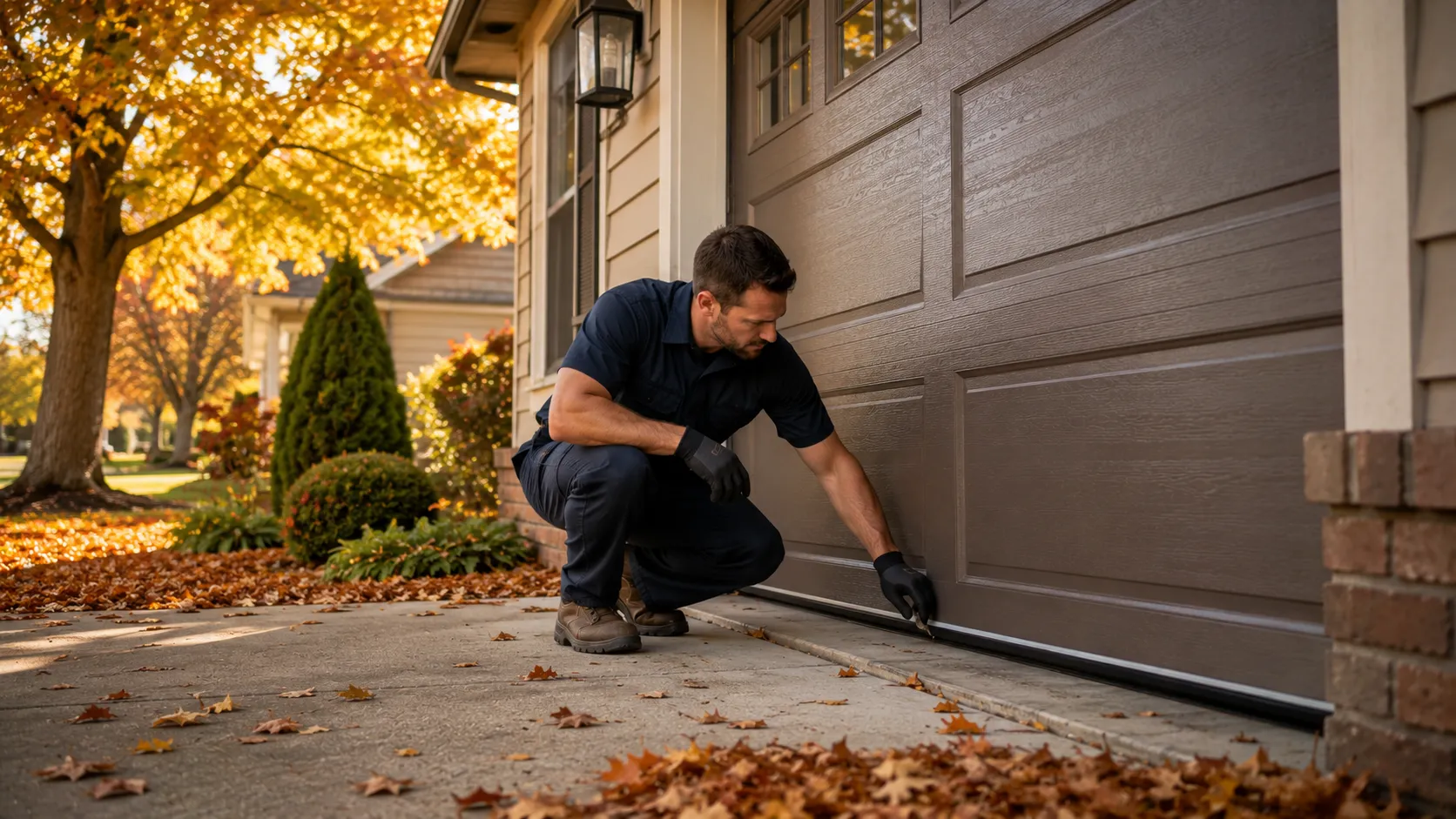
On a typical Whitehall install we start by pulling the old unit and checking the header framing and the wall bracket behind it, since that's the part of the house, not the opener, that decides whether this job is quick or not. If the wood's sound, we mount the new rail, set the travel limits for the door's actual weight, and test the safety reversal and photo-eye alignment before we call it done - both matter more once cold weather sets in and a door with a marginal photo-eye starts refusing to close on frosty mornings. If the header needs reinforcing, we sister in new framing rated for the heavier drive before the opener goes up, not after. We finish by running the door through a full open-close cycle a few times under load, not just once, because a door that closes fine empty can still bind under the extra weight of the winter's cold-stiffened seals.