Can You Do This Yourself
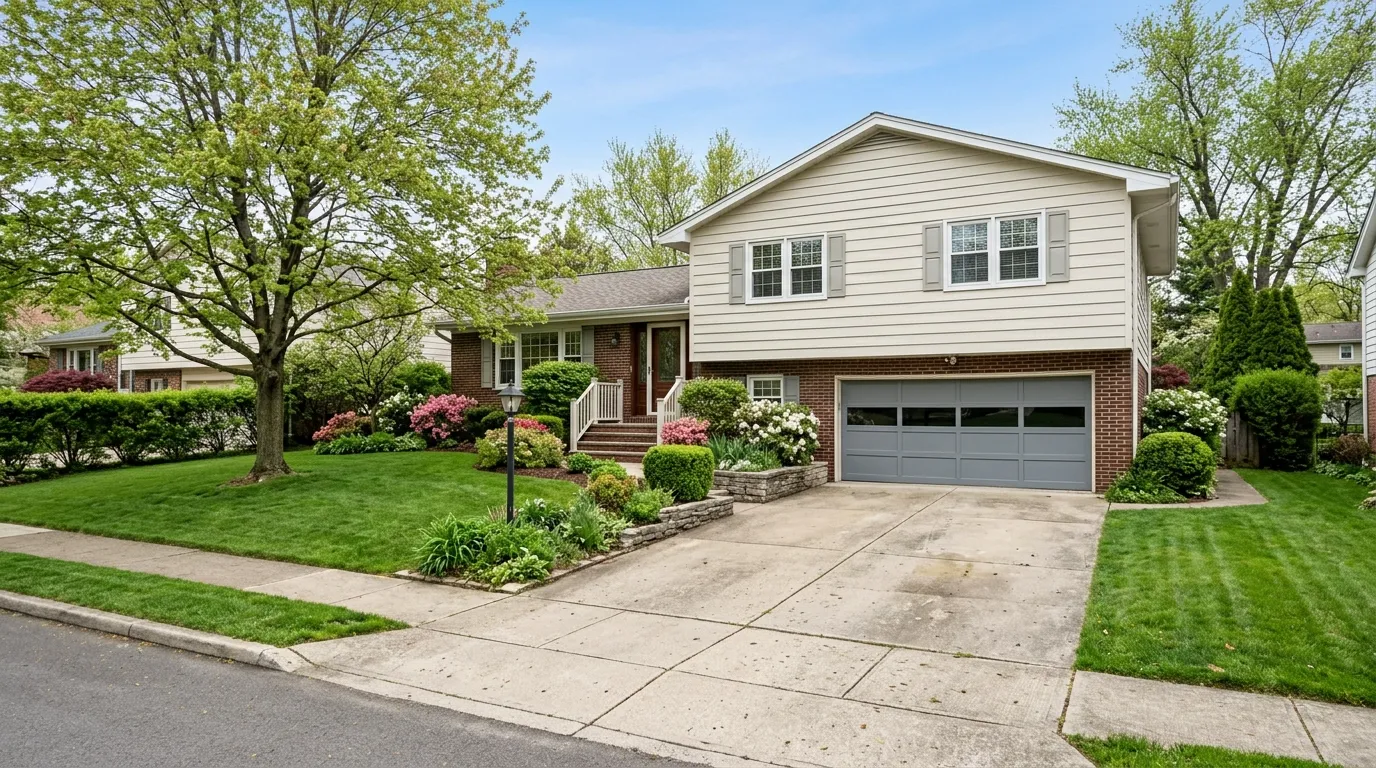
A full door swap is not a weekend job, and Whitehall's housing stock makes it harder than average. With a median build year of 1961, most garages here still have the original single-car opening framed to inch-perfect dimensions that don't match today's standard door sizes off the shelf. Get the width wrong by even an inch and the track brackets won't line up with the framing that's been there for over sixty years.
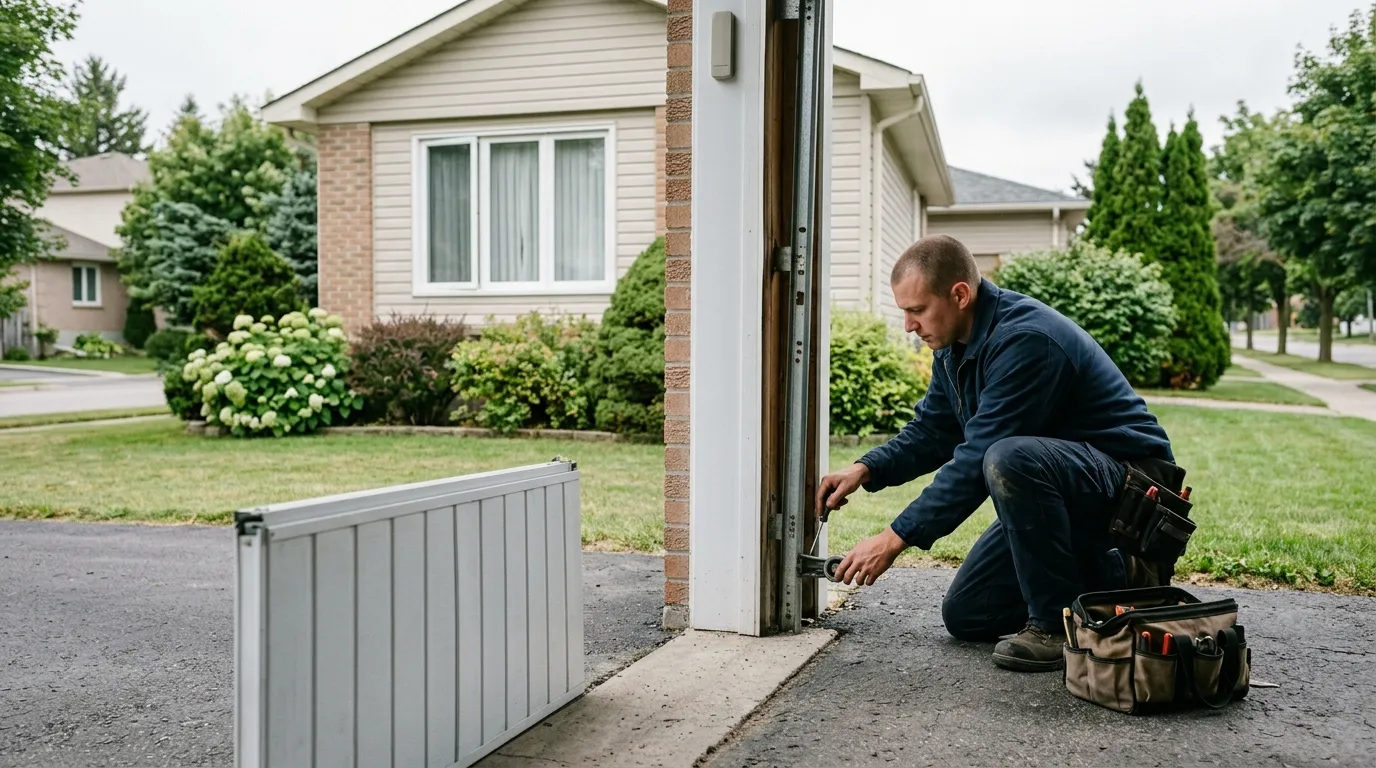
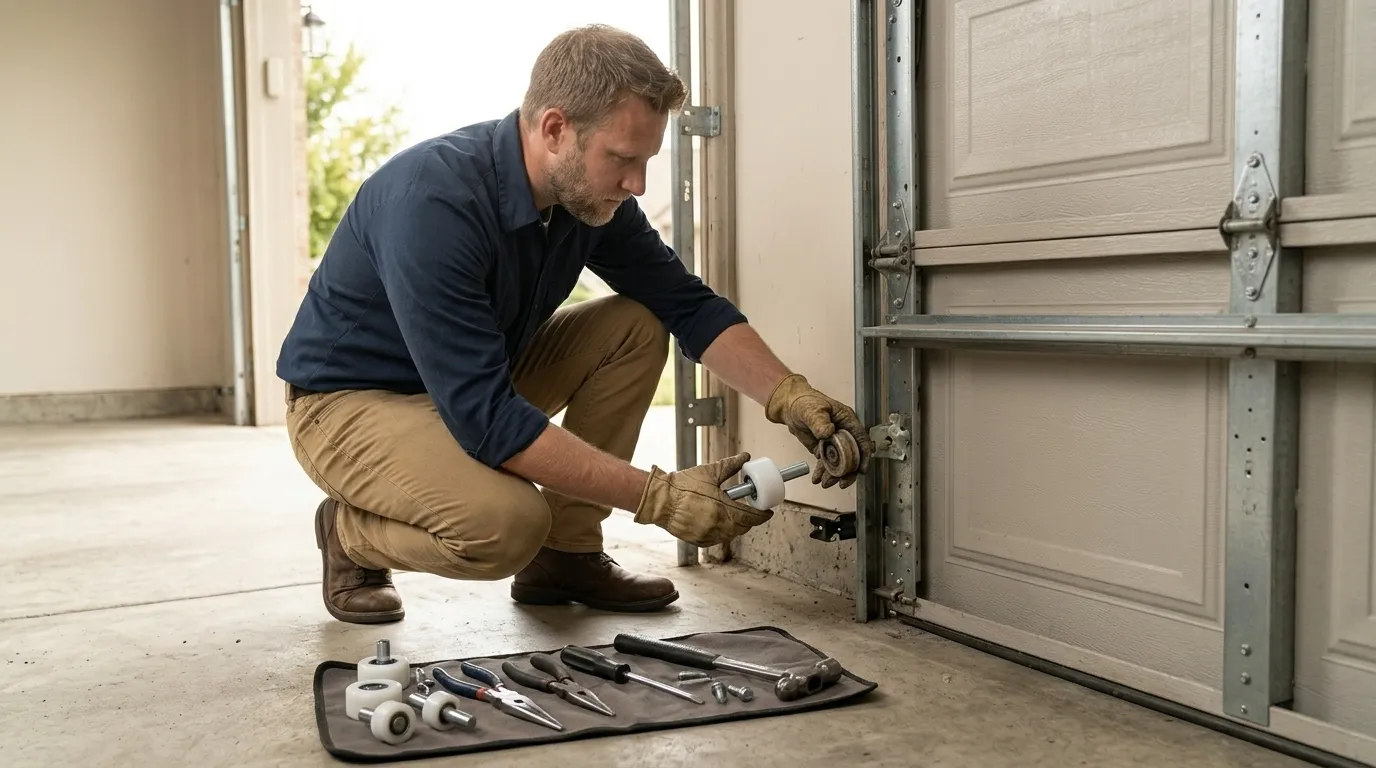
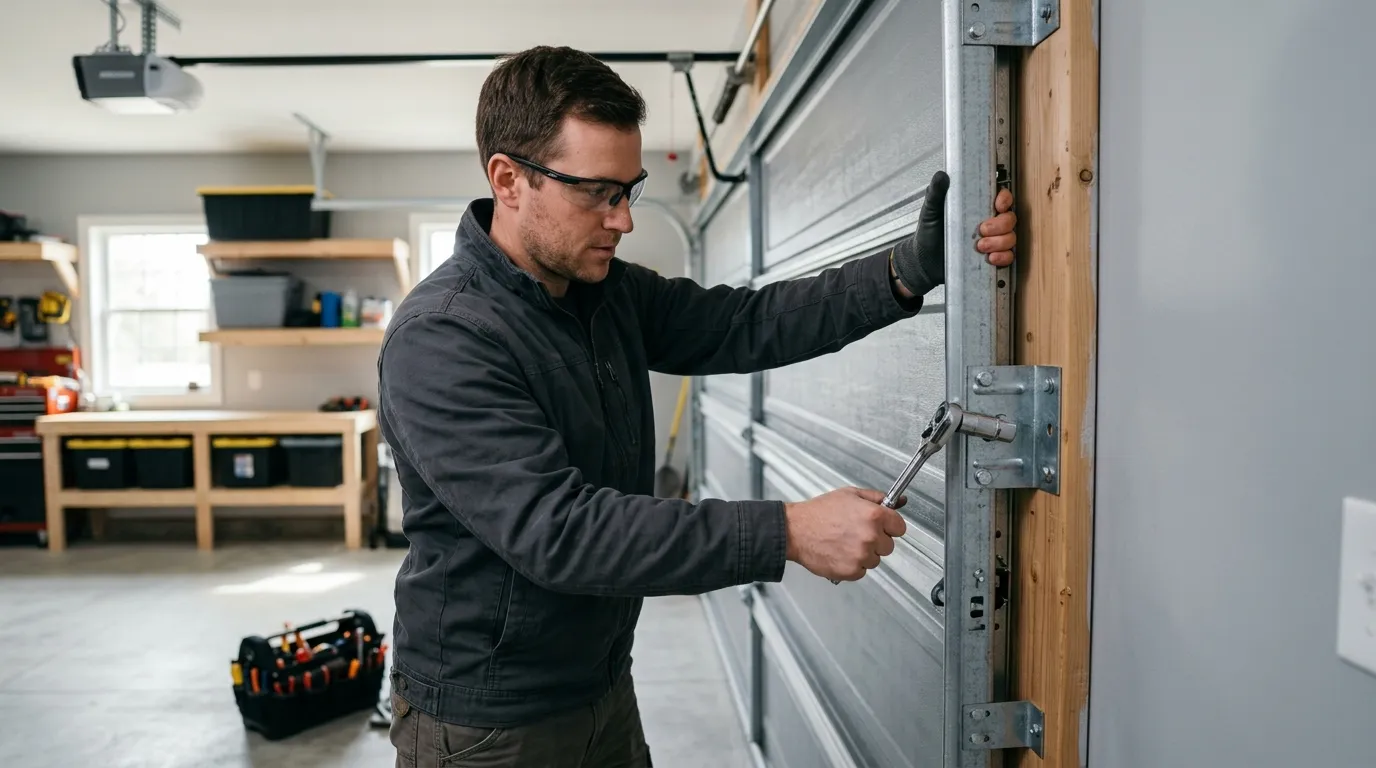
The panel and track are the part most people can wrestle into place with two sets of hands and a Saturday. The spring system is not. A torsion spring under full tension can put someone in the hospital, and on a door this old the drum and cable are usually rusted to the shaft, which means more force to break them loose than most rental winding bars are rated for.
Our honest limit: if your opening is out of square by more than an inch, which happens on houses this age, we won't force a new door into it. We square the jamb first or we tell you it needs a carpenter before we touch the door. That's not us upselling you - it's the difference between a door that lasts and one that binds on the track in a year.
Parts We Carry
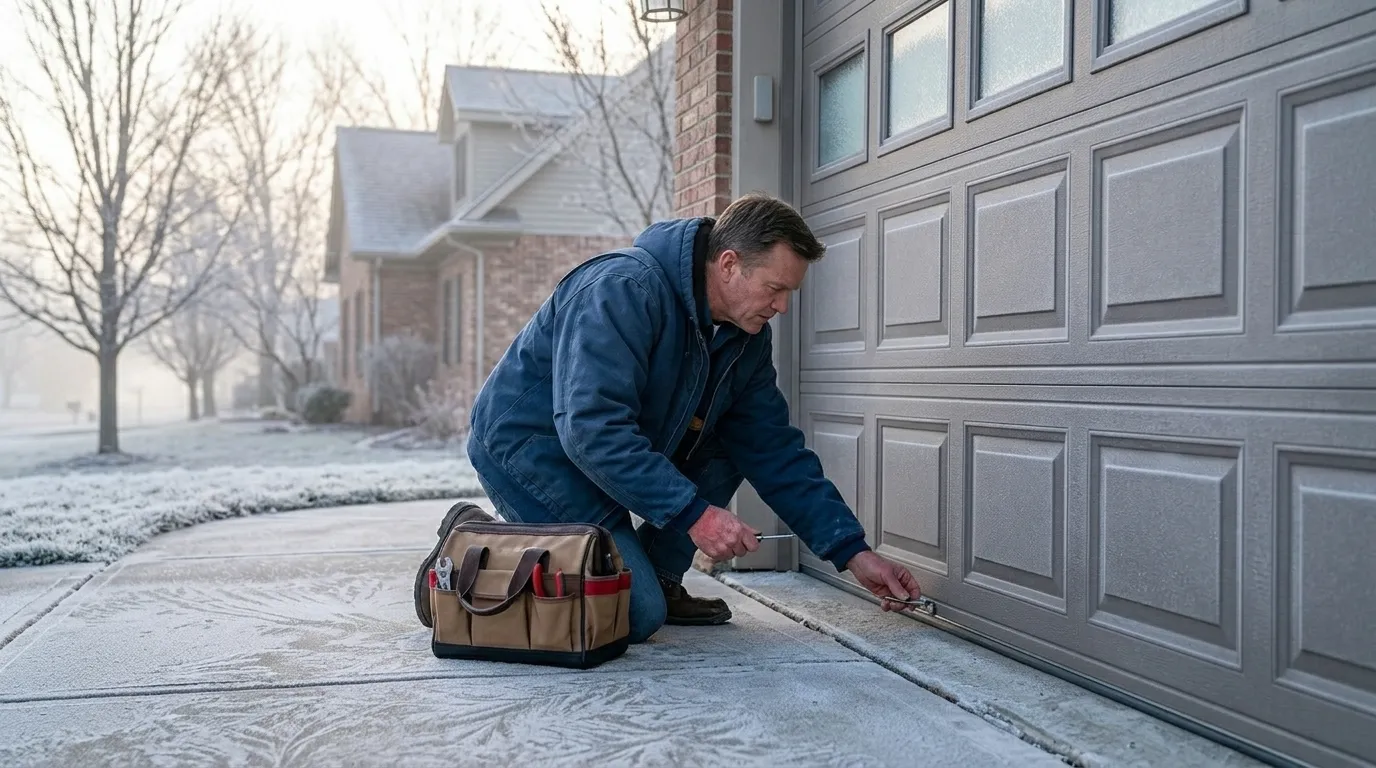
For houses built around 1961, the original door is usually a single-layer steel panel with no insulation and a light-gauge track meant for a lighter door than what's sold now. When we replace one, we're not matching that spec - we're bringing the opening up to a door built for a cold climate, with a foam-backed panel and a heavier track rated for the extra weight.
We carry standard single and double widths in insulated steel, along with the torsion springs, drums, and cable sized to the new door's weight rather than the old one's. On a lot of these houses the header above the opening was framed for a lighter door, so we check the header before we hang anything heavier than what was there. If it needs reinforcing, that's a separate line item, not something we skip past.
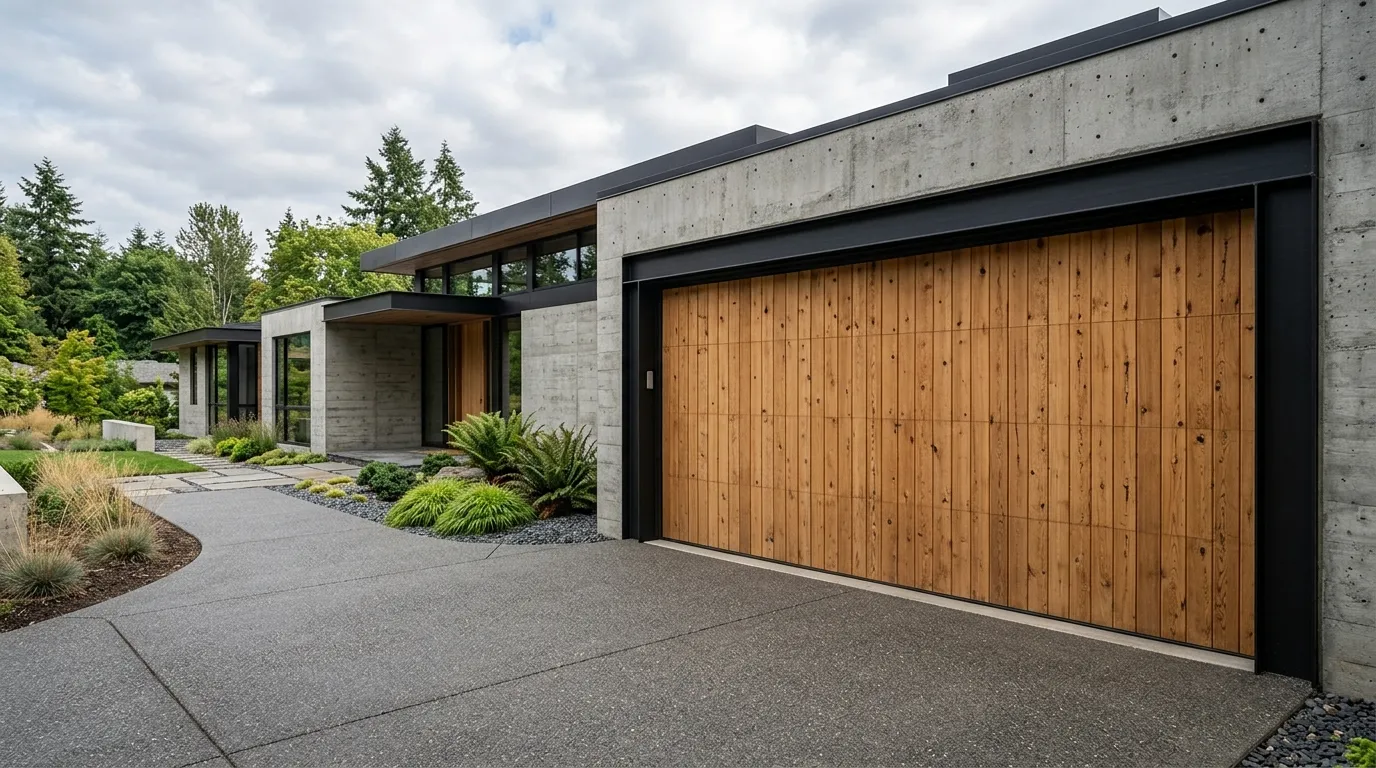
We don't carry wood-composite or custom architectural doors - if that's what you want, we can point you toward what an install needs but the door itself would come from a specialty supplier. Steel insulated doors in standard widths are where we're strongest, and for a 1961-era single-car opening, that's what most of Whitehall needs anyway.
How Long You Are Without the Door
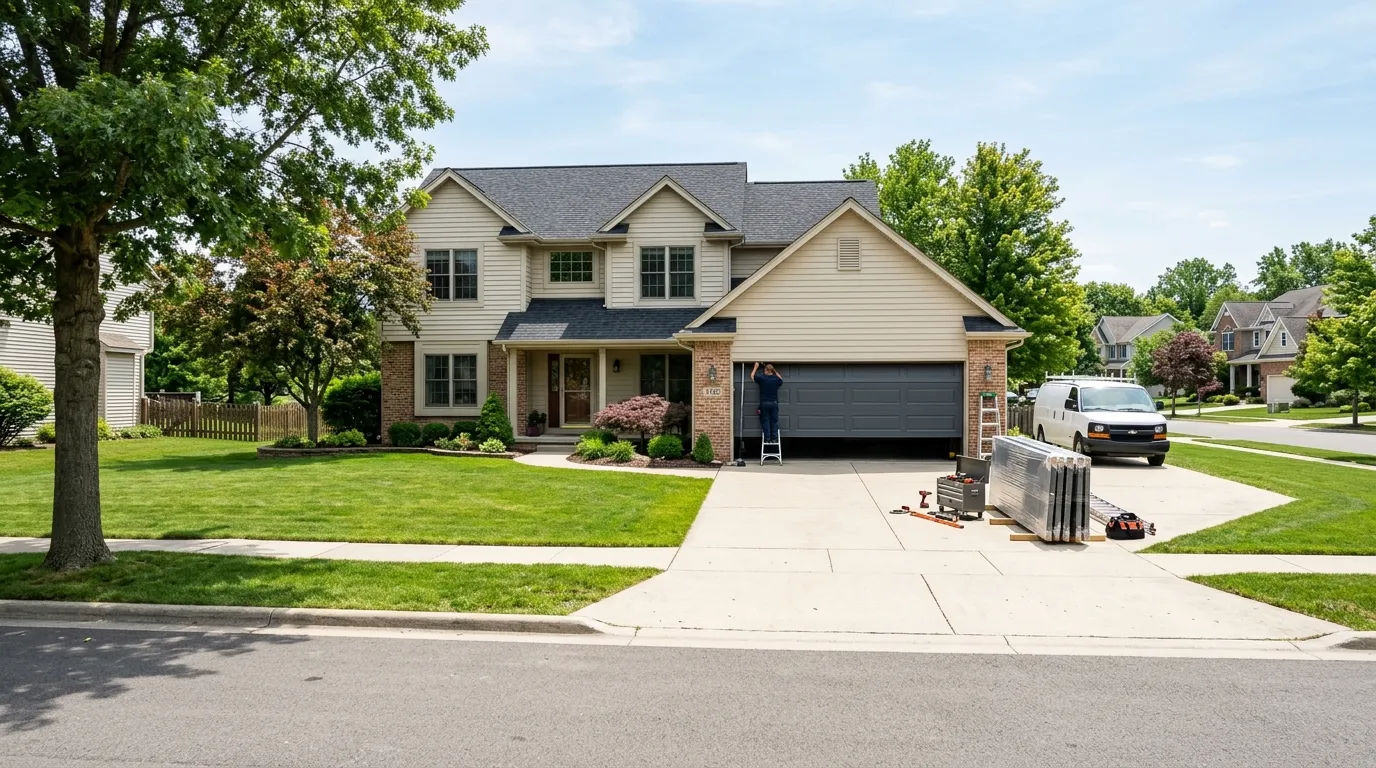
We come from Reynoldsburg, about 5 miles out, so travel isn't the bottleneck on a Whitehall install - the door itself usually is. A standard steel insulated door in a common width is often something we can hang the same visit once the opening's confirmed square, torsion spring sized, and track set.
What slows things down is the header check mentioned above. On a house built in 1961, if the framing needs reinforcing before a heavier insulated door goes up, that's a second trip, because we're not going to rush a structural fix to hit a one-day timeline. We'd rather tell you upfront it's two visits than leave a door hanging on a header that can't take it.
We don't hold local stock in Whitehall itself - the door and hardware come out with the truck from Reynoldsburg, so if you want a non-standard width or a color that's not common, expect that to add lead time on the order before we ever get to the install day.
What the Fix Involves
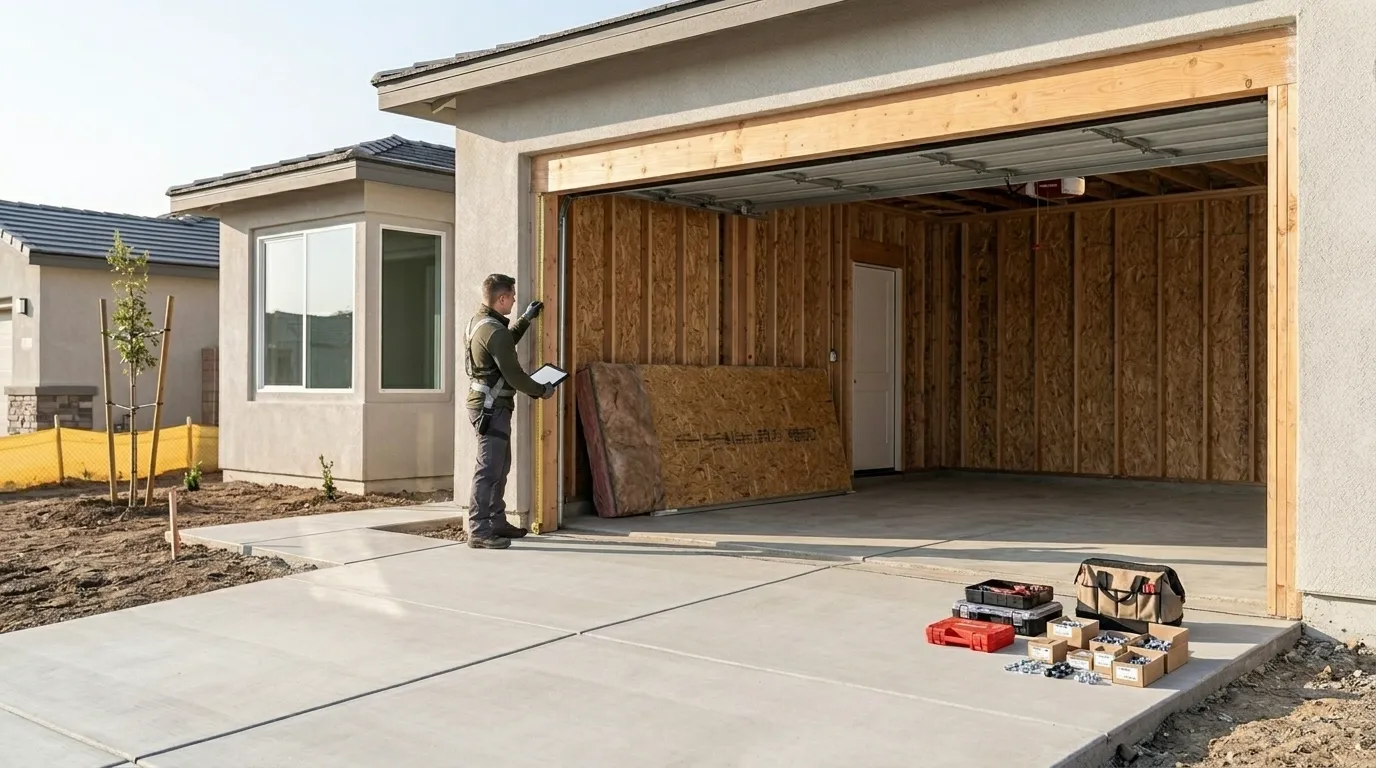
The job starts with measuring the actual opening, not trusting what's in a listing or an old permit. On a house from the early 1960s, we've seen openings settle out of square by enough that a new door needs shimming on one side to seat right, and we check that before ordering anything.
Next is the header and track: does the framing take a heavier insulated panel, and does the existing track need swapping for a heavier-gauge one to match. If the spring system is original, it comes out - we don't reuse a decades-old torsion spring on a new, heavier door, because the spring is sized to the door's weight, and guessing wrong there is how doors slam down.
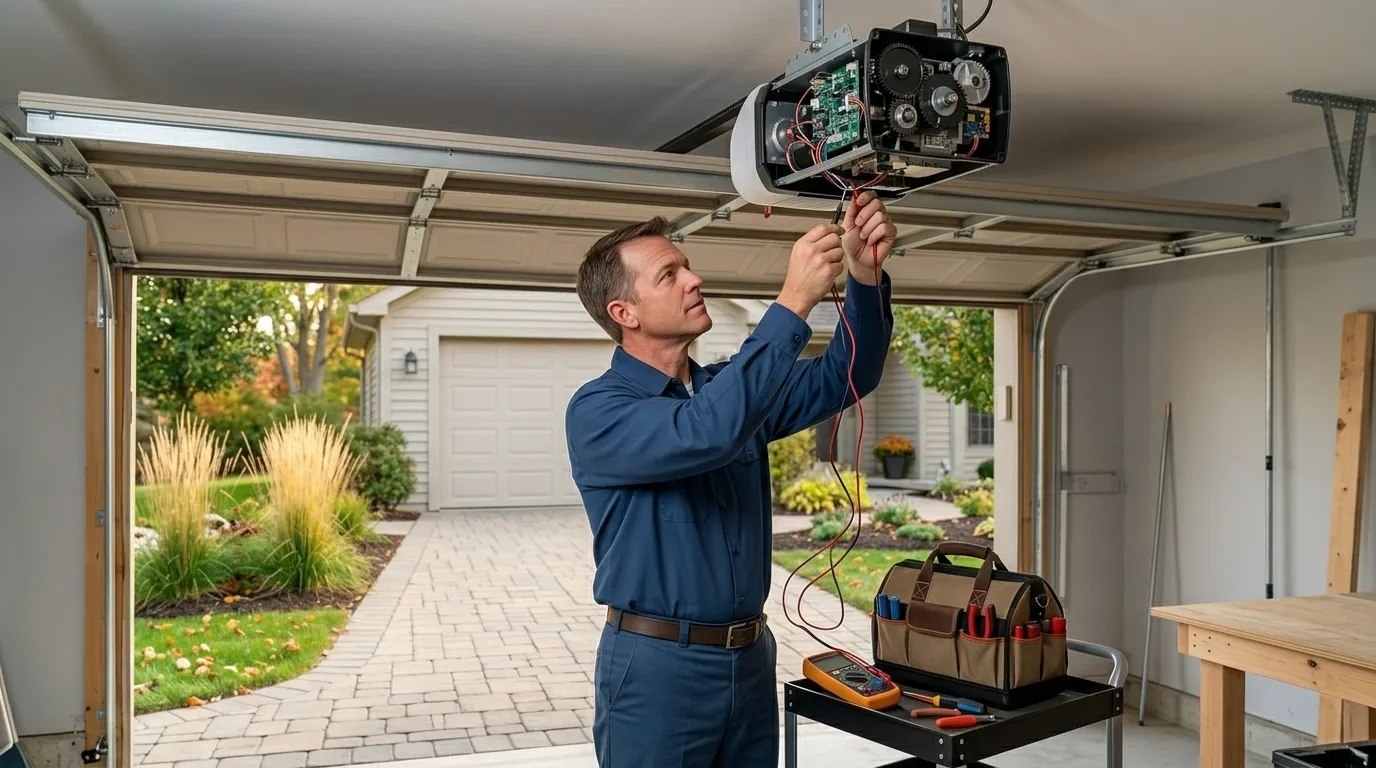
Once the door's hung, we set the opener travel limits and force settings fresh rather than carrying over the old settings, since a heavier insulated door needs different force calibration than the original steel one did. Last step is balance-testing the door by hand with power disconnected - if it doesn't hold position halfway open, the spring tension isn't right yet, and we adjust before we call it finished.