
Can You Do This Yourself
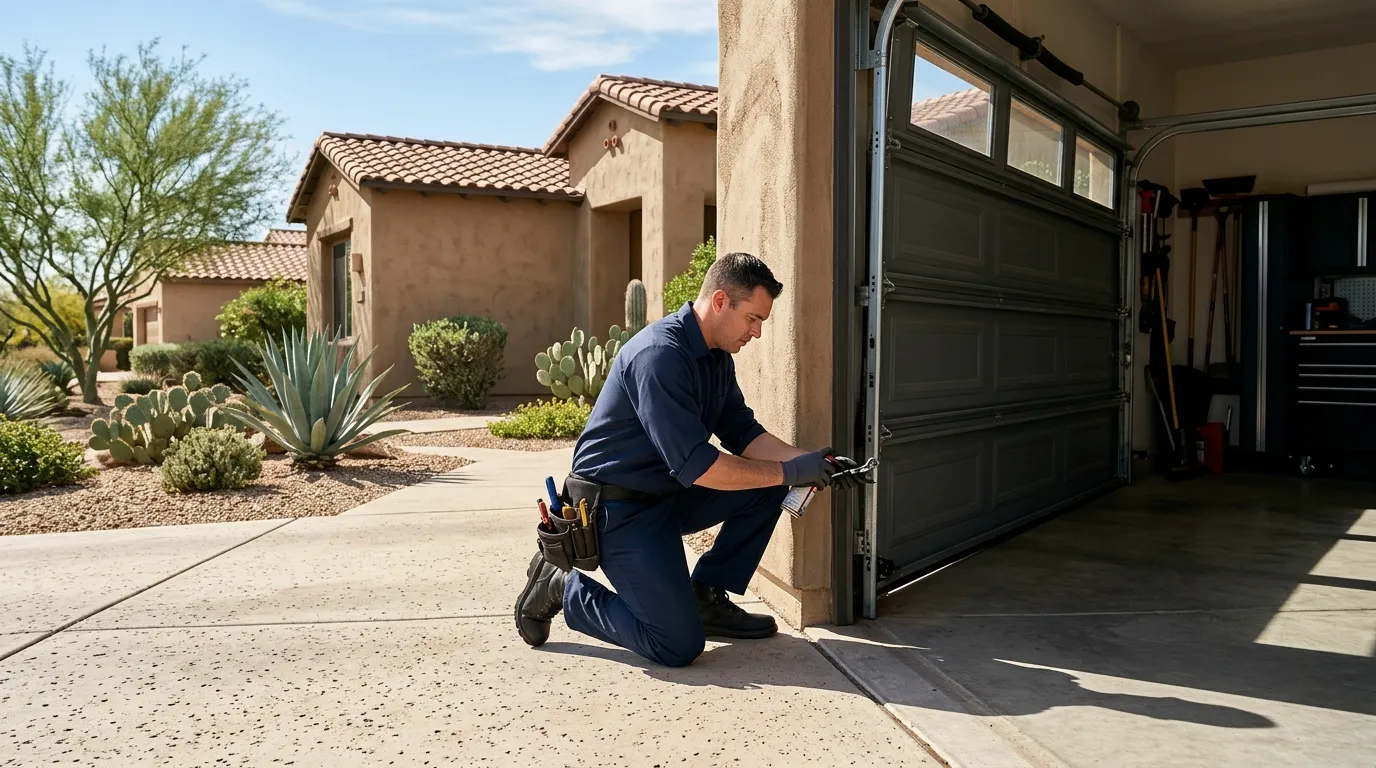
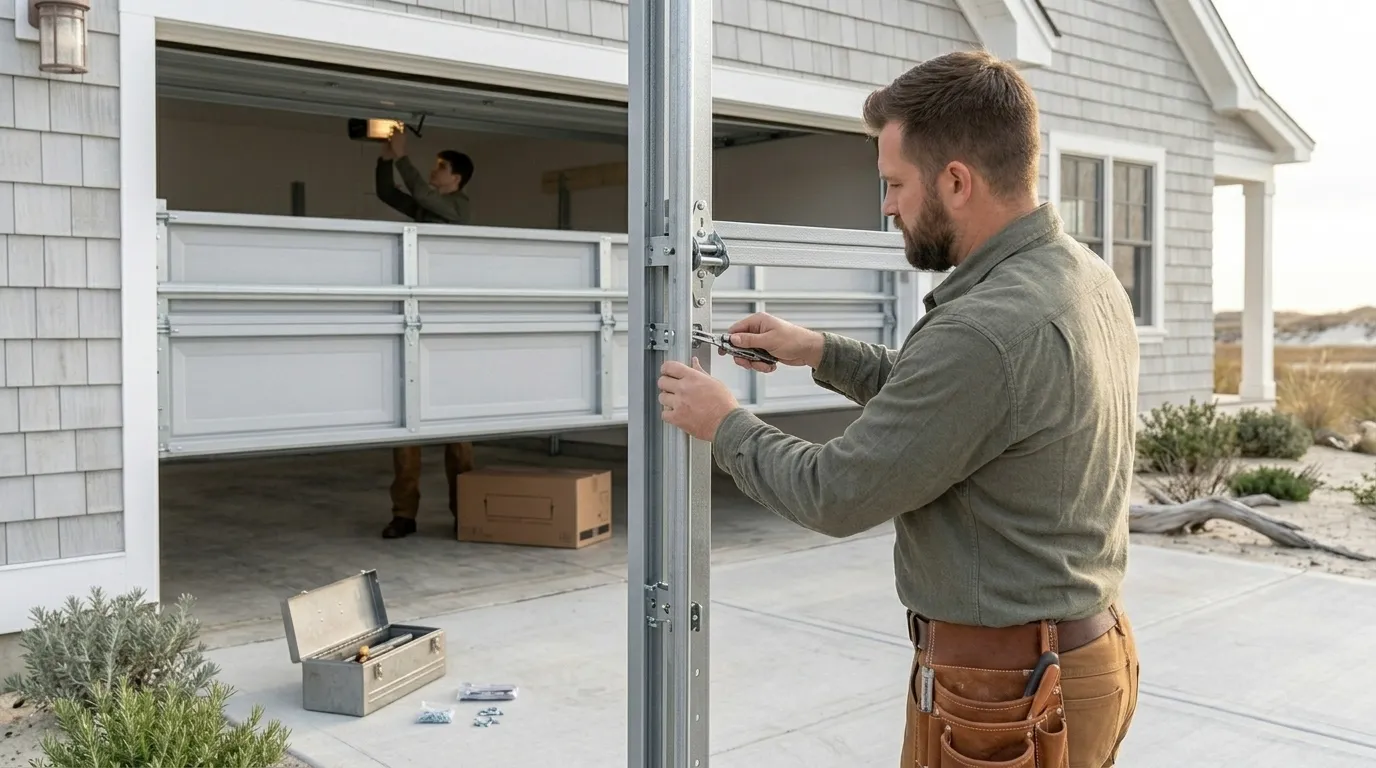
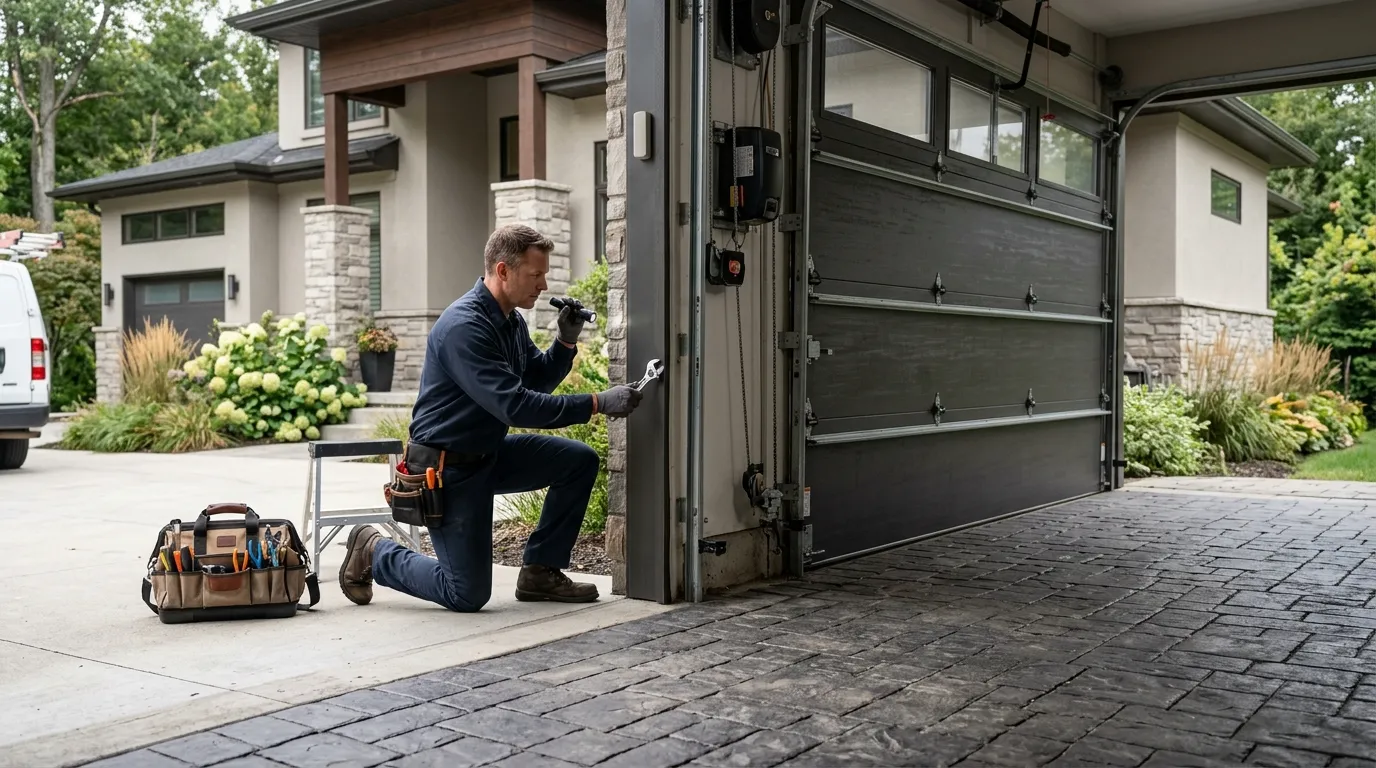
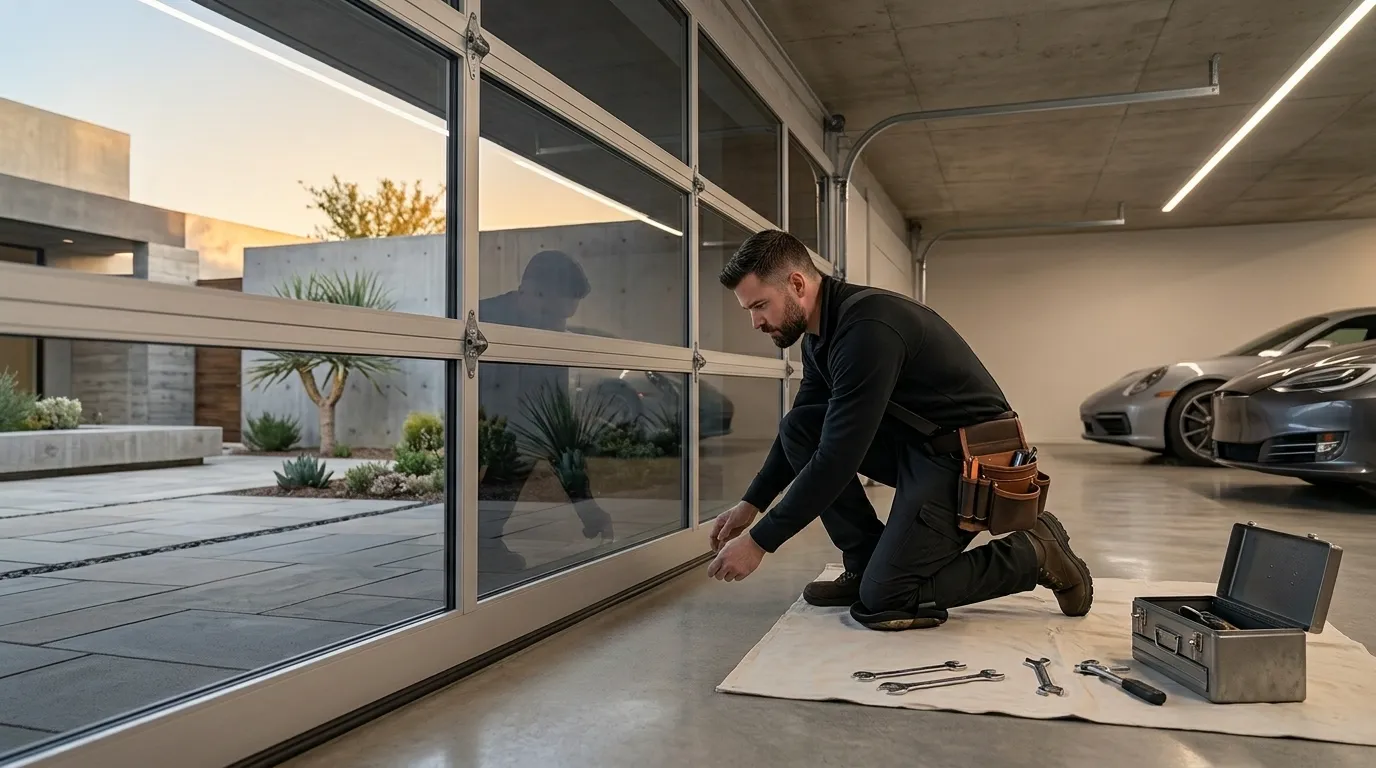
A lot of the commercial doors we see around Whitehall are the same age as the town itself, which by the numbers means construction clustered around 1961. That's a steel sectional door, single-skin, no foam core, hung on a torsion or extension spring sized for a heavier door than the newer insulated models. If you run a shop or a small warehouse bay here, you can usually handle lubrication, a loose bracket, or a sensor that's knocked out of alignment. What you should not touch is the spring itself. A torsion spring on a commercial-width door carries enough tension to break a hand or a face, and on doors this old the winding cones are often rusted or undersized for the door weight they're actually holding. If the door won't move, or it moves unevenly on one side, that's a call, not a weekend project. Extension spring setups on older single-panel doors are even less forgiving because the cable path isn't shielded the way current code requires. We'd rather talk you out of a repair over the phone than have you find out the hard way what that spring can do.
Parts We Carry
For doors from this era we stock torsion springs sized for heavier single-skin steel panels, since the factory-wound springs on 1960s-era commercial doors are rarely stocked hardware anymore and get made to match the door's weight and drum size. We also carry standard-lift and vertical-lift cable, rollers rated for steel track (not the nylon rollers that come standard on newer residential-grade doors), and photo-eye sensor kits, since a lot of these older commercial doors were installed before sensors were required and need a retrofit to meet current safety code. What we don't stock on the truck is custom-width panel sections. If a business here runs an oversized bay - wider than a standard single or double commercial opening - that panel gets special-ordered, and we'll tell you the lead time before we quote the job, not after.
How Long You Are Without the Door
We come from Reynoldsburg, about 5 miles out, so travel time is short but it's not a same-building crew - we don't keep a branch or a stocked depot in Whitehall itself. For a spring swap or cable replacement on a standard commercial door, you're looking at the job itself taking under two hours once the truck is on site. What extends that is parts. If your door needs a spring wound to a nonstandard size for an old heavier panel, or a custom-width section, that part isn't on the truck and isn't something we can get same-day. We'll tell you straight whether we can finish in one visit or whether we're ordering something first, and we won't quote a same-day fix on a part we don't have in hand.
What the Fix Involves
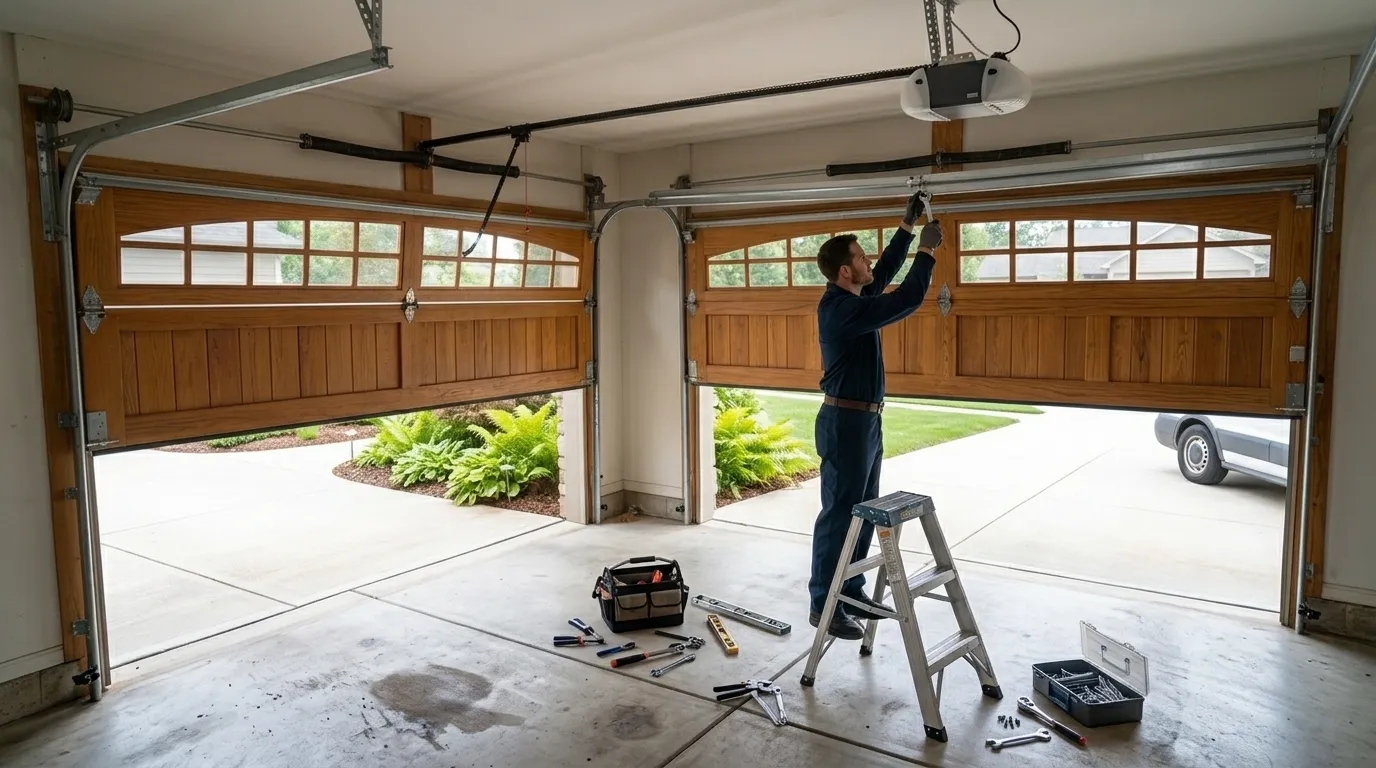
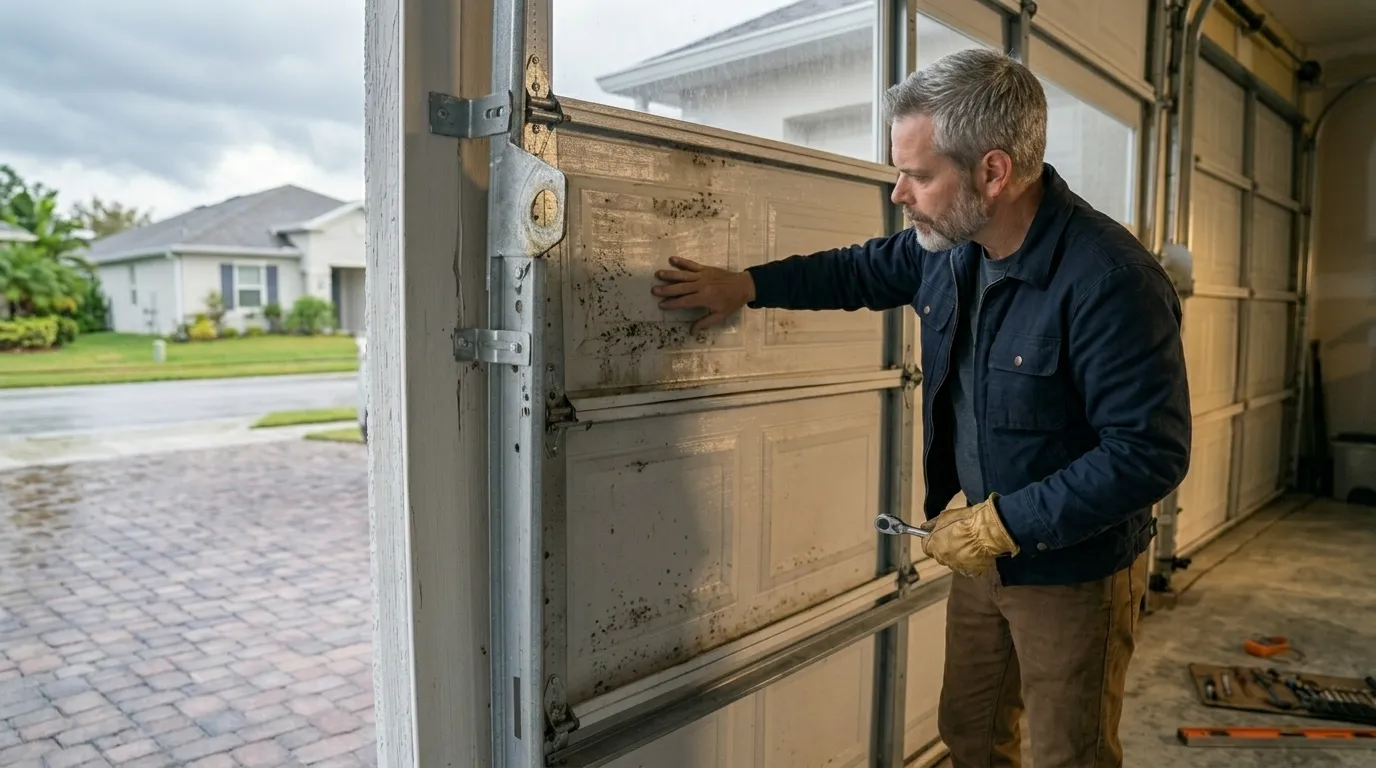
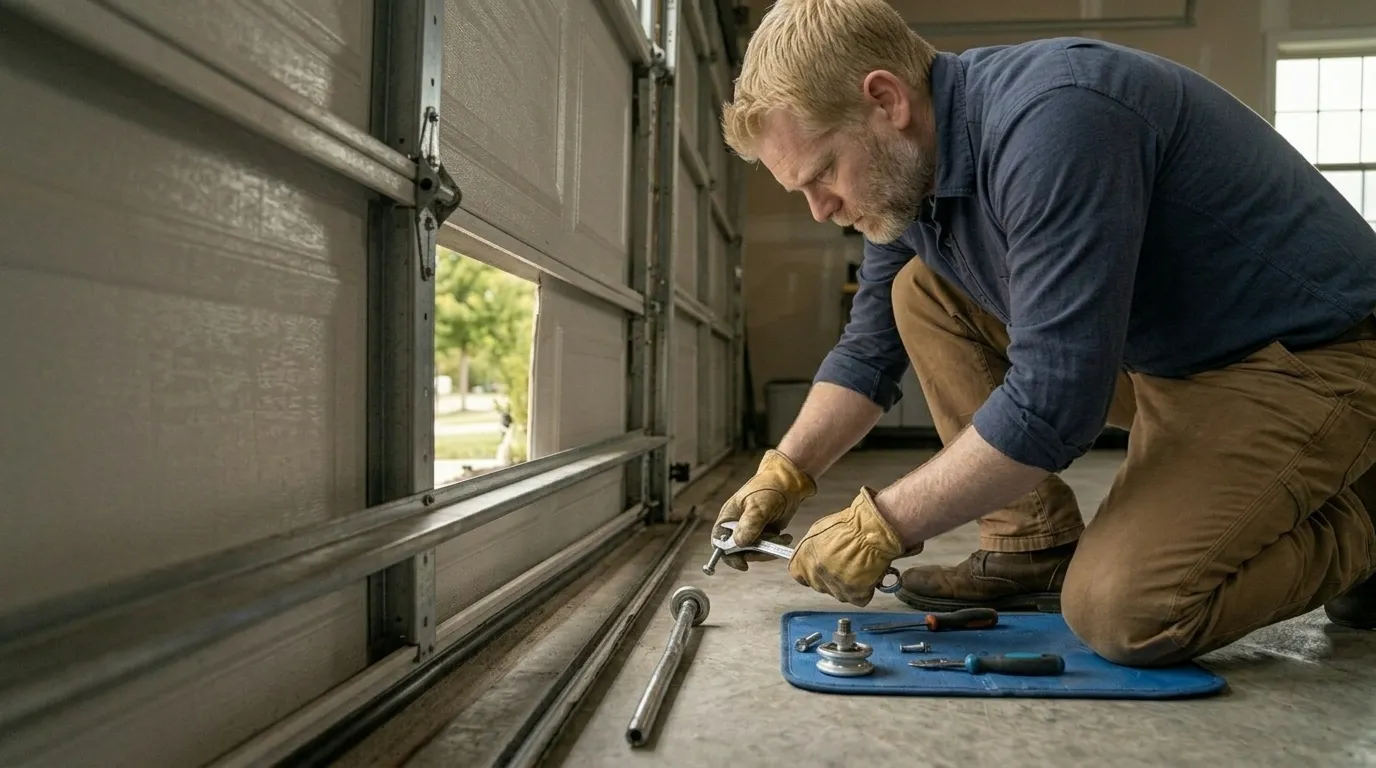
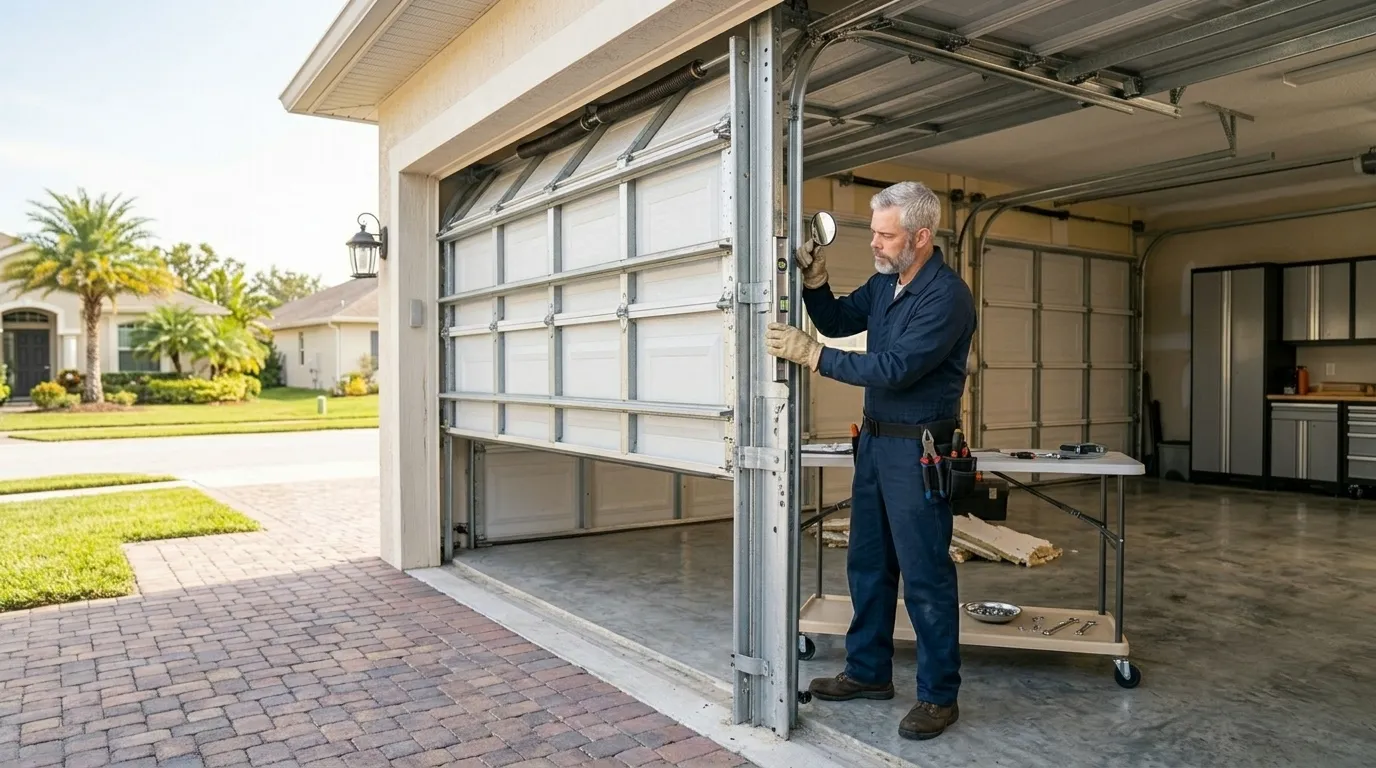
Most calls on Whitehall's older commercial stock start with the same diagnostic: check the track for plumb, check the drum and spring size against the door's actual weight, and check whether the opener has been overworking a door that's out of balance. If the spring's the problem, we size a replacement torsion spring to the door as it stands now - not to what the factory spec sheet from 1961 would have said, since decades of panel patches and hardware swaps change the actual weight we're lifting. If the track's bent or the rollers are worn steel instead of the sealed-bearing type we'd put in, we replace what's failing rather than the whole assembly, unless the frame itself is out of square enough that patching it won't hold. For businesses on a tight budget, that's usually the more honest call: fix the failed part, leave the rest, and be clear about what's likely to go next.