Why It Happens Here
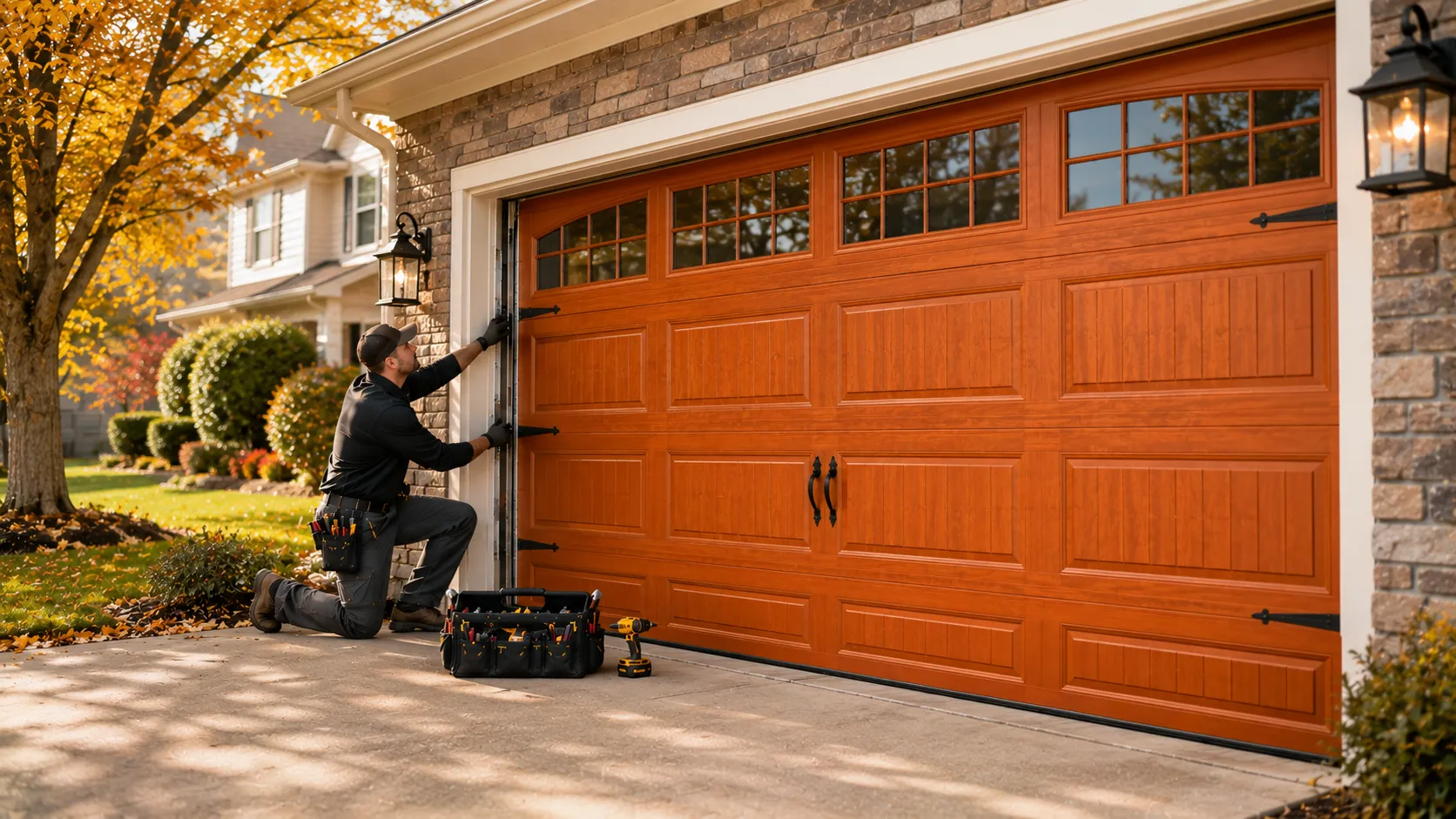
Housing across this service area went up mostly between 1938 and 2006, with the median build year landing at 1977. That puts a huge share of garage doors squarely in the steel sectional generation - the style that dominated construction through the 1960s and 70s across the 30 named areas we cover, from Reynoldsburg itself out through places like Whitehall. Steel panels from that era were built thinner than what's sold today, and they were never designed with the insulation values modern doors carry.
Reynoldsburg sits in a climate band the federal data classifies as cold, and severe. That matters for panel steel specifically: it expands in summer heat and contracts hard through winter, and the seams between panel sections are where that stress shows up first. A hairline split at a hinge point one winter becomes a full crack the next, especially on a door that's already thirty or forty years old.
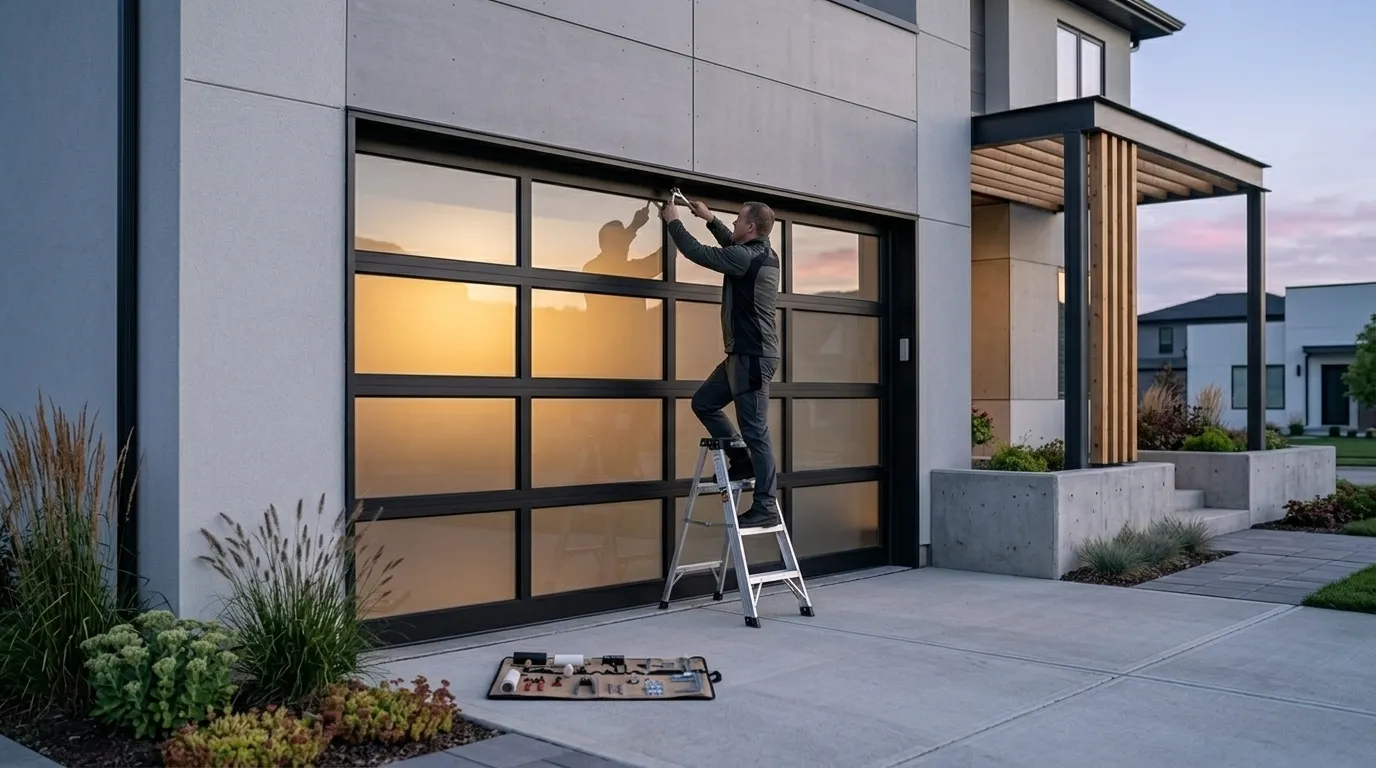
We're not saying every panel failure is age. A rock kicked up by a mower, a car bumper, a basketball off the frame - those happen everywhere. But the sheer number of original-era doors still in service on this side of central Ohio means we see stress cracking and seam failure far more than impact damage when we're called out.
What You Are Seeing
A bowed or bulging middle panel usually means the door's been closed against something, or a spring is pulling unevenly and putting load where it shouldn't be. A crack running along a horizontal seam, without any dent, is almost always the cold-cycle stress we talked about above - steel fatiguing at the weakest point.
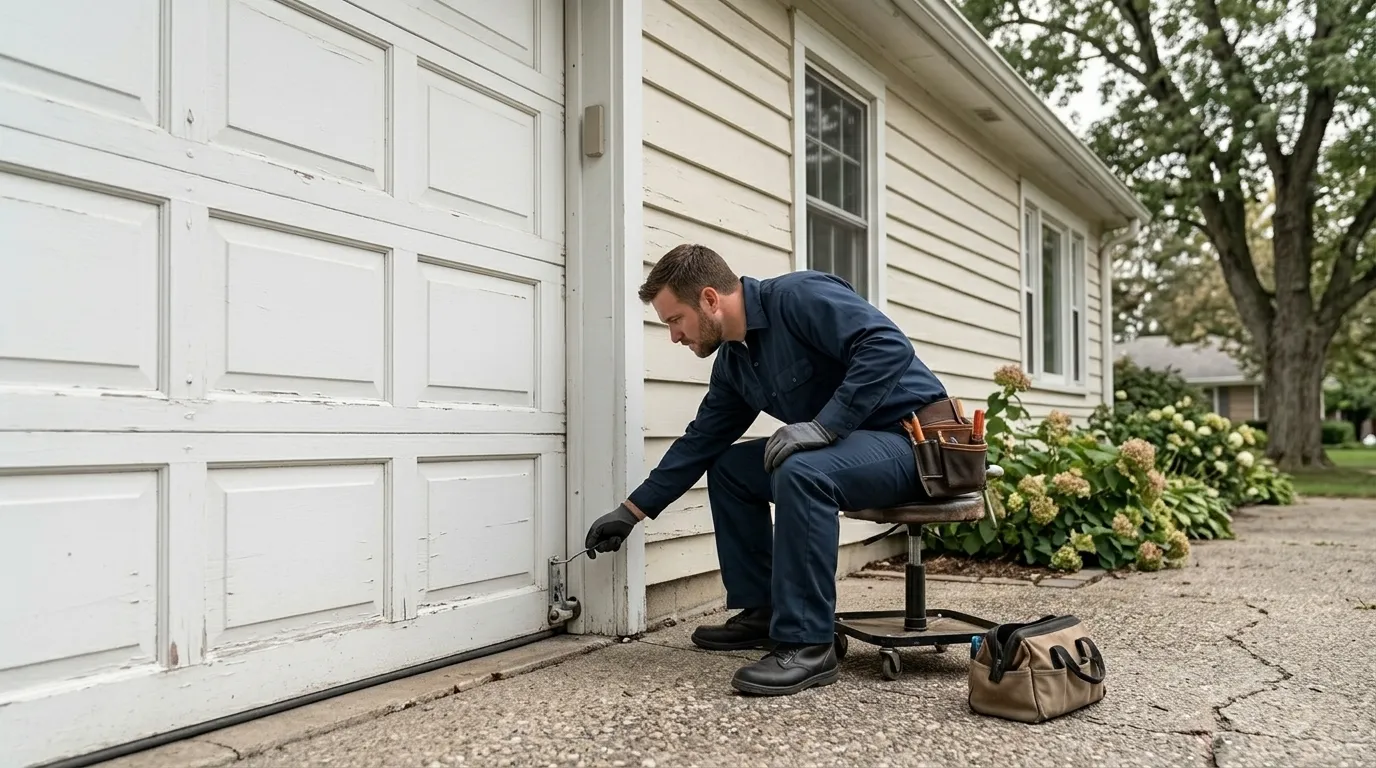
Rust starting at the bottom panel edge, especially near the corners, points to water sitting against the steel rather than draining off - common on doors without a proper bottom seal replacement in years. Peeling or bubbling paint on an otherwise solid panel is usually cosmetic and not worth a full swap.
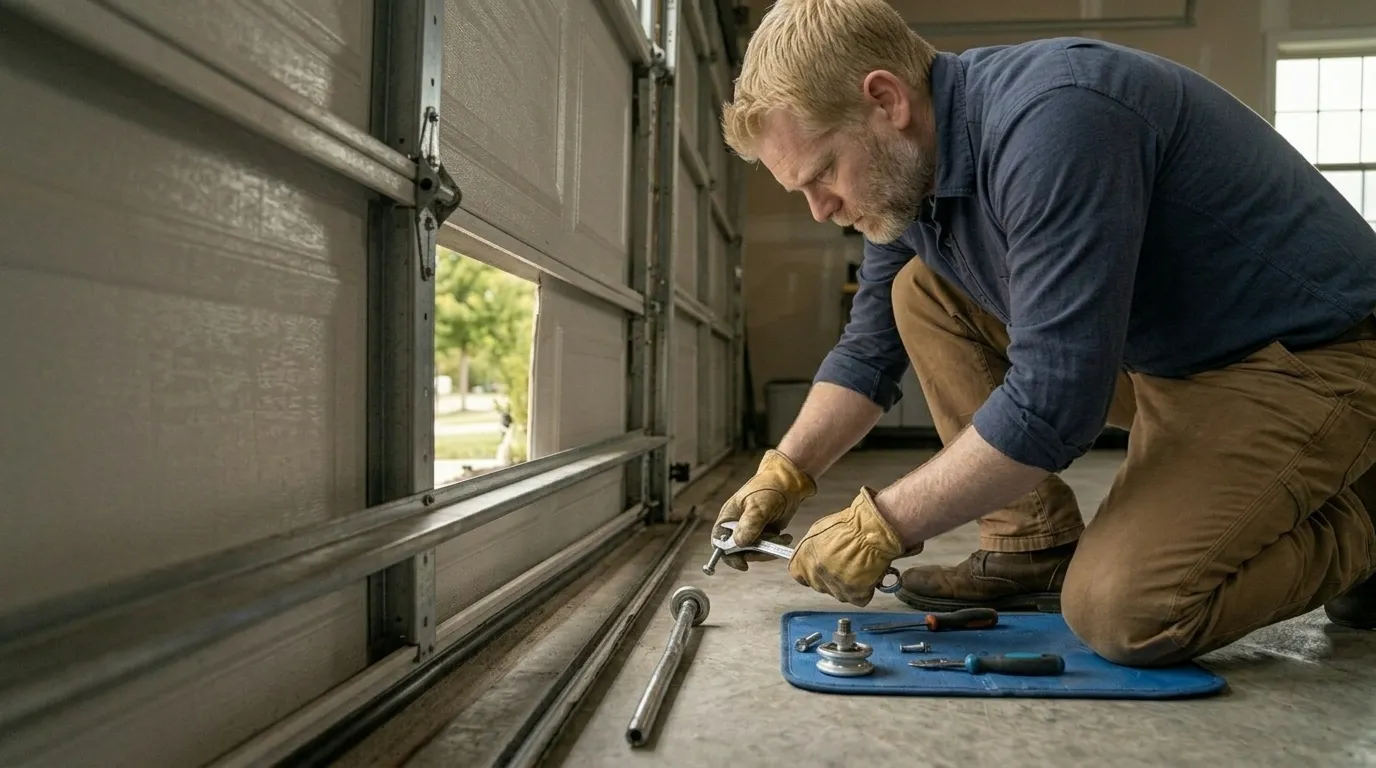
If you can see daylight through a seam when the door's closed, or the section flexes when you push on it by hand, that's a structural failure, not cosmetic. Those don't get better on their own, and running the opener against a panel that's already cracked usually finishes the job for you - the crack spreads to the roller bracket and then you're replacing more than one section.
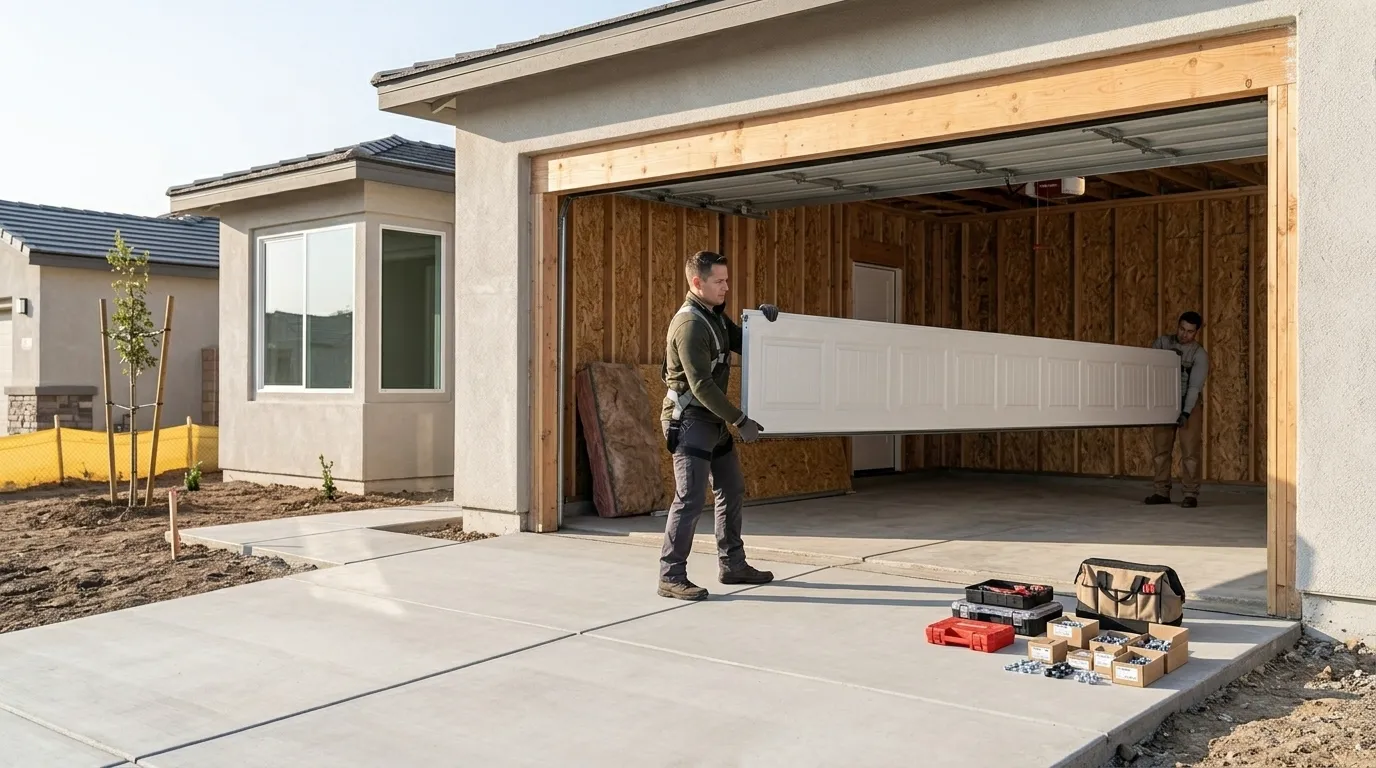
One honest limit here: on doors from before the mid-1980s, we sometimes can't source a matching replacement panel at all, and the whole door has to go. We'll tell you straight if that's your situation before we start anything.
How to Book
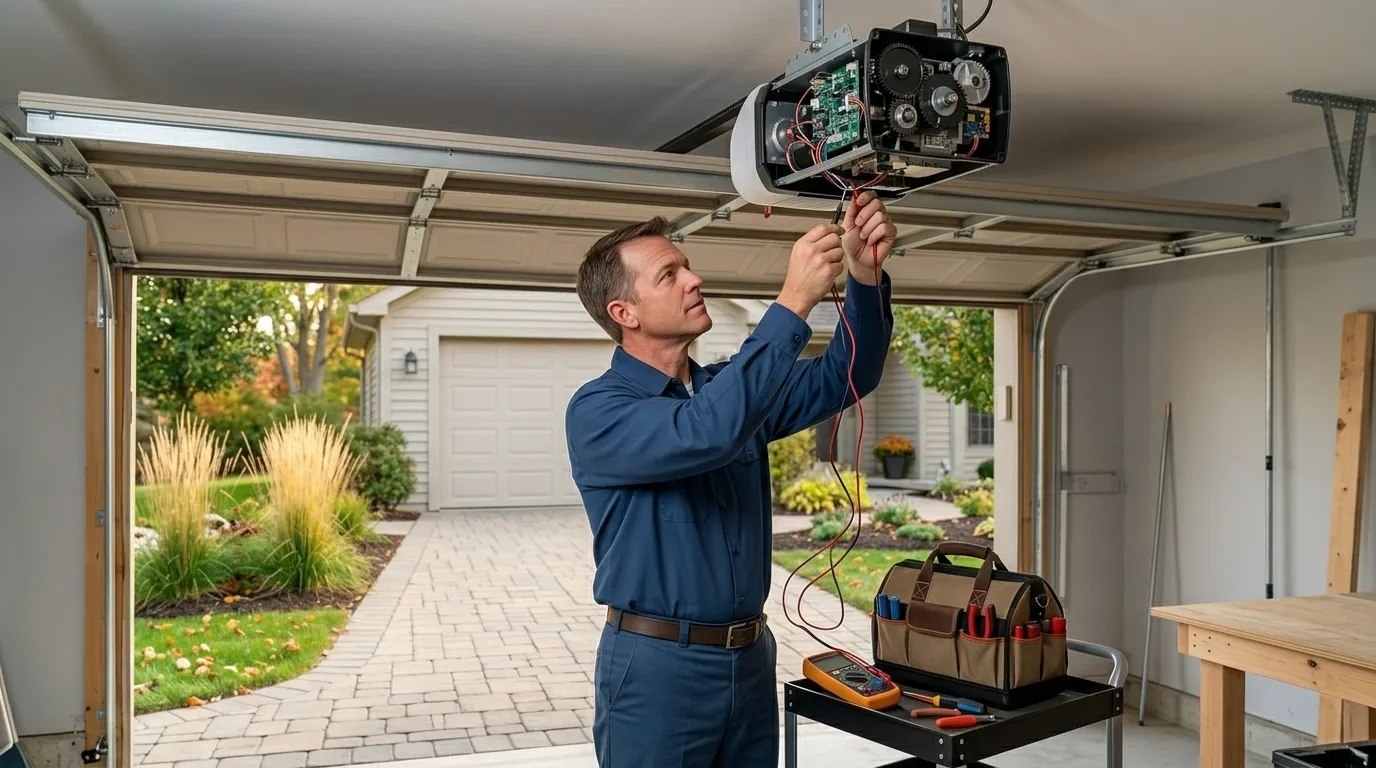
Call or reach out through the site and tell us what you're seeing - a crack, a bow, rust, daylight through a seam. If you can, snap a photo of the panel in daylight; it helps us bring the right stock section on the truck instead of guessing and coming back twice.
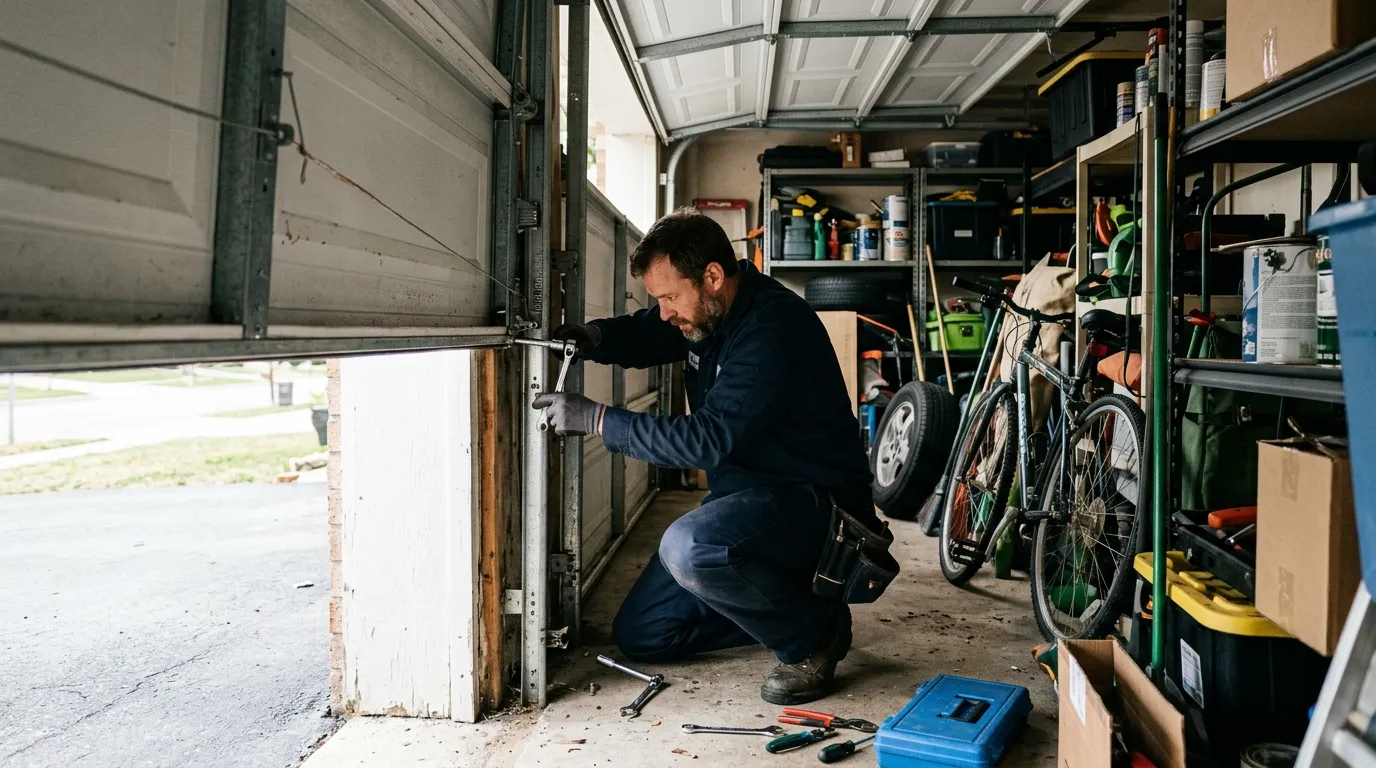
We'll ask what the door looks like closed and what it sounded or felt like when the damage happened, since that tells us whether it's just the panel or whether a spring or track took the hit too. A bent track from the same impact changes the job.
Once we're out, we'll open the section up, confirm the match is available, and give you the actual number before any work starts - not after.