How to Book
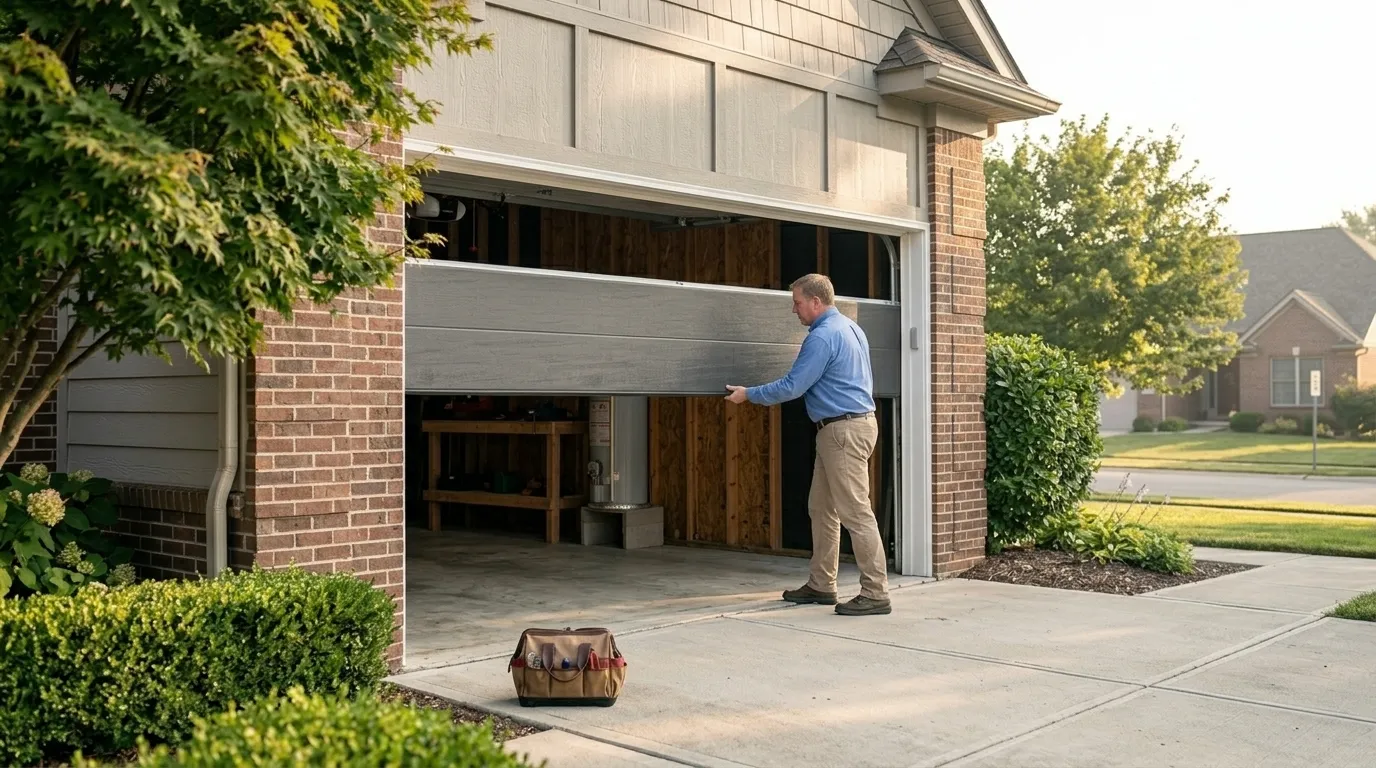
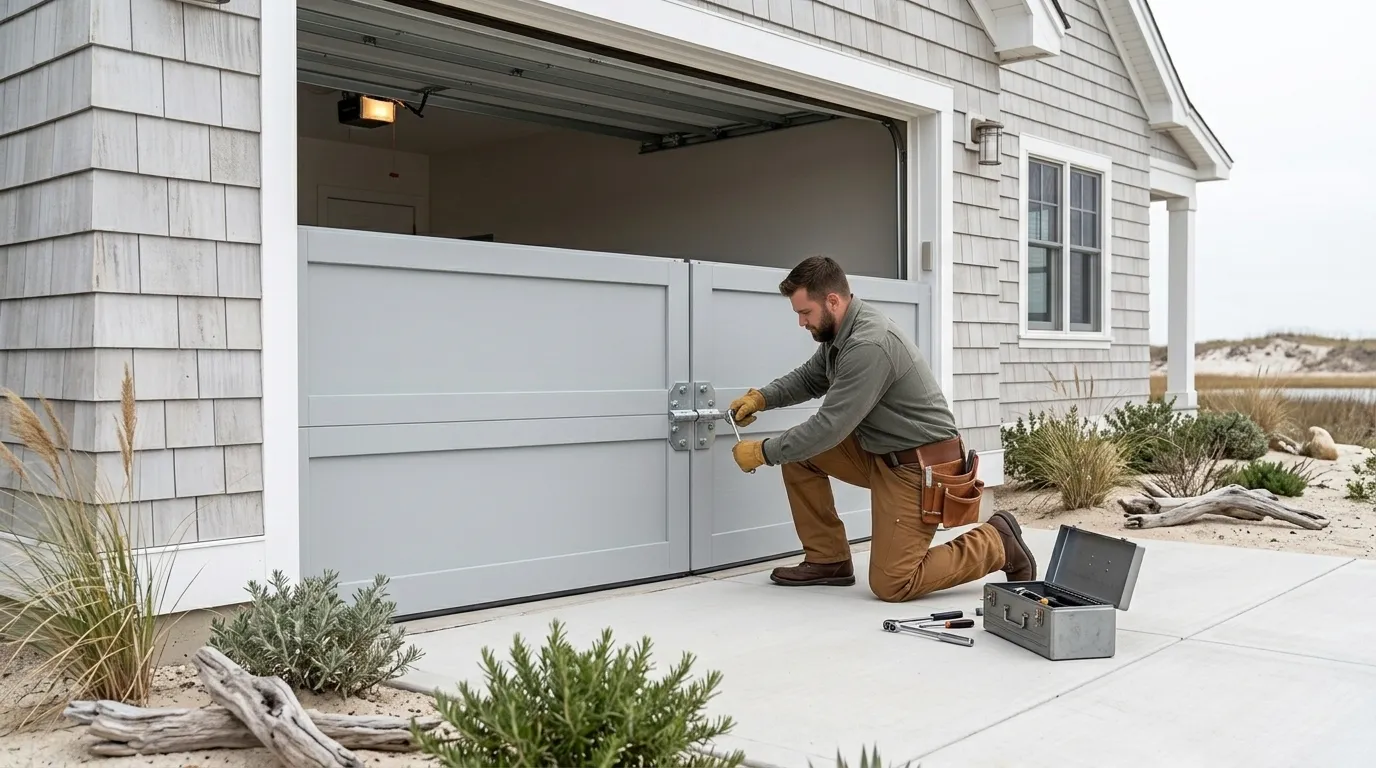
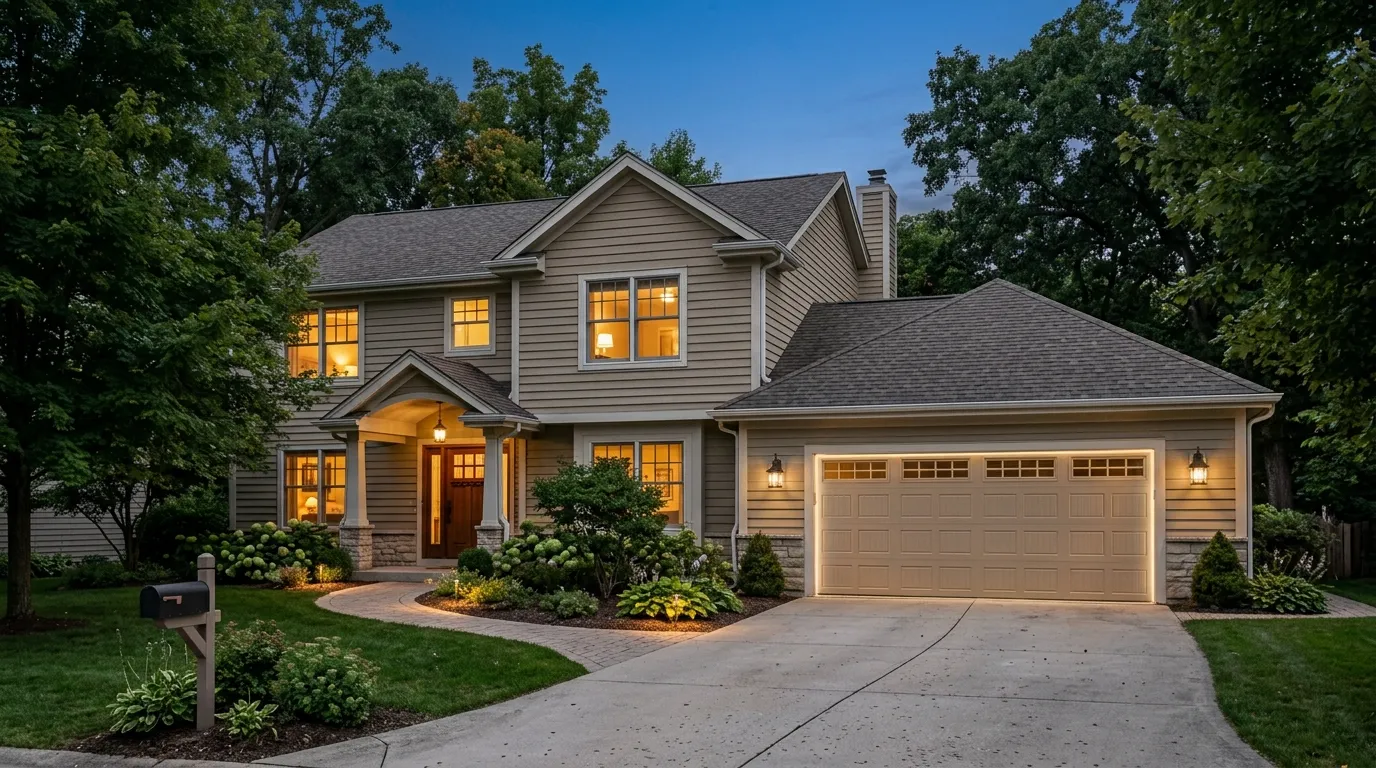
New Albany sits about 9 miles from our shop in Reynoldsburg, and we run a truck out this way on a scheduled basis rather than keeping a crew stationed in town. When you call, tell us the age of the house if you know it - most of New Albany's stock dates to right around 2005, and that one detail tells us more about what's on your door than almost anything else you could say. We'll ask a few questions about the opener brand and whether the springs are on the sides of the door or overhead, then get a time on the books. We don't quote a same-day window for New Albany specifically, since we're traveling in from Reynoldsburg, but we'll give you a real appointment slot, not a vague afternoon. If your opener has a battery backup or a wall console with a timer function, mention that too - it usually means the whole unit is original and helps us bring the right board.
Parts We Carry
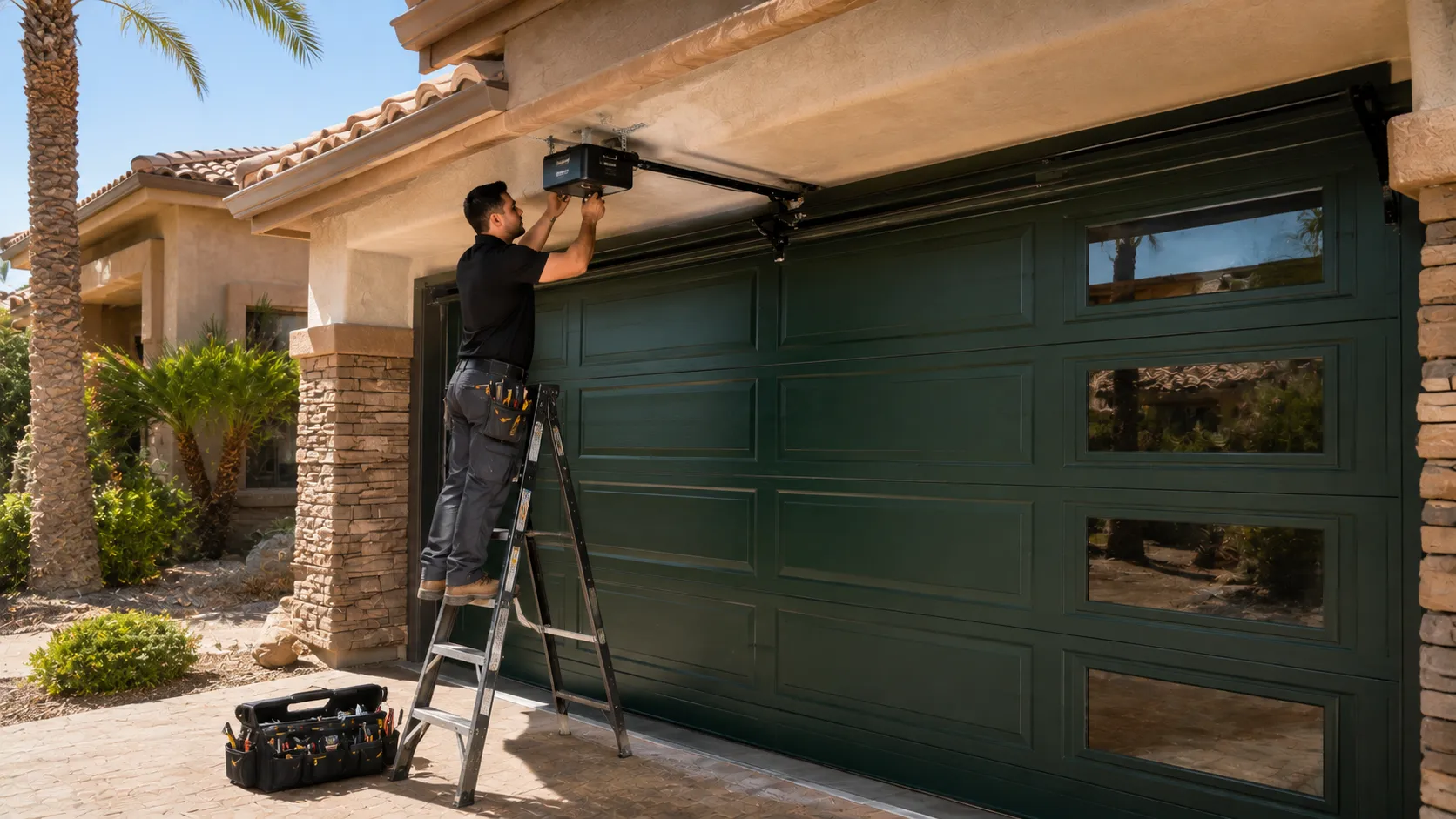
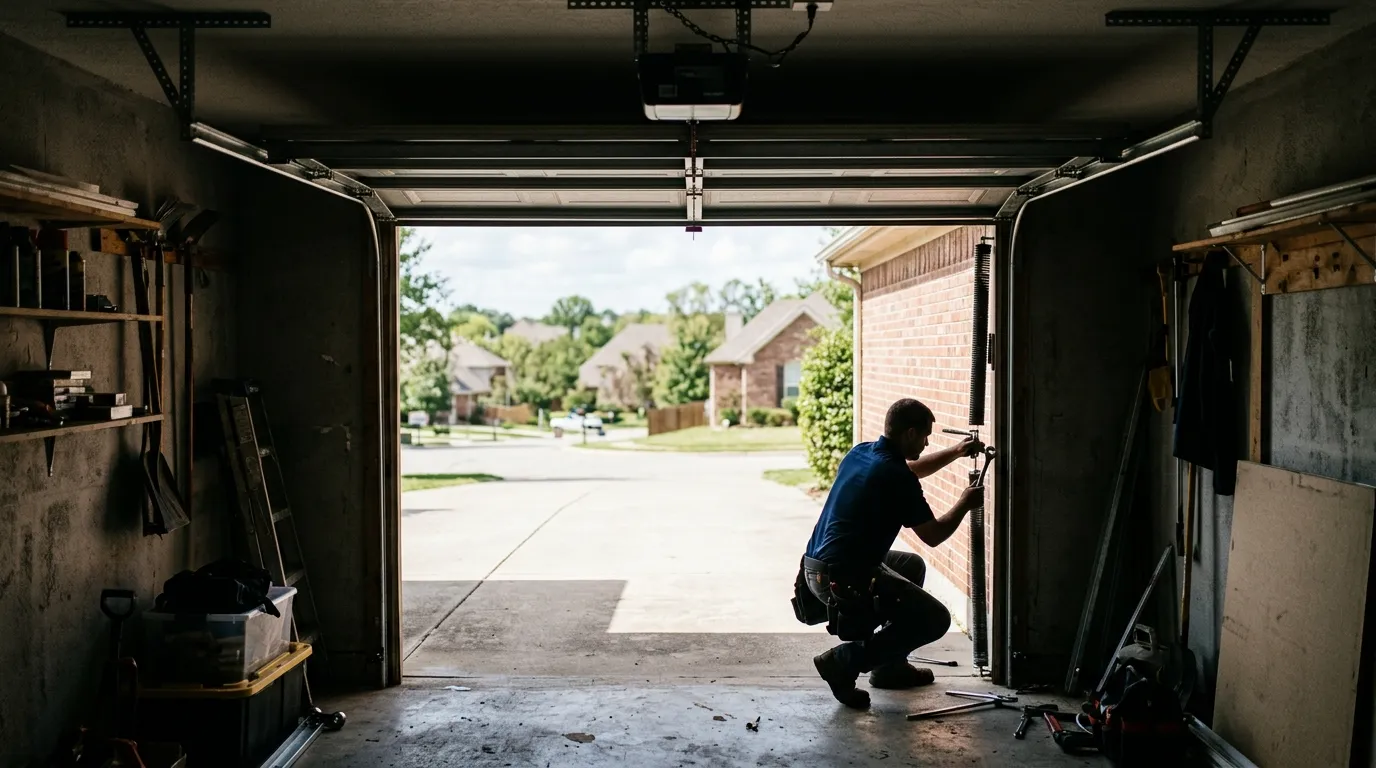
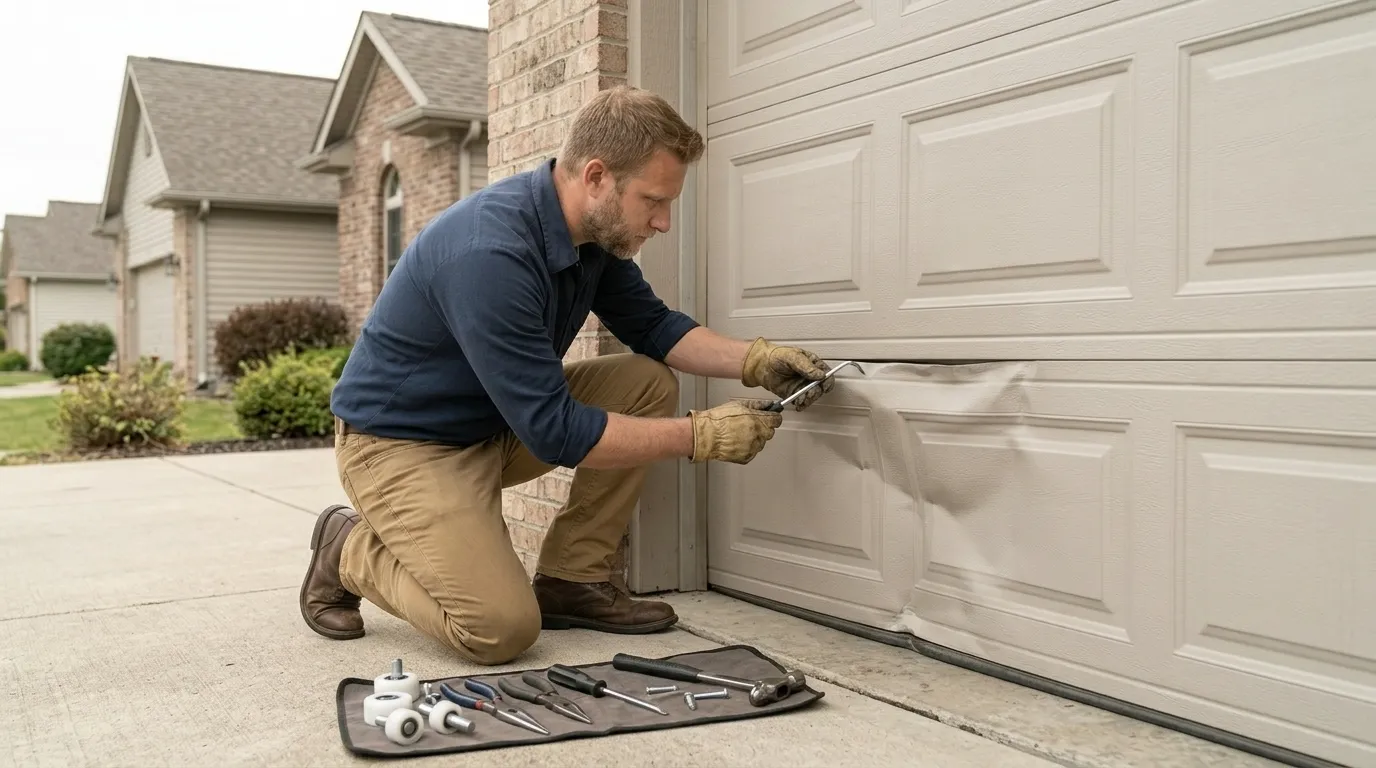
For a house built around 2005, the original opener is usually a chain or belt-drive unit from that era with a circuit board that isn't stocked new anymore - we carry logic boards and drive gears that fit the common models from that period rather than assuming you need a full replacement opener. Torsion springs on a house this age are almost always overhead, wound to a size chart, not the older side-mount extension springs you'd find on a much older door. We keep standard-size torsion springs, nylon and steel rollers, and galvanized track sections on the truck. What we don't stock is every proprietary wall console or remote for niche opener brands - if yours is unusual, we may need to order it, and we'll tell you that up front instead of guessing at a fix.
Where This Job Goes Sideways
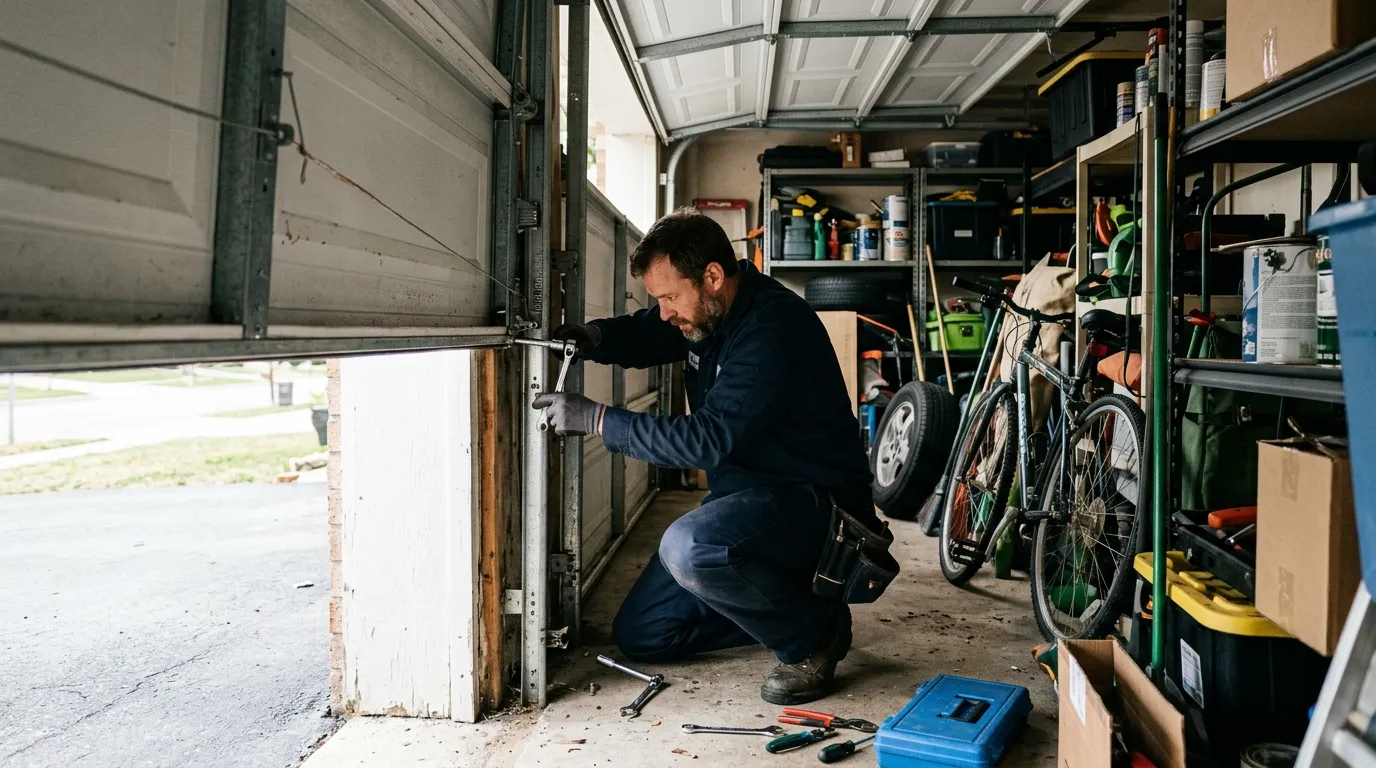
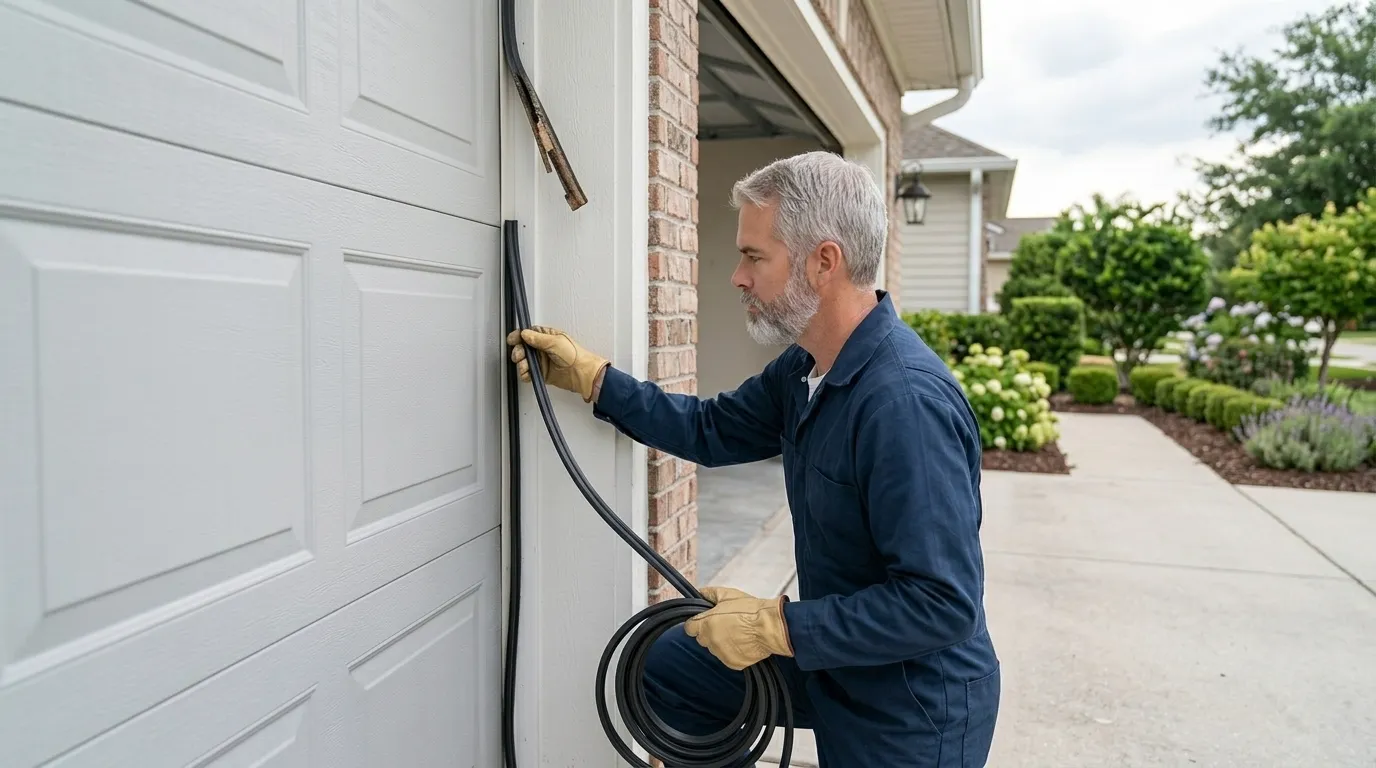
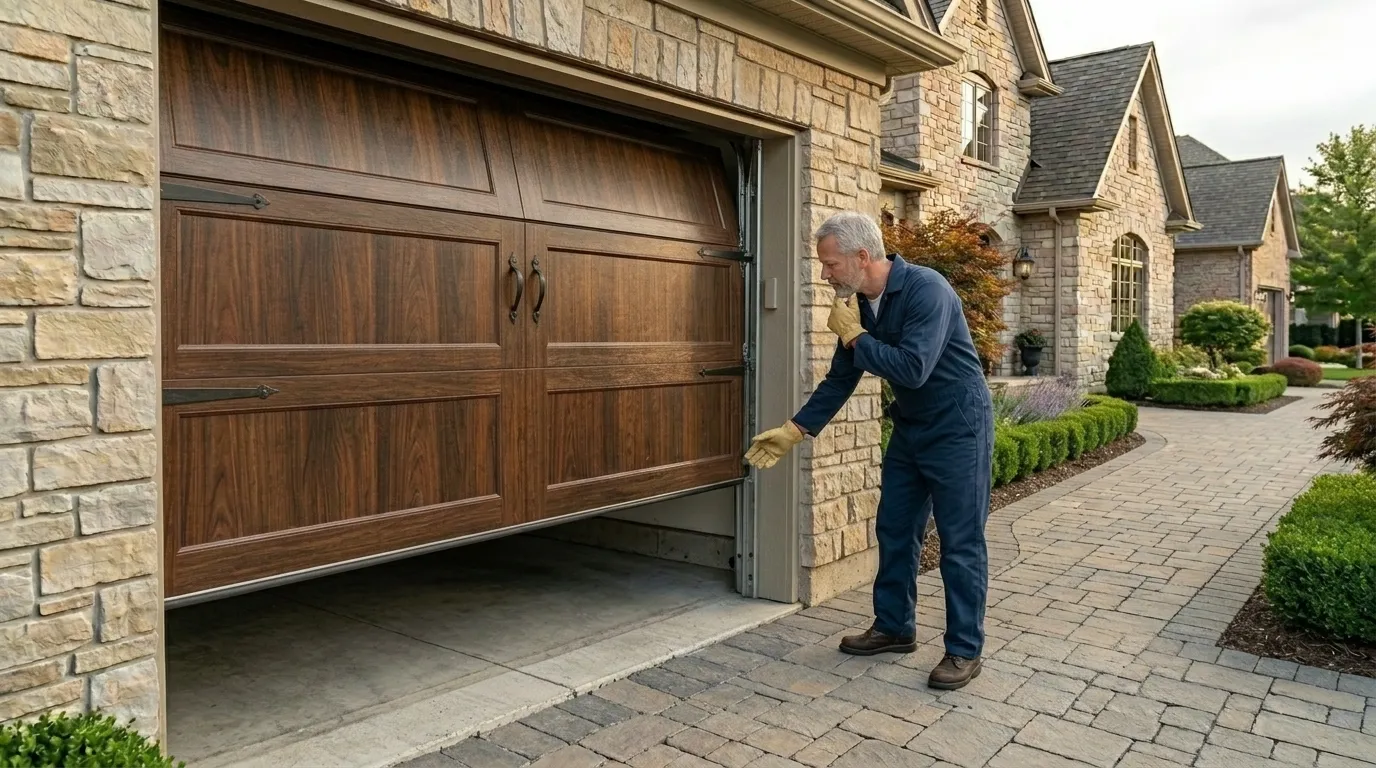
The trouble in a neighborhood built around 2005 usually isn't the door itself, it's the opener's original logic board or a safety sensor that's drifted out of alignment after years of settling. Homeowners sometimes replace the opener wholesale when the real fix is a $40 sensor bracket or a board swap, because the unit looks old and the remote is acting flaky. On the other side, we've seen torsion springs on doors this age still be original, and a spring that old with corrosion at the coil ends is a real hazard, not a maintenance item to put off. The honest limitation here: if your opener is a discontinued proprietary brand and the manufacturer no longer makes the board, we may not be able to save the unit, and full opener replacement becomes the only real option.
Can You Do This Yourself
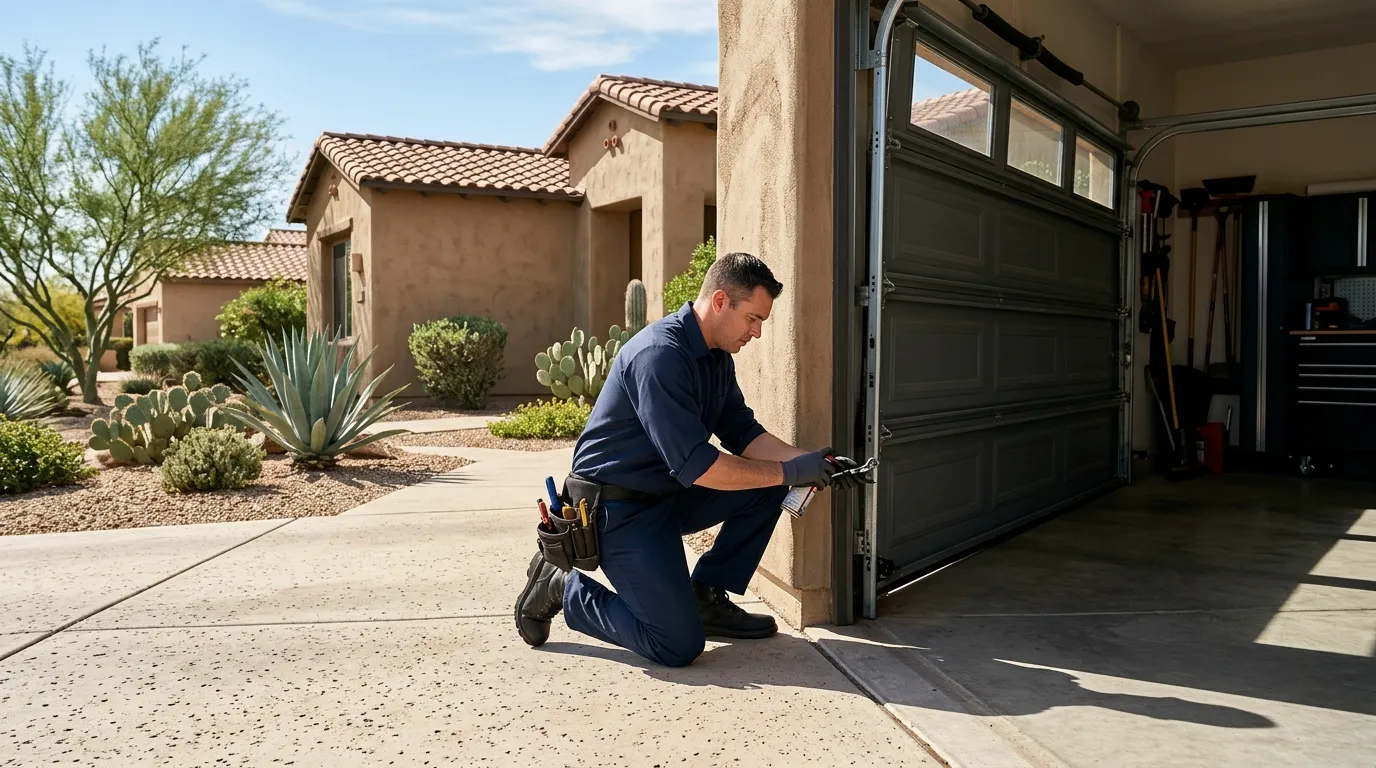
Checking your opener's sensor alignment - those two small eyes near the bottom of the tracks - is something you can do yourself: unplug the unit, wipe the lenses, and make sure both lights are solid, not blinking. Lubricating rollers and hinges with a garage-door-specific lubricant, not WD-40, is fine for anyone comfortable on a stepladder. What you should not touch is the torsion spring itself. On a door built to a 2005-era spec, the spring is wound under real tension on a shaft, and a slipped winding bar has taken fingers off people who thought they knew what they were doing. If your door is off track or a spring looks broken - split coil, or the door won't budge past a foot - that's a call, not a weekend project.