How to Book
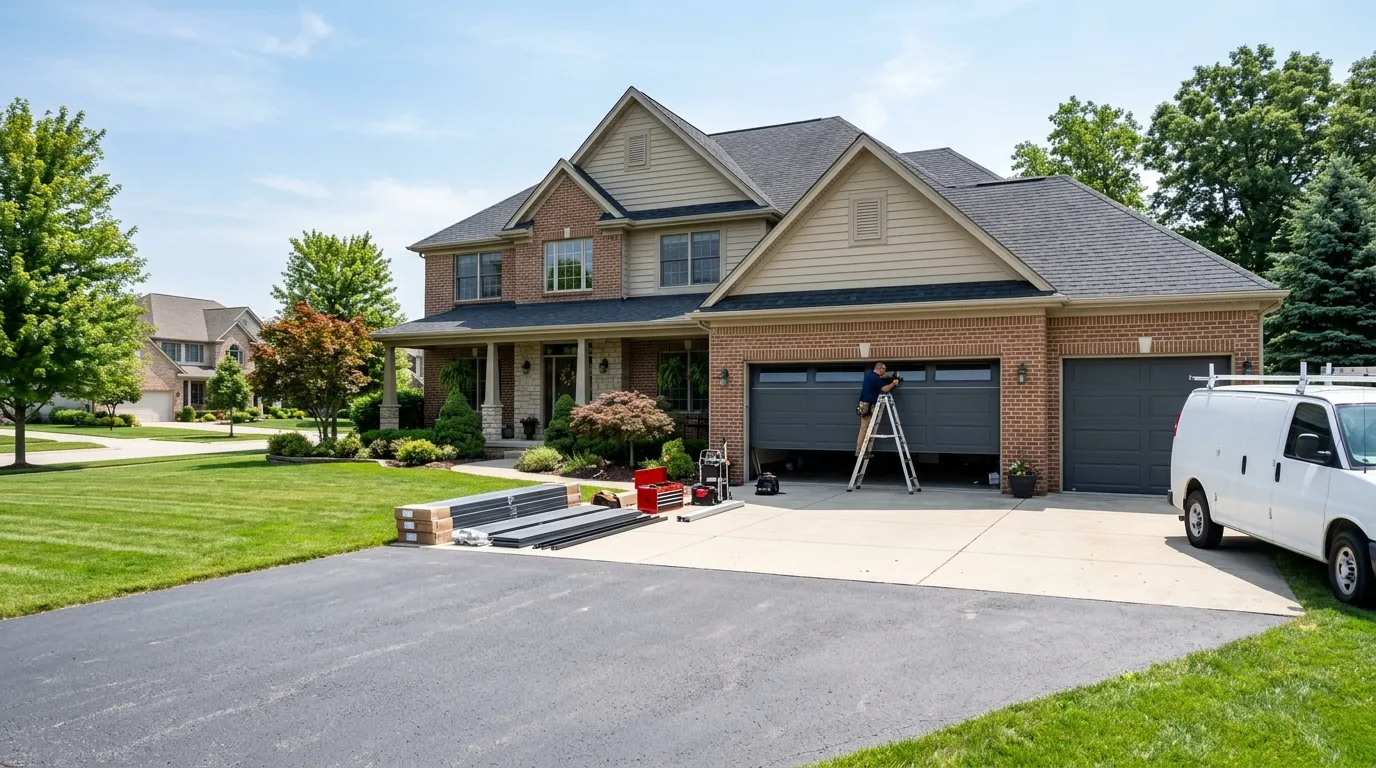
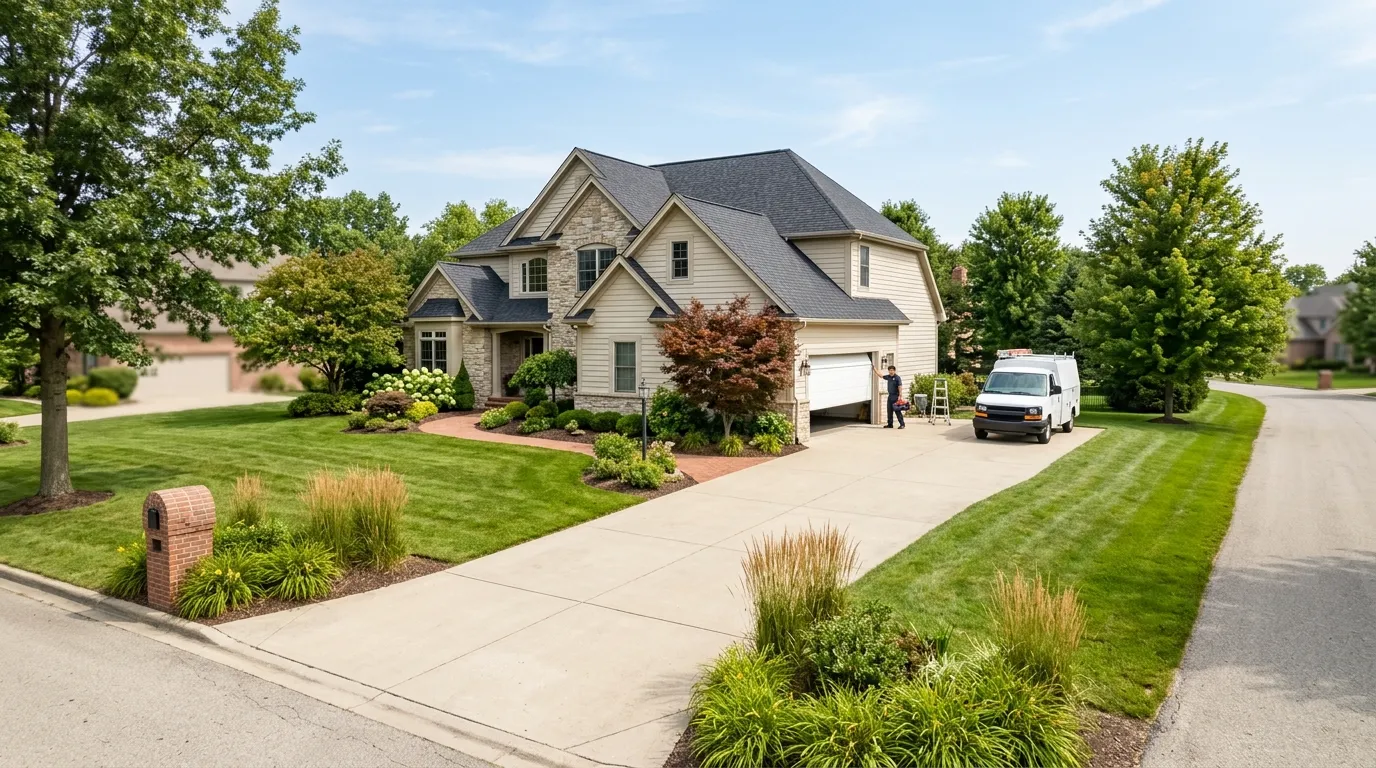
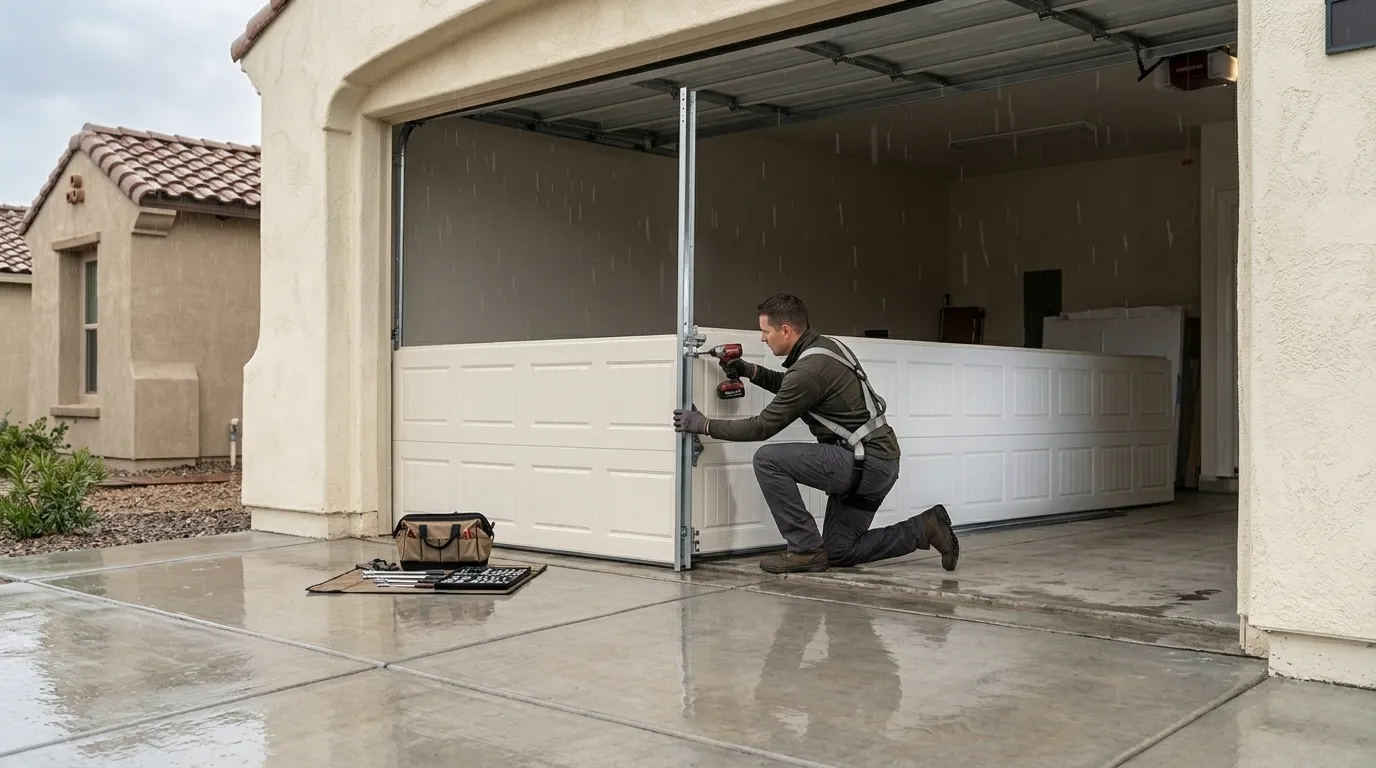
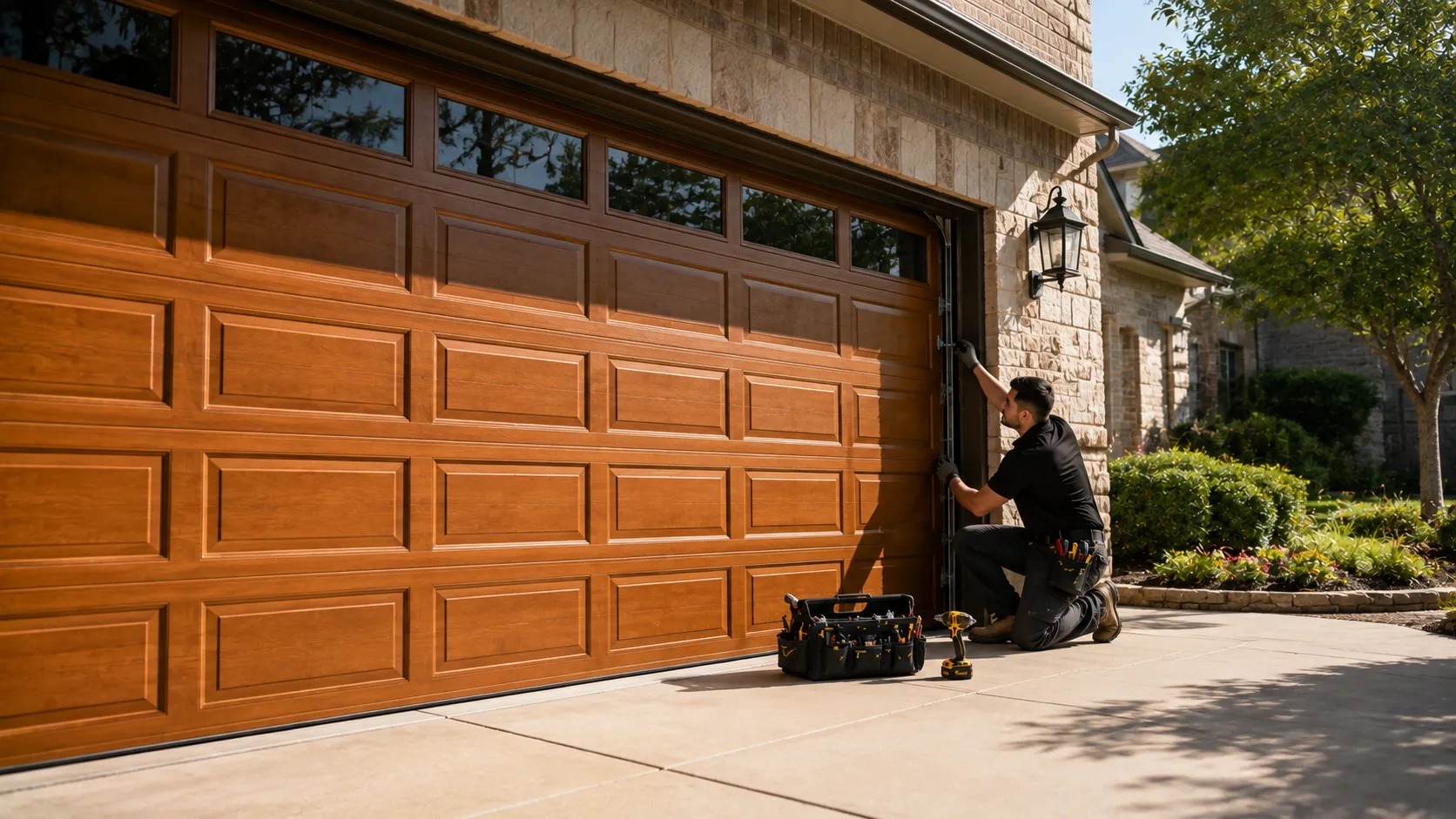
New Albany has about 3,495 households, a small slice next to the roughly 95,004 households spread across the rest of the service area we cover out of Reynoldsburg. That size matters for how a call gets handled: there's no branch or depot in New Albany itself, so every job here starts with a truck making the 9-mile run from Reynoldsburg. When you call, tell us what the door is doing right now - won't move, moves partway then stops, opener grinds but the door doesn't lift. That tells us what to load before the truck leaves. We don't quote a fixed response window on this page because we're not staged in New Albany; we're driving to you. What we can do is get the details right before we start driving, which saves time once we're in your driveway.
Parts We Carry
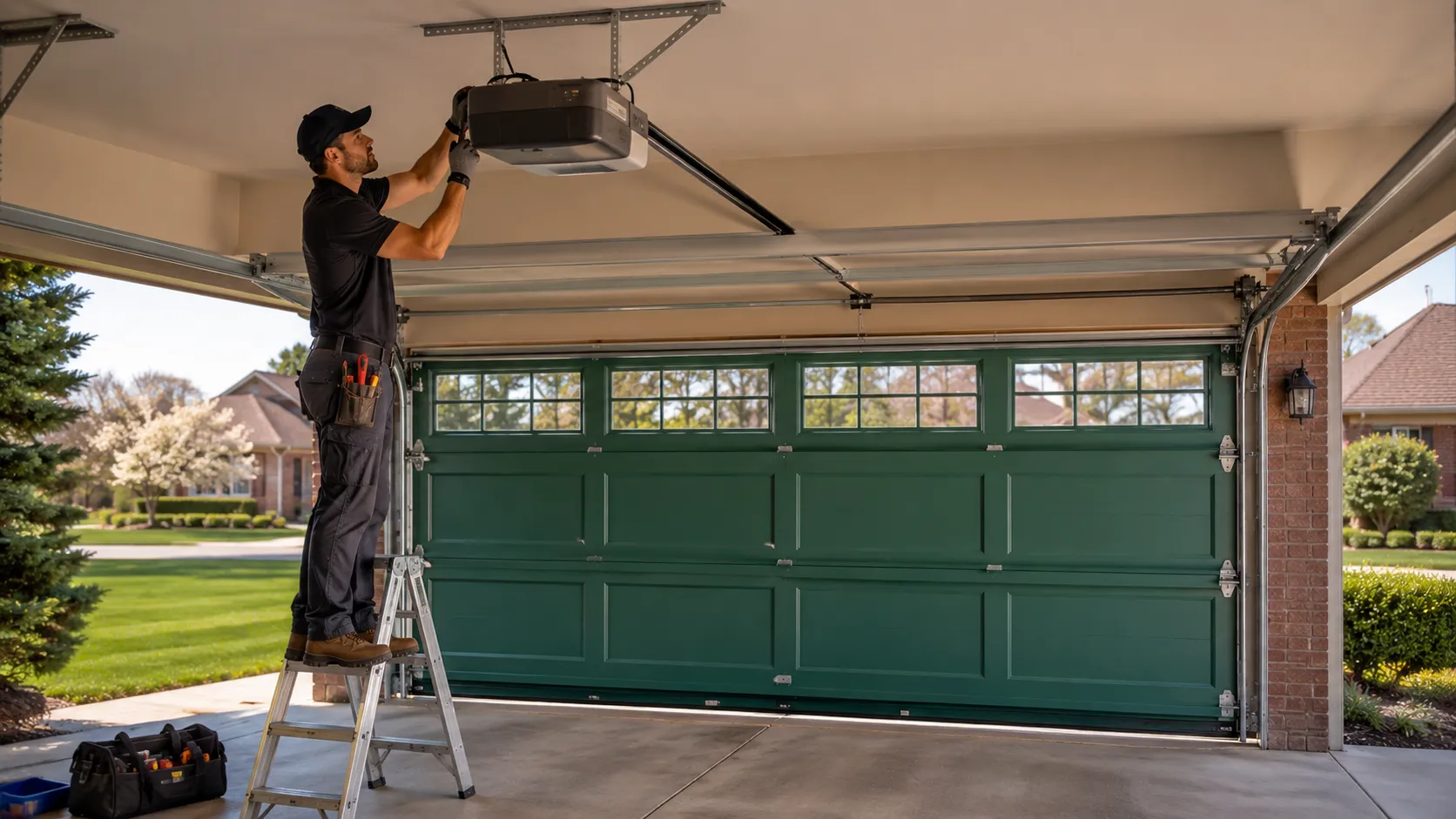
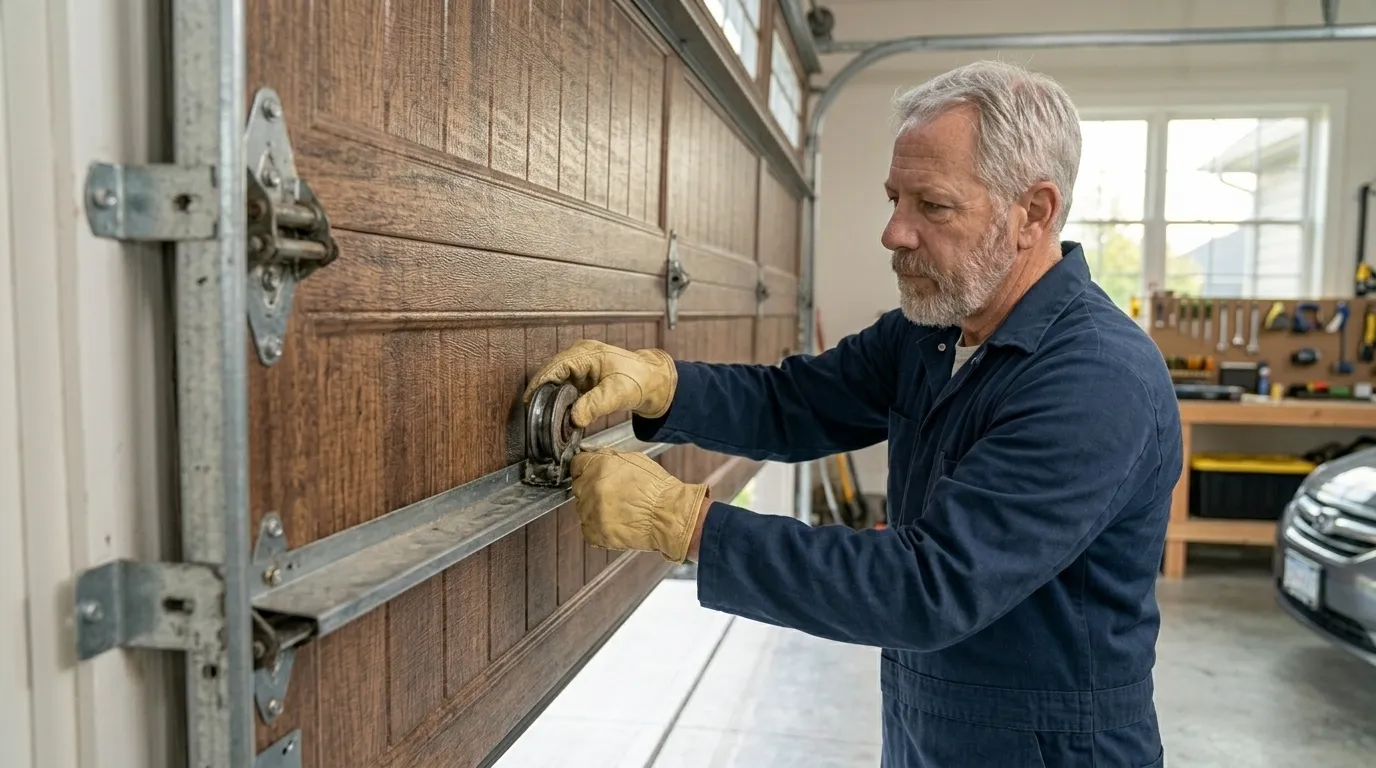
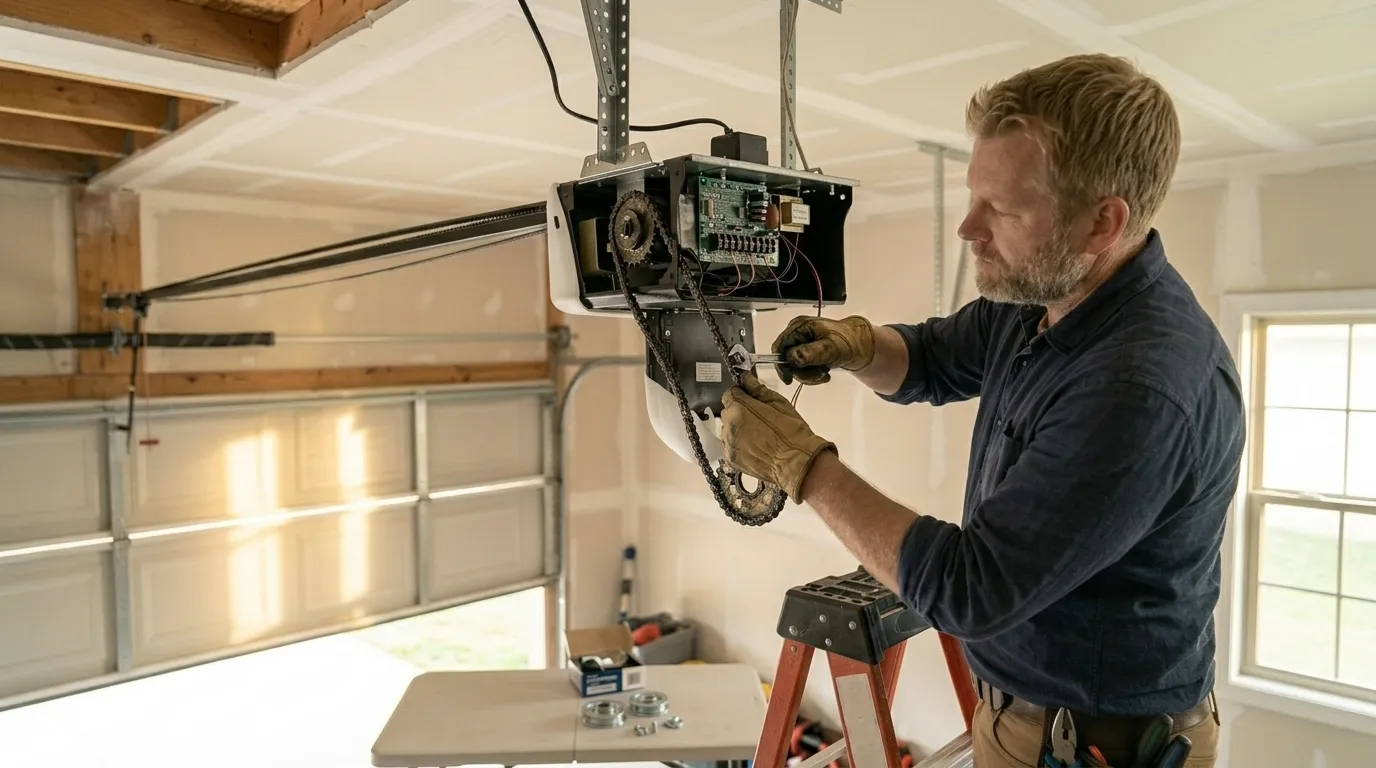
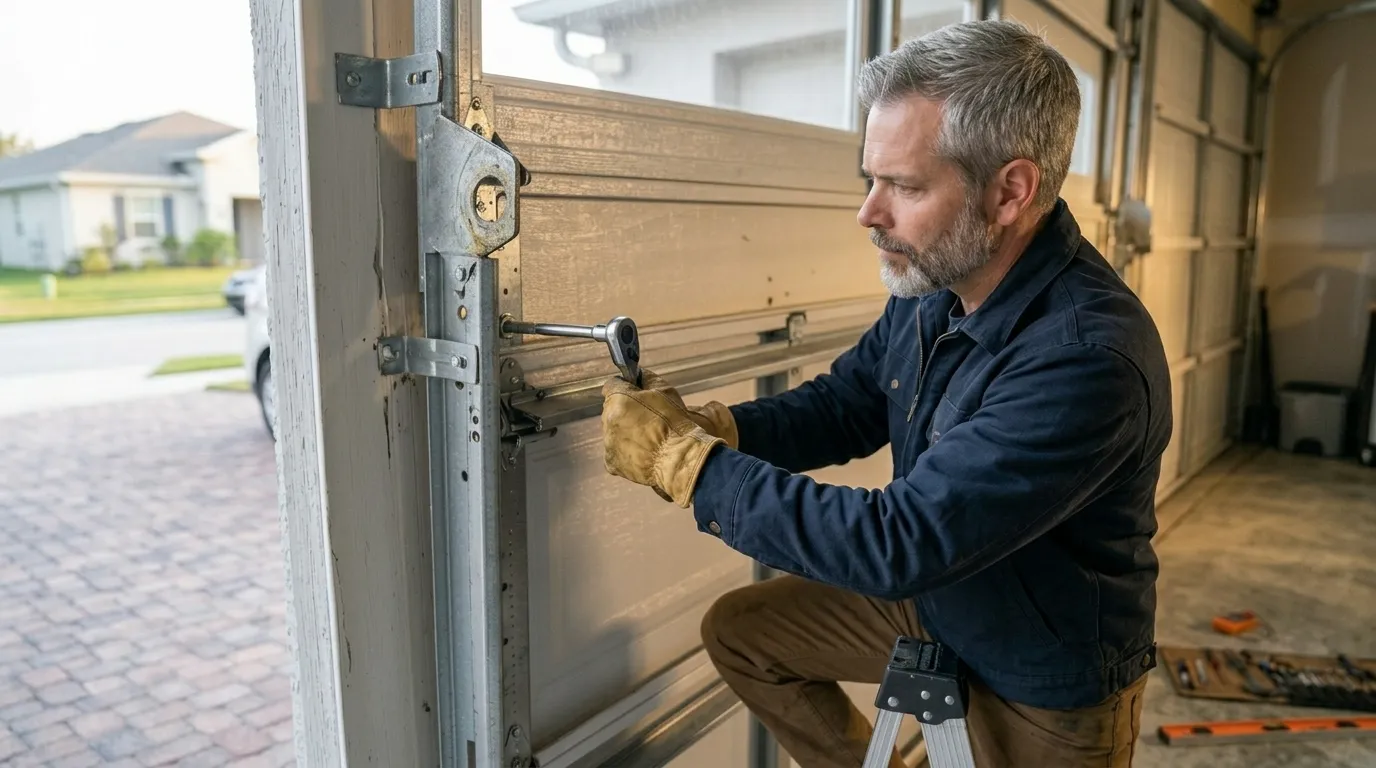
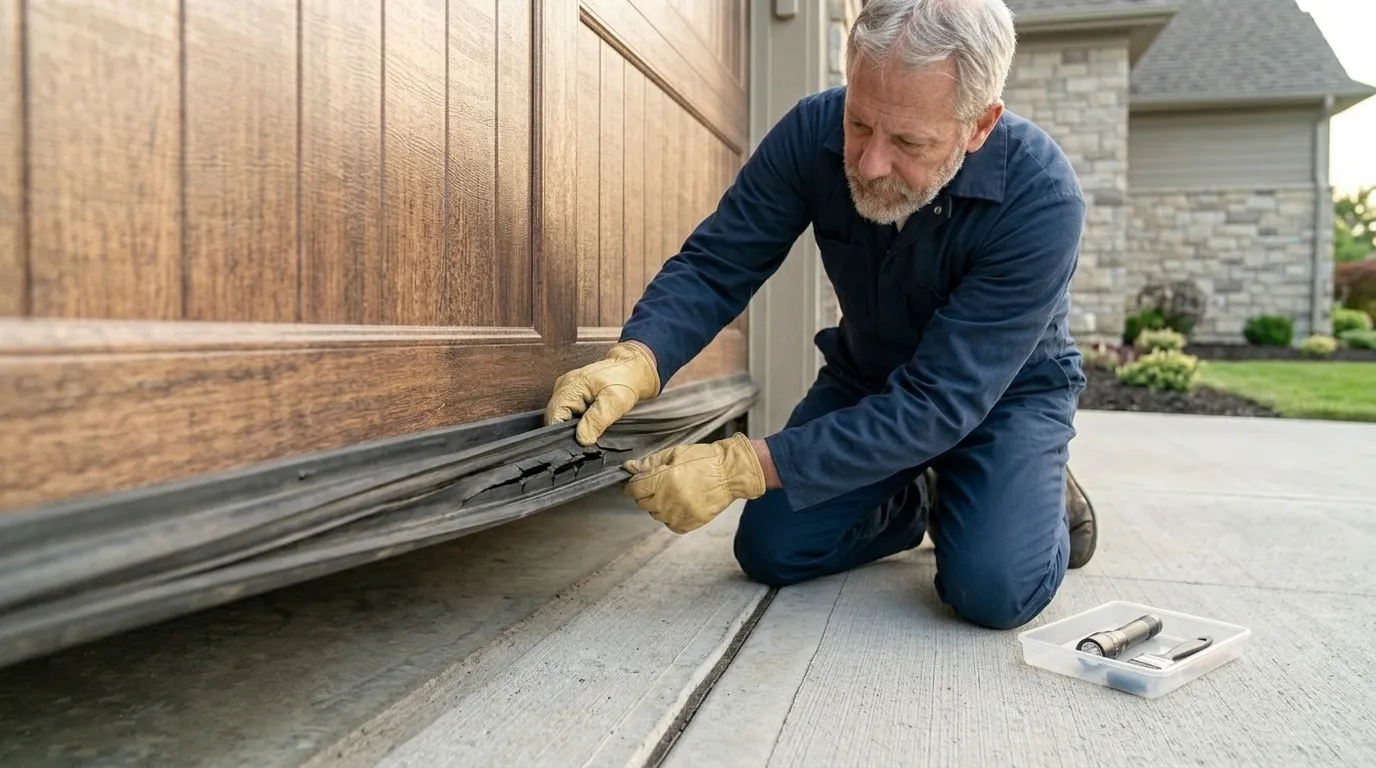
Because most of New Albany's housing went up around 2005, median year built, the doors and openers we run into here skew newer than what we see on older streets closer to Reynoldsburg. That means more jobs involving belt-drive or screw-drive openers with circuit boards, photo-eye safety sensors, and steel torsion springs that are still within their expected working life rather than decades past it. We carry common opener logic boards, photo-eye pairs, torsion springs sized for standard residential doors, nylon and steel rollers, and standard-gauge lift cables. What we don't stock is anything proprietary to a specific builder-installed opener brand that isn't widely sold at retail - if your door came with a less common factory opener, that part may need to be special-ordered, and we'll tell you that on site instead of guessing.
Where This Job Goes Sideways
The region sits in a cold-climate band with real winter severity, and cold steel is less forgiving steel - torsion springs that have cycled thousands of times can snap on the first hard cold morning of the season, and nylon rollers that were fine in October crack in January. In a newer neighborhood like New Albany, the twist is that homeowners assume a 2005-era door and opener are still 'new' and therefore fine, when a spring rated for a certain cycle count doesn't care what year the house was built. The other place this goes sideways: a photo-eye sensor knocked out of alignment by a bumped car or a garden hose looks exactly like a dead opener from the driver's seat, and people call it in as an emergency opener failure when it's a five-minute fix. We ask about that on the phone before we load the truck.
Can You Do This Yourself
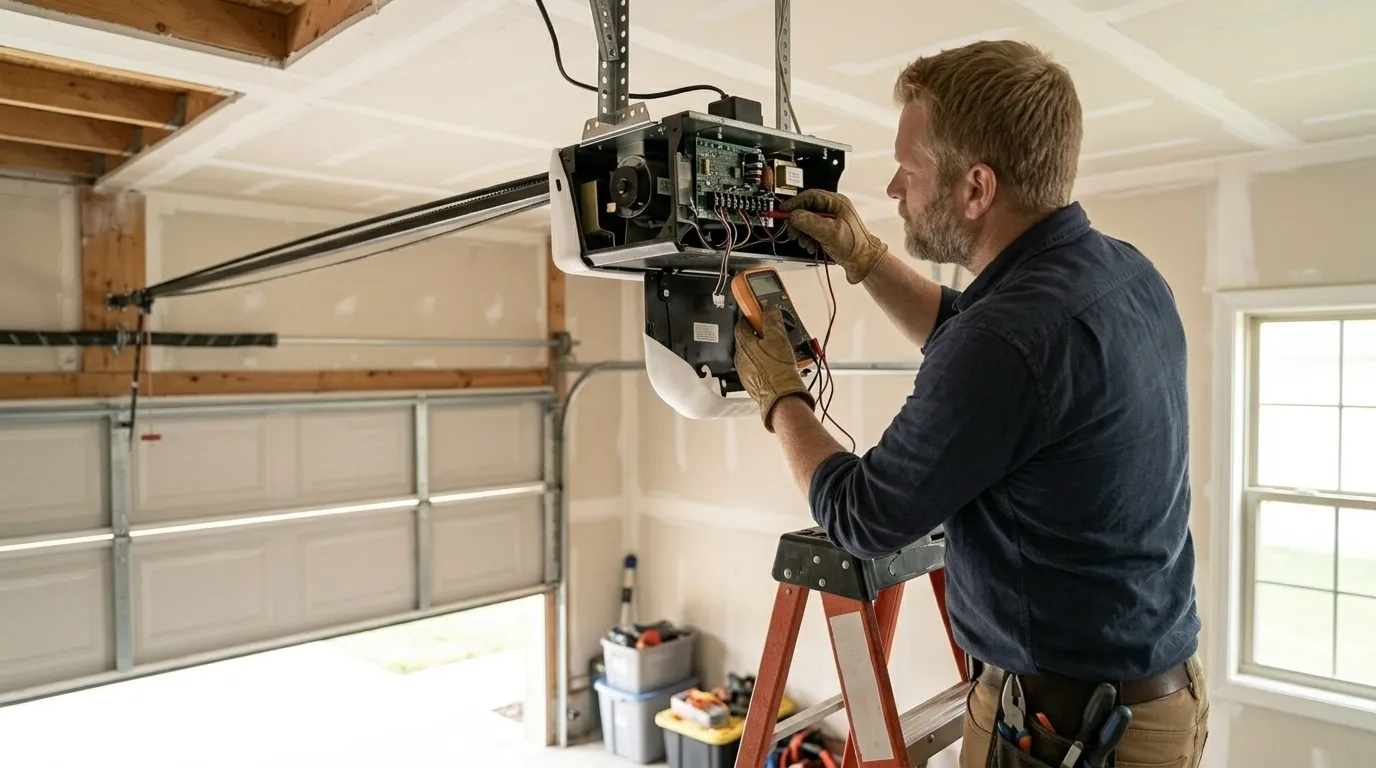
Realigning a photo-eye sensor or tightening a loose bracket is within reach for most homeowners - it's a screwdriver and patience, not a specialty tool. A torsion spring is not that job. Springs on residential doors are under enough tension to break a bone or worse if the winding bars slip, and that risk doesn't scale down just because the house is newer. If your opener logic board is dead, you can usually tell by the lights: a board with no response at all versus one that clicks and does nothing point to different fixes, and swapping a board without matching it to your opener's motor and drive type is a good way to turn a repair into a full opener replacement.