How to Book
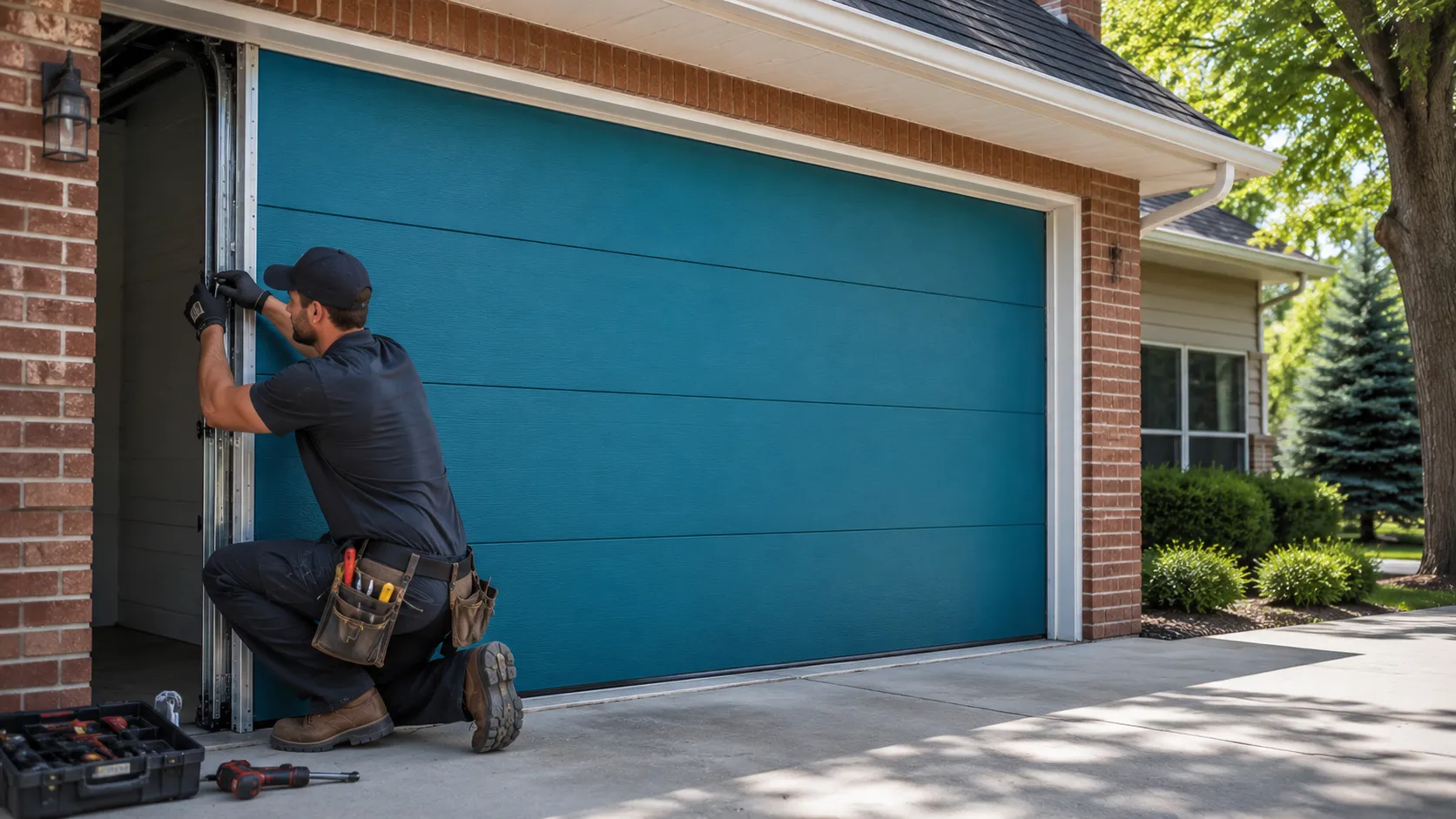
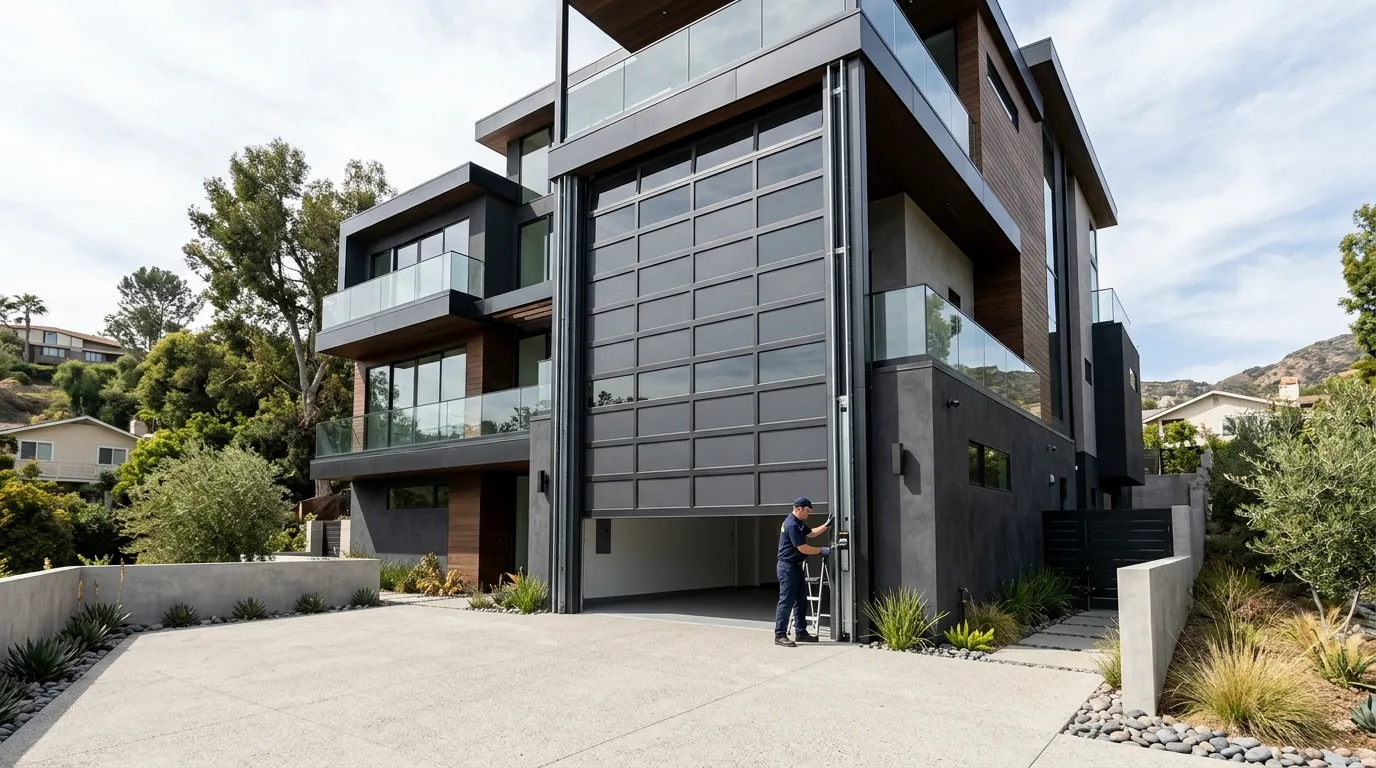
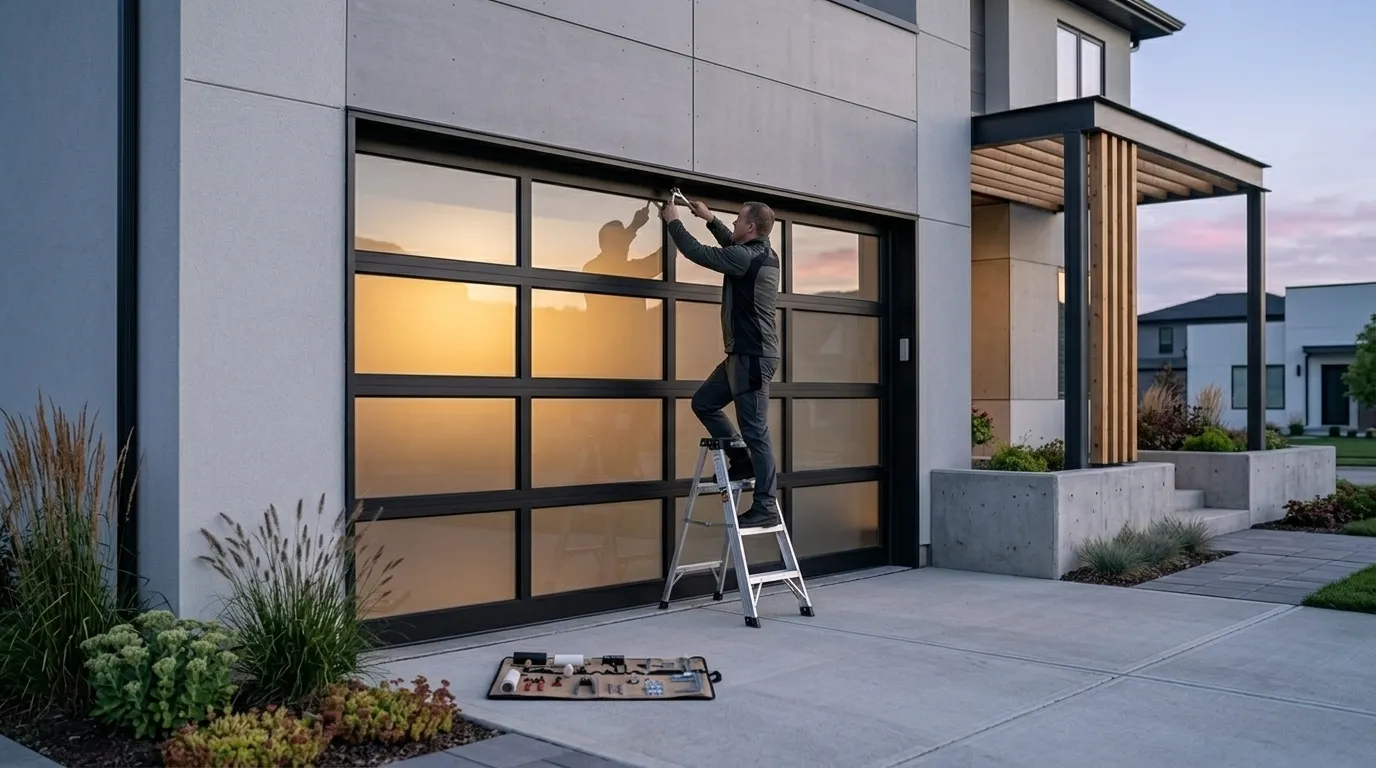
Most of the bay doors we get called out on in Pataskala are newer than what we see closer to the middle of the service area - the median building here dates to about 1998, versus a 1977 median across the wider Reynoldsburg service area. That gap matters: it means steel sectional doors on galvanized track, sized for standard commercial openings, not the older wood-panel or single-slab doors you'll find on buildings put up before the 1980s. We run this from Reynoldsburg, five miles out, so a Pataskala call goes on the same route as anything else in that stretch of the map - it isn't a special trip and it doesn't carry a distance surcharge. Call and tell us the door width, whether it's manual or motorized, and what it's doing (or not doing). If you can send a photo of the spring or track before we arrive, that helps us bring the right part on the first trip instead of a second one. We book by phone and confirm details before the truck leaves the shop, since a wrong panel width wastes your business's time as much as ours.
Can You Do This Yourself
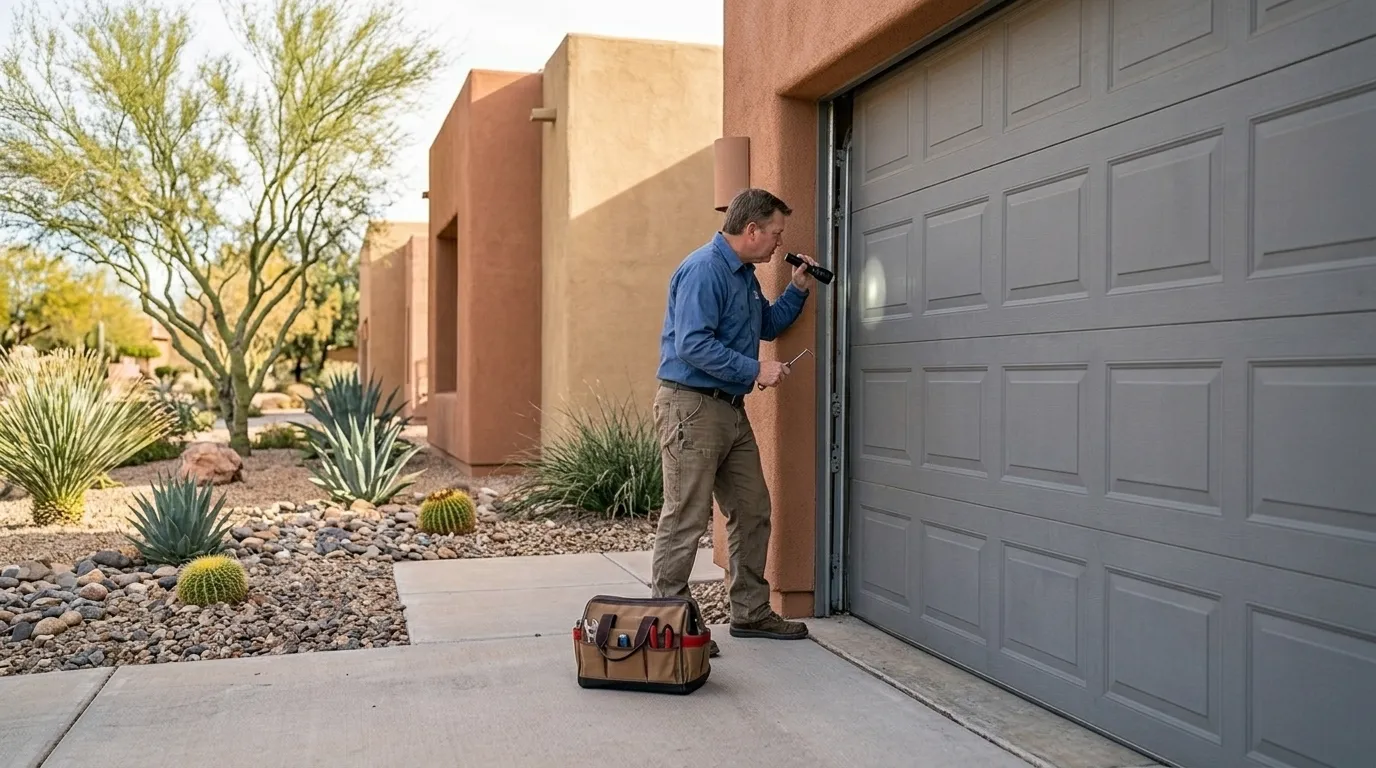
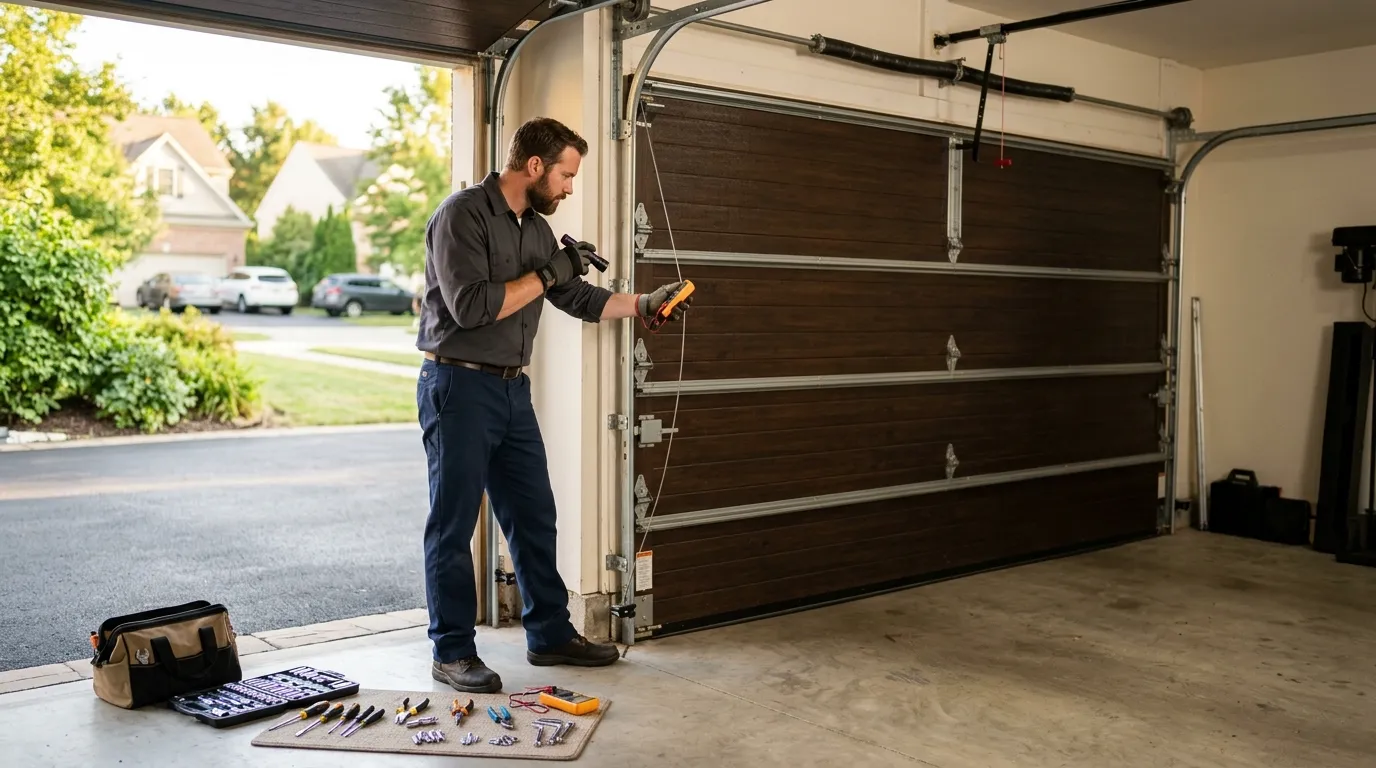
A commercial door built around 1998 is not usually a DIY spring job - most bays that size run torsion springs rated for panel weights well past what a homeowner-grade winding bar is built for, and a spring under that kind of tension is genuinely dangerous to touch. What you can do yourself: check that the track bolts and roller brackets aren't visibly bent, listen for a grinding or clicking that follows the door up and down (that's usually a bearing or a roller, not the spring), and check whether the opener is receiving power at all before you assume the motor is dead. If the door won't move and there's a visible gap or kink in the torsion spring coil, stop there - that's a call, not a project. We'll say plainly: replacing a commercial torsion spring without the right winding bars and clamps is one of the more common ways people end up in an emergency room, not a hardware store.
Parts We Carry
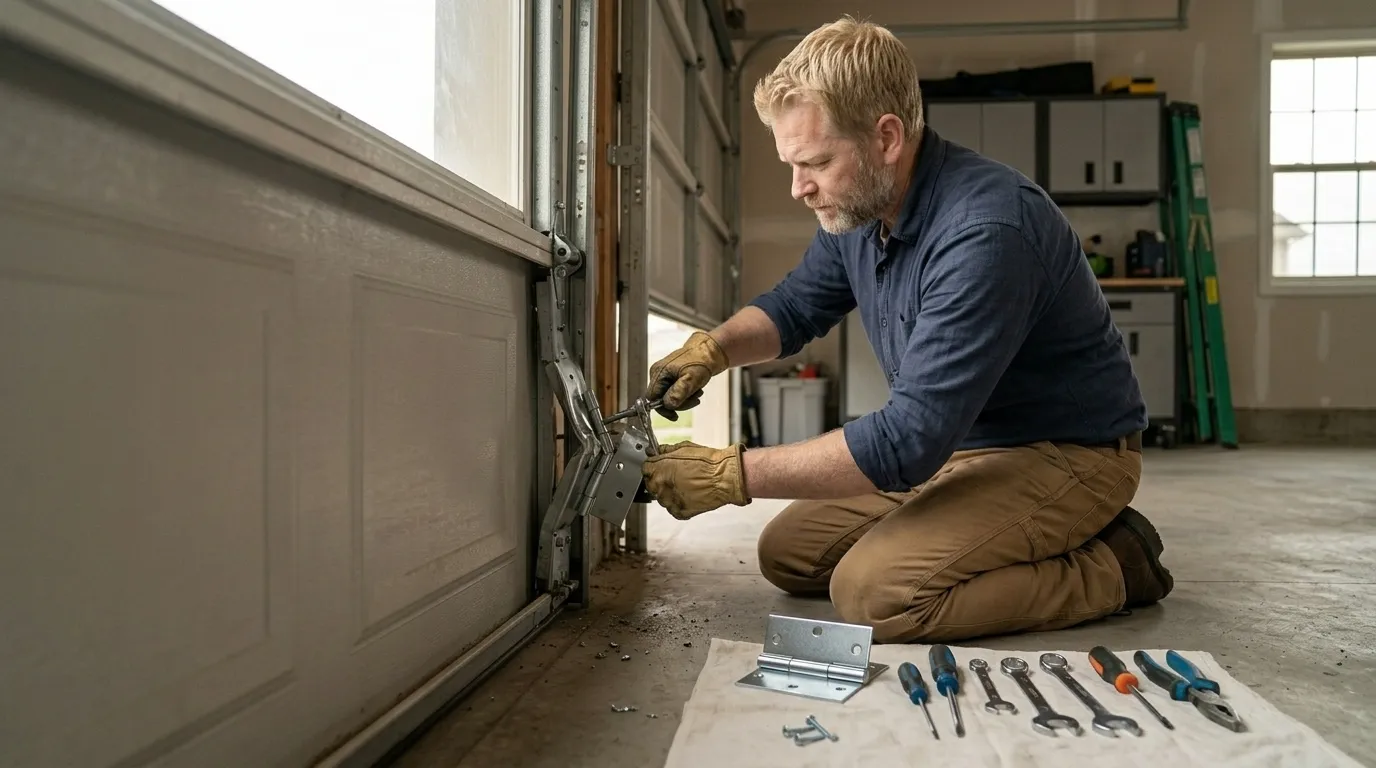
For the door stock typical of a building from this era, we carry standard commercial torsion springs in common shaft sizes, galvanized track sections, nylon and steel rollers, lift cables, and the hinges and brackets that go with a multi-panel steel sectional door. We also carry common commercial opener parts - drive gears, belts, and control boards for the motor sizes that show up on bays sized for this kind of building. What we don't stock on the truck is anything custom: a nonstandard door width, a discontinued opener model, or hardware for a door style built well before the 1998 median we see across Pataskala. On those jobs we'll tell you up front that a part has to be ordered rather than pretend we can finish it in one visit. Carrying the common sizes is what keeps most Pataskala calls to a single trip; it's also why we ask for the door width and opener brand before we load the truck.
What the Fix Involves
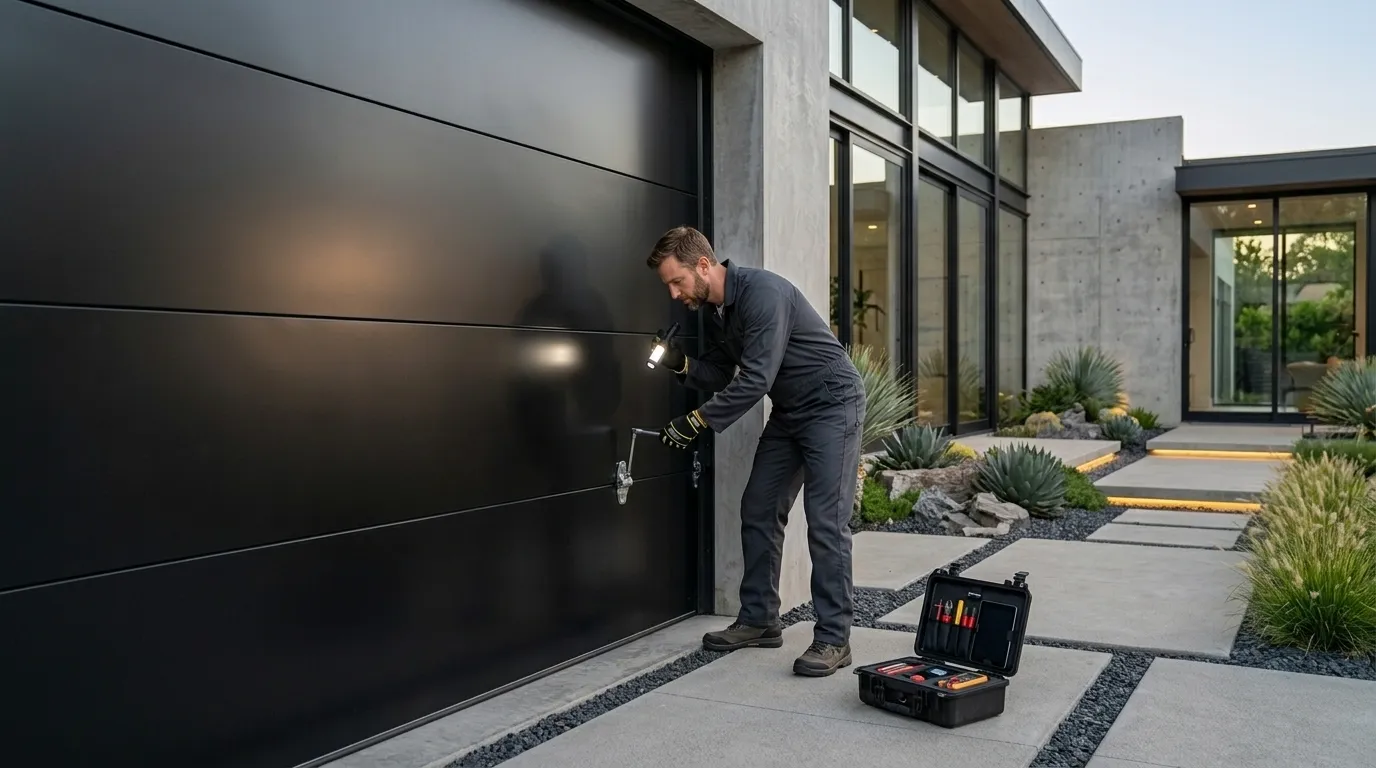
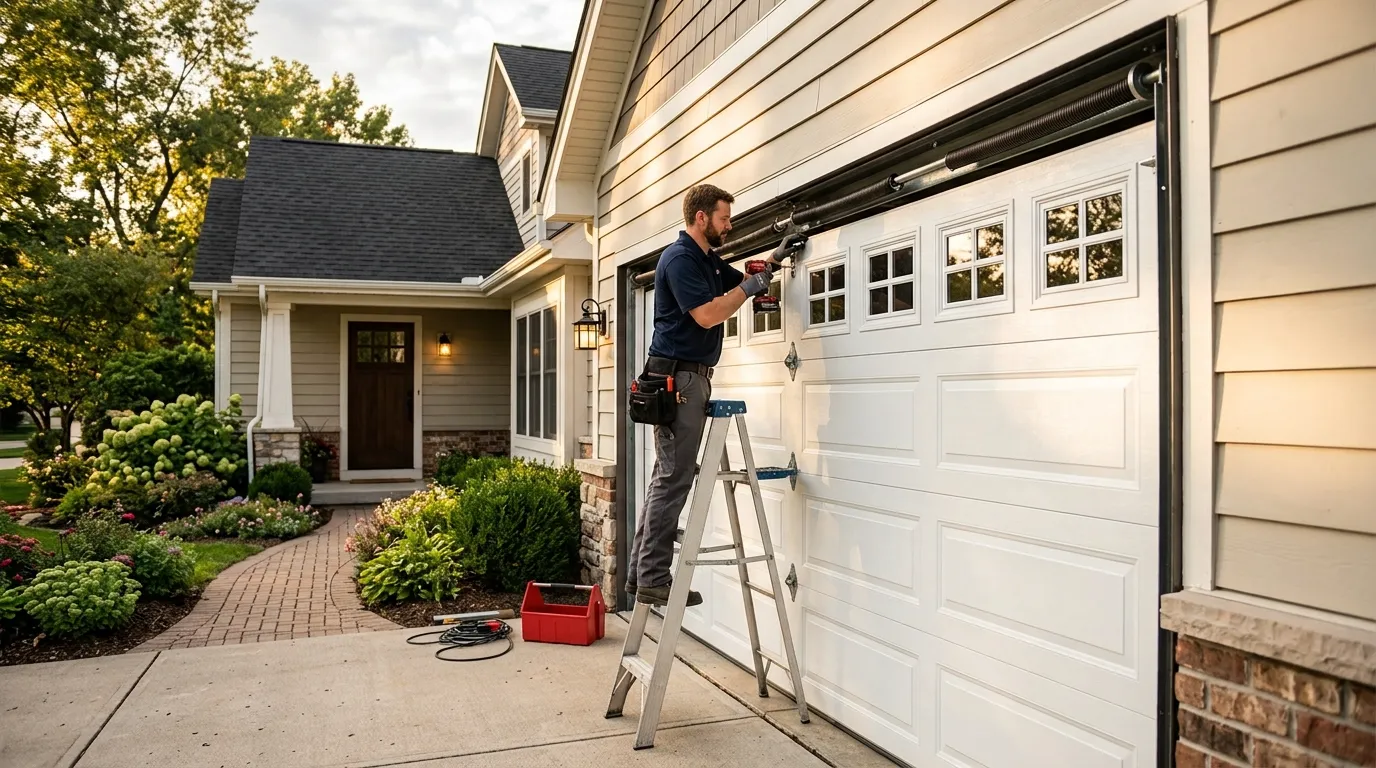
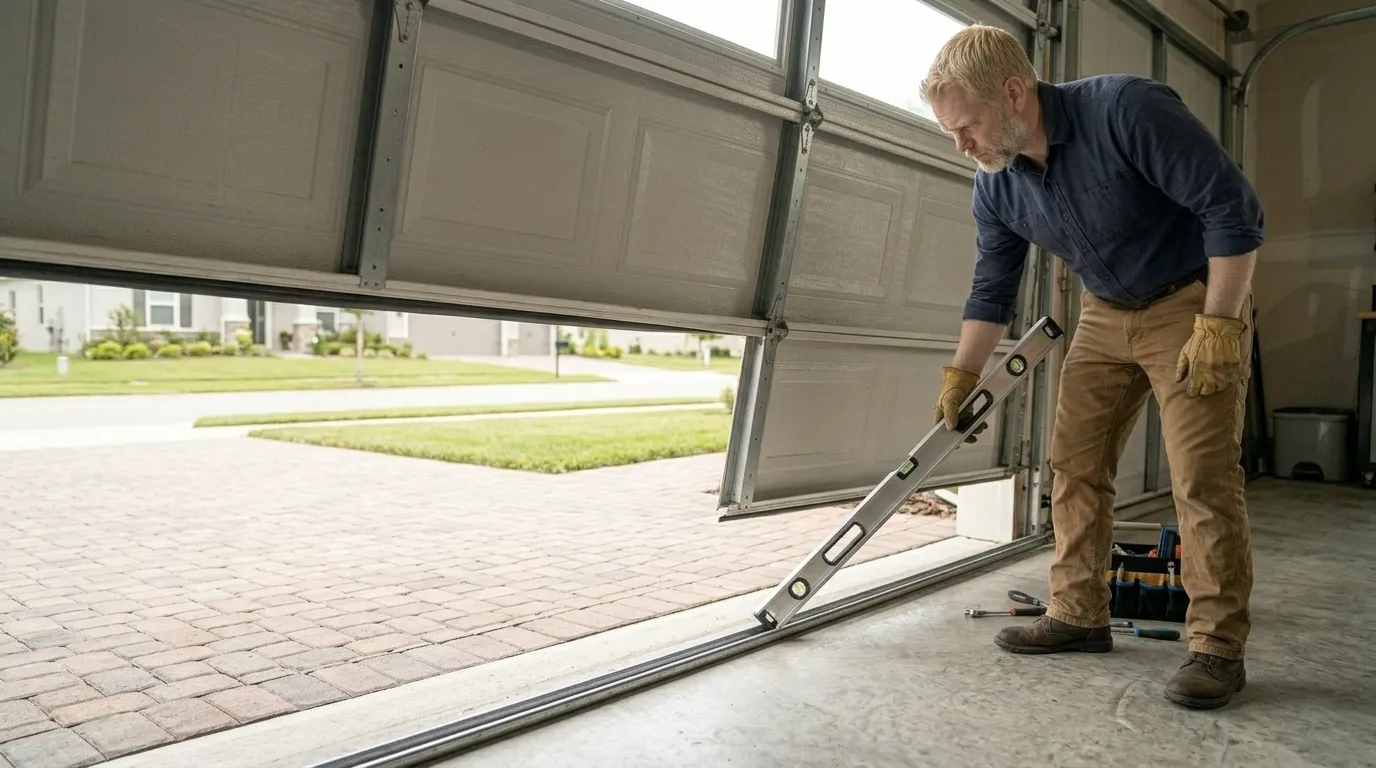
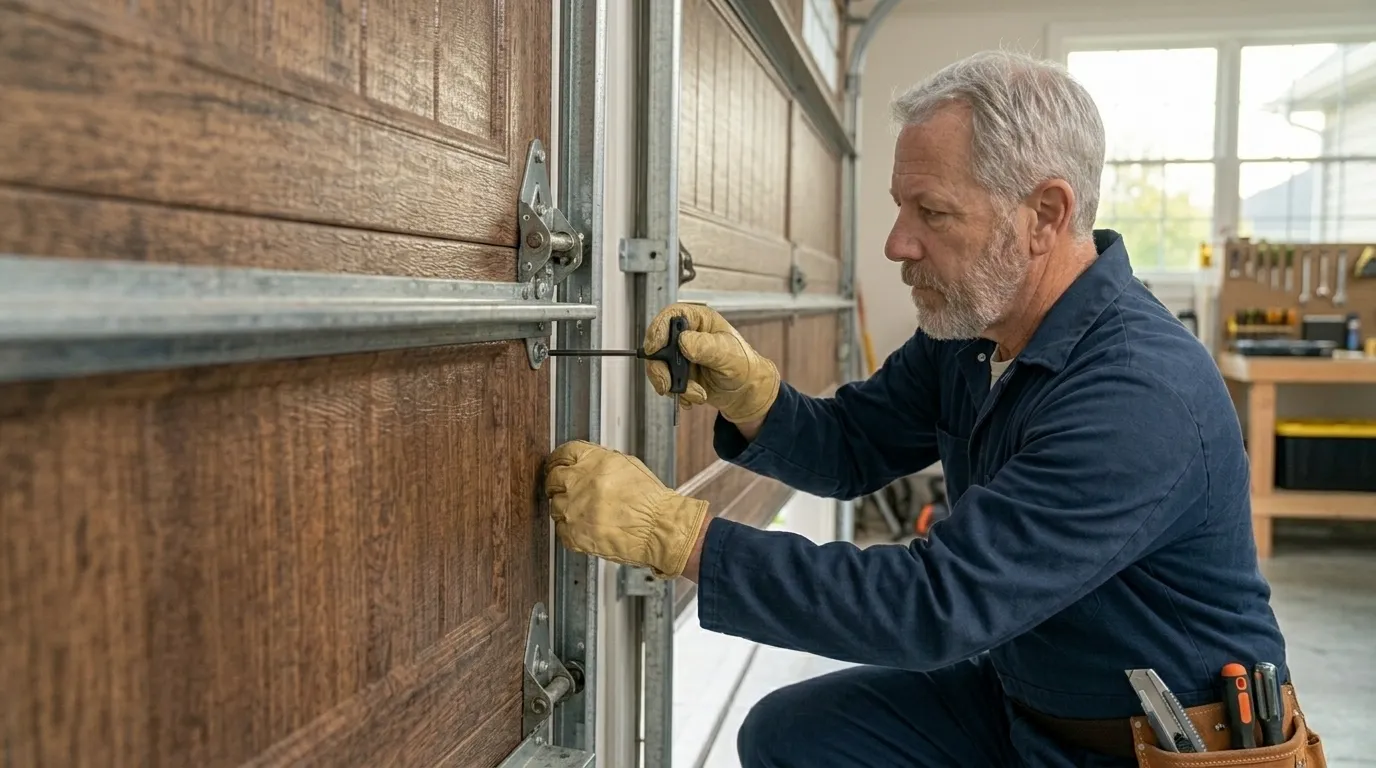
A typical spring replacement on a commercial door this size starts with releasing tension safely, pulling the old torsion spring off the shaft, and matching the new spring to the door's weight and width before it goes back on and gets wound to spec. A track repair usually means realigning bent sections, replacing bent brackets, and checking that the door runs level on both sides - a door that's off-level on one side is often what causes the roller wear you noticed in the first place. Opener repairs on the motor sizes common to buildings from this era generally involve swapping a drive gear or belt, resetting travel limits, and testing the safety reverse before we call the job done. We test the full cycle - open, close, and the safety stop - before we leave, because a door that looks fixed but doesn't reverse properly on an obstruction is not actually fixed. None of this is fast work done right, and we don't cut steps to make a repair look quicker than it is.