What You Pay
Groveport's roughly 2,300 households sit around a median income of $91,545, and the housing here is newer than a lot of the wider service area - median year built is 1990, not the 1970s stock you find closer to the center. That matters for pricing because 1990s builder-grade doors use parts that are still made: standard torsion springs, 8-foot or 16-foot steel sections, and openers on 1/3 or 1/2 horsepower chain or belt drive. We don't quote a price sight unseen, because a broken spring on a single door costs less than a snapped cable that's bent the track, and we won't know which one you have until we're looking at it. What we can tell you is that we're not pricing for antique parts or custom sizing here the way we sometimes have to on older homes - that keeps the job simpler and the invoice shorter than it would be on a house built forty years earlier.
One honest limit: if your opener is an older model no longer supported by its manufacturer, we may need to replace it rather than repair it, and that's a bigger ticket than a spring swap. We'll tell you which situation you're in before we start.
How to Book
We're based in Reynoldsburg, about 9 miles from Groveport, and we don't run a branch or a drop box out this way - every call routes back to the same crew that covers the rest of the service area. Tell us the symptom on the phone: door won't move, door's off track, opener's dead, spring's snapped. That lets us bring the right spring size and cable length instead of guessing on the truck. We don't promise a specific arrival window here since it depends on where the truck already is that day, but we do tell you honestly where we are in the queue before you commit. If the job turns out to need a part we don't have in the truck stock, we say so on the spot rather than making a second unannounced trip look like part of the plan.
What You Are Seeing
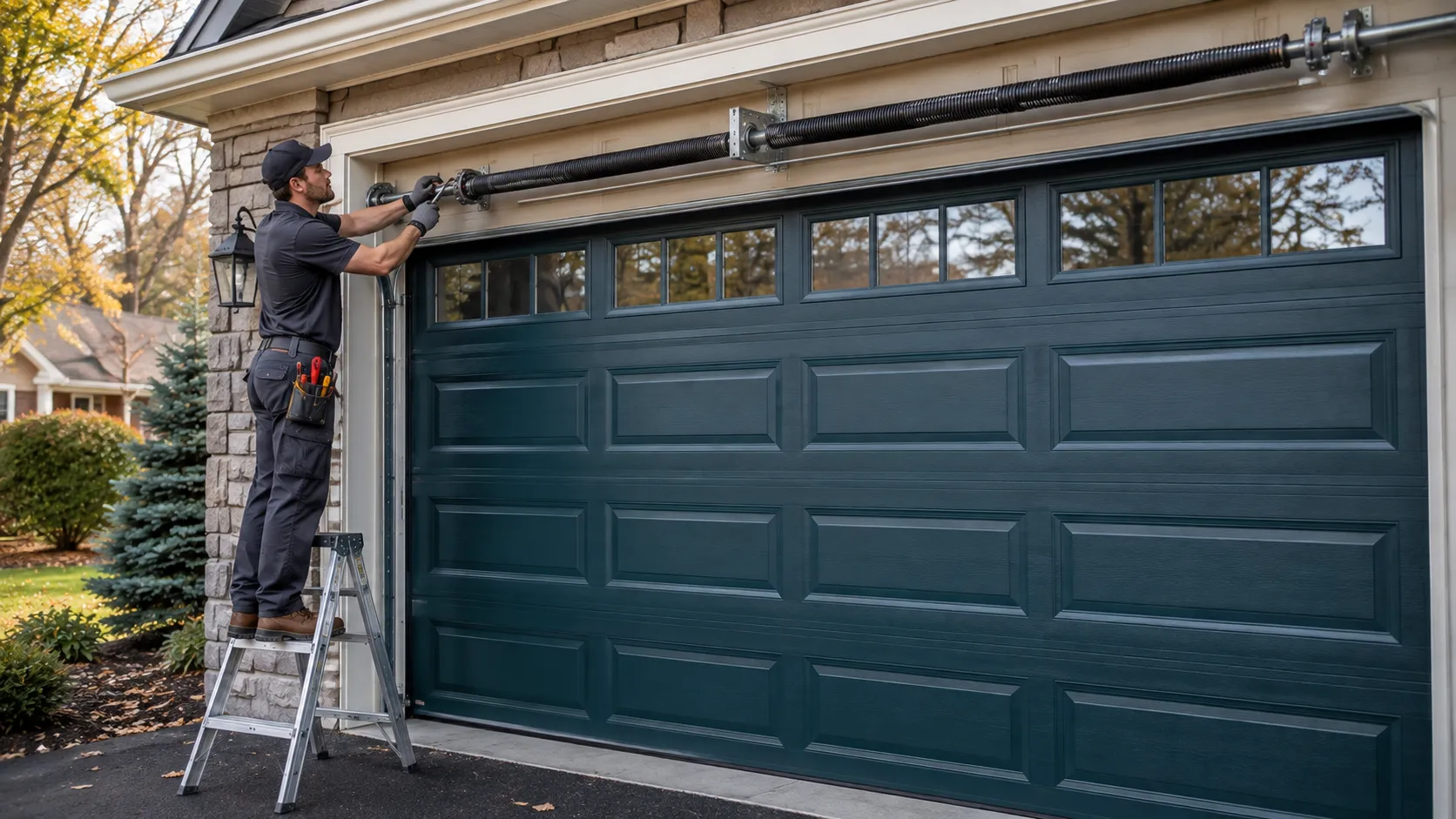
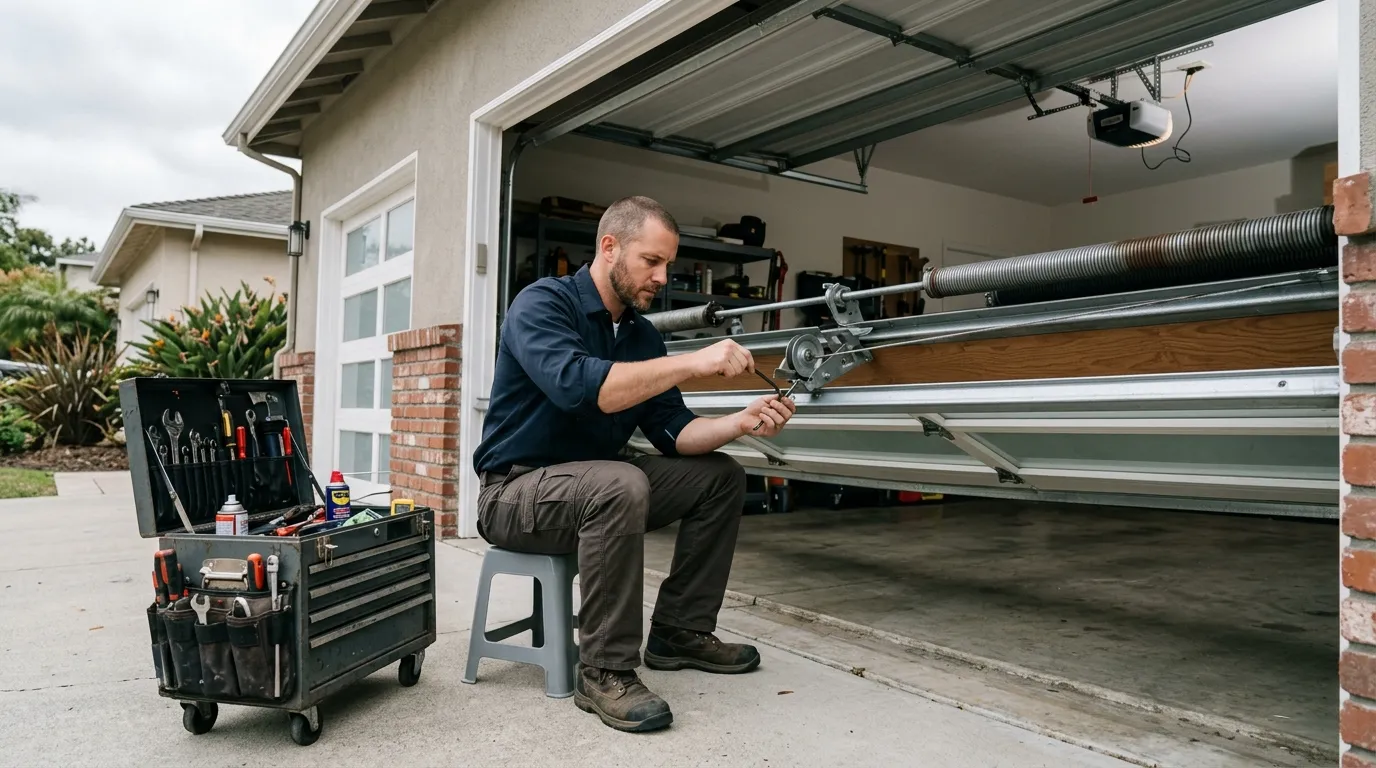
Groveport's housing skews to 1990 in median build year, which puts most of these garage doors on standard torsion spring hardware mounted above the door rather than the older side-mounted extension springs you'd see on a house built in the 1960s. What that means for symptoms: when a spring goes on a door like this, the door usually won't lift at all rather than lifting unevenly, because torsion springs work as a pair and both usually fail close together in age even if only one snaps first. You'll also see openers from this era wearing out on the gear or the circuit board rather than the motor itself. The climate here runs cold with real winter severity, and steel sections and roller tracks stiffen up and bind more in January than July - a door that's merely loud in summer can seize outright on a cold morning.
Parts We Carry
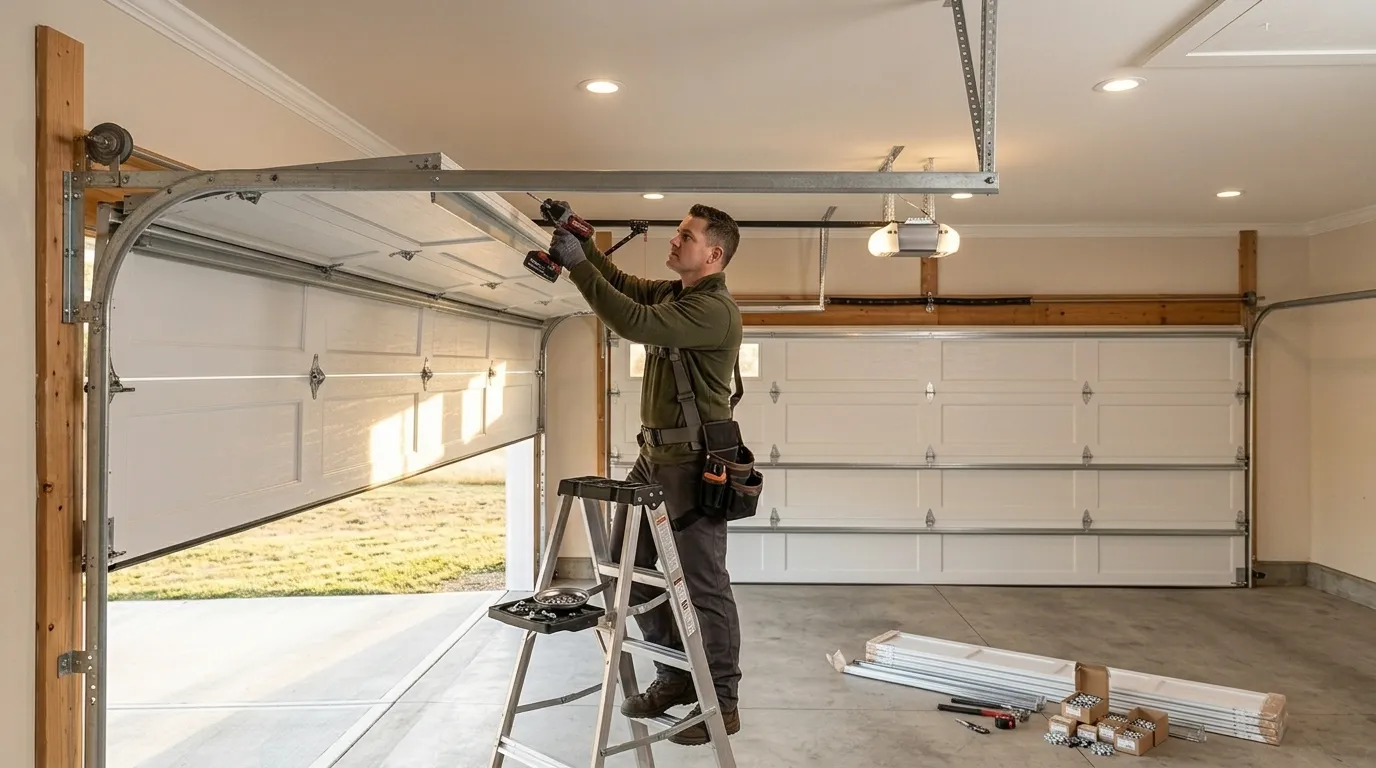
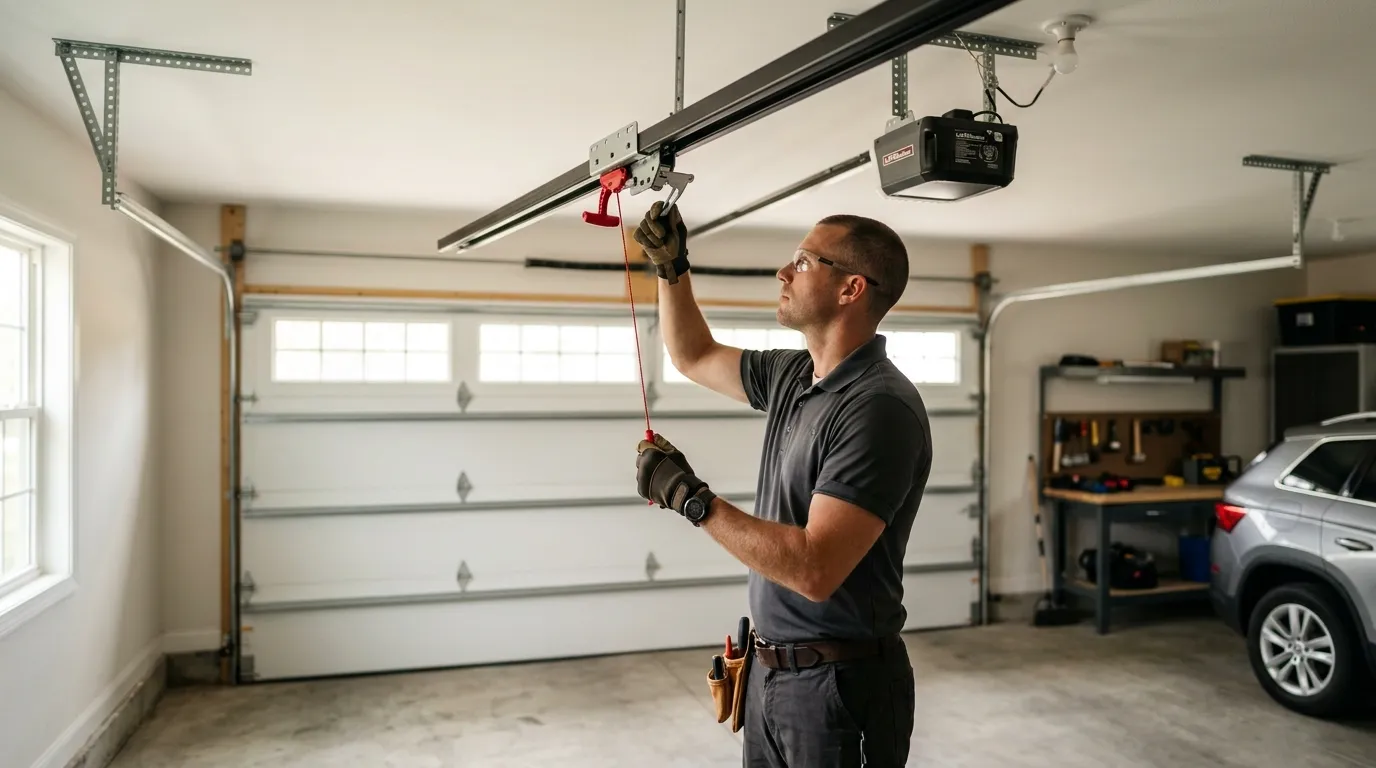
For doors from the 1990 build era common in Groveport, we carry standard torsion springs sized for 16-foot double and 8-foot single steel sectional doors, the most common cable gauges for that door weight, and nylon and steel rollers to match. We stock the belt and chain-drive opener parts that fit the horsepower ranges typical of builder-installed units from that period - drive gears, sprockets, safety sensors. What we don't carry on the truck are specialty circuit boards for every opener brand or oversized commercial-grade springs; those get ordered once we've confirmed the exact model on site. If your door turns out to be older than the neighborhood median - some lots here were built earlier than others - we'll tell you if the hardware doesn't match what's on the truck before we start pulling anything apart.