What You Pay
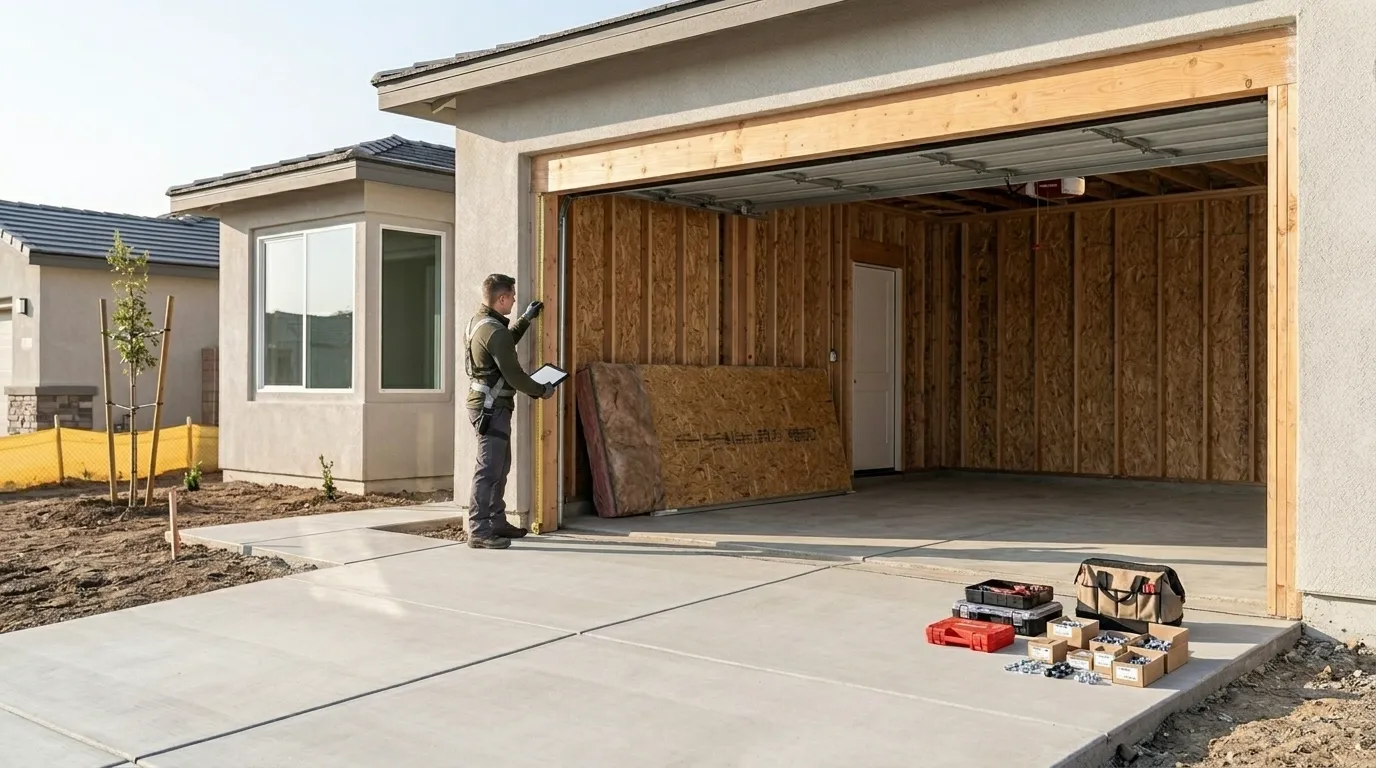
We don't have a flat rate to quote you here, and we're not going to make one up. What a commercial call costs depends on the door type, the opener, and whether the fix is a spring, a cable, or a full section replacement. What we can tell you is what shapes the job in Groveport specifically: most of the commercial buildings in this pocket went up around 1990, which means steel roll-up doors and chain-drive openers from that generation rather than the older galvanized stock you'd find closer to the Reynoldsburg core. Newer doesn't always mean cheaper to fix - a 1990s commercial opener board can be harder to source a matching part for than a newer smart controller, and that shows up in the invoice. We travel from our Reynoldsburg shop for every Groveport call, so the number you're quoted covers the door and the drive to get to you, not a local branch markup. If a part has a long lead time, we say so before we book the job, not after.
How to Book
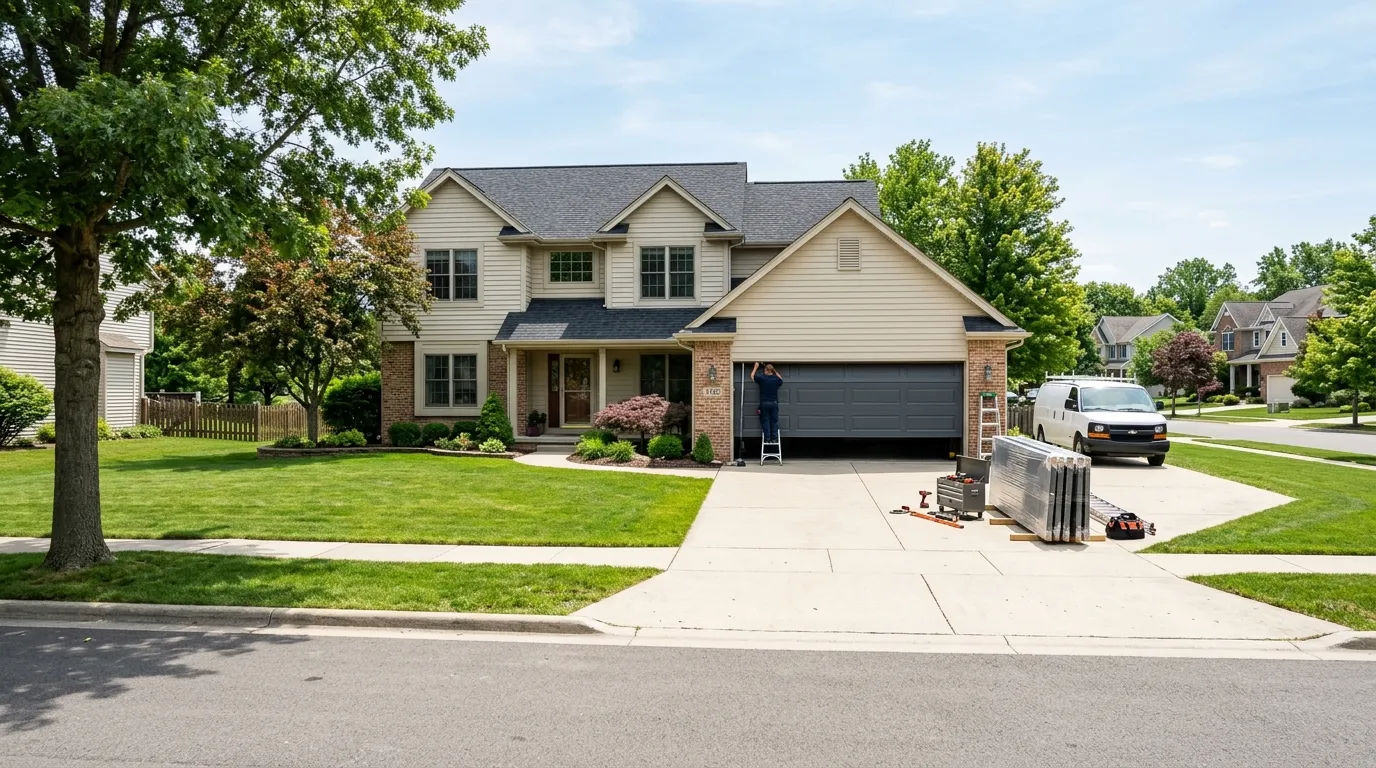
Call and describe what the door is doing - won't open, opens partway then reverses, makes a grinding noise on the track. That's enough for us to bring the right parts on the truck instead of making two trips. We run this route from Reynoldsburg, about nine miles from Groveport, so we ask for a rough window rather than an exact minute; traffic on the drive out varies more than the repair itself does. If your business runs a single bay door for loading, tell us that up front - a shop with one door and no backup gets bumped ahead of jobs where the business can keep operating on a second bay.
What You Are Seeing
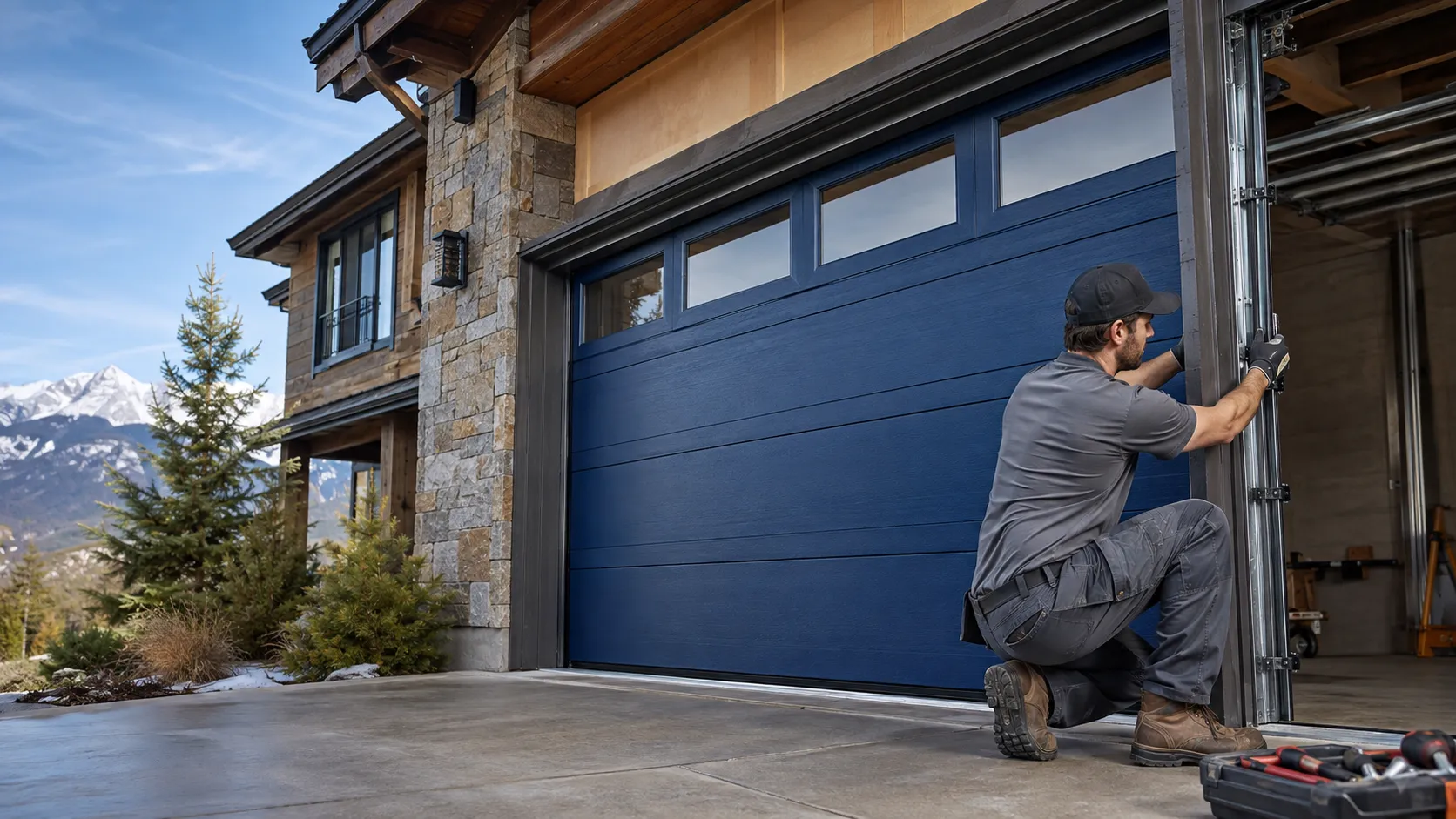
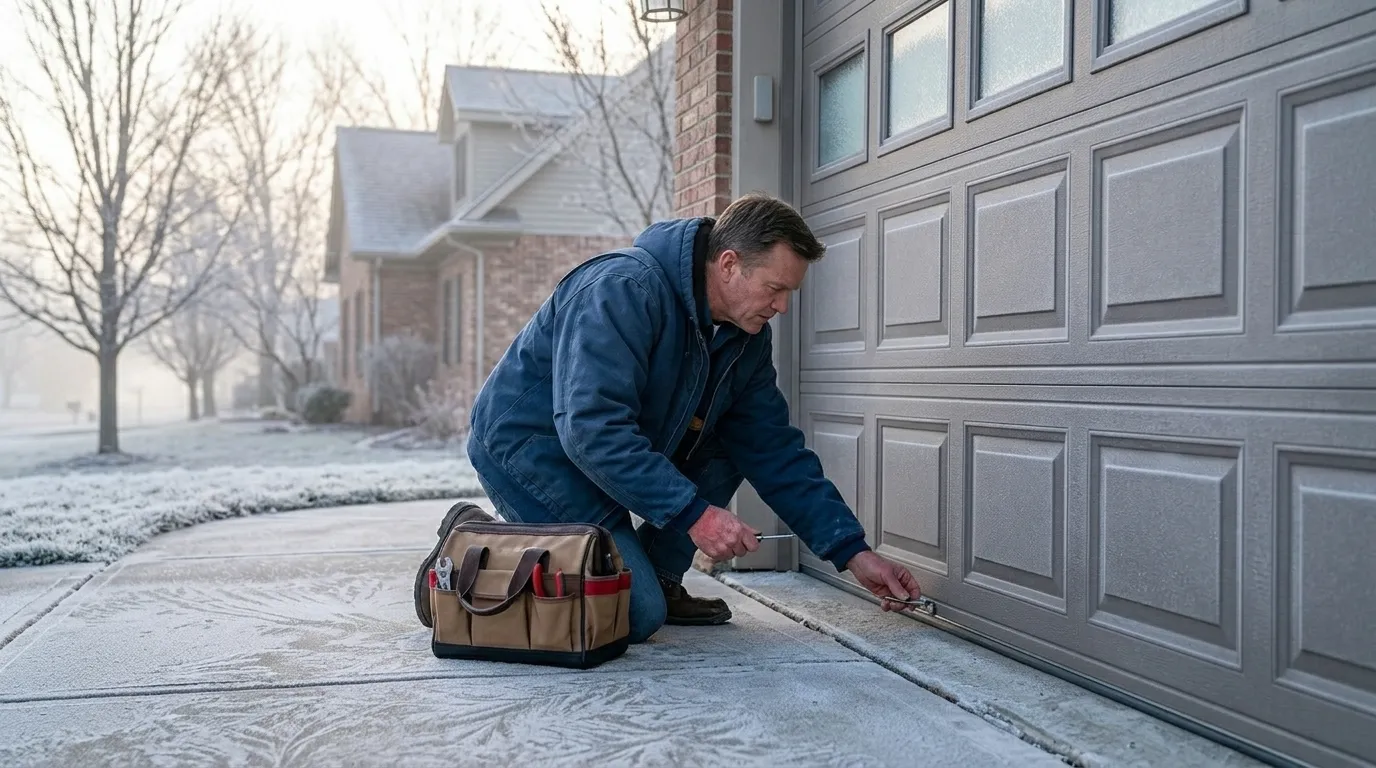
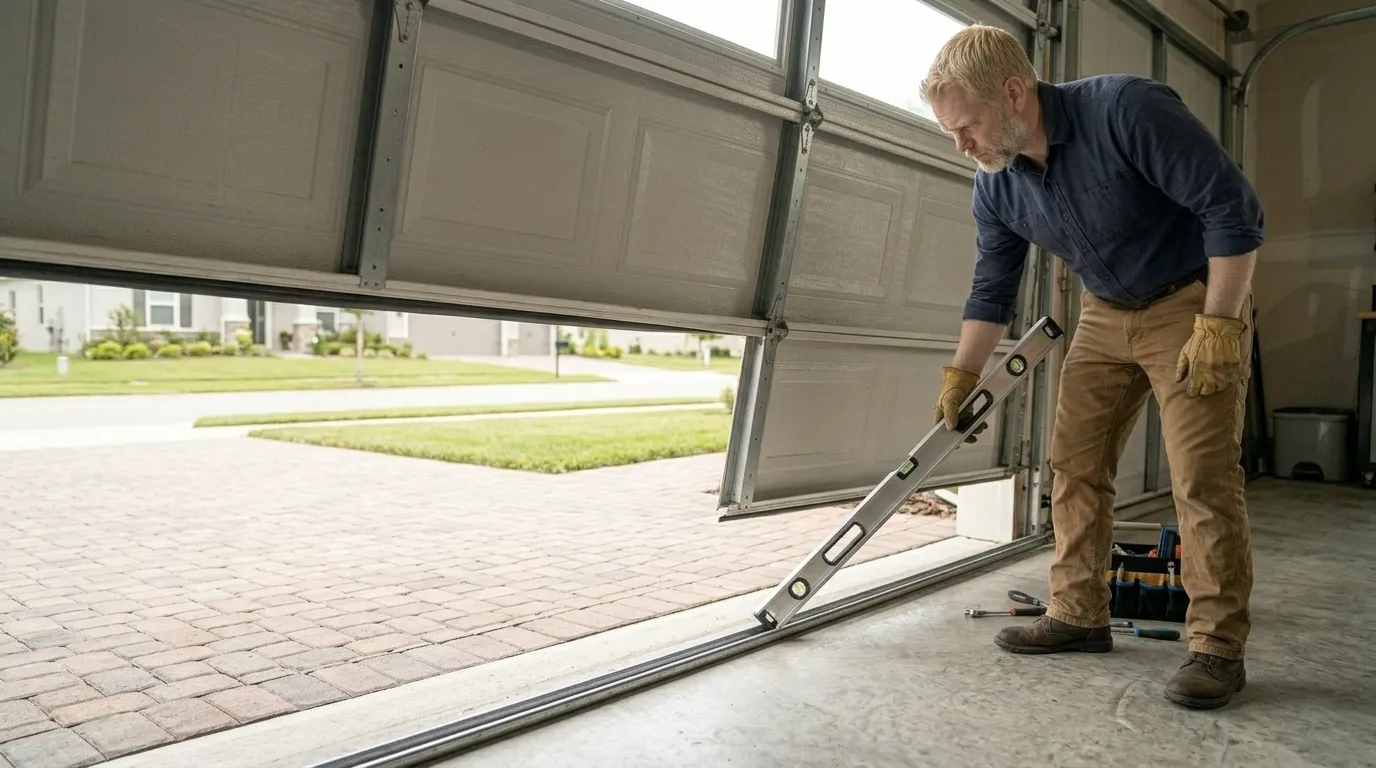
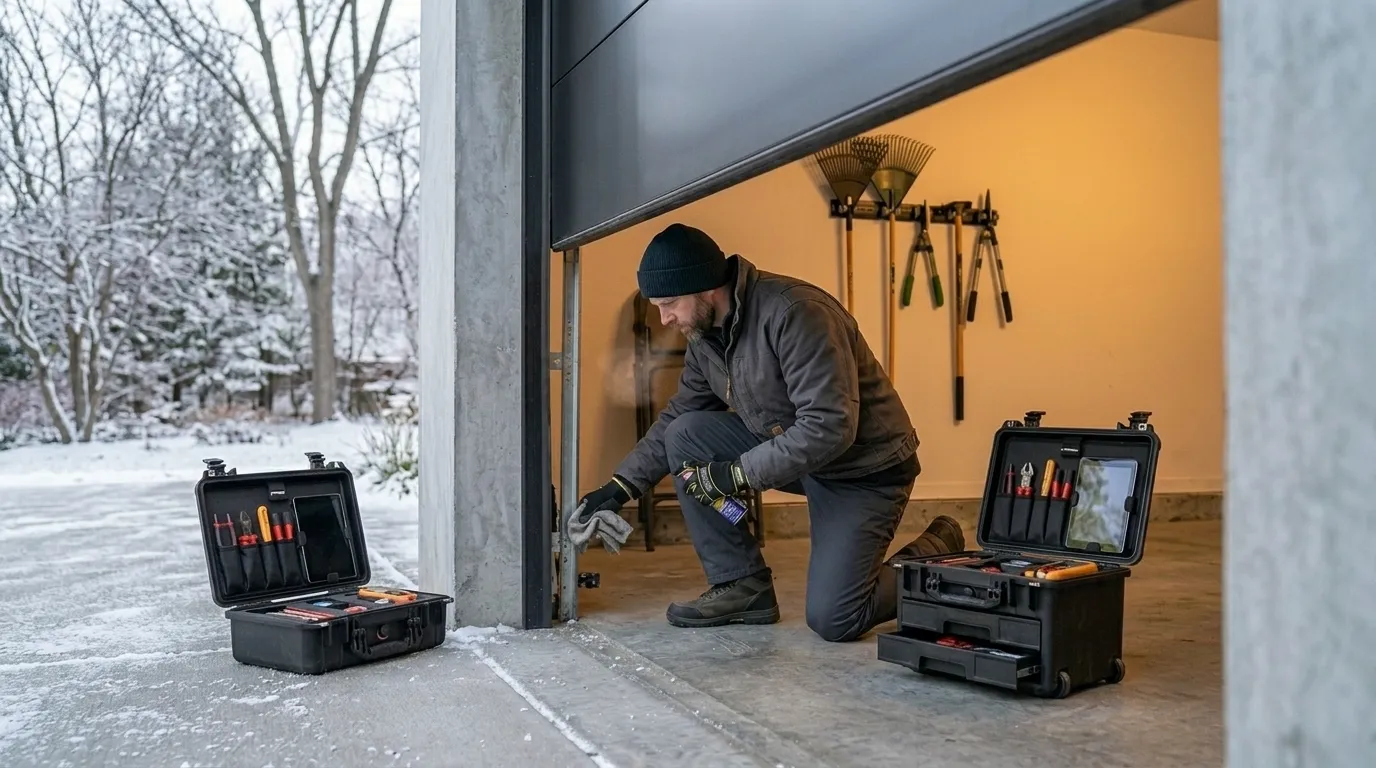
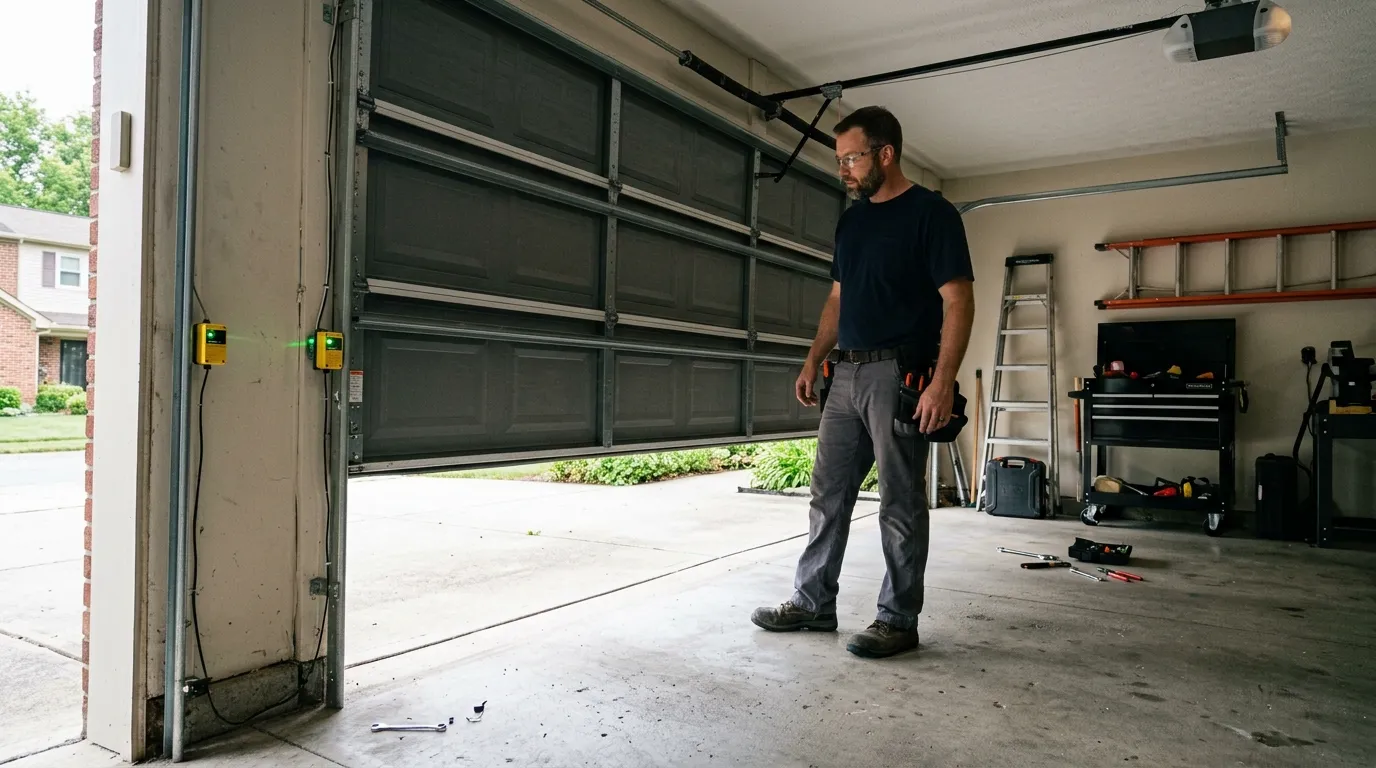
With commercial construction here centered around 1990, the doors we're called out to see the most are steel roll-ups on chain hoist or jackshaft openers, not the wood-panel sectional doors you'd find on a much older building. Torsion springs on these doors carry heavier commercial loads than a residential door does, and after roughly three decades of cycles, they're due - or past due - for replacement even if they haven't snapped yet. We also see track misalignment from forklift contact, which is a commercial-specific problem you don't get on a house door. Cold-weather stiffness in the chain drive shows up seasonally; grease that was fine in August binds up hard once temperatures drop, and a door that seemed sluggish in fall can seize by January.
Parts We Carry
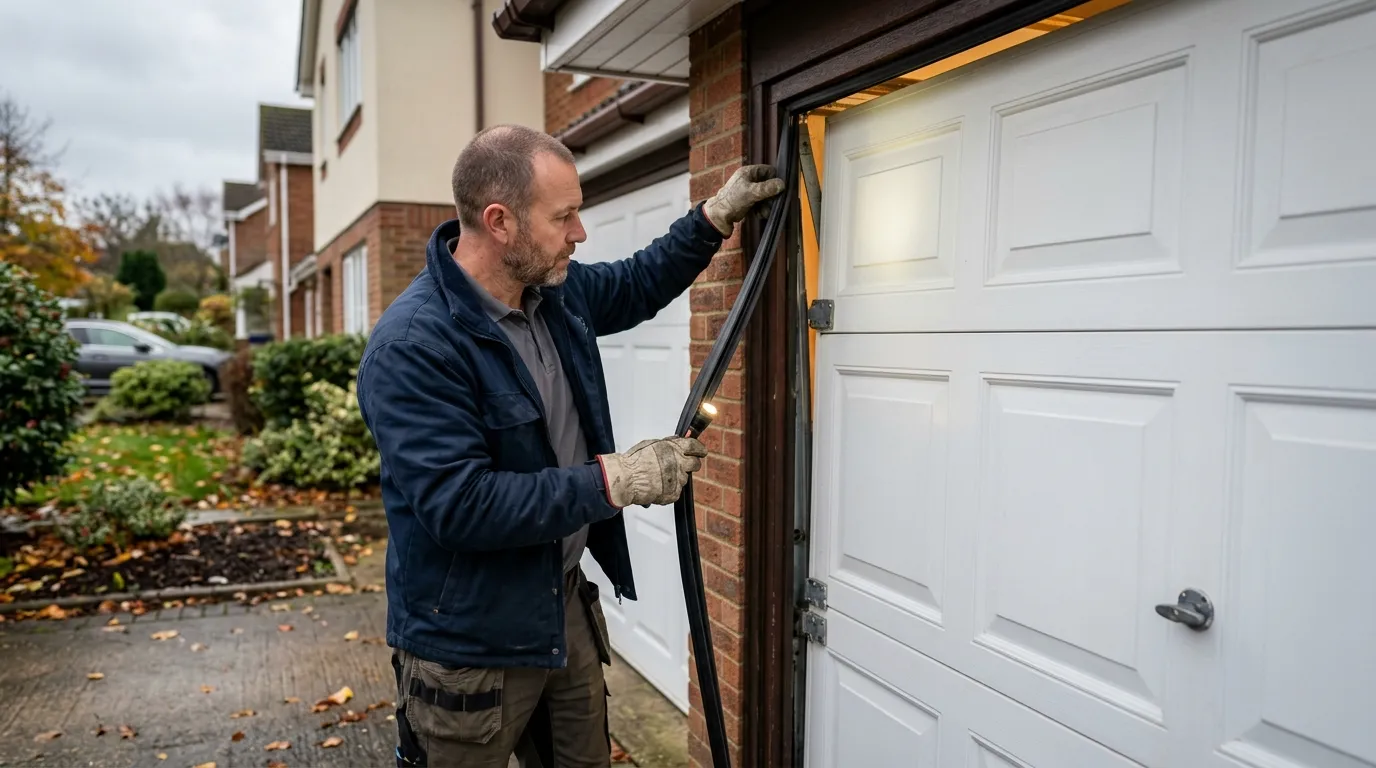
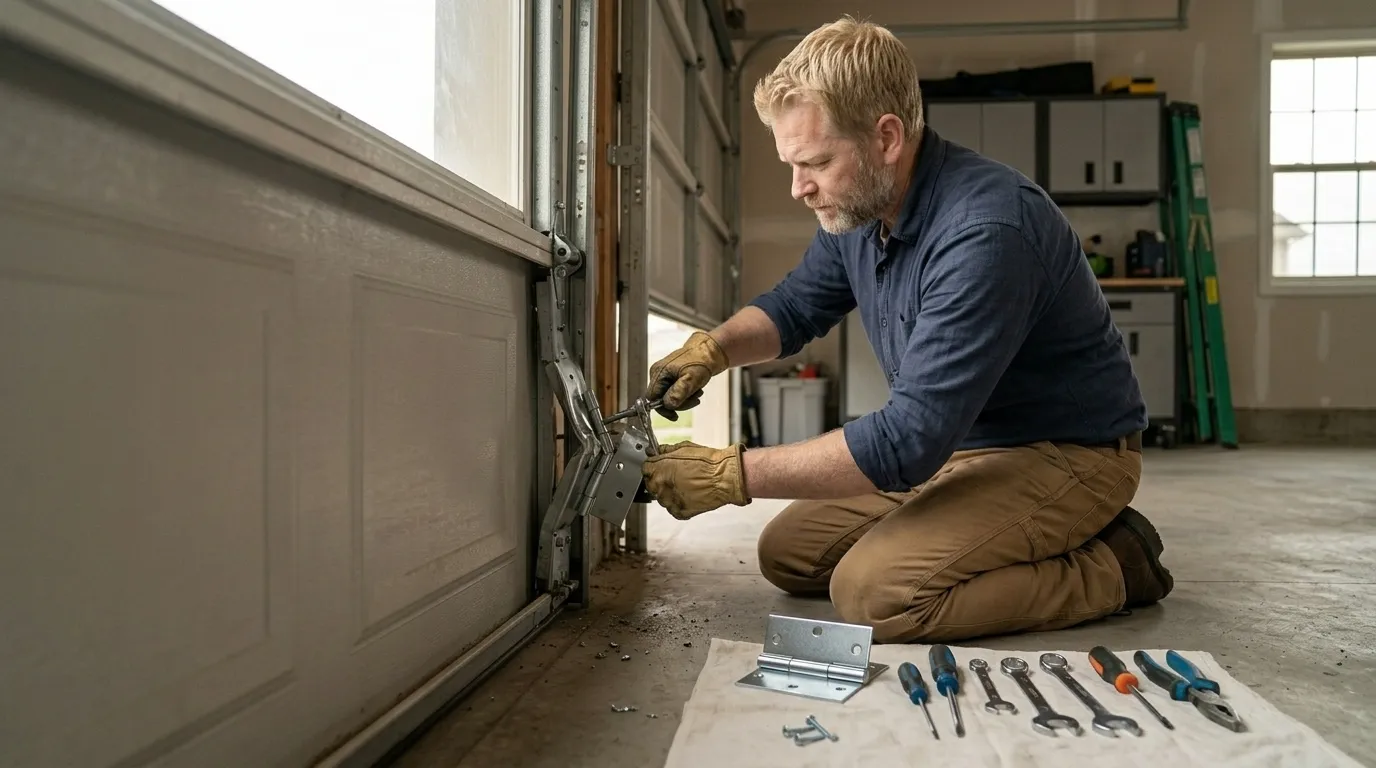
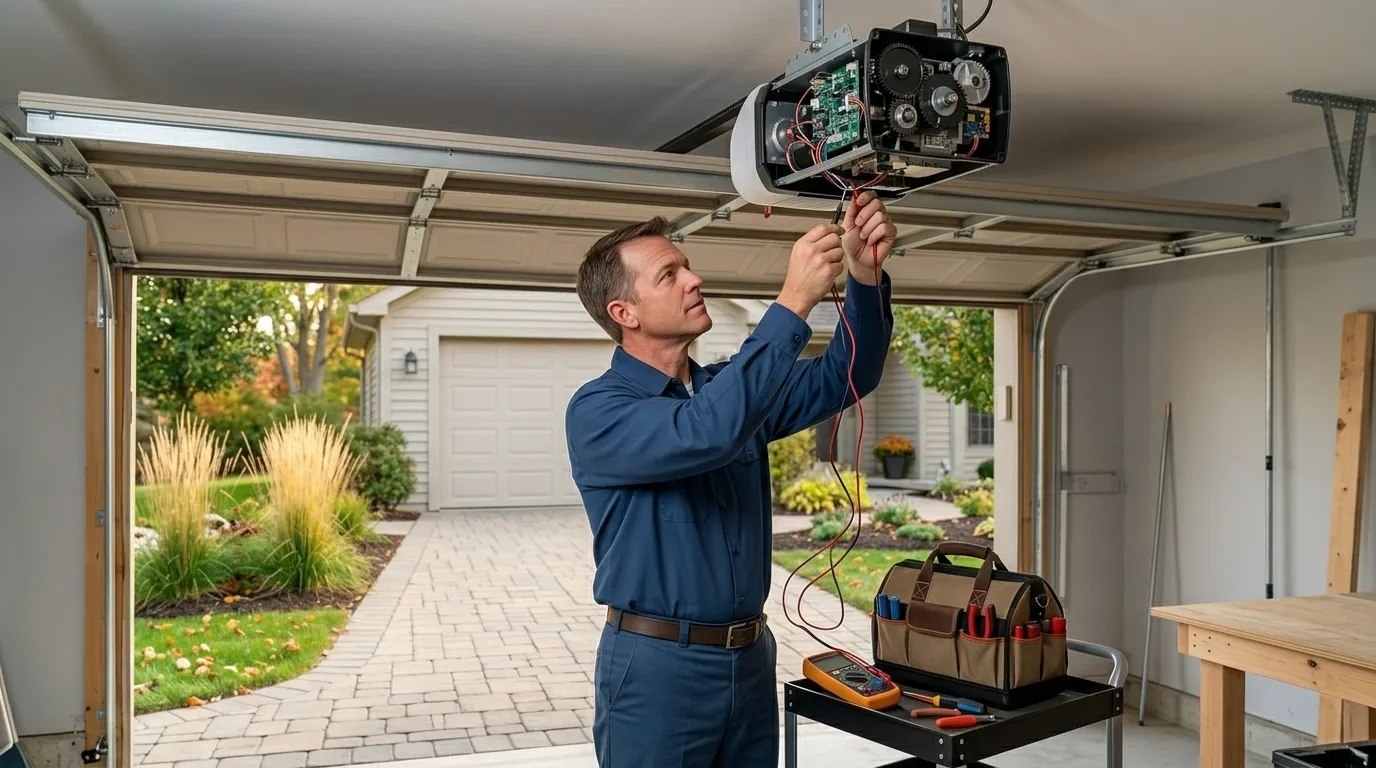
We stock common commercial torsion springs, standard cable, and rollers sized for roll-up and sectional commercial doors on the truck. What we don't always have on hand is a proprietary logic board or a specific chain hoist motor matched to a 1990s opener install - those get ordered once we've confirmed the exact model on site. Being upfront about that lead time is part of the job; a business can plan around a two-day wait if we tell them on day one, and can't plan around a surprise. If your door takes a part we don't carry, we'll tell you the wait before we start, and we'll leave the door secured in the meantime rather than half-open.