How Long You Are Without the Door
Blacklick Estates is a small area - about 3,260 households - which matters more than it sounds like it should. A town this size doesn't generate enough call volume to justify a crew sitting local, so every job here is a truck coming six miles from Reynoldsburg. That's not a knock on the work, it's just the honest shape of it: nobody local to dispatch same-hour, and we won't pretend otherwise.
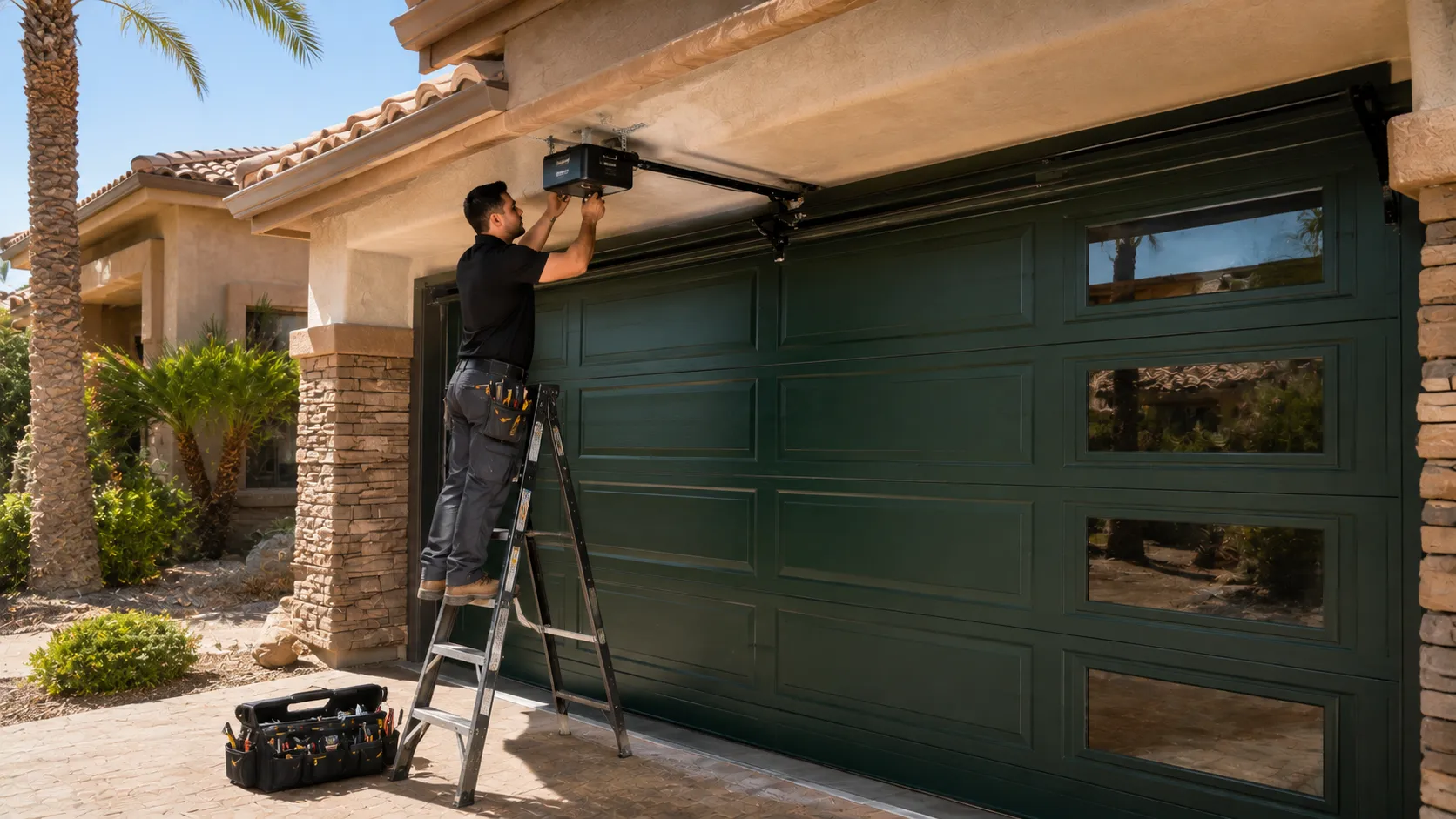
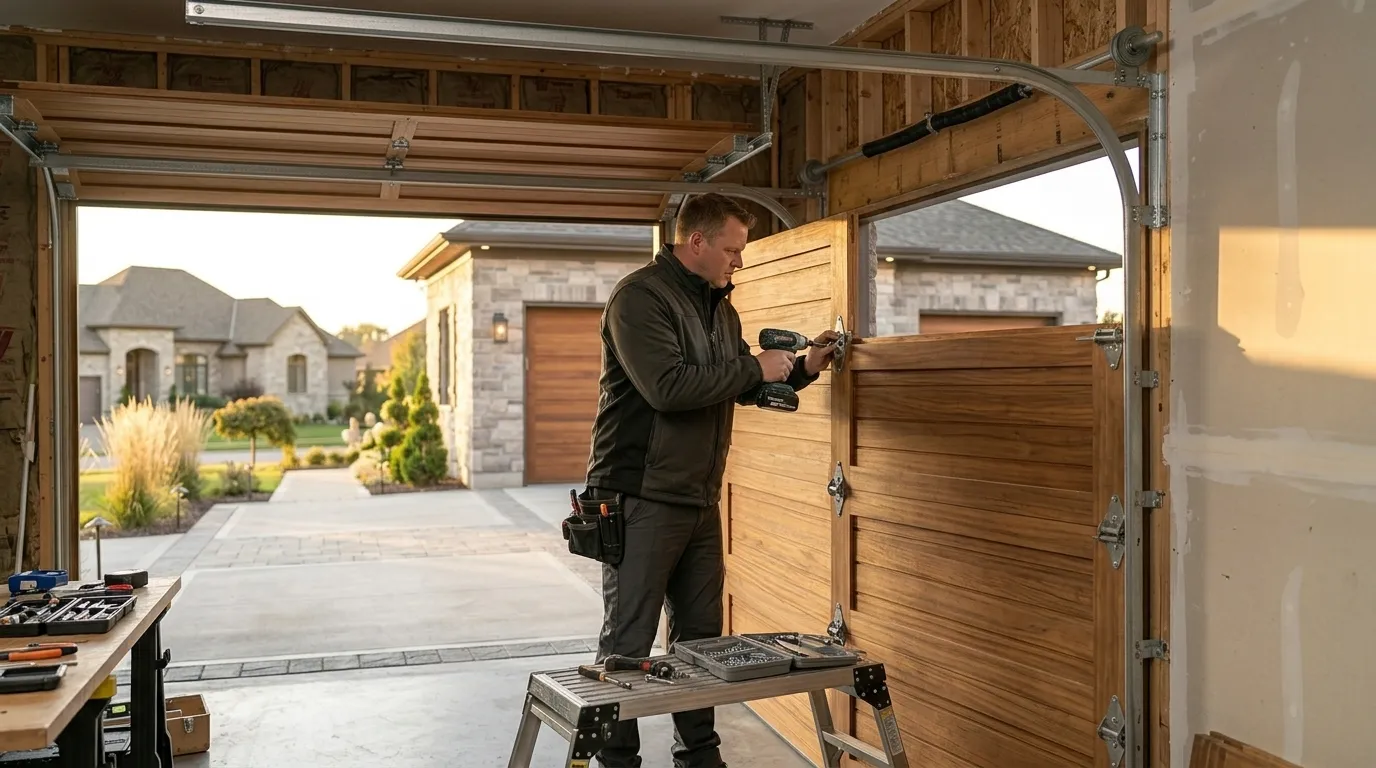
What that means in practice is the old door usually stays up and functional until the new one is on site and ready to hang. We don't pull a working door and leave a homeowner with an open bay overnight waiting on a part. If your current door still closes, even roughly, we schedule the swap for a day when the new door and hardware are both in hand, and the opening is closed by end of that same visit.
Where it gets slower is custom widths or a color that isn't stock - those get ordered ahead, and we tell you that lead time before you commit, not after.
How to Book
Since the crew works out of Reynoldsburg, the fastest path is to call and describe the door you have now - width, whether it's a single or double bay, and roughly how old the house is. That last detail actually matters here: a lot of Blacklick Estates homes are mid-1960s builds, and the header framing and track spacing from that era isn't always what a big-box door kit assumes.
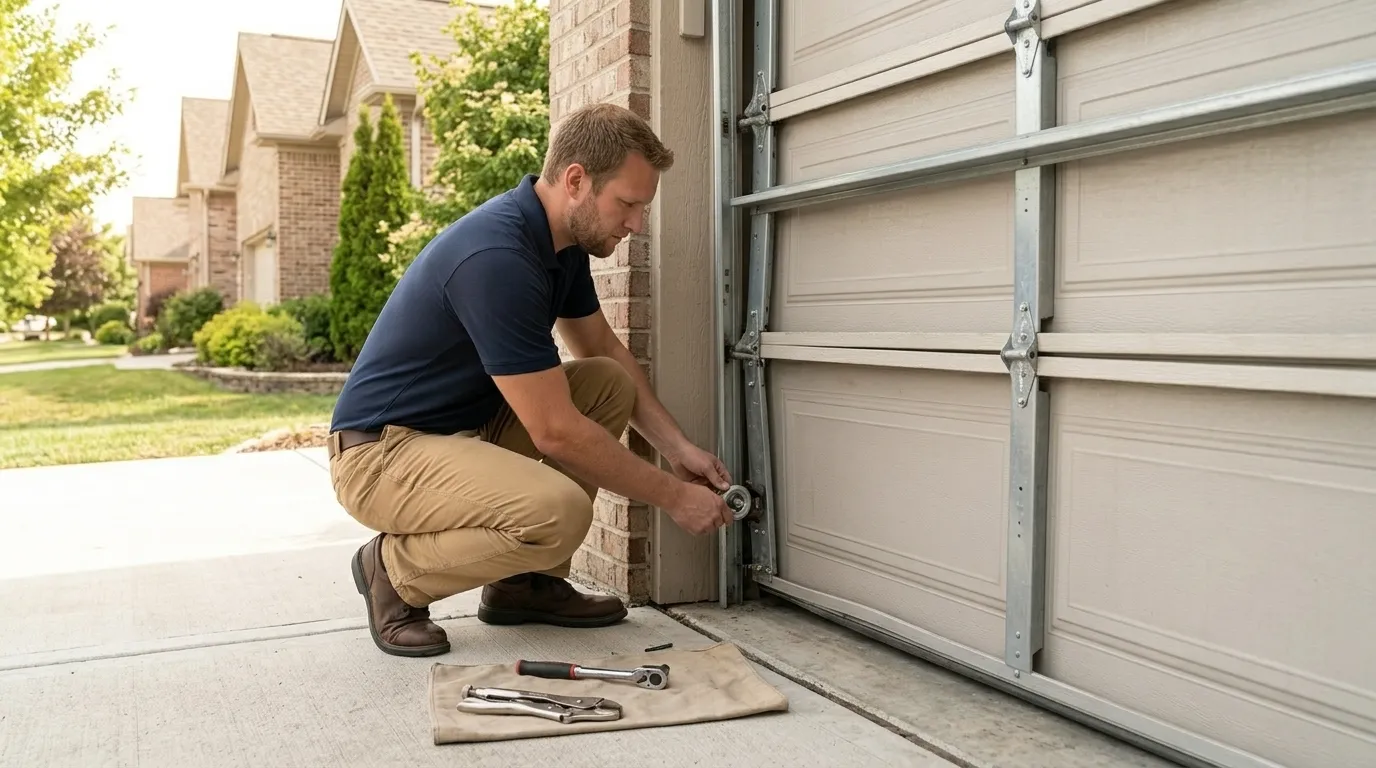
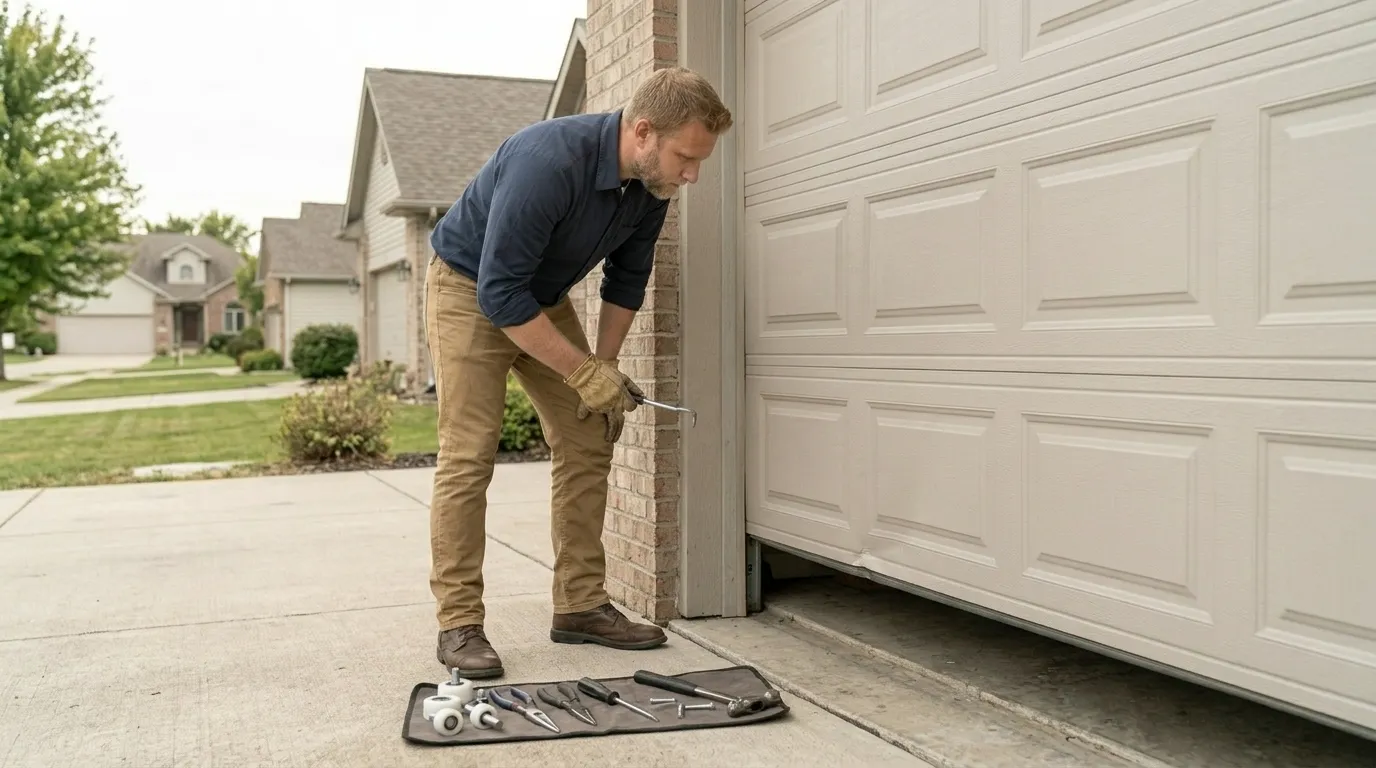
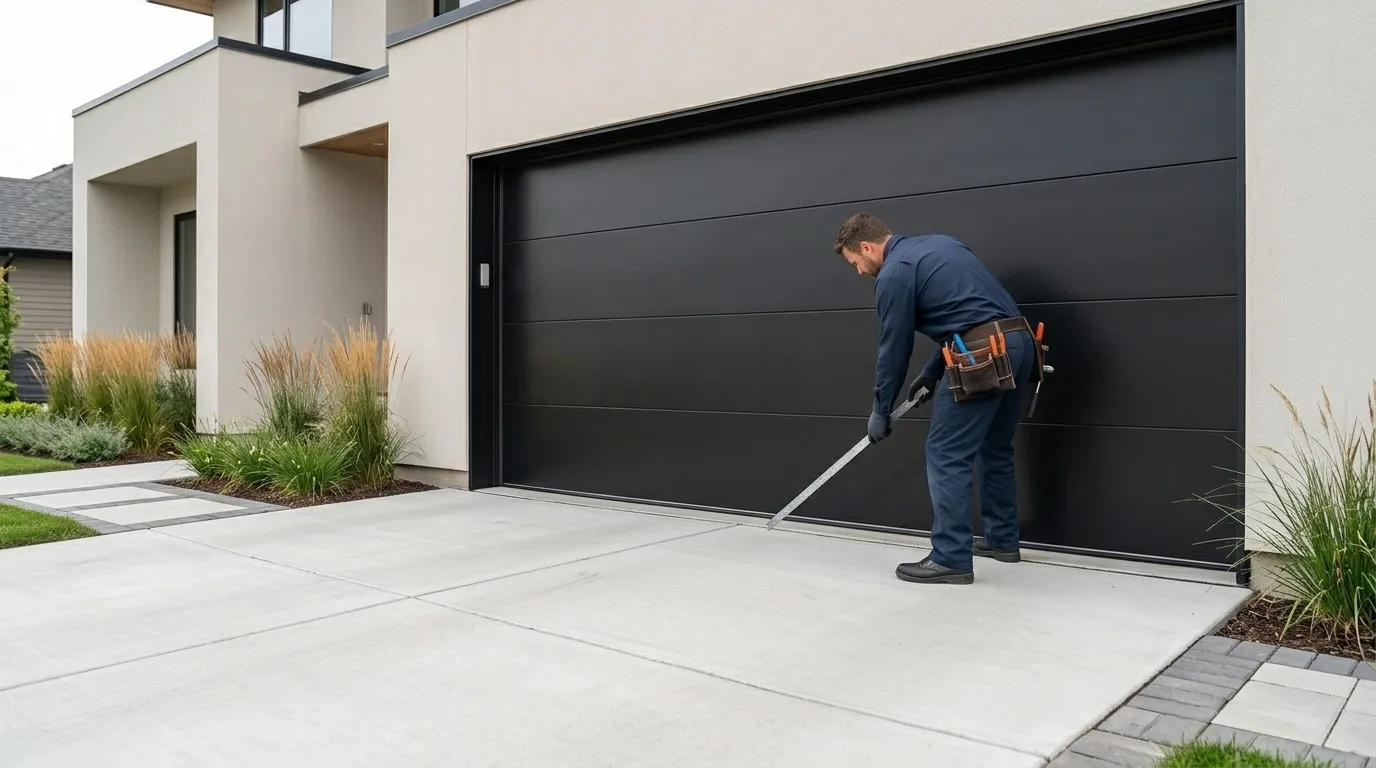
We'll walk the driveway with you, measure the actual opening rather than trust what's on a permit from decades back, and give you a number before any metal shows up. You can also start on the Blacklick Estates area page to see what else falls in this service run, or check the main installation page for Reynoldsburg if you want the fuller rundown on door lines and options before you call.
There's no local drop-in office to walk into - this is a call-and-schedule setup, not a storefront.
Why It Happens Here
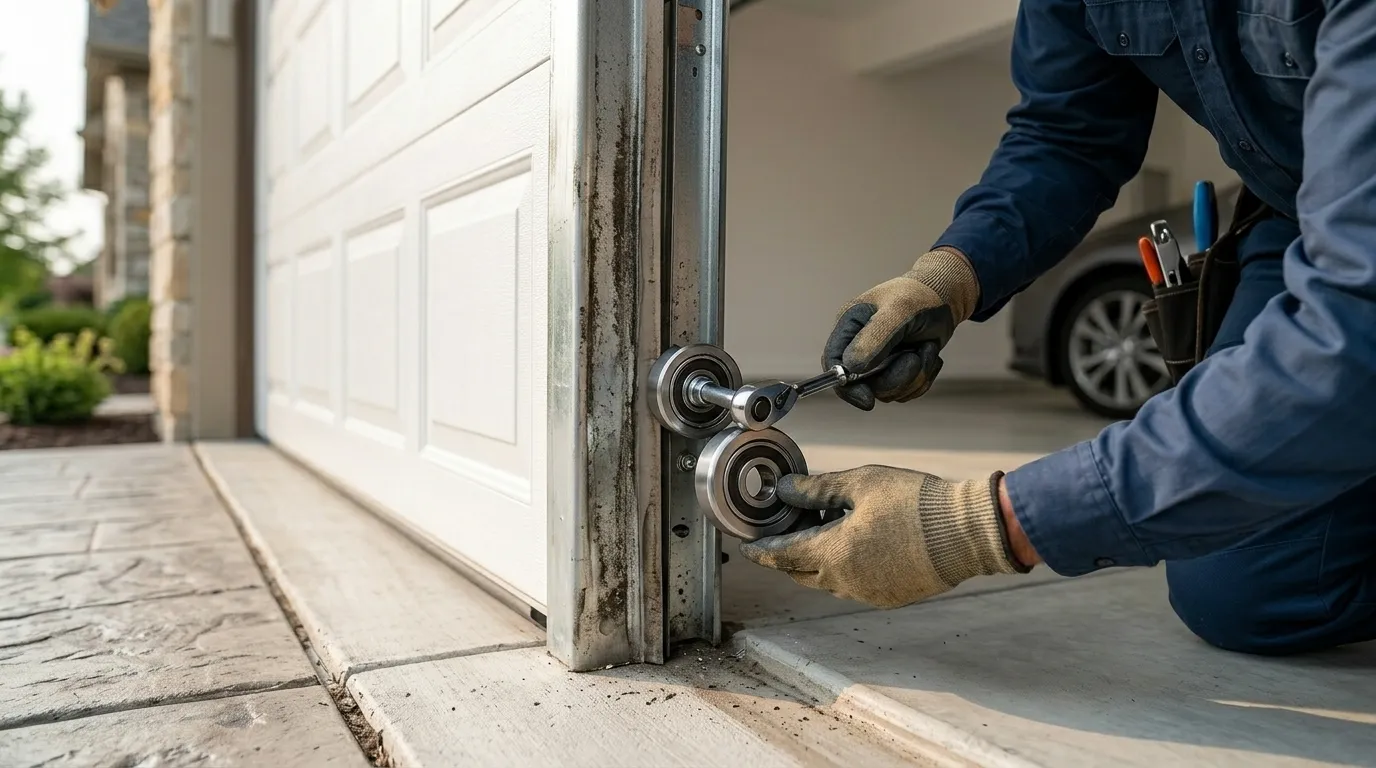
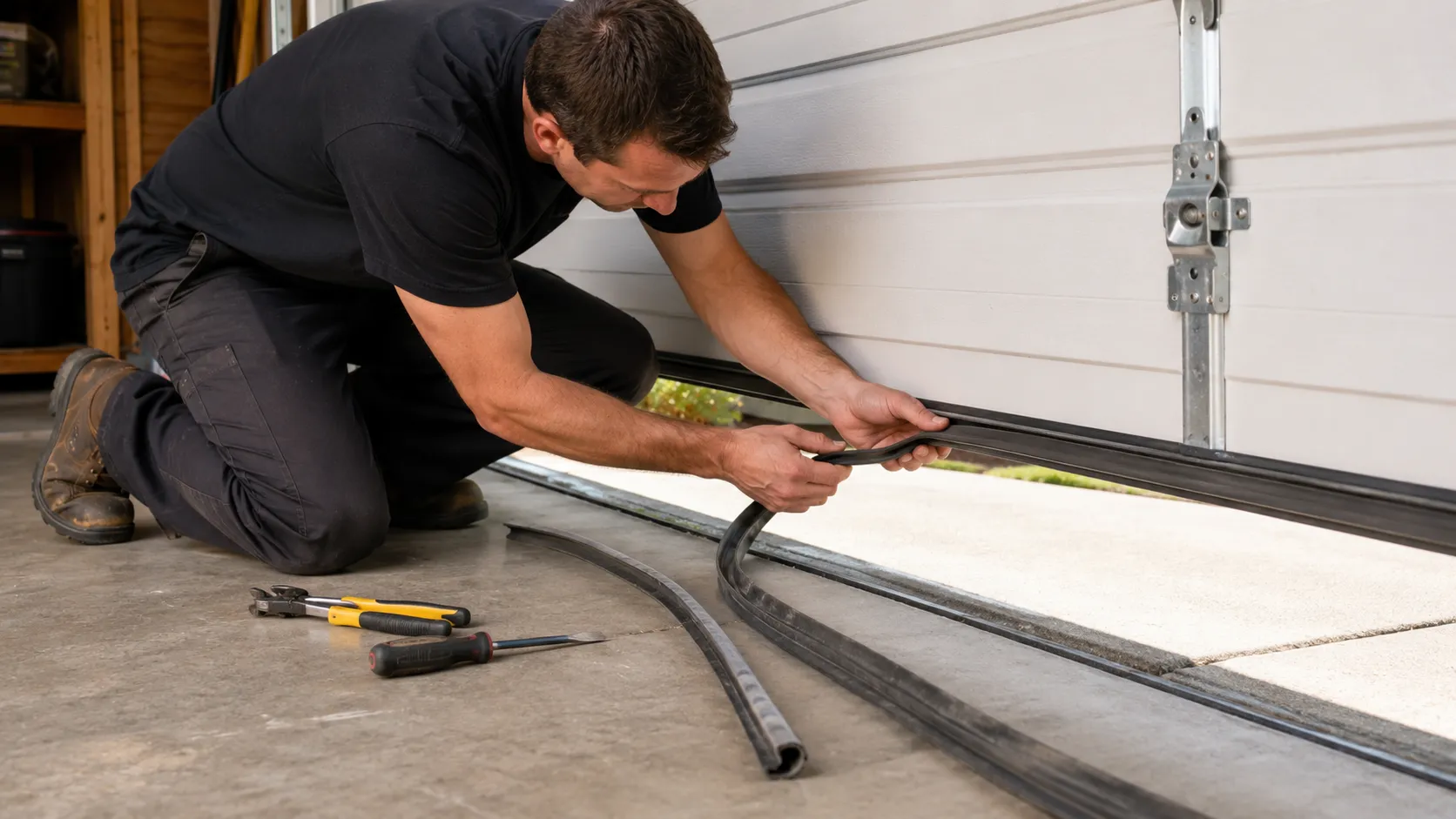
The service area runs on a cold-climate rating, and Blacklick Estates gets the same winters as everywhere else in it - steel panels contract, weak seals let cold air push past the bottom astragal, and old torsion springs lose tension faster in the swing between summer heat and winter cold. That cycle wears fastest on doors that are already decades old.
What's specific to this town is the age band: with a median build year around 1966, most of the original garage doors here have long since outlived their springs and openers, some more than once, and homeowners are now hitting the point where a third spring replacement costs close to what a new door with better insulation and modern hardware would run. At $70,869 median household income - below the $94,040 seen across the broader service area - that math tends to push people toward waiting a bit longer than they should before replacing rather than jumping early.
We don't push replacement on a door that's still sound. But once you're past the second spring failure on 1960s-era hardware, the numbers usually favor a new door over another patch.